Published: 13 February 2026. The English Chronicle Desk. The English Chronicle Online
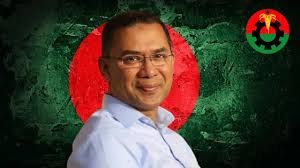
The political trajectory of Tarique Rahman has long been intertwined with the turbulent, dynastic and deeply polarised history of Bangladesh. Now, after decades spent in the shadows of his parents’ towering legacies, years in exile, and a career frequently clouded by controversy, he stands on the brink of becoming the country’s next prime minister following a decisive electoral victory by the Bangladesh Nationalist Party.
At 60, Rahman is widely regarded as the standard-bearer of one of South Asia’s most influential political families. His political inheritance is formidable. His mother, Khaleda Zia, served twice as prime minister and remains a defining figure in modern Bangladeshi politics, while his father, Ziaur Rahman, was a military ruler turned elected leader who founded the BNP in 1978 and played a prominent role during the country’s independence struggle. The weight of that legacy has both propelled and complicated Tarique Rahman’s political ascent, shaping public perceptions of him as both heir apparent and polarising figure.

Rahman’s first meaningful step into politics came in 2001, when he entered BNP’s inner circle during his mother’s second term in office. At the time he was still relatively young, but his rise was swift. Within a year he had secured a senior organisational role inside the party, prompting fierce criticism from opposition politicians who accused the BNP of entrenching dynastic politics. Supporters countered that he was simply assuming responsibilities in line with his experience and lineage. Those early years established a pattern that would follow him for decades: intense scrutiny, sharp political rivalry and a reputation for operating as a disciplined enforcer within party ranks.
His opponents frequently accused him of wielding influence behind the scenes, suggesting that he exercised power disproportionate to any official title. Allegations of corruption and misuse of authority surfaced repeatedly, though Rahman consistently denied wrongdoing. Among his supporters, a narrative took hold that he was targeted not because of proven misconduct but because he represented the most visible symbol of the BNP’s future leadership. This divide in public perception would become one of the defining features of his political identity.
The turning point came in 2007, during a military-backed caretaker administration that launched sweeping anti-corruption drives against political leaders across the spectrum. Rahman was arrested and held for 18 months. He later alleged he had been subjected to mistreatment while in custody, claims that intensified the political controversy surrounding his detention. After his release he travelled to London, where he would remain for nearly two decades. Reports at the time indicated he had agreed to withdraw from active politics in exchange for permission to leave the country, a claim never fully resolved but widely discussed in political circles.
Despite his physical absence, Rahman never truly disappeared from the political stage. From abroad he maintained influence over BNP strategy, policy direction and organisational decisions, communicating regularly with party leaders and shaping its responses to unfolding national events. His role became more formal in 2018 when his mother was imprisoned, and he assumed the position of acting chairman. During those years, the BNP operated under intense pressure from the government led by Sheikh Hasina, with party leaders alleging widespread restrictions on their political activities. Within that context, Rahman’s remote leadership was seen by supporters as a symbol of resilience and continuity.
Legal battles also defined this period. He faced multiple cases and was sentenced in absentia in connection with several investigations, including one tied to a deadly grenade attack on a political rally in 2004. Rahman rejected the accusations, insisting they were politically motivated. In later proceedings he was cleared of all charges, a development his allies hailed as vindication and critics dismissed as the result of shifting political circumstances. Regardless of interpretation, the rulings removed a major barrier to his full return to frontline politics.
That return finally came on 25 December 2025, when Rahman set foot in Bangladesh for the first time in 17 years. The timing was poignant. Only days later his mother died, bringing to a close one of the most consequential political careers in the nation’s history. On 9 January he was formally appointed chairman of the BNP, cementing what many analysts described as an inevitable transition of power within the party. His elevation revived familiar accusations of nepotism, yet senior BNP figures such as Amir Khasru dismissed those criticisms, arguing that years of political suppression had made it impossible for the party to cultivate alternative leaders outside the Zia family’s orbit.
Rahman’s supporters say his long exile, imprisonment and legal struggles have tempered him, giving him insight into the harsh realities of political conflict. They portray him as a leader shaped not only by privilege but also by adversity. Critics remain sceptical, contending that his leadership style has yet to be tested in the open arena of governance and that questions about transparency and accountability linger. Political analyst Mohiuddin Ahmed has suggested that Rahman’s real challenge lies ahead, arguing that experience in opposition politics does not automatically translate into effective national leadership.
What cannot be denied is that Rahman now occupies a pivotal moment in his career and in Bangladesh’s political history. His party’s electoral success has given him an opportunity few political heirs ever receive: the chance to step out of his parents’ shadows and define his own legacy. Whether he becomes a unifying national figure or remains a partisan symbol will depend on decisions he makes in the coming months, particularly regarding governance, economic management and relations with political opponents.

For a country long marked by fierce rivalry between major political camps, Rahman’s prospective premiership raises questions about whether he can move beyond the confrontational patterns that have dominated its politics for decades. Supporters hope his experiences of imprisonment, exile and political marginalisation will encourage a more conciliatory approach. Detractors fear that entrenched divisions may deepen if old grievances resurface. The stakes are high not only for Rahman but for a nation eager for stability, economic progress and international confidence.
His story, shaped by inheritance, controversy and endurance, reflects the broader narrative of Bangladeshi politics itself: dramatic, polarised and deeply personal. Now, as he stands on the threshold of power, the ultimate test will be whether he can transform a legacy of family dominance into a mandate for national leadership. History has positioned him at a crossroads. The direction he chooses will determine not just his own political fate, but potentially the course of Bangladesh’s next chapter.
Related News:
 British Woman in Iran ‘Losing Hope’ Amid Ongoing Detention
 BBC Journalist Held and Interrogated in Vietnam
 UK University Suspends Human Rights Research Following Pressure from China
 UK University Faces Counter-Terror Probe Over China Pressure
 Abigail Spanberger Elected Virginia’s First Female Governor
 Mikie Sherrill Elected New Jersey’s Governor in Key Win
China-critical UK academics face ‘extremely heavy’ pressure from Beijing
Mikie Sherrill Elected New Jersey’s Governor in Key Win
China-critical UK academics face ‘extremely heavy’ pressure from Beijing
 British military receives first Ajax armoured vehicles – eight years late
 BBC to Apologise Over Edited Trump Speech Amid Backlash
 Britain deploys RAF specialists to assist Belgium with drone threats
 BBC director-general and news chief resign amid bias row
 Ukraine-Russia war latest: Putin’s troops exploit bad weather to force Kyiv withdrawal from multiple towns
 Trump Claims Victory as Longest Shutdown Ends
 New Epstein Files Spark Political Clash in Washington
 Hamas Fighters in Gaza Tunnels Stall Ceasefire Progress
 US Justice Department Files Lawsuit Against California Over Partisan Voting Maps
 South Sudan President Removes Vice-President Amid Political Uncertainty
 Berlin Reintroduces Military Service Amid Rising Security Concerns
 Greene Pushes Epstein Files Amid Trump Fallout
 Trump Deploys DHS to Charlotte in Major Arrest Operation
 December Run-Off in Chile as Election Produces No Winner
 Canada Passes Carney’s First Budget in Tight Parliamentary Vote
 Why Russian Liberals Push Strongly Pro-Israel Narratives
 Congress Approves Release of Epstein Files, Trump Expected to Sign
 Shadow Fleet at Sea: Europe’s Battle Against Illicit Oil Shipping
 Rama Rebukes Mahmood for Targeting Albanian Families
 Russian Vessel Used Lasers on RAF Pilots, UK Claims
 Pentagon Officials in Ukraine to Discuss War End
 US Military Team Visits Kyiv Amid War Talks
 WhatsApp Messages Expose Nathan Gill’s Bribery
 Venezuela Threatens Nobel Winner Machado with Fugitive Status
 Texas Governor Faces Lawsuit From CAIR
 Trump Envoy to Discuss Ukraine Peace at Kremlin
 Pope Leo XIV Begins Historic Trip to Turkey and Lebanon
 Zambia’s President Faces Stone-Throwing Anger Amid Challenges
 Georgians Defy Government Crackdown After Year of Protests
 India’s Labour Law Overhaul Sparks Fierce Debate
 Video shows Israeli troops kill Palestinians after surrender
 Trump to Recheck Green Cards from 19 Nations After DC Attack
 Carney’s Alberta Pipeline Deal Sparks Immediate Pushback
 Chinese & Japanese Boats Clash Near Disputed Islands
 Putin Meets US Envoy Amid Key Ukraine Peace Talks
 EU plans $105bn Ukraine aid using frozen Russian assets
 Global campaign launched to free Palestinian leader Barghouti
 UK Aid Cuts Could Undermine Global Influence, Experts Warn
 Thailand and Cambodia Agree Ceasefire After Weeks of Deadly Clashes
 Russia losses Ukraine war peace talks intensify amid rising deaths
 Zelenskyy Accuses Russia of Sabotaging Peace Talks
 Trump ‘Not Worried’ as China Conducts Massive Taiwan Wargame
 Khaleda Zia Laid to Rest with State Honour in Dhaka
 Maduro Faces Court in New York Over Drugs and Weapons Case
 Albanese Opens Door to Bondi Royal Commission Amid Rising Pressure
 Shock US Raid: Maduro Pleads Not Guilty in Manhattan Court
 Trump Escalates Minnesota Immigration Surge Amid Rising Tensions
 Venezuela Frees Political Prisoners in Major Peace Move
 Austrian Airlines Halts Tehran Flights Amid Political Unrest
 Iran Protesters Defy Crackdown as Violent Clashes Intensify
 Iran Leader Blames Protesters, Says They Serve Trump
 Trump Eyes Strong Military Options Amid Iran Protest Crackdown
 Trump Threatens Strong Action If Iran Executes Protesters
 Trump Policies Boost China’s Global Rise, Survey Finds
 Machado Trump medal gesture reshapes Venezuela power struggle
 Trump Receives Machado’s Nobel Medal in White House Meeting
 EU weighs response amid Greenland tariff crisis with Trump
 US Considers Asylum for British Jews Amid Rising Antisemitism
 ICE street raids expose a chilling future for public freedoms
 US Africa aid remarks spark anger after leaked State email
 Trump Launches “Board of Peace” Amid Global Diplomacy Push
 EU Says US Ties Have Suffered ‘Big Blow’ After Greenland Crisis
 Andrew Hastie Emerges as Leadership Rival to Ley
 Russia Strikes Kyiv and Kharkiv as Peace Talks Enter Day Two
 Pentagon Signals Reduced Role in Deterring North Korea
 Starmer China visit underscores clear-eyed national security stance
 Starmer China visit raises human rights pressure on Beijing
 Israel Moves to Bar MSF From Gaza Operations
 Mandelson resignation shakes Labour over Epstein row
 Cory Bernardi joins One Nation for SA election
 Saif al-Islam Gaddafi Reportedly Killed in Libya Shooting
 Trump Praises ‘Terrific’ Petro After White House Talks
 Sydney Protest Escalates and Elderly Woman Suffers Severe Injury