Published: 16 February 2026. The English Chronicle Desk. The English Chronicle Online.
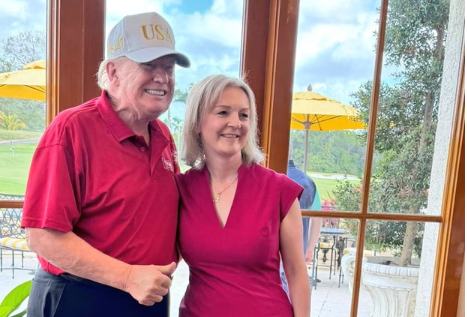
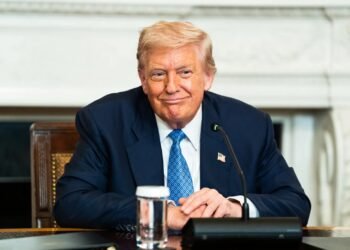
The Truss Trump meeting has ignited debate across Britain and the United States this week. The encounter followed months of transatlantic networking by former prime minister Liz Truss, who has sought closer ties with the American conservative movement. A photograph shared on social media showed her standing beside Donald Trump at his private Florida estate, signalling a moment she appeared eager to secure. Within hours, the image travelled widely online, prompting fresh questions about her political strategy and future ambitions.
The meeting took place at Mar-a-Lago, the long-time residence and private club owned by Trump in Palm Beach. Truss posted the image on X with a brief caption praising the former president, describing him as “right about everything.” The phrase immediately drew attention, both for its tone and its timing, as political tensions remain high on both sides of the Atlantic. Trump himself did not reference the meeting on his own social media platforms, where he instead promoted a documentary connected to his wife, Melania Trump.
It remains unclear how long the Truss Trump meeting lasted or who initiated it. No formal readout was issued by either camp. There was no indication of an official policy discussion, and neither side confirmed whether advisers were present. Political observers noted that the absence of detail has fuelled speculation about the purpose of the encounter. Some view it as symbolic positioning, rather than substantive diplomacy.

Truss has increasingly aligned herself with the populist wing of conservative politics since leaving Downing Street. Her premiership lasted only 49 days, making her the shortest-serving prime minister in modern British history. She later lost her parliamentary seat in the 2024 general election, marking a dramatic fall from power. Since then, she has attempted to reshape her public profile through speeches, international networking and the launch of a podcast.
In recent years, she has spoken at the Conservative Political Action Conference, widely known as CPAC, in Maryland. The annual gathering has evolved from a mainstream conservative forum into a platform strongly associated with Trump’s political brand. At one event, Truss described Britain as “failing,” arguing that the country needed sweeping economic reform. Her remarks were warmly received by some American conservatives but criticised by several figures within her own former party.
The Truss Trump meeting therefore represents more than a simple photo opportunity. It signals her continued effort to cultivate influence within the Maga movement. Political analysts suggest that Truss sees alignment with Trump as a way to maintain relevance, despite her marginal status in domestic politics. Critics argue that such positioning risks deepening divisions within the British Conservative tradition.
At home, Truss has also sought to build new networks of support. Reports indicate that she has been working to establish a private members’ club in London. The proposed venue, called The Leconfield, has been linked to property investor Robert Tchenguiz. Founding membership has reportedly been priced at £500,000, a figure that has drawn public attention. Supporters say the club aims to foster debate and entrepreneurial energy. Detractors describe it as an exclusive retreat disconnected from everyday concerns.
Meanwhile, the wider British political landscape remains fluid. The Conservative Party continues to reassess its identity after electoral defeat. Some members advocate a return to centrist pragmatism. Others argue that a sharper ideological edge is necessary to regain lost voters. Against this backdrop, the optics of the Truss Trump meeting carry symbolic weight. For some, it reflects ideological clarity. For others, it underscores lingering fractures.
In the United States, Trump remains a dominant figure within Republican politics. His influence over party activists remains strong, particularly among those who attend CPAC. The Florida setting of the Truss Trump meeting reinforced the sense of a shared populist narrative. Yet there was no immediate policy announcement or joint initiative to follow the encounter. The moment appeared largely performative, shaped for digital circulation rather than formal diplomacy.
Public reaction has been divided. Supporters of Truss praised her willingness to engage internationally and to defend her economic philosophy. They argue that global conservative cooperation strengthens shared principles of low taxation and deregulation. Critics, however, questioned the value of aligning so closely with a polarising American figure. Some suggested that the image could complicate efforts to rebuild moderate credibility at home.

The timing of the Truss Trump meeting also matters. Britain faces ongoing economic pressures and debates over fiscal responsibility. Truss’s brief tenure in office was overshadowed by market turmoil following her government’s mini-budget. Although she continues to defend those policies, many economists maintain that investor confidence was shaken. Her renewed visibility through international alliances inevitably revives memories of that period.
Observers note that modern political influence often depends on narrative rather than office. In that sense, the carefully framed image from Florida achieved its objective. It placed Truss back into headlines and reconnected her name with a global conservative audience. Whether that attention translates into lasting impact remains uncertain.
As British politics evolves, figures outside formal leadership can still shape debate. The Truss Trump meeting may not alter immediate policy direction, yet it contributes to an ongoing conversation about ideology and identity. It also highlights the enduring appeal of transatlantic alliances among certain conservative circles.
For now, the photograph stands as a visual statement rather than a diplomatic milestone. It captures a moment of mutual recognition between two controversial political figures navigating life after executive power. The coming months will reveal whether this encounter signals a deeper collaboration or simply marks another chapter in Truss’s search for renewed relevance.
Related News:
 British Woman in Iran ‘Losing Hope’ Amid Ongoing Detention
 BBC Journalist Held and Interrogated in Vietnam
 UK University Suspends Human Rights Research Following Pressure from China
 UK University Faces Counter-Terror Probe Over China Pressure
 Abigail Spanberger Elected Virginia’s First Female Governor
 Mikie Sherrill Elected New Jersey’s Governor in Key Win
China-critical UK academics face ‘extremely heavy’ pressure from Beijing
Mikie Sherrill Elected New Jersey’s Governor in Key Win
China-critical UK academics face ‘extremely heavy’ pressure from Beijing
 British military receives first Ajax armoured vehicles – eight years late
 BBC to Apologise Over Edited Trump Speech Amid Backlash
 Britain deploys RAF specialists to assist Belgium with drone threats
 BBC director-general and news chief resign amid bias row
 Ukraine-Russia war latest: Putin’s troops exploit bad weather to force Kyiv withdrawal from multiple towns
 Trump Claims Victory as Longest Shutdown Ends
 Hamas Fighters in Gaza Tunnels Stall Ceasefire Progress
 US Justice Department Files Lawsuit Against California Over Partisan Voting Maps
 South Sudan President Removes Vice-President Amid Political Uncertainty
 Greene Pushes Epstein Files Amid Trump Fallout
 Trump Deploys DHS to Charlotte in Major Arrest Operation
 December Run-Off in Chile as Election Produces No Winner
 Canada Passes Carney’s First Budget in Tight Parliamentary Vote
 Why Russian Liberals Push Strongly Pro-Israel Narratives
 Congress Approves Release of Epstein Files, Trump Expected to Sign
 Shadow Fleet at Sea: Europe’s Battle Against Illicit Oil Shipping
 Rama Rebukes Mahmood for Targeting Albanian Families
 Russian Vessel Used Lasers on RAF Pilots, UK Claims
 Pentagon Officials in Ukraine to Discuss War End
 US Military Team Visits Kyiv Amid War Talks
 WhatsApp Messages Expose Nathan Gill’s Bribery
 Venezuela Threatens Nobel Winner Machado with Fugitive Status
 Texas Governor Faces Lawsuit From CAIR
 Trump Envoy to Discuss Ukraine Peace at Kremlin
 Pope Leo XIV Begins Historic Trip to Turkey and Lebanon
 Zambia’s President Faces Stone-Throwing Anger Amid Challenges
 Georgians Defy Government Crackdown After Year of Protests
 India’s Labour Law Overhaul Sparks Fierce Debate
 Video shows Israeli troops kill Palestinians after surrender
 Trump to Recheck Green Cards from 19 Nations After DC Attack
 Chinese & Japanese Boats Clash Near Disputed Islands
 Putin Meets US Envoy Amid Key Ukraine Peace Talks
 EU plans $105bn Ukraine aid using frozen Russian assets
 Global campaign launched to free Palestinian leader Barghouti
 UK Aid Cuts Could Undermine Global Influence, Experts Warn
 Thailand and Cambodia Agree Ceasefire After Weeks of Deadly Clashes
 Russia losses Ukraine war peace talks intensify amid rising deaths
 Zelenskyy Accuses Russia of Sabotaging Peace Talks
 Trump ‘Not Worried’ as China Conducts Massive Taiwan Wargame
 Khaleda Zia Laid to Rest with State Honour in Dhaka
 Maduro Faces Court in New York Over Drugs and Weapons Case
 Albanese Opens Door to Bondi Royal Commission Amid Rising Pressure
 Shock US Raid: Maduro Pleads Not Guilty in Manhattan Court
 Trump Escalates Minnesota Immigration Surge Amid Rising Tensions
 Venezuela Frees Political Prisoners in Major Peace Move
 Iran Protesters Defy Crackdown as Violent Clashes Intensify
 Iran Leader Blames Protesters, Says They Serve Trump
 Trump Eyes Strong Military Options Amid Iran Protest Crackdown
 Trump Threatens Strong Action If Iran Executes Protesters
 Trump Policies Boost China’s Global Rise, Survey Finds
 Machado Trump medal gesture reshapes Venezuela power struggle
 Trump Receives Machado’s Nobel Medal in White House Meeting
 EU weighs response amid Greenland tariff crisis with Trump
 US Considers Asylum for British Jews Amid Rising Antisemitism
 ICE street raids expose a chilling future for public freedoms
 US Africa aid remarks spark anger after leaked State email
 Trump Launches “Board of Peace” Amid Global Diplomacy Push
 EU Says US Ties Have Suffered ‘Big Blow’ After Greenland Crisis
 Andrew Hastie Emerges as Leadership Rival to Ley
 Russia Strikes Kyiv and Kharkiv as Peace Talks Enter Day Two
 Pentagon Signals Reduced Role in Deterring North Korea
 Starmer China visit underscores clear-eyed national security stance
 Starmer China visit raises human rights pressure on Beijing
 Israel Moves to Bar MSF From Gaza Operations
 Mandelson resignation shakes Labour over Epstein row
 Cory Bernardi joins One Nation for SA election
 Saif al-Islam Gaddafi Reportedly Killed in Libya Shooting
 Trump Praises ‘Terrific’ Petro After White House Talks
 Sydney Protest Escalates and Elderly Woman Suffers Severe Injury
 Tarique Rahman’s Rise Toward Bangladesh’s Top Job
 Glass Cliff Debate After Ley’s Ouster
 Japan Seizes Chinese Boat Amid Rising Tensions
 Sydney Protest Clash Triggers Police Probe