Published: 16 February 2026. The English Chronicle Desk. The English Chronicle Online.
The Nepean byelection has ignited fierce debate within Victoria’s Liberal Party. The contest follows the sudden resignation of former deputy state leader Sam Groth, whose early departure has unsettled local members. Now the Nepean byelection threatens to deepen internal divisions, as the party’s state executive moves to sideline branch members from choosing his successor. The unfolding dispute has drawn attention across the Mornington Peninsula, where political loyalties run deep and community representation carries strong expectations.
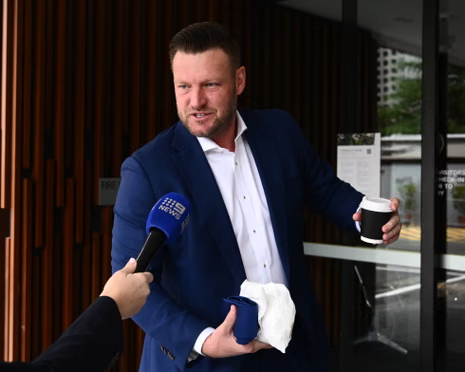
Groth, once known nationally for his career as a professional tennis player, had initially intended to leave parliament at the November state election. Instead, he stepped down last week, bringing forward his departure and triggering the Nepean byelection. The formal date is expected to be confirmed shortly by the Victorian parliament’s speaker, Maree Edwards. The accelerated timeline has compressed party processes and fuelled claims that grassroots members are being overlooked.
At the centre of the controversy stands Mornington Peninsula mayor Anthony Marsh. Marsh joined the Liberal Party on 10 February and received special dispensation from the state executive two days later. That approval allowed him to seek preselection despite the party’s usual requirement of twelve months membership. His rapid endorsement has prompted both praise and criticism, with supporters highlighting his local profile and detractors questioning the integrity of internal procedures.

Under normal circumstances, branch members would vote in a plebiscite to select their preferred candidate. However, in this instance, the decision will rest with the eighteen members of the state executive and six representatives from the Nepean local executive. Senior party figures argue that time constraints make a full ballot impractical. Organising a plebiscite could take several weeks, and rivals are already campaigning across the electorate.
Marsh has defended his candidacy by emphasising longstanding community ties. He attended school in the region, built a business serving local clients, and has served in municipal government before becoming mayor. In public remarks, he described his decision as guided by a sense of service and encouragement from residents seeking strong local representation. Supporters also point to his commanding performance in the 2024 local government elections, where he secured more than seventy percent of first preference votes in his ward.
Yet the reaction among branch members has been far from unanimous. Several local Liberals privately describe the process as a repeat of earlier missteps. They argue that bypassing rank and file participation risks alienating volunteers who form the backbone of campaign efforts. Comparisons have been drawn to Groth’s own entry into politics, when he too received special consideration despite limited party history. Critics fear the Nepean byelection may become a symbol of unresolved tensions within the party’s organisational structure.
Financial concerns add another layer of frustration. Some members estimate that the Nepean byelection could cost the Liberal Party between three hundred thousand and five hundred thousand pounds equivalent in campaign expenditure. The broader public cost to taxpayers is projected to reach approximately two million Australian dollars. For a seat regarded as relatively secure, these figures sharpen questions about the timing of Groth’s resignation and the necessity of an early poll.
Despite internal discord, the electoral landscape remains competitive. Nepean carries a margin of 6.4 percent in favour of the Liberals, traditionally classifying it as a safe seat. However, shifting political currents across Victoria have challenged long held assumptions. One Nation has confirmed it will field a candidate, aiming to capture conservative discontent. Community based independents are also exploring potential contenders, reflecting the growing appetite for alternatives outside major party structures.
Labor is not expected to contest the Nepean byelection, continuing a longstanding strategy of abstaining from byelections in seats it does not hold. This absence could simplify calculations for Liberal strategists, yet it also narrows the contest to ideological rivals and local independents. Analysts suggest that turnout and campaign intensity may therefore play decisive roles.
The unfolding dispute presents an early leadership test for Jess Wilson, who assumed the Liberal leadership after a successful internal challenge against Brad Battin last November. Wilson pledged to unify the party and restore discipline after months of factional disagreement. The Nepean byelection now places that promise under scrutiny, as members assess whether centralised decision making promotes cohesion or fuels resentment.
Observers note that preselection battles often reveal deeper ideological and generational divides. In Nepean, some members advocate for experienced local figures with longstanding party service. Others favour candidates capable of appealing to centrist voters and countering the rise of teal style independents. Marsh’s supporters describe him as a pragmatic centre right leader with electoral credibility. Opponents question whether rapid endorsement undermines transparency.

Beyond party headquarters, residents of the Mornington Peninsula express mixed sentiments. Many voters prioritise local infrastructure, environmental management, and small business support over internal party processes. Yet public perception of fairness can influence trust. If the Nepean byelection becomes associated with factional manoeuvring, analysts warn that even a safe margin could narrow.
Political historians draw parallels with previous Victorian byelections that reshaped leadership narratives. Early polls following unexpected resignations have sometimes delivered protest votes or reduced margins. While there is no clear sign of an impending upset, complacency carries risk in a changing electoral environment.
As campaigning intensifies, attention will focus on whether party unity can be restored before ballots are cast. The state executive’s final endorsement, expected on 24 February, will formalise the Liberal candidate. Once confirmed, resources will shift fully toward voter engagement and countering rival messaging.
For now, the Nepean byelection stands as more than a routine electoral event. It encapsulates questions about internal democracy, leadership authority, and strategic direction within a major political party. Whether the episode strengthens or strains Liberal cohesion will become clearer when voters deliver their verdict.
Related News:
 British Woman in Iran ‘Losing Hope’ Amid Ongoing Detention
 BBC Journalist Held and Interrogated in Vietnam
 Green Party Surges Past Labour in Latest UK Poll
 Celebrities and Charities Demand UK Government Act on Child Poverty
 Trump’s UK Ambassador Urges North Sea Drilling to Strengthen US Ties
 FBI Director Kash Patel Defends Girlfriend Amid Government Jet Claims
 French Taxi Driver Cleared in David Lammy Theft Case After Fare Dispute
 Rachel Reeves Set to Break Labour Pledge and Raise Income Tax
 MPs Press Rachel Reeves to Hike Gambling Taxes
 Boris Johnson accused of undermining BBC leadership
 ‘Reckless’ cuts to victims’ services will cost more than they save
 Millionaires group urge Reeves to introduce wealth tax to ‘lift kids out of poverty’
 Starmer Faces Growing Dissent as Labour MPs Weigh Leadership Challenge
 Reeves rejects £1bn plea for NHS redundancy payouts
 Farage appointee to lead Reform youth accused of anti-British views
 Politics latest: Starmer ‘will fight any leadership coup’ as Streeting denies attempt to oust Labour PM
 PM Condemns Leaks, Vows Loyalty to Ministers and Stability
 Major Rent Reform Ends No-Fault Evictions in England
 Peers Flood Assisted Dying Bill with 942 Amendments
 England’s Special Needs Support Faces Breaking Point
 MoD warned over Excel risks before Afghan data breach
 UK Asylum Overhaul Sparks Debate Over Human Rights and Deportations
 UK Asylum Reforms: Temporary Refugee Status and Faster Deportations
 UK Candidate Moved to Safe House After Election Threats
 Mahmood Defends Tough Overhaul of UK Asylum System
 UK Warns China After MI5 Issues Espionage Alert
 Westminster Advances Legacy Bill Amid Criticism
 UK Vulnerable to Attack, Defence Committee Finds
 Labour Faces Historic Decline in Wales
 Rama Rebukes Mahmood for Targeting Albanian Families
 PM Highlights UK Business at G20 in South Africa
 Kate Forbes: Motherhood Harder Than Politics
 Welsh Government Christmas 2020 Lockdown Criticised
 Most Tories Expect to Support a Farage-Led Government
 Labour MP claims devolution bill is ‘blatant discrimination’ against Cornwall
 Millions Face Higher Taxes Under Reeves New Budget
 Peers Get Extra Time to Debate Assisted Dying Bill
 Planned Palestinian Flag Raising at Belfast City Hall Faces Delay Amid Legal Concerns
 Government righting decades-old injustice for miners
 Starmer Says Labour’s Economic Plan Needs Years to Deliver
 UK delays ruling on China embassy plan until January
 Culture secretary to review Telegraph takeover by Daily Mail owner
 Andy Burnham Apologises for Past LGBTQ+ Police Discrimination
 Reeves Slams Farage Over Two-Child Benefit Cap Opposition
 Plans to Limit Jury Trials Face Retreat After Mounting Opposition
 Jenrick Reform defection deepens Tory civil war
 China Dependence Threatens UK Energy Supply Chains and Jobs
 Right Must Unite After Jenrick Defection, Urges Rees-Mogg
 UK Ministers Drop Foreign Student Targets for Global Education Push
 MPs warn AI financial risks threaten UK stability
 MPs warn AI financial risks threaten UK stability
 No Gas Boiler Ban as UK Warm Homes Plan Backs Heat Pumps
 Hugh Grant Joins Call for Under-16 Social Media Ban in UK
 Shinzo Abe’s killer receives life sentence in Japan
 US Africa aid remarks spark anger after leaked State email
 Lords Vote Piles Pressure on Starmer Over Social Media Ban
 Planned Troubles Board Game Sparks Outrage in Northern Ireland
 Reform UK Health Plan ‘Would Cost £1.7bn’, Streeting Says
 Police response times face strict new national limits
 Labour policing overhaul sparks fears over growing central control
 Tories criticised after Braverman defection sparks mental health row
 Burnham Westminster return hopes fade amid Labour rift
 Starmer warns of toxic division politics in Reform challenge
 Starmer China visit raises human rights pressure on Beijing
 Labour Must Revive High Streets to Avoid Election Collapse
 Conservative Party Rejects Centrism Under Badenoch’s Leadership
 Calls Grow for King Charles to Apologise for Crown’s Role in Slavery
 Starmer Signals UK Return to EU Defence Pact Talks
 Starmer crisis deepens as Labour MPs turn on PM
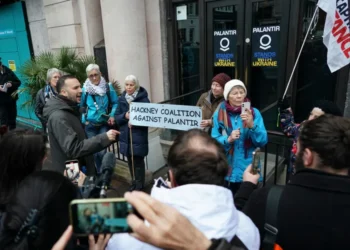 Palantir contracts face UK halt calls over transparency
 Barclays drops Global Counsel after Mandelson link scrutiny
 Labour Thinktank Row Deepens Over Journalist Probe Claims
 Morgan McSweeney downfall shocks Labour leadership
 Sarwar call shakes Labour as No 10 calms fears
 Starmer Aide Loses Lords Role in Doyle Whip Row
 Labour Lord Doyle Apologises Over Paedophile Ties in Political Storm
 Palestine Action Verdict Sparks Debate on Activist Tactics
 Cabinet Secretary Shake-Up Triggers Due Diligence Warning
 Starmer Faces Inquiry Calls Over Thinktank Probe
 Arrested Retirees Vindicated by Palestine Action Ruling