Published: 16 February 2026. The English Chronicle Desk. The English Chronicle Online.
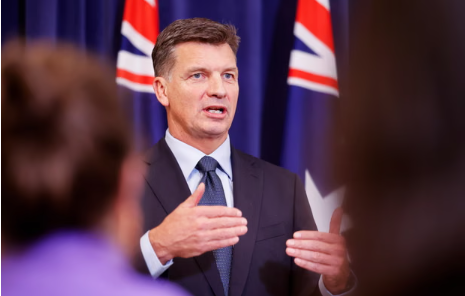
The Liberal reshuffle has begun to take shape as the federal opposition recalibrates its direction under new leadership. Within days of securing the top position, Angus Taylor has moved swiftly to consolidate authority and redefine the parliamentary team. The Liberal reshuffle signals a decisive ideological pivot, with conservatives expected to gain prominence while several allies of former leader Sussan Ley face demotion. The developments have stirred anticipation across Canberra, where MPs are bracing for a reconfigured frontbench that could reshape the party’s electoral strategy.
Taylor’s elevation followed an internal contest that many described as both swift and conclusive. Having secured party room backing, he now appears determined to reward supporters and restore figures sidelined during Ley’s tenure. Liberal insiders suggest the Liberal reshuffle is designed to project clarity and conviction after months of factional tension. The message from Taylor’s camp is unmistakable. The party intends to sharpen its identity and reassert its conservative credentials before the next federal election.
Several senior figures aligned with Ley are reportedly poised to lose frontbench roles. Among them are Alex Hawke, Anne Ruston, Andrew Wallace and Paul Scarr, all of whom played visible parts during the previous leadership period. Their anticipated demotion underscores the scale of the Liberal reshuffle and highlights the shifting balance of influence within the party room. Ruston, currently the deputy leader in the Senate, is viewed as the most senior moderate affected. While no formal announcement has been made, multiple sources confirm that changes are imminent.

At the same time, prominent conservatives are expected to return to shadow cabinet. Andrew Hastie and Jacinta Nampijinpa Price are widely tipped for reinstatement after months on the backbench. Speaking to Sydney radio station 2GB, Taylor described both figures as extraordinary individuals whose contributions would strengthen the opposition. Price, in a podcast interview with Karl Stefanovic, expressed confidence about her return and stood firm on earlier controversial remarks regarding Indian migration. Her comments had led to dismissal under Ley’s leadership, yet her re-emergence illustrates the altered priorities guiding the Liberal reshuffle.
Hastie’s anticipated appointment is particularly significant. The former soldier has long sought an economic portfolio to broaden his policy profile beyond defence and national security. Under both Ley and Peter Dutton, such opportunities remained out of reach. Now, industry, small business or energy are being discussed as potential assignments. Party colleagues argue that elevating Hastie will demonstrate generational renewal while reinforcing conservative policy themes. This approach reflects Taylor’s declared intention to reconnect with voters drifting toward minor right-wing parties.
Central to the evolving Liberal reshuffle is a renewed emphasis on immigration policy. Immediately after winning the leadership ballot, Taylor pledged to halt what he termed bad immigration practices. He signalled that border settings and migration levels would become central pillars of opposition strategy. Observers note that Ley herself had been preparing to unveil stricter proposals before her removal, including restrictions on migration from areas controlled by listed terrorist organisations. However, Taylor’s rhetoric suggests a broader repositioning designed to consolidate conservative support.
Within the moderate faction, reactions have been measured yet cautious. Andrew Bragg and Tim Wilson are expected to retain shadow cabinet positions, maintaining a foothold for centrist voices. Wilson has been mentioned as a contender for the shadow treasurer role, a prospect that has drawn praise from colleagues. Jane Hume, despite her moderate credentials, will automatically return to the frontbench after winning the deputy leadership against Ted O’Brien. Her reinstatement provides a reminder that the Liberal reshuffle is not solely ideological but also structural.
Behind the scenes, further promotions may reward MPs who backed Taylor’s campaign. Tony Pasin and Matt O’Sullivan have been cited as potential beneficiaries, while Simon Kennedy and Aaron Violi are viewed as emerging talents who could symbolise generational change. Sarah Henderson is reportedly pushing for a renewed role in shadow cabinet, seeking to re-establish influence after a period outside senior ranks. Each decision will signal how far Taylor intends to tilt the balance between experience and renewal.
The most delicate calculations concern those closely associated with Ley. Hawke, regarded as a key organiser within the centre-right faction, faces uncertainty about his future responsibilities. Melissa Price, Scott Buchholz and Jason Wood are also mentioned as possible casualties. Such outcomes would reinforce perceptions that the Liberal reshuffle marks a decisive break from the immediate past. Yet party strategists insist the process aims to strengthen cohesion rather than deepen division.
Organisational changes are unfolding alongside personnel shifts. Sam Riordan, who previously served under Peter Dutton, is widely expected to assume the role of chief of staff in the opposition leader’s office. Three separate sources confirm discussions are advanced. Meanwhile, Ley’s outgoing chief of staff, Dean Shachar, issued a farewell message on LinkedIn expressing support for a smooth transition. His remarks underscored the professional tone accompanying an otherwise significant political realignment.
For Taylor, the stakes are substantial. Opinion polls indicate that conservative voters have drifted toward alternatives such as Pauline Hanson’s One Nation. Reclaiming that constituency requires clarity of message and credible advocates. By restoring figures like Hastie and Price, Taylor appears intent on articulating sharper distinctions with the Labor government. The Liberal reshuffle therefore serves both symbolic and practical purposes, projecting unity while preparing the opposition for sustained policy confrontation.

Political analysts suggest the coming weeks will reveal how effectively the new team operates. Parliamentary performance, media engagement and internal discipline will test whether the ideological recalibration resonates beyond the party base. Some moderates privately caution against narrowing the party’s appeal too sharply, warning that electoral success often depends on centrist swing voters. Others argue that firm principles, clearly communicated, offer a stronger foundation for rebuilding trust.
As the announcement of the shadow ministry approaches, anticipation continues to build. Canberra’s corridors buzz with speculation about portfolios and alliances. Yet beneath the manoeuvring lies a broader question about the Liberal Party’s identity in a changing political landscape. Taylor’s leadership arrives at a moment of strategic uncertainty, where clarity and cohesion are essential. The Liberal reshuffle represents his first substantial act as opposition leader and sets the tone for the months ahead.
Whether the recalibrated frontbench will deliver renewed electoral momentum remains to be seen. What is certain is that the party has embarked on a period of transformation. Through calculated promotions and demotions, Taylor is crafting a team that reflects his priorities and ideological commitments. In doing so, he signals that the opposition intends to challenge the government with sharper rhetoric and firmer policy contrasts. The consequences of this shift will unfold in parliament and across the electorate as the next election cycle draws nearer.
Related News:
 British Woman in Iran ‘Losing Hope’ Amid Ongoing Detention
 BBC Journalist Held and Interrogated in Vietnam
 Green Party Surges Past Labour in Latest UK Poll
 Celebrities and Charities Demand UK Government Act on Child Poverty
 Trump’s UK Ambassador Urges North Sea Drilling to Strengthen US Ties
 FBI Director Kash Patel Defends Girlfriend Amid Government Jet Claims
 French Taxi Driver Cleared in David Lammy Theft Case After Fare Dispute
 MPs Press Rachel Reeves to Hike Gambling Taxes
 Boris Johnson accused of undermining BBC leadership
 ‘Reckless’ cuts to victims’ services will cost more than they save
 Millionaires group urge Reeves to introduce wealth tax to ‘lift kids out of poverty’
 Starmer Faces Growing Dissent as Labour MPs Weigh Leadership Challenge
 Reeves rejects £1bn plea for NHS redundancy payouts
 Farage appointee to lead Reform youth accused of anti-British views
 Politics latest: Starmer ‘will fight any leadership coup’ as Streeting denies attempt to oust Labour PM
 PM Condemns Leaks, Vows Loyalty to Ministers and Stability
 Major Rent Reform Ends No-Fault Evictions in England
 Peers Flood Assisted Dying Bill with 942 Amendments
 England’s Special Needs Support Faces Breaking Point
 MoD warned over Excel risks before Afghan data breach
 UK Asylum Overhaul Sparks Debate Over Human Rights and Deportations
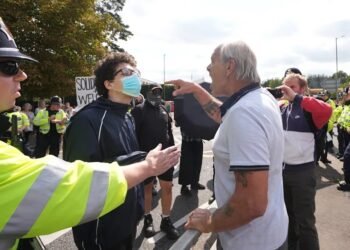 UK Asylum Reforms: Temporary Refugee Status and Faster Deportations
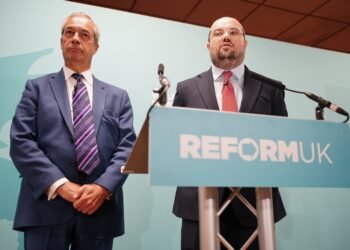 UK Candidate Moved to Safe House After Election Threats
 Mahmood Defends Tough Overhaul of UK Asylum System
 UK Warns China After MI5 Issues Espionage Alert
 Westminster Advances Legacy Bill Amid Criticism
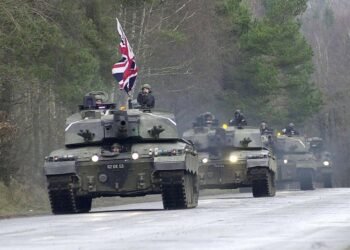 UK Vulnerable to Attack, Defence Committee Finds
 Labour Faces Historic Decline in Wales
 Rama Rebukes Mahmood for Targeting Albanian Families
 PM Highlights UK Business at G20 in South Africa
 Kate Forbes: Motherhood Harder Than Politics
 Welsh Government Christmas 2020 Lockdown Criticised
 Most Tories Expect to Support a Farage-Led Government
 Labour MP claims devolution bill is ‘blatant discrimination’ against Cornwall
 Millions Face Higher Taxes Under Reeves New Budget
 Peers Get Extra Time to Debate Assisted Dying Bill
 Planned Palestinian Flag Raising at Belfast City Hall Faces Delay Amid Legal Concerns
 Government righting decades-old injustice for miners
 Starmer Says Labour’s Economic Plan Needs Years to Deliver
 UK delays ruling on China embassy plan until January
 Culture secretary to review Telegraph takeover by Daily Mail owner
 Andy Burnham Apologises for Past LGBTQ+ Police Discrimination
 Reeves Slams Farage Over Two-Child Benefit Cap Opposition
 Mandelson Refuses Apology Over Epstein Ties
 Plans to Limit Jury Trials Face Retreat After Mounting Opposition
 Jenrick Reform defection deepens Tory civil war
 China Dependence Threatens UK Energy Supply Chains and Jobs
 Right Must Unite After Jenrick Defection, Urges Rees-Mogg
 Romford MP Andrew Rosindell defects to Reform UK
 UK Ministers Drop Foreign Student Targets for Global Education Push
 MPs warn AI financial risks threaten UK stability
 MPs warn AI financial risks threaten UK stability
 No Gas Boiler Ban as UK Warm Homes Plan Backs Heat Pumps
 Hugh Grant Joins Call for Under-16 Social Media Ban in UK
 Shinzo Abe’s killer receives life sentence in Japan
 US Africa aid remarks spark anger after leaked State email
 Lords Vote Piles Pressure on Starmer Over Social Media Ban
 Judge-only trials plan fails to ease court backlog
 Planned Troubles Board Game Sparks Outrage in Northern Ireland
 Reform UK Health Plan ‘Would Cost £1.7bn’, Streeting Says
 Police response times face strict new national limits
 Labour policing overhaul sparks fears over growing central control
 Tories criticised after Braverman defection sparks mental health row
 Burnham Westminster return hopes fade amid Labour rift
 Starmer warns of toxic division politics in Reform challenge
 Starmer China visit raises human rights pressure on Beijing
 Labour Must Revive High Streets to Avoid Election Collapse
 Conservative Party Rejects Centrism Under Badenoch’s Leadership
 Calls Grow for King Charles to Apologise for Crown’s Role in Slavery
 Starmer Signals UK Return to EU Defence Pact Talks
 Starmer crisis deepens as Labour MPs turn on PM
 Palantir contracts face UK halt calls over transparency
 Labour Thinktank Row Deepens Over Journalist Probe Claims
 Morgan McSweeney downfall shocks Labour leadership
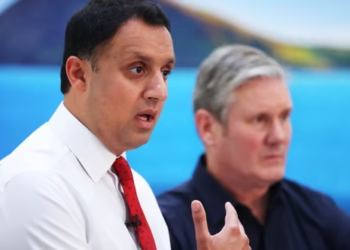 Sarwar call shakes Labour as No 10 calms fears
 Starmer Aide Loses Lords Role in Doyle Whip Row
 Labour Lord Doyle Apologises Over Paedophile Ties in Political Storm
 Palestine Action Verdict Sparks Debate on Activist Tactics
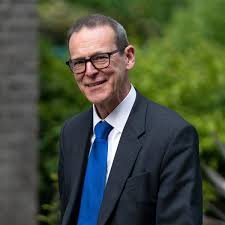 Cabinet Secretary Shake-Up Triggers Due Diligence Warning
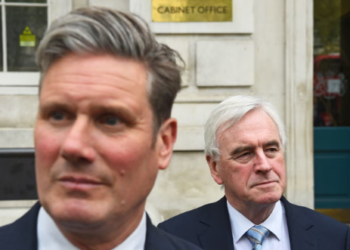 Starmer Faces Inquiry Calls Over Thinktank Probe