Published: 16 February 2026. The English Chronicle Desk. The English Chronicle Online.
A fierce political debate has erupted after details of the controversial Gaza ban proposal emerged from within the federal opposition. The leaked document, drafted before the recent Liberal leadership change, outlined plans to prohibit migrants from specific regions across thirteen countries. Among the most sensitive inclusions were Gaza, Afghanistan and Somalia, sparking alarm within party ranks and across the broader political landscape.
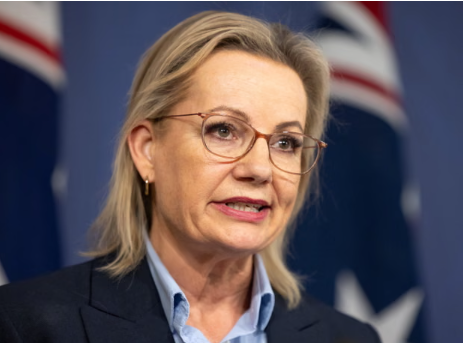
The Gaza ban proposal was reportedly developed under the former leadership of Sussan Ley before she was removed as Liberal leader. According to sources familiar with internal discussions, the plan identified thirty-seven regions where listed terrorist organisations were believed to exercise territorial control. These areas spanned parts of Afghanistan, Algeria, Cameroon, Egypt, Lebanon, Libya, Mali, Niger, Nigeria, Palestine, the Philippines, Somalia and Yemen.
Senior Liberal figures have since distanced themselves from the plan. Angus Taylor, who replaced Ley as opposition leader, stated publicly that he had neither seen nor endorsed the proposal. Speaking to national media, he insisted the document had not reached shadow cabinet and carried no formal status. His comments signalled a clear attempt to contain the fallout and stabilise the party following a turbulent leadership transition.
The shadow immigration minister until Friday, Paul Scarr, expressed strong reservations once the details became public. He said he never agreed to any such measure and maintained serious concerns about imposing a regional ban. Insiders indicated that Scarr had privately raised objections when the idea first circulated, reflecting unease among moderate factions of the party.

The proposed restrictions would not only target new arrivals from designated regions but also accelerate the removal of up to one hundred thousand asylum seekers and international students. Visa holders facing refusal or cancellation could have their appeal rights curtailed, while pathways to alternative visas might be blocked. These measures formed part of a broader strategy aimed at tightening immigration settings and reshaping migration flows.
The timing of the policy’s intended release has also drawn scrutiny. Ley had planned to unveil the package in December, but the announcement was postponed following the Bondi terror attack. A revised launch date of 16 February had been pencilled in, with plans to use the week to intensify pressure on the government over border security. However, Ley’s leadership defeat interrupted those plans, leaving the document unpublished until it surfaced through leaks.
Central to the Gaza ban proposal was a principle of enhanced vetting for visa applicants. Draft provisions suggested that social media activity and public commentary could be examined to identify extremist sympathies. Supporters argued such checks would safeguard democratic values and prevent individuals with violent ideologies from entering Australia. Critics warned that sweeping scrutiny risked undermining privacy and civil liberties while fuelling perceptions of collective suspicion.
As of 31 January, official figures showed more than fifty thousand appeals lodged with the Administrative Review Tribunal concerning study visa decisions. In addition, over forty-eight thousand rejected asylum seekers were challenging visa refusals through the same body. The tribunal reported that half of protection visa reviews finalised in the latter half of 2025 concluded within three years and six months, while ninety-five per cent were resolved within five years and five months. These lengthy timelines have intensified debate about efficiency and fairness within the migration system.
Taylor has positioned migration as a defining issue of his leadership. In his first address after assuming the role, he argued that intake numbers had been too high and standards too low. He stressed that individuals unwilling to uphold democratic principles and the rule of law posed an unacceptable risk. Yet he also suggested that shutting doors entirely was not necessarily the answer, emphasising the importance of careful assessment rather than blanket exclusion.
Within the Liberal Party, expectations are growing that Taylor will recalibrate rather than abandon the core themes behind the Gaza ban proposal. One senior MP predicted the rhetoric would become firmer, though perhaps framed in broader security language. The party had already considered reducing permanent migration, student visas and net overseas migration. Internal discussions reportedly examined a range between 160,000 and 220,000, compared with the government’s projected 260,000 net overseas migration figure for the current financial year.
The government’s permanent migration program for 2025-26 stands at 185,000 places, marking a significant decline from post-pandemic peaks. Officials have argued that calibrated migration supports economic growth and offsets demographic ageing. Researchers commissioned by the immigration department have attempted to estimate levels that would optimise GDP per capita growth while maintaining labour market stability. These findings formed part of the background context against which opposition figures debated their own targets.
Legal experts note that recent amendments to the Migration Act, introduced after the Bondi attack, already strengthened powers to refuse or cancel visas when individuals endorse hateful or violent statements. The leaked opposition document appeared to go further, proposing additional screening mechanisms and potential limitations on appeal rights. Human rights advocates have cautioned that expanding executive authority without proportional safeguards could erode procedural fairness.

Community leaders from affected regions have also voiced concern. They argue that targeting entire areas risks stigmatising innocent families fleeing conflict or persecution. Many emphasise that extremist organisations do not represent the vast majority of people living under their control. For them, the Gaza ban proposal symbolises a broader tension between national security priorities and humanitarian obligations.
Taylor is expected to announce a reshuffled shadow cabinet in the coming days. Moderate MP Tim Wilson is widely anticipated to take on the shadow treasurer role. Observers believe the composition of the new frontbench will indicate how firmly the party intends to pursue stricter migration controls. Whether the Gaza ban proposal survives in revised form may depend on internal negotiations and public reaction over the coming weeks.
The unfolding episode illustrates the delicate balance facing policymakers in an era of heightened security anxiety. Voters demand protection from violence, yet they also expect fairness and respect for democratic norms. The debate over the Gaza ban proposal has exposed divisions not only between government and opposition, but within the opposition itself. As Australia approaches the next election cycle, migration policy will remain a defining and contested battleground.
Related News:
 British Woman in Iran ‘Losing Hope’ Amid Ongoing Detention
 BBC Journalist Held and Interrogated in Vietnam
 UK University Suspends Human Rights Research Following Pressure from China
 UK University Faces Counter-Terror Probe Over China Pressure
 Abigail Spanberger Elected Virginia’s First Female Governor
 Mikie Sherrill Elected New Jersey’s Governor in Key Win
China-critical UK academics face ‘extremely heavy’ pressure from Beijing
Mikie Sherrill Elected New Jersey’s Governor in Key Win
China-critical UK academics face ‘extremely heavy’ pressure from Beijing
 British military receives first Ajax armoured vehicles – eight years late
 BBC to Apologise Over Edited Trump Speech Amid Backlash
 Britain deploys RAF specialists to assist Belgium with drone threats
 BBC director-general and news chief resign amid bias row
 Ukraine-Russia war latest: Putin’s troops exploit bad weather to force Kyiv withdrawal from multiple towns
 Trump Claims Victory as Longest Shutdown Ends
 Hamas Fighters in Gaza Tunnels Stall Ceasefire Progress
 US Justice Department Files Lawsuit Against California Over Partisan Voting Maps
 South Sudan President Removes Vice-President Amid Political Uncertainty
 Greene Pushes Epstein Files Amid Trump Fallout
 Trump Deploys DHS to Charlotte in Major Arrest Operation
 December Run-Off in Chile as Election Produces No Winner
 Canada Passes Carney’s First Budget in Tight Parliamentary Vote
 Why Russian Liberals Push Strongly Pro-Israel Narratives
 Congress Approves Release of Epstein Files, Trump Expected to Sign
 Shadow Fleet at Sea: Europe’s Battle Against Illicit Oil Shipping
 Rama Rebukes Mahmood for Targeting Albanian Families
 Russian Vessel Used Lasers on RAF Pilots, UK Claims
 Pentagon Officials in Ukraine to Discuss War End
 US Military Team Visits Kyiv Amid War Talks
 WhatsApp Messages Expose Nathan Gill’s Bribery
 Venezuela Threatens Nobel Winner Machado with Fugitive Status
 Texas Governor Faces Lawsuit From CAIR
 Trump Envoy to Discuss Ukraine Peace at Kremlin
 Pope Leo XIV Begins Historic Trip to Turkey and Lebanon
 Zambia’s President Faces Stone-Throwing Anger Amid Challenges
 Georgians Defy Government Crackdown After Year of Protests
 India’s Labour Law Overhaul Sparks Fierce Debate
 Video shows Israeli troops kill Palestinians after surrender
 Trump to Recheck Green Cards from 19 Nations After DC Attack
 Chinese & Japanese Boats Clash Near Disputed Islands
 Putin Meets US Envoy Amid Key Ukraine Peace Talks
 EU plans $105bn Ukraine aid using frozen Russian assets
 Global campaign launched to free Palestinian leader Barghouti
 UK Aid Cuts Could Undermine Global Influence, Experts Warn
 Thailand and Cambodia Agree Ceasefire After Weeks of Deadly Clashes
 Russia losses Ukraine war peace talks intensify amid rising deaths
 Zelenskyy Accuses Russia of Sabotaging Peace Talks
 Trump ‘Not Worried’ as China Conducts Massive Taiwan Wargame
 Khaleda Zia Laid to Rest with State Honour in Dhaka
 Maduro Faces Court in New York Over Drugs and Weapons Case
 Albanese Opens Door to Bondi Royal Commission Amid Rising Pressure
 Shock US Raid: Maduro Pleads Not Guilty in Manhattan Court
 Trump Escalates Minnesota Immigration Surge Amid Rising Tensions
 Venezuela Frees Political Prisoners in Major Peace Move
 Iran Protesters Defy Crackdown as Violent Clashes Intensify
 Iran Leader Blames Protesters, Says They Serve Trump
 Trump Eyes Strong Military Options Amid Iran Protest Crackdown
 Trump Threatens Strong Action If Iran Executes Protesters
 Trump Policies Boost China’s Global Rise, Survey Finds
 Machado Trump medal gesture reshapes Venezuela power struggle
 Trump Receives Machado’s Nobel Medal in White House Meeting
 EU weighs response amid Greenland tariff crisis with Trump
 US Considers Asylum for British Jews Amid Rising Antisemitism
 ICE street raids expose a chilling future for public freedoms
 US Africa aid remarks spark anger after leaked State email
 Trump Launches “Board of Peace” Amid Global Diplomacy Push
 EU Says US Ties Have Suffered ‘Big Blow’ After Greenland Crisis
 Andrew Hastie Emerges as Leadership Rival to Ley
 Russia Strikes Kyiv and Kharkiv as Peace Talks Enter Day Two
 Pentagon Signals Reduced Role in Deterring North Korea
 Starmer China visit underscores clear-eyed national security stance
 Starmer China visit raises human rights pressure on Beijing
 Israel Moves to Bar MSF From Gaza Operations
 Mandelson resignation shakes Labour over Epstein row
 Cory Bernardi joins One Nation for SA election
 Saif al-Islam Gaddafi Reportedly Killed in Libya Shooting
 Trump Praises ‘Terrific’ Petro After White House Talks
 Sydney Protest Escalates and Elderly Woman Suffers Severe Injury
 Tarique Rahman’s Rise Toward Bangladesh’s Top Job
 Glass Cliff Debate After Ley’s Ouster
 Japan Seizes Chinese Boat Amid Rising Tensions
 Sydney Protest Clash Triggers Police Probe