Published: 17 February 2025. The English Chronicle Desk. The English Chronicle Online
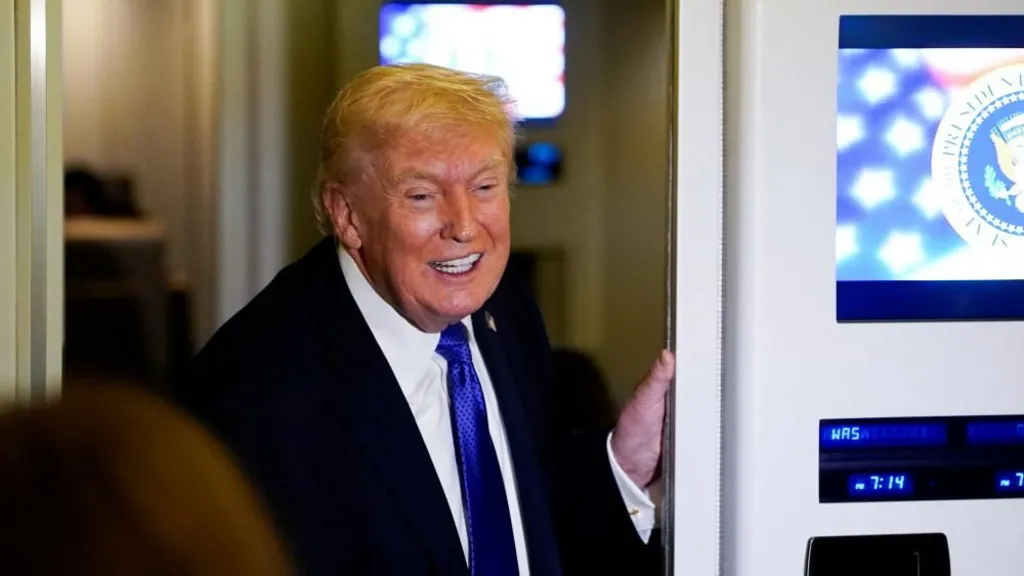
United States President Donald Trump has declared he will be “indirectly” involved in the second round of high-stakes nuclear negotiations with Iran, as diplomats prepare to meet in Geneva amid elevated tensions in the Middle East. The announcement comes ahead of talks this week that could shape the future of US-Iran relations and global non-proliferation efforts.
Speaking to reporters aboard Air Force One, Trump said that while he will not take a direct seat at the negotiating table, he expects to play a key role in shaping strategy and outcomes. “I’ll be involved in those talks, indirectly. And they’ll be very important,” he stated, emphasising the diplomatic push with a backdrop of ongoing military readiness.

The negotiations, set to resume in Switzerland, follow earlier rounds of indirect dialogue that reflected longstanding mistrust between Washington and Tehran over Iran’s nuclear programme. Trump described Iranian negotiators as tough — and said that past confrontations, including last summer’s US bombing of Iranian nuclear facilities, may motivate Tehran to seek a deal this time around.
While both sides frame the talks as an effort to reduce nuclear risk, the agenda remains complex. The US has repeatedly demanded that Iran curb aspects of its uranium enrichment programme — a central sticking point that stalled earlier negotiations — and hinted at expanding discussions to include Iran’s missile capabilities and regional behaviour. Tehran, for its part, insists its nuclear activities are peaceful and seeks sanctions relief in exchange for concessions.
The diplomatic push unfolds alongside an intensified US military posture in the Gulf, including the deployment of a second aircraft carrier group as a deterrent. Trump and senior advisers maintain that Washington prefers a negotiated settlement but are prepared for alternative measures should talks falter.

Analysts warn that reaching an agreement will be difficult. US officials, including Secretary of State Marco Rubio, have expressed cautious optimism but noted that Tehran’s refusal to give up enrichment entirely poses hurdles. Meanwhile, Iran’s delegation — described as comprehensive and technically focused — is also pushing back against conditions it sees as unacceptable without clear sanctions relief.
The outcome of this round in Geneva could have far-reaching implications, not only for bilateral relations but for regional security and the future of non-proliferation frameworks. As the talks approach, both sides are navigating a delicate balance of diplomacy and deterrence in a world that remains wary of renewed conflict.
Related News:
 Kinnock’s Rebuke Echoes Loudly as Corbyn Allies Launch Left-Wing Breakaway: “A Gift to Farage”
 UK and Norway Forge Stronger Ties Through Joint Sanctions and Enhanced Defence Cooperation
 Trump Administration Dismisses 17 Immigration Judges, Sparking Debate Over Judicial Independence
 Modi’s London Visit Seals Historic UK-India Trade Pact Amid Global Tensions
 UK Must Act with Courage and Clarity on Israel-Palestine Conflict, Says Foreign Affairs Committee Report
 Trump Threatens 100% Tariff on Nations Importing Russian Oil Amid India Standoff Over Ukraine War
 Netanyahu Announces Plan to Take Over Gaza City, Escalating Conflict Further
 Radioactive Leak at UK’s Nuclear Warhead Base Sparks Outcry Over Safety and Secrecy
 Lammy and Vance Meet in Britain to Advance US-Brokered Ukraine Peace Talks
 Mutual Inconvenience: Why Alaska Was Chosen for the Trump-Putin Summit on Ukraine
 Hong Kong Summons UK and Australian Envoys Following Asylum Grants to Democracy Activists
 Is the UK Ready to Put Boots on the Ground in Ukraine? Assessing Military Capacity and Challenges
 Ukraine-Russia War Latest: Trump Suggests Putin Avoiding Zelensky Summit Due to ‘Personal Dislike’
 Protests Expected as Israeli Arms Firms Join Global Defence Trade Fair in London
 Trump Appears Sidelined as Israel’s Unprecedented Strikes Hit Qatar
 Conservative Influencer Charlie Kirk Fatally Shot During University Debate
 Thousands Gather in London to Protest Donald Trump’s Second UK State Visit
Trump Urges UK to “Call Out the Military” to Secure Borders Amid State Visit
Thousands Gather in London to Protest Donald Trump’s Second UK State Visit
Trump Urges UK to “Call Out the Military” to Secure Borders Amid State Visit
 Channel Crossings Surge: Over 1,000 People Arrive in the UK in Small Boats in a Single Day
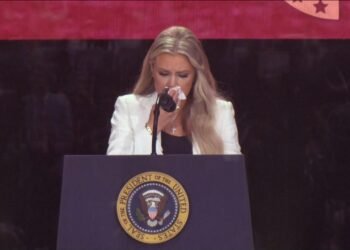 Widow of Charlie Kirk Forgives Killer at Emotional Memorial Service
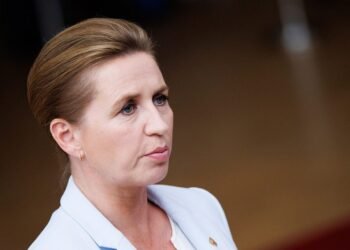 Denmark Investigates Professional Drone Incursions Across Multiple Airports, No Evidence of Russian Involvement
 UK Fighter Jet Purchase Could Breach Nuclear Treaty, Warns CND
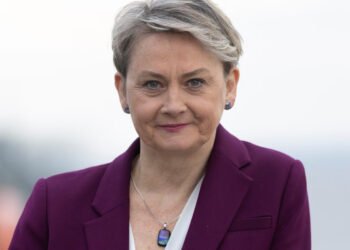 Yvette Cooper Signals Global Momentum Towards Gaza Peace Deal Amid Humanitarian Crisis
 A Third of EU Citizens in UK Report Discrimination by Public Bodies Post-Brexit
 Misinformation and Political Pressure Force Weston-super-Mare to Abandon Refugee Sanctuary Plan
 Public Trust in SNP Hits Historic Low Amid NHS Concerns
 Johnson Suggests Mandelson Linked to China Spy Controversy
 Witness statements reveal the CPS China spy row collapse in the UK
 Rachel Reeves signals welfare reform ahead of key budget
 Kosovo agrees to host Britain’s refused asylum seekers
 Ireland Votes as Two Women Compete for Presidency
 Russia’s Latest Push to Win US Favors Shows Deep Desperation
 Experts Warn Russia’s Burevestnik Missile Could Destabilise Arms Control
 British Woman in Iran ‘Losing Hope’ Amid Ongoing Detention
 Johnson Approved China’s London ‘Super-Embassy’ in 2018
 BBC Journalist Held and Interrogated in Vietnam
 UK University Suspends Human Rights Research Following Pressure from China
 BBC to Apologise Over Edited Trump Speech Amid Backlash
 Britain deploys RAF specialists to assist Belgium with drone threats
 Trump Urges Herzog to Grant Netanyahu Full Pardon
 US Justice Department Files Lawsuit Against California Over Partisan Voting Maps
 Indian authorities demolish Kashmir home linked to Red Fort blast
 Greene Pushes Epstein Files Amid Trump Fallout
 Trump Deploys DHS to Charlotte in Major Arrest Operation
 December Run-Off in Chile as Election Produces No Winner
 Canada Passes Carney’s First Budget in Tight Parliamentary Vote
 Shadow Fleet at Sea: Europe’s Battle Against Illicit Oil Shipping
 Pentagon Officials in Ukraine to Discuss War End
 India’s COP30 Delay Raises Global Climate Concerns
 Venezuela Threatens Nobel Winner Machado with Fugitive Status
 Georgians Defy Government Crackdown After Year of Protests
 India’s Labour Law Overhaul Sparks Fierce Debate
 EU plans $105bn Ukraine aid using frozen Russian assets
 Global campaign launched to free Palestinian leader Barghouti
 Russia losses Ukraine war peace talks intensify amid rising deaths
 Zelenskyy Accuses Russia of Sabotaging Peace Talks
 Albanese Opens Door to Bondi Royal Commission Amid Rising Pressure
 Trump Escalates Minnesota Immigration Surge Amid Rising Tensions
 Iran Protesters Defy Crackdown as Violent Clashes Intensify
 Trump Threatens Strong Action If Iran Executes Protesters
 Machado Trump medal gesture reshapes Venezuela power struggle
 Trump Receives Machado’s Nobel Medal in White House Meeting
 EU weighs response amid Greenland tariff crisis with Trump
 US Considers Asylum for British Jews Amid Rising Antisemitism
 ICE street raids expose a chilling future for public freedoms
 Coalition crisis deepens after Nationals frontbench resignations
 EU Says US Ties Have Suffered ‘Big Blow’ After Greenland Crisis
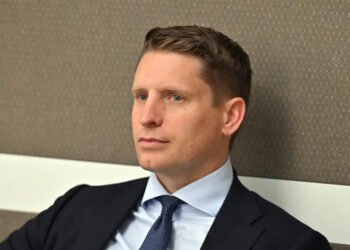 Andrew Hastie Emerges as Leadership Rival to Ley
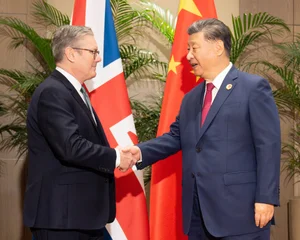 Starmer China visit underscores clear-eyed national security stance
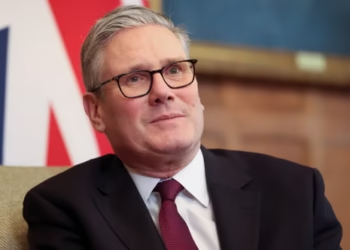 Starmer China visit raises human rights pressure on Beijing
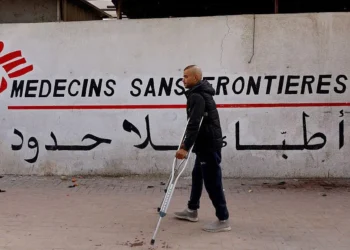 Israel Moves to Bar MSF From Gaza Operations
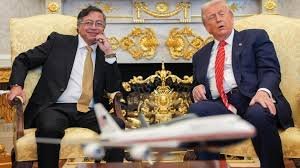 Trump Praises ‘Terrific’ Petro After White House Talks
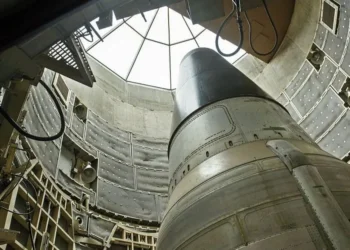 Fears of New Arms Race as US-Russia Nuclear Weapons Treaty Expires
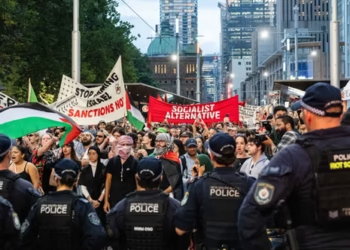 Sydney Protest Escalates and Elderly Woman Suffers Severe Injury
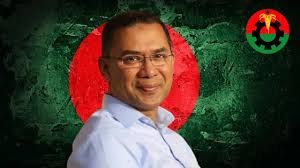 Tarique Rahman’s Rise Toward Bangladesh’s Top Job
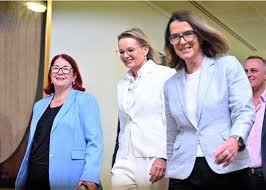 Glass Cliff Debate After Ley’s Ouster
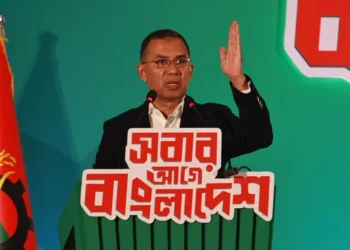 After the Landslide: Can India Reset Ties with BNP Bangladesh?
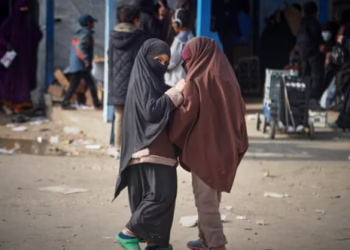 Australian Families Leave Syrian Camp for Home
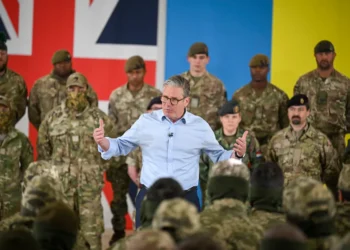 Starmer Weighs Fast-Tracking Defence Boost
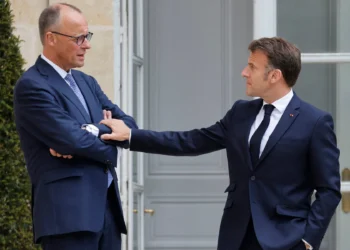 Macron Rebuked in Franco-German Defence Row