Published: 17 February 2026. The English Chronicle Desk. The English Chronicle Online.
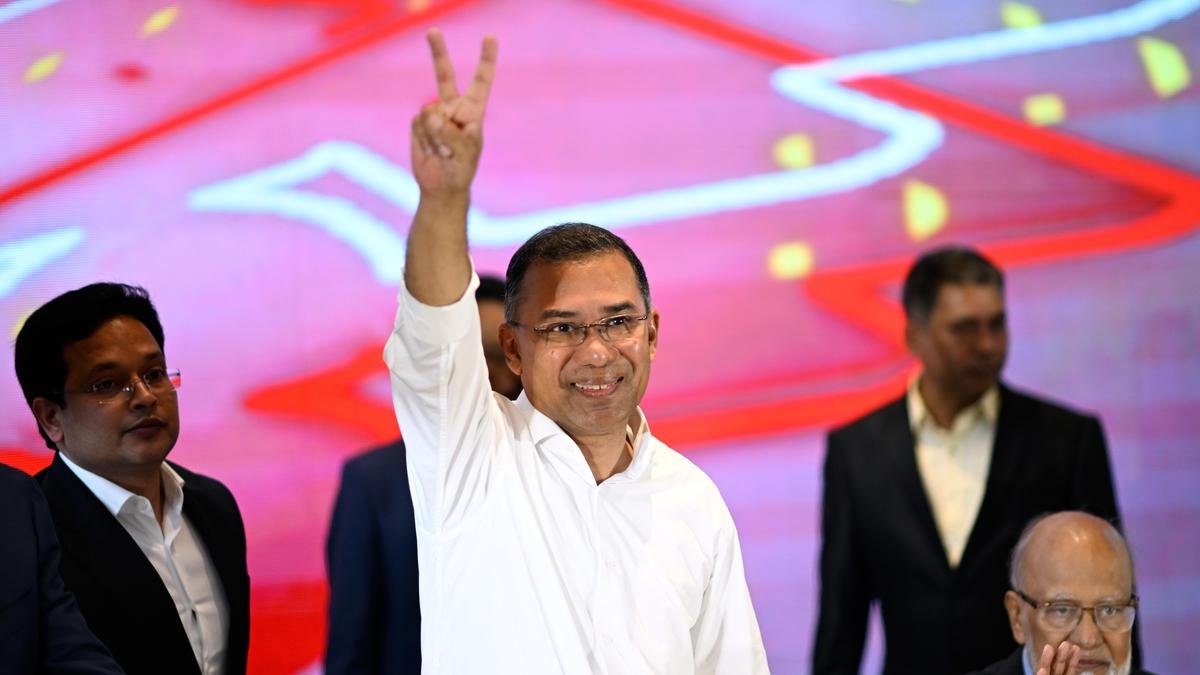
Bangladesh witnessed a historic moment as Tarique Rahman sworn in marked a new political chapter in Dhaka. The ceremony unfolded on Tuesday inside the national parliament complex, where newly elected lawmakers pledged loyalty to the republic. The event signalled the formal return to elected governance after months of political uncertainty. For many citizens, the image of Tarique Rahman sworn in symbolised hope after prolonged instability and confrontation.
The oath was administered by Chief Election Commissioner A M M Nasir Uddin during a carefully organised session. Lawmakers stood one by one, promising allegiance to the constitution and the people. The swearing-in followed the decisive parliamentary elections held on 12 February. These polls were widely regarded as a turning point after the turbulence of 2024.
Rahman, leader of the Bangladesh Nationalist Party, secured a landslide victory with his coalition. The alliance won 212 seats in the 300-member parliament, comfortably ahead of rivals. The Islamist Jamaat-e-Islami-led bloc captured 77 seats and pledged to serve as a peaceful opposition. Jamaat later announced it would challenge results in several constituencies, citing procedural concerns.

The significance of Tarique Rahman sworn in extends beyond parliamentary arithmetic. Bangladesh had been governed by an interim administration for 18 months. That arrangement followed the dramatic ousting of former prime minister Sheikh Hasina during a deadly uprising in 2024. The upheaval reshaped the nation’s political landscape and left institutions under strain.
Rahman, aged 60, is the son of former president Ziaur Rahman and former prime minister Khaleda Zia. His return to front-line politics follows 17 years in exile in Britain. Supporters describe his comeback as remarkable and symbolic of resilience. Critics, however, question whether dynastic politics can truly reform the system.
In his victory speech, Rahman declared that the mandate belonged to the people. He said democracy had prevailed after years of repression and division. He acknowledged the enormous challenges facing his incoming government. The economy remains fragile, with inflation affecting households across urban and rural communities.
Bangladesh’s garment industry, the world’s second largest exporter, has faced declining investor confidence. Political unrest and disruptions have affected production and trade flows. Rahman pledged swift measures to restore stability and rebuild trust among international partners. He stressed the need for unity in a country deeply polarised by rivalry.
The president, Mohammed Shahabuddin, was expected to administer the oath of office to the prime minister and his ministers later in the afternoon. That ceremony would formally confirm executive authority under the constitution. Observers note that the smooth transfer of power is crucial for reassuring global markets. Diplomatic missions in Dhaka monitored proceedings closely.
India publicly welcomed the decisive outcome, marking a notable shift in tone. Relations between Dhaka and New Delhi had cooled during the previous administration’s final months. Analysts believe regional cooperation will be vital for economic recovery and security coordination. Cross-border trade and energy projects remain central to bilateral ties.
Meanwhile, the Awami League was barred from contesting the election. The party’s leader, Sheikh Hasina, was sentenced in absentia on charges of crimes against humanity. She has dismissed the verdict as politically motivated and described the election as illegitimate. Her absence from the political arena has transformed parliamentary dynamics.
The new parliament reflects both continuity and change within Bangladesh’s diverse society. Only seven women were directly elected in the general vote. An additional 50 seats reserved for women will be allocated proportionally to parties. Minority communities secured four seats, including two Hindu representatives.
For ordinary citizens, the sight of Tarique Rahman sworn in carries emotional weight. Many families endured violence during the 2024 unrest. Others struggled with job losses and rising living costs. The promise of accountable governance now rests on the new administration’s performance.
Rahman has emphasised institutional reform as a priority. He has pledged to strengthen the judiciary and restore confidence in oversight bodies. Observers argue that rebuilding constitutional safeguards will require careful consensus building. The new government must balance reform with maintaining public order.
Economic policy will test the administration’s credibility in its earliest days. Foreign exchange reserves have come under pressure in recent years. Export earnings remain strong but vulnerable to global demand shifts. Economists urge disciplined fiscal management and transparent budgeting.
Civil society groups have called for greater press freedom and protection of human rights. They hope the new leadership will avoid repeating past mistakes. Rahman has publicly stated that dissent and peaceful opposition must be respected. Whether those assurances translate into policy remains to be seen.
The international community has responded cautiously but positively to the transition. Western diplomats emphasised the importance of credible institutions and inclusive governance. Regional observers highlighted Bangladesh’s strategic role in South Asia. Stability in Dhaka influences migration, trade, and maritime security across the Bay of Bengal.
Despite the celebrations, political tensions have not entirely subsided. Jamaat’s legal challenges could prolong uncertainty in certain constituencies. Analysts caution that reconciliation will demand patience and restraint. A divided electorate still reflects years of mistrust.

Rahman’s personal journey adds another dimension to the unfolding narrative. His long exile shaped his rhetoric on democracy and reform. Supporters see him as a bridge between past struggles and future aspirations. Detractors question whether entrenched patronage networks can truly be dismantled.
As evening fell over Dhaka, parliamentarians departed the chamber under tight security. Streets surrounding the complex remained calm but watchful. Citizens followed developments closely through television and social media platforms. The symbolism of Tarique Rahman sworn in resonated far beyond the capital.
Bangladesh now stands at a crossroads. The transition from interim rule to elected government offers opportunity and risk. Economic revival, social cohesion, and institutional integrity will define the coming months. Much depends on whether promises made in celebration are honoured in practice.
The coming weeks will reveal the direction of policy and tone of leadership. Markets, investors, and neighbouring capitals await early signals. Voters expect tangible improvements in daily life and governance standards. For now, the image of Tarique Rahman sworn in captures a nation’s cautious optimism.
Related News:
 British Woman in Iran ‘Losing Hope’ Amid Ongoing Detention
 BBC Journalist Held and Interrogated in Vietnam
 UK University Suspends Human Rights Research Following Pressure from China
 UK University Faces Counter-Terror Probe Over China Pressure
 Abigail Spanberger Elected Virginia’s First Female Governor
 Mikie Sherrill Elected New Jersey’s Governor in Key Win
China-critical UK academics face ‘extremely heavy’ pressure from Beijing
Mikie Sherrill Elected New Jersey’s Governor in Key Win
China-critical UK academics face ‘extremely heavy’ pressure from Beijing
 British military receives first Ajax armoured vehicles – eight years late
 BBC to Apologise Over Edited Trump Speech Amid Backlash
 Britain deploys RAF specialists to assist Belgium with drone threats
 Ukraine-Russia war latest: Putin’s troops exploit bad weather to force Kyiv withdrawal from multiple towns
 Trump Claims Victory as Longest Shutdown Ends
 Hamas Fighters in Gaza Tunnels Stall Ceasefire Progress
 US Justice Department Files Lawsuit Against California Over Partisan Voting Maps
 South Sudan President Removes Vice-President Amid Political Uncertainty
 Greene Pushes Epstein Files Amid Trump Fallout
 Trump Deploys DHS to Charlotte in Major Arrest Operation
 December Run-Off in Chile as Election Produces No Winner
 Canada Passes Carney’s First Budget in Tight Parliamentary Vote
 Why Russian Liberals Push Strongly Pro-Israel Narratives
 Congress Approves Release of Epstein Files, Trump Expected to Sign
 Shadow Fleet at Sea: Europe’s Battle Against Illicit Oil Shipping
 Rama Rebukes Mahmood for Targeting Albanian Families
 Russian Vessel Used Lasers on RAF Pilots, UK Claims
 Pentagon Officials in Ukraine to Discuss War End
 US Military Team Visits Kyiv Amid War Talks
 WhatsApp Messages Expose Nathan Gill’s Bribery
 Venezuela Threatens Nobel Winner Machado with Fugitive Status
 Texas Governor Faces Lawsuit From CAIR
 Trump Envoy to Discuss Ukraine Peace at Kremlin
 Pope Leo XIV Begins Historic Trip to Turkey and Lebanon
 Zambia’s President Faces Stone-Throwing Anger Amid Challenges
 Georgians Defy Government Crackdown After Year of Protests
 India’s Labour Law Overhaul Sparks Fierce Debate
 Video shows Israeli troops kill Palestinians after surrender
 Trump to Recheck Green Cards from 19 Nations After DC Attack
 Chinese & Japanese Boats Clash Near Disputed Islands
 EU plans $105bn Ukraine aid using frozen Russian assets
 Global campaign launched to free Palestinian leader Barghouti
 UK Aid Cuts Could Undermine Global Influence, Experts Warn
 Thailand and Cambodia Agree Ceasefire After Weeks of Deadly Clashes
 Russia losses Ukraine war peace talks intensify amid rising deaths
 Zelenskyy Accuses Russia of Sabotaging Peace Talks
 Trump ‘Not Worried’ as China Conducts Massive Taiwan Wargame
 Khaleda Zia Laid to Rest with State Honour in Dhaka
 Maduro Faces Court in New York Over Drugs and Weapons Case
 Albanese Opens Door to Bondi Royal Commission Amid Rising Pressure
 Shock US Raid: Maduro Pleads Not Guilty in Manhattan Court
 Trump Escalates Minnesota Immigration Surge Amid Rising Tensions
 Venezuela Frees Political Prisoners in Major Peace Move
 Iran Protesters Defy Crackdown as Violent Clashes Intensify
 Iran Leader Blames Protesters, Says They Serve Trump
 Trump Eyes Strong Military Options Amid Iran Protest Crackdown
 Trump Threatens Strong Action If Iran Executes Protesters
 Trump Policies Boost China’s Global Rise, Survey Finds
 Machado Trump medal gesture reshapes Venezuela power struggle
 Trump Receives Machado’s Nobel Medal in White House Meeting
 EU weighs response amid Greenland tariff crisis with Trump
 US Considers Asylum for British Jews Amid Rising Antisemitism
 ICE street raids expose a chilling future for public freedoms
 US Africa aid remarks spark anger after leaked State email
 Trump Launches “Board of Peace” Amid Global Diplomacy Push
 EU Says US Ties Have Suffered ‘Big Blow’ After Greenland Crisis
 Andrew Hastie Emerges as Leadership Rival to Ley
 Russia Strikes Kyiv and Kharkiv as Peace Talks Enter Day Two
 Pentagon Signals Reduced Role in Deterring North Korea
 Starmer China visit underscores clear-eyed national security stance
 Starmer China visit raises human rights pressure on Beijing
 Israel Moves to Bar MSF From Gaza Operations
 Mandelson resignation shakes Labour over Epstein row
 Cory Bernardi joins One Nation for SA election
 Saif al-Islam Gaddafi Reportedly Killed in Libya Shooting
 Trump Praises ‘Terrific’ Petro After White House Talks
 Sydney Protest Escalates and Elderly Woman Suffers Severe Injury
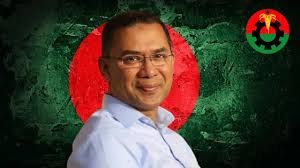 Tarique Rahman’s Rise Toward Bangladesh’s Top Job
 Glass Cliff Debate After Ley’s Ouster
 Japan Seizes Chinese Boat Amid Rising Tensions
 Sydney Protest Clash Triggers Police Probe
 Australian Families Leave Syrian Camp for Home
 Trump Attacks UK-California Energy Pact