Published: 17 February 2026. The English Chronicle Desk. The English Chronicle Online.
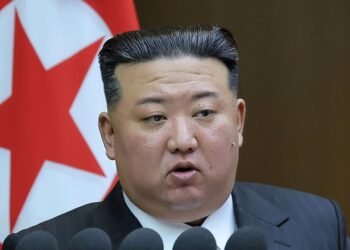
North Korea has unveiled a new housing district in Pyongyang dedicated to families of soldiers killed in the Ukraine war. The development, described as a tribute to those lost in the Ukraine war, marks a significant political gesture by leader Kim Jong-un. State media confirmed the completion of Saeppyol Street in the capital’s Hwasong district. The project is presented as a symbol of gratitude toward troops who fought alongside Russian forces. Analysts believe the move aims to reinforce internal solidarity while strengthening Pyongyang’s alignment with Moscow during the prolonged Ukraine war.
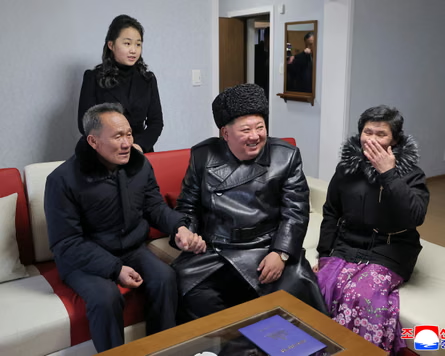
Photographs released by official outlets showed Kim walking along the newly built street. He was accompanied by his daughter, widely believed to be named Kim Ju-ae, who has appeared frequently at public events. The images depicted the leader visiting families inside modern apartment buildings. Smiling residents greeted him as he offered words of encouragement and respect. According to state reports, he pledged to honour the “young martyrs” who sacrificed themselves for their homeland.
Kim described the district as a living monument to the spirit and sacrifice of fallen soldiers. He emphasised that the homes would help grieving families maintain pride in their sons and husbands. Officials stated that construction was completed ahead of schedule at his personal instruction. Kim reportedly pushed for the project’s early completion to bring comfort to bereaved relatives. The messaging framed the housing as a tangible repayment for loyalty demonstrated during the Ukraine war.

The creation of Saeppyol Street comes amid intensified propaganda campaigns inside North Korea. In recent months, state media has elevated coverage of military deployments abroad. Memorial complexes have been erected in Pyongyang featuring sculptures of uniformed soldiers. These displays emphasise unity and patriotism while highlighting the country’s role in international conflicts. Observers view such initiatives as efforts to sustain domestic cohesion during economic strain.
North Korea’s involvement in the Ukraine war has deepened ties with Vladimir Putin and Moscow. Under a mutual defence agreement signed in 2024, Pyongyang reportedly dispatched approximately 14,000 troops to support Russian operations. South Korean, Ukrainian, and Western assessments indicate that more than 6,000 North Korean soldiers have been killed. Pyongyang has not publicly disclosed casualty figures, yet its commemorative tone suggests substantial losses.
Kim recently reaffirmed his “unconditional support” for all policies pursued by Putin. The declaration underlined the strategic partnership between the two governments. Both countries face continuing tensions with Washington and its allies. Analysts argue that the cooperation extends beyond symbolic gestures. Reports indicate shipments of artillery, missiles, and other military equipment from North Korea to Russia.
South Korea’s National Intelligence Service briefed lawmakers that North Korean forces may be gaining modern battlefield experience. Exposure to advanced combat conditions could enhance weapons performance and operational readiness. Lawmakers who attended the closed-door session suggested that Russian technical assistance might improve North Korean missile systems. Such developments raise concerns across the region, particularly in Seoul and Tokyo.
The housing inauguration also coincides with preparations for a major ruling party congress. The gathering is expected to outline domestic and foreign policy objectives for the next five years. Kim is widely anticipated to consolidate authority while setting strategic direction. The unveiling of homes for war families appears carefully timed before the congress convenes. Analysts interpret it as a calculated political gesture reinforcing his leadership narrative.
Hong Min, an analyst at the Korea Institute for National Unification, described the move as highly symbolic. He suggested it visualises state compensation for fallen soldiers’ families. The housing district serves as a concrete reminder of official gratitude. By showcasing modern apartments, authorities aim to demonstrate material support rather than abstract praise. The strategy seeks to strengthen loyalty among both military ranks and civilians.
Inside North Korea, information remains tightly controlled. However, the prominence given to this project signals deliberate messaging. The leadership portrays participation in the Ukraine war as honourable and necessary. By celebrating sacrifice, it reframes losses as patriotic duty. The housing project embodies that narrative through bricks and mortar rather than slogans alone.
International reactions have been measured but watchful. Western governments continue to monitor military exchanges between Pyongyang and Moscow. The expanding partnership complicates diplomatic efforts related to sanctions enforcement. Experts warn that battlefield cooperation may reshape regional security calculations. Enhanced North Korean capabilities could alter deterrence dynamics on the Korean Peninsula.
Meanwhile, ordinary North Korean citizens are likely to interpret the new street through personal lenses. For grieving families, the apartments may offer genuine relief and improved living conditions. For others, the spectacle reinforces the state’s message of collective responsibility. Public ceremonies emphasise unity in the face of external pressures. They also remind citizens of the costs associated with global alliances.

Kim’s increasingly frequent appearances with his daughter have drawn separate attention. Observers speculate about her potential future role in leadership succession. Her presence at significant events signals continuity and stability. While no official statement clarifies her status, repeated visibility suggests deliberate positioning. The housing inauguration provided another stage for this subtle messaging.
The Ukraine war continues to reverberate far beyond Europe’s borders. North Korea’s involvement underscores its evolving foreign policy ambitions. Aligning with Russia offers diplomatic leverage and potential economic benefits. At the same time, it intensifies scrutiny from neighbouring states and Western capitals. The balance between opportunity and risk remains delicate.
As construction cranes retreat from Saeppyol Street, the political symbolism endures. Rows of fresh buildings now stand as physical testimony to wartime sacrifice. Whether the gesture strengthens internal unity will become clearer over time. What remains certain is that the Ukraine war has reshaped Pyongyang’s diplomatic posture and domestic narrative.
The unveiling of homes for bereaved families encapsulates this transformation. It merges foreign engagement with internal propaganda objectives. By honouring fallen soldiers publicly, Kim reinforces loyalty while signalling steadfast support for Moscow. The housing district thus becomes more than infrastructure. It represents a carefully staged chapter in North Korea’s evolving story amid the Ukraine war.
Related News:
 British Woman in Iran ‘Losing Hope’ Amid Ongoing Detention
 BBC Journalist Held and Interrogated in Vietnam
 UK University Suspends Human Rights Research Following Pressure from China
 UK University Faces Counter-Terror Probe Over China Pressure
 Abigail Spanberger Elected Virginia’s First Female Governor
 Mikie Sherrill Elected New Jersey’s Governor in Key Win
China-critical UK academics face ‘extremely heavy’ pressure from Beijing
Mikie Sherrill Elected New Jersey’s Governor in Key Win
China-critical UK academics face ‘extremely heavy’ pressure from Beijing
 British military receives first Ajax armoured vehicles – eight years late
 BBC to Apologise Over Edited Trump Speech Amid Backlash
 Britain deploys RAF specialists to assist Belgium with drone threats
 Ukraine-Russia war latest: Putin’s troops exploit bad weather to force Kyiv withdrawal from multiple towns
 Trump Claims Victory as Longest Shutdown Ends
 Hamas Fighters in Gaza Tunnels Stall Ceasefire Progress
 US Justice Department Files Lawsuit Against California Over Partisan Voting Maps
 South Sudan President Removes Vice-President Amid Political Uncertainty
 Greene Pushes Epstein Files Amid Trump Fallout
 Trump Deploys DHS to Charlotte in Major Arrest Operation
 December Run-Off in Chile as Election Produces No Winner
 Canada Passes Carney’s First Budget in Tight Parliamentary Vote
 Why Russian Liberals Push Strongly Pro-Israel Narratives
 Congress Approves Release of Epstein Files, Trump Expected to Sign
 Shadow Fleet at Sea: Europe’s Battle Against Illicit Oil Shipping
 Rama Rebukes Mahmood for Targeting Albanian Families
 Russian Vessel Used Lasers on RAF Pilots, UK Claims
 Pentagon Officials in Ukraine to Discuss War End
 US Military Team Visits Kyiv Amid War Talks
 WhatsApp Messages Expose Nathan Gill’s Bribery
 Venezuela Threatens Nobel Winner Machado with Fugitive Status
 Texas Governor Faces Lawsuit From CAIR
 Trump Envoy to Discuss Ukraine Peace at Kremlin
 Pope Leo XIV Begins Historic Trip to Turkey and Lebanon
 Zambia’s President Faces Stone-Throwing Anger Amid Challenges
 Georgians Defy Government Crackdown After Year of Protests
 India’s Labour Law Overhaul Sparks Fierce Debate
 Video shows Israeli troops kill Palestinians after surrender
 Trump to Recheck Green Cards from 19 Nations After DC Attack
 Chinese & Japanese Boats Clash Near Disputed Islands
 EU plans $105bn Ukraine aid using frozen Russian assets
 Global campaign launched to free Palestinian leader Barghouti
 UK Aid Cuts Could Undermine Global Influence, Experts Warn
 Thailand and Cambodia Agree Ceasefire After Weeks of Deadly Clashes
 Russia losses Ukraine war peace talks intensify amid rising deaths
 Zelenskyy Accuses Russia of Sabotaging Peace Talks
 Trump ‘Not Worried’ as China Conducts Massive Taiwan Wargame
 Khaleda Zia Laid to Rest with State Honour in Dhaka
 Maduro Faces Court in New York Over Drugs and Weapons Case
 Albanese Opens Door to Bondi Royal Commission Amid Rising Pressure
 Shock US Raid: Maduro Pleads Not Guilty in Manhattan Court
 Trump Escalates Minnesota Immigration Surge Amid Rising Tensions
 Venezuela Frees Political Prisoners in Major Peace Move
 Iran Protesters Defy Crackdown as Violent Clashes Intensify
 Iran Leader Blames Protesters, Says They Serve Trump
 Trump Eyes Strong Military Options Amid Iran Protest Crackdown
 Trump Threatens Strong Action If Iran Executes Protesters
 Trump Policies Boost China’s Global Rise, Survey Finds
 Machado Trump medal gesture reshapes Venezuela power struggle
 Trump Receives Machado’s Nobel Medal in White House Meeting
 EU weighs response amid Greenland tariff crisis with Trump
 US Considers Asylum for British Jews Amid Rising Antisemitism
 ICE street raids expose a chilling future for public freedoms
 US Africa aid remarks spark anger after leaked State email
 Trump Launches “Board of Peace” Amid Global Diplomacy Push
 EU Says US Ties Have Suffered ‘Big Blow’ After Greenland Crisis
 Andrew Hastie Emerges as Leadership Rival to Ley
 Russia Strikes Kyiv and Kharkiv as Peace Talks Enter Day Two
 Pentagon Signals Reduced Role in Deterring North Korea
 Starmer China visit underscores clear-eyed national security stance
 Starmer China visit raises human rights pressure on Beijing
 Israel Moves to Bar MSF From Gaza Operations
 Mandelson resignation shakes Labour over Epstein row
 Cory Bernardi joins One Nation for SA election
 Saif al-Islam Gaddafi Reportedly Killed in Libya Shooting
 Trump Praises ‘Terrific’ Petro After White House Talks
 Sydney Protest Escalates and Elderly Woman Suffers Severe Injury
 Tarique Rahman’s Rise Toward Bangladesh’s Top Job
 Glass Cliff Debate After Ley’s Ouster
 Japan Seizes Chinese Boat Amid Rising Tensions
 Sydney Protest Clash Triggers Police Probe
 Australian Families Leave Syrian Camp for Home
 Trump Attacks UK-California Energy Pact