Published: 18 February 2026. The English Chronicle Desk. The English Chronicle Online
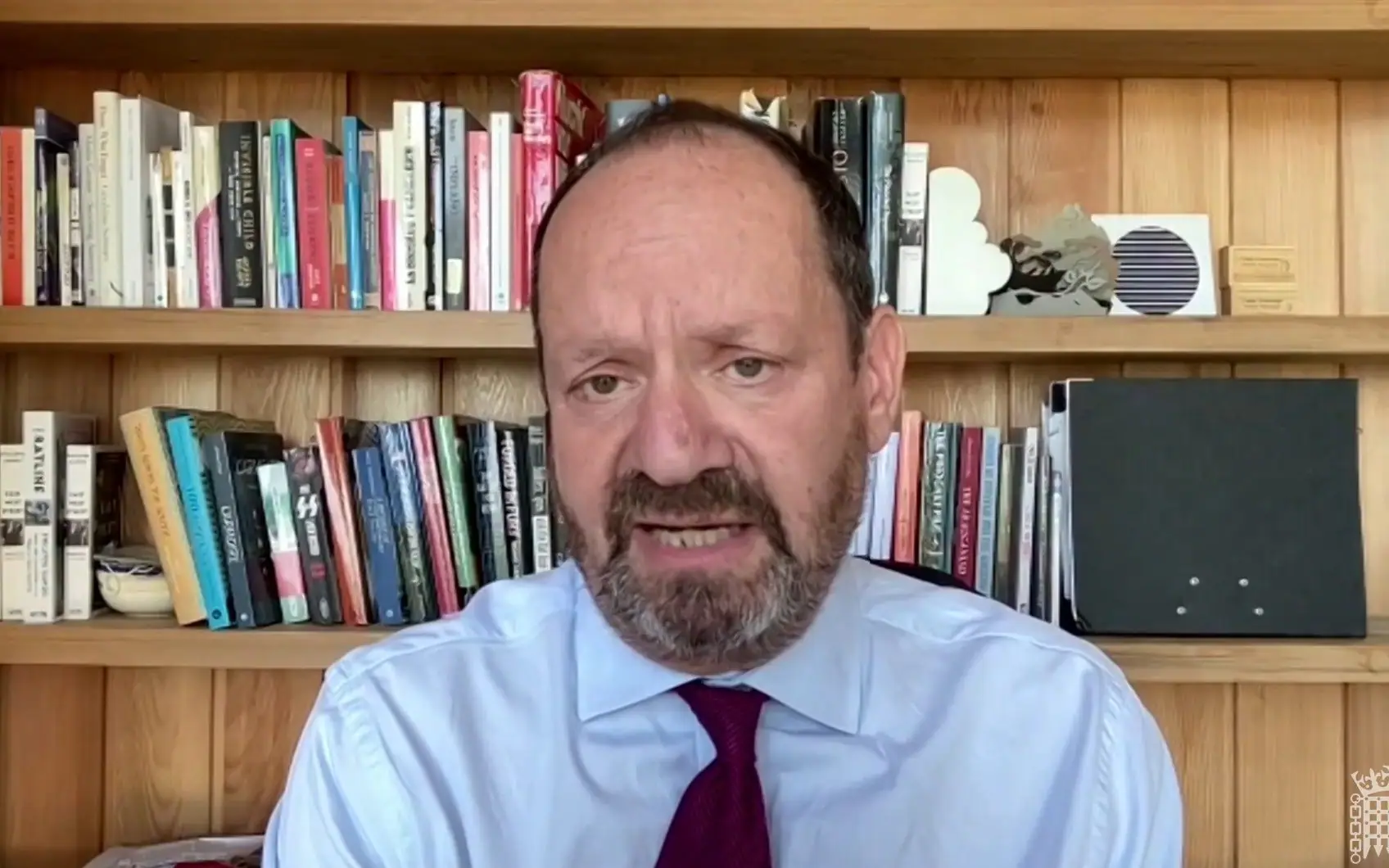
A significant political controversy has erupted in the United Kingdom over the role played by a close associate of Prime Minister Sir Keir Starmer in the contentious Chagos Islands sovereignty deal, with revelations that the lawyer in question earned a substantial sum for his legal work in negotiating the agreement. Philippe Sands KC, a prominent human rights lawyer and long‑time friend of Sir Keir, acted as chief legal counsel for the government of Mauritius in its protracted legal and diplomatic efforts to challenge British sovereignty over the British Indian Ocean Territory and push for its return to Mauritian control.
Documents and reporting indicate that a team of lawyers led by Sands was allocated funds of at least £8.3 million from the Mauritian government’s budget for legal services connected to the Chagos negotiations between 2010 and 2024, with Sands expected to have taken the largest share of that sum as the chief counsel. While the exact amount he personally received is unclear, legal insiders note that his central role in steering the case toward a successful outcome for Mauritius would have positioned him for a substantial payday.

The revelation has added political fuel to an already heated debate around the Chagos deal, which saw the UK agree to cede sovereignty of the strategically valuable archipelago, including the key military base on Diego Garcia, to Mauritius under terms that will see Britain pay for a 99‑year leaseback of the base. Critics have long argued that the arrangement could cost British taxpayers tens of billions over the length of the agreement and could undermine national security interests.
Opposition figures and commentators have seized on the report of Sands’s earnings as evidence of a potential conflict of interest, arguing that the Prime Minister’s personal connections risked undermining confidence in the negotiation process and raised ethical questions about the involvement of influential insiders in matters of state importance. Conservative MPs have labelled the revelations “disturbing”, while some civil liberties groups have questioned the transparency of the legal arrangements underpinning the deal.
Defenders of Sands point to the independent role of legal counsel and the “cab‑rank principle” under which barristers take cases without discrimination, noting that lawyers routinely represent foreign governments and earn substantial legal fees in high‑profile international disputes. Supporters also argue that the Chagos deal was pursued in response to binding international legal opinions calling for the end of British administration of the territory.

Nonetheless, the issue has become a flashpoint in wider political controversy over Sir Keir’s handling of the Chagos issue, with rival parties linking the payments to broader concerns about judgement, transparency, and accountability in the Prime Minister’s decision‑making on foreign policy.
Related News:
 Starmer tariffs stance rejects US trade retaliation
 UK Presses On With Chagos Handover Despite Trump Criticism
 Shinzo Abe’s killer receives life sentence in Japan
 Emails Show Epstein Funded Mandelson’s Husband After Jail
 UK Must Act with Courage and Clarity on Israel-Palestine Conflict, Says Foreign Affairs Committee Report
 Chancellor Faces Mounting Pressure Amid “Impossible Trilemma” Over Tax Rises
 Radioactive Leak at UK’s Nuclear Warhead Base Sparks Outcry Over Safety and Secrecy
 Mass Arrests in London as Protest Defies Ban on Palestine Action
 Mutual Inconvenience: Why Alaska Was Chosen for the Trump-Putin Summit on Ukraine
 UK Government Expands ‘Deport Now, Appeal Later’ Policy to 23 Countries
 Chancellor Rachel Reeves Pushes for Sweeping Changes to Environmental Protections to Accelerate Development
 Larger Families Could Gain Thousands if Labour Ends Two-Child Benefit Cap
 Is the UK Ready to Put Boots on the Ground in Ukraine? Assessing Military Capacity and Challenges
 Palestine Action Ban Protesters Plan Tactic to Overwhelm Police at Next London Demonstration
 Police Scotland Spends £500,000 Compensating Officers Over Trump Visit
 Britain’s Migration Challenge: Rising Asylum Numbers and Hotel Pressures
 Elon Musk Sparks New Controversy by Backing Tommy Robinson Amid Farage Feud
 Urgent Action Needed on Windrush Compensation as Survivors Speak of “Waiting to Die”
 Tanni Grey-Thompson Faces Abuse Over Opposition to Assisted Dying Bill
 TfL Invites RMT to Resume Talks as London Tube Strikes End
 UK Rejoining EU ‘Unlikely in My Lifetime,’ Says Starmer’s Europe Reset Negotiator
 ‘Unite the Kingdom’ Rally Sparks Fears of Far-Right Normalisation Among Minority Britons
 Thousands Gather in London to Protest Donald Trump’s Second UK State Visit
 Zarah Sultana Seeks Legal Action After Bitter Clash with Jeremy Corbyn Over Party Membership Funds
 Nigel Farage Unveils Controversial Immigration and Welfare Plans at Reform UK Press Conference
 Top Andy Burnham Ally Launches Fierce Critique of Starmer Ahead of Labour Conference
 Mahmood Pledges Reform of Modern Slavery Laws After Court Blocks Deportation Appeal
 Ed Miliband Warns UK Government on X, Citing Elon Musk as a “Dangerous Influence”
 Ed Miliband Urges Labour to Confront Billionaire-Backed Opposition to Net Zero Goals
 A Third of EU Citizens in UK Report Discrimination by Public Bodies Post-Brexit
 Digital ID Plans Ignite Debate Over £600m Treasury Tax Boost and Privacy Concerns
 Kemi Badenoch Unveils ‘Golden Rule’ to Halve Spending Cuts for Deficit Reduction at Tory Conference
 Public Trust in SNP Hits Historic Low Amid NHS Concerns
 Yvette Cooper Backs Digital ID Plan for UK Teens
 Johnson Suggests Mandelson Linked to China Spy Controversy
 UK border officers deployed to Balkans to tackle migrant smuggling
 Ministry of Justice fails to file £11bn in spending receipts
 UK MPs warn of repeat riots over online misinformation
 Rachel Reeves signals welfare reform ahead of key budget
 Reform UK candidate fined £19,000 after using AI-generated cases to challenge election
 William Steps Up Over Prince Andrew Palace Response
 Army Barracks to House Migrants as Hotels Phase Out
 Green Party Surges Past Labour in Latest UK Poll
 Zarah Sultana Launches Party to Change Politics
 Trump’s UK Ambassador Urges North Sea Drilling to Strengthen US Ties
 French Taxi Driver Cleared in David Lammy Theft Case After Fare Dispute
 Millionaires group urge Reeves to introduce wealth tax to ‘lift kids out of poverty’
 Starmer Faces Growing Dissent as Labour MPs Weigh Leadership Challenge
 Reeves rejects £1bn plea for NHS redundancy payouts
 PM Condemns Leaks, Vows Loyalty to Ministers and Stability
 Major Rent Reform Ends No-Fault Evictions in England
 Peers Flood Assisted Dying Bill with 942 Amendments
 Most Tories Expect to Support a Farage-Led Government
 Starmer Says Labour’s Economic Plan Needs Years to Deliver
 England delays four mayoral elections amid criticism
 Reform campaign in Clacton faced ‘juggernaut’ scrutiny, say rivals
 Met officers ordered to declare Freemason links
 Culture secretary to review Telegraph takeover by Daily Mail owner
 Reform Candidate Sparks Fury Over Loyalty Comments
 Plans to Limit Jury Trials Face Retreat After Mounting Opposition
 US Senate rejects resolution limiting Trump military powers
 Machado Trump medal gesture reshapes Venezuela power struggle
 Right Must Unite After Jenrick Defection, Urges Rees-Mogg
 UK Ministers Drop Foreign Student Targets for Global Education Push
 MPs warn AI financial risks threaten UK stability
 No Gas Boiler Ban as UK Warm Homes Plan Backs Heat Pumps
 American democracy faces crisis after Trump’s return
 Lords Vote Piles Pressure on Starmer Over Social Media Ban
 Reform UK Health Plan ‘Would Cost £1.7bn’, Streeting Says
 Police response times face strict new national limits
 Labour policing overhaul sparks fears over growing central control
 Tories criticised after Braverman defection sparks mental health row
 Starmer warns of toxic division politics in Reform challenge
 Cambridge Faces Scrutiny Over Arms Investment Transparency
 Palantir contracts face UK halt calls over transparency
 Diane Abbott Slams Applause for Keir Starmer as PM Vows to Stay On After Mandelson-Epstein Row
 Cabinet Secretary Shake-Up Triggers Due Diligence Warning
 Could Manchester Lead the UK’s Economic Revival?
 Starmer Weighs Fast-Tracking Defence Boost
 Farage to Name Jenrick as Reform Chancellor Pick