Published: 24 February 2026
The English Chronicle Desk
The English Chronicle Online
A senior Ukrainian negotiator has described the psychological strain and strategic calculation involved in sitting face-to-face with Russian counterparts, offering a rare account of what it feels like to negotiate while war continues on the battlefield.
Speaking to the BBC, the official — who has been directly involved in dialogue efforts between Kyiv and Moscow — said the experience is defined by tension, distrust and a constant awareness that decisions made across the table may influence lives within hours. The negotiator explained that entering the room requires emotional restraint, discipline and a clear mandate from political leadership.

Since the full-scale invasion of Ukraine by Vladimir Putin in February 2022, sporadic negotiation efforts have taken place under shifting diplomatic conditions. Ukraine’s leadership, under President Volodymyr Zelenskyy, has consistently maintained that any talks must respect Ukraine’s sovereignty and territorial integrity. Russia, for its part, has framed negotiations around security guarantees and territorial claims, positions that remain fundamentally at odds with Kyiv’s demands.
According to the negotiator, sitting across from Russian officials carries symbolic as well as strategic weight. “You are looking at representatives of a state whose forces are attacking your cities,” the official told the BBC. “But at the same time, you must maintain composure. Emotion cannot dictate outcomes.”
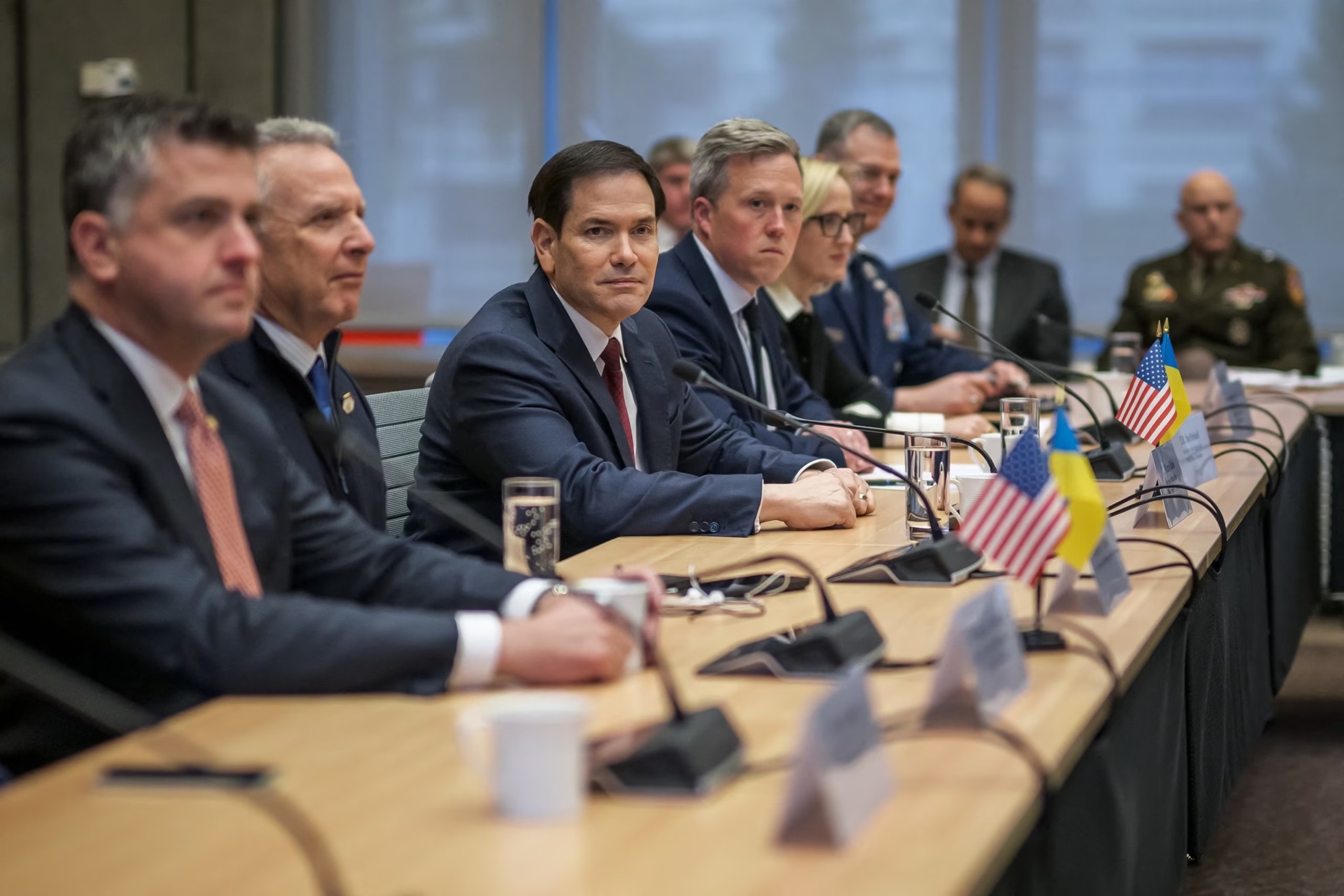
The negotiator described the room itself as often subdued and tightly choreographed. Delegations typically include diplomats, legal advisers and military experts. Every word is measured, every phrase recorded. There is little room for improvisation. Positions are pre-defined, and deviations require consultation with leadership.
The psychological dimension, however, is unavoidable. The official acknowledged that moments of personal reflection arise when discussions turn to ceasefires, prisoner exchanges or humanitarian corridors. “You think about the soldiers, the civilians, the families waiting,” the negotiator said. “But you cannot show that weight. You must remain precise.”
International mediation has played a variable role in facilitating talks. Countries such as Turkey have previously hosted negotiation rounds, while other diplomatic channels have operated through intermediaries. Despite these efforts, a comprehensive settlement has remained elusive.
The negotiator indicated that trust between the two sides is effectively non-existent. Any proposal is scrutinised for strategic advantage. Draft agreements undergo intense legal review. Even humanitarian arrangements, such as grain export deals or prisoner swaps, require layered verification mechanisms.
Observers of conflict diplomacy note that negotiations during active warfare differ significantly from post-conflict settlements. When hostilities are ongoing, battlefield developments influence leverage in real time. Gains or losses on the front line can shift negotiating posture within days. This dynamic, the Ukrainian official suggested, creates an environment in which dialogue is inseparable from military realities.
“There is always an awareness that talks can collapse,” the negotiator said. “You prepare for dialogue, but you also prepare for failure.” The official added that maintaining unity among international allies is a parallel diplomatic task. Support from European and North American partners has been critical to Ukraine’s negotiating position, both politically and militarily.
The personal toll of participation in such talks was also addressed. The negotiator described long hours, intense preparation and the burden of representing a nation under attack. “It is not a normal diplomatic discussion,” the official explained. “It is conducted under the shadow of war.”
Analysts suggest that public transparency about negotiation experiences serves multiple purposes. It reinforces domestic confidence, signals resolve to adversaries and informs international audiences about the complexity of peace efforts. At the same time, negotiators must avoid disclosing sensitive details that could compromise strategy.
The BBC interview underscores the human dimension often obscured by geopolitical analysis. While policy debates focus on territorial lines, sanctions and military aid, individuals at the negotiating table confront the immediate moral and strategic dilemmas of wartime diplomacy.
As the conflict enters another year, prospects for sustained peace talks remain uncertain. Both sides continue to articulate positions that leave limited overlap. Nonetheless, channels of communication persist, however fragile.

For the Ukrainian negotiator, the experience is defined by dual responsibility: to seek pathways that could reduce suffering while ensuring that any agreement does not compromise national sovereignty. “You sit across from them knowing the stakes,” the official concluded. “You carry the country with you into that room.”
The account provides a rare glimpse into the atmosphere behind closed doors — a setting where diplomacy operates amid active conflict, and where the tone of a single meeting can echo far beyond the negotiating table.
Related News:
 Kinnock’s Rebuke Echoes Loudly as Corbyn Allies Launch Left-Wing Breakaway: “A Gift to Farage”
 UK and Norway Forge Stronger Ties Through Joint Sanctions and Enhanced Defence Cooperation
 Trump Administration Dismisses 17 Immigration Judges, Sparking Debate Over Judicial Independence
 Modi’s London Visit Seals Historic UK-India Trade Pact Amid Global Tensions
 UK Must Act with Courage and Clarity on Israel-Palestine Conflict, Says Foreign Affairs Committee Report
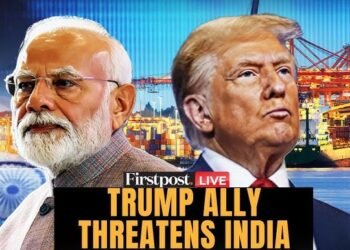 Trump Threatens 100% Tariff on Nations Importing Russian Oil Amid India Standoff Over Ukraine War
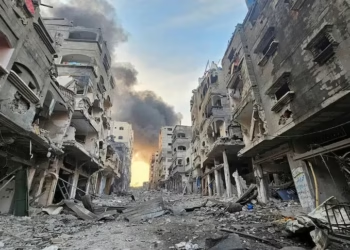 Netanyahu Announces Plan to Take Over Gaza City, Escalating Conflict Further
 Radioactive Leak at UK’s Nuclear Warhead Base Sparks Outcry Over Safety and Secrecy
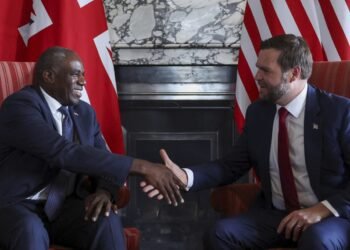 Lammy and Vance Meet in Britain to Advance US-Brokered Ukraine Peace Talks
 Mutual Inconvenience: Why Alaska Was Chosen for the Trump-Putin Summit on Ukraine
 Hong Kong Summons UK and Australian Envoys Following Asylum Grants to Democracy Activists
 Is the UK Ready to Put Boots on the Ground in Ukraine? Assessing Military Capacity and Challenges
 Protests Expected as Israeli Arms Firms Join Global Defence Trade Fair in London
 Trump Appears Sidelined as Israel’s Unprecedented Strikes Hit Qatar
 Conservative Influencer Charlie Kirk Fatally Shot During University Debate
 Thousands Gather in London to Protest Donald Trump’s Second UK State Visit
 Channel Crossings Surge: Over 1,000 People Arrive in the UK in Small Boats in a Single Day
 Widow of Charlie Kirk Forgives Killer at Emotional Memorial Service
 Denmark Investigates Professional Drone Incursions Across Multiple Airports, No Evidence of Russian Involvement
 UK Fighter Jet Purchase Could Breach Nuclear Treaty, Warns CND
 Yvette Cooper Signals Global Momentum Towards Gaza Peace Deal Amid Humanitarian Crisis
 A Third of EU Citizens in UK Report Discrimination by Public Bodies Post-Brexit
 Public Trust in SNP Hits Historic Low Amid NHS Concerns
 Johnson Suggests Mandelson Linked to China Spy Controversy
 Rachel Reeves signals welfare reform ahead of key budget
 Ireland Votes as Two Women Compete for Presidency
 Russia’s Latest Push to Win US Favors Shows Deep Desperation
 Experts Warn Russia’s Burevestnik Missile Could Destabilise Arms Control
 Johnson Approved China’s London ‘Super-Embassy’ in 2018
 BBC to Apologise Over Edited Trump Speech Amid Backlash
 Britain deploys RAF specialists to assist Belgium with drone threats
 Trump Urges Herzog to Grant Netanyahu Full Pardon
 US Justice Department Files Lawsuit Against California Over Partisan Voting Maps
 Indian authorities demolish Kashmir home linked to Red Fort blast
 Greene Pushes Epstein Files Amid Trump Fallout
 Trump Deploys DHS to Charlotte in Major Arrest Operation
 December Run-Off in Chile as Election Produces No Winner
 Canada Passes Carney’s First Budget in Tight Parliamentary Vote
 Shadow Fleet at Sea: Europe’s Battle Against Illicit Oil Shipping
 Pentagon Officials in Ukraine to Discuss War End
 India’s COP30 Delay Raises Global Climate Concerns
 Venezuela Threatens Nobel Winner Machado with Fugitive Status
 Georgians Defy Government Crackdown After Year of Protests
 EU plans $105bn Ukraine aid using frozen Russian assets
 Global campaign launched to free Palestinian leader Barghouti
 Russia losses Ukraine war peace talks intensify amid rising deaths
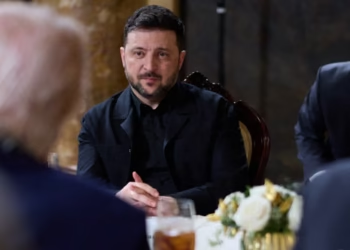 Zelenskyy Accuses Russia of Sabotaging Peace Talks
 Albanese Opens Door to Bondi Royal Commission Amid Rising Pressure
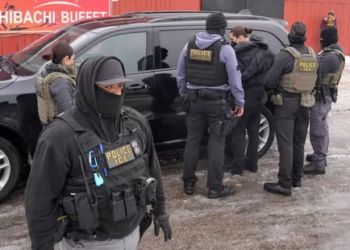 Trump Escalates Minnesota Immigration Surge Amid Rising Tensions
 Iran Protesters Defy Crackdown as Violent Clashes Intensify
 Trump Threatens Strong Action If Iran Executes Protesters
 Machado Trump medal gesture reshapes Venezuela power struggle
 EU weighs response amid Greenland tariff crisis with Trump
 ICE street raids expose a chilling future for public freedoms
 Coalition crisis deepens after Nationals frontbench resignations
 EU Says US Ties Have Suffered ‘Big Blow’ After Greenland Crisis
 Andrew Hastie Emerges as Leadership Rival to Ley
 Starmer China visit raises human rights pressure on Beijing
 Israel Moves to Bar MSF From Gaza Operations
 Trump Praises ‘Terrific’ Petro After White House Talks
 Fears of New Arms Race as US-Russia Nuclear Weapons Treaty Expires
 Sydney Protest Escalates and Elderly Woman Suffers Severe Injury
 Tarique Rahman’s Rise Toward Bangladesh’s Top Job
 After the Landslide: Can India Reset Ties with BNP Bangladesh?
 Australian Families Leave Syrian Camp for Home
 Starmer Weighs Fast-Tracking Defence Boost
 Macron Rebuked in Franco-German Defence Row
 Trump Attacks UK-California Energy Pact
 Kim Jong-un Unveils Housing for War Families
 Stephen Colbert Says CBS Spiked Interview With Democrat Over FCC Fears
 Nine Arrested in France Over Death of Far‑Right Student
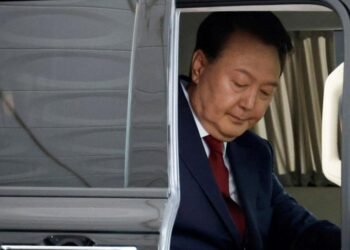 South Korea’s Ex-President Faces Death Penalty in Insurrection Trial
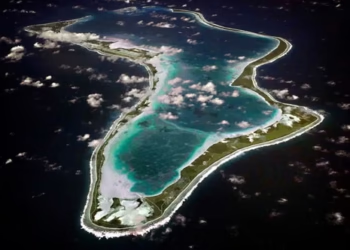 Trump and Chagos Deal Rift Over Iran Strikes
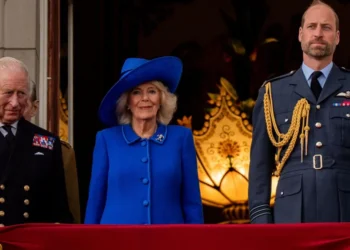 How Much Could Andrew’s Arrest Hurt the Royal Family?
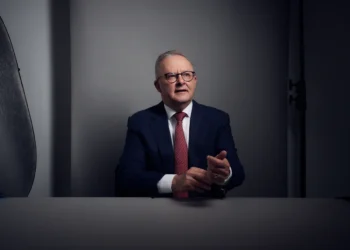 Andrew Arrest Sparks Republic Debate in Australia
 Australian PM Says Former Prince Andrew Has Suffered ‘Extraordinary Fall’ but That Won’t Prompt Republic Referendum
 Global corruption crisis: Who Washington shields
 Musk Cuts Starlink Access for Russian Forces – Giving Ukraine an Edge at the Front
 Farage Chagos Islands Row Sparks Fury
 How South Korea’s Democracy Rebounded After Martial Law Attempt