Published: 24 February 2026
The English Chronicle Desk
The English Chronicle Online
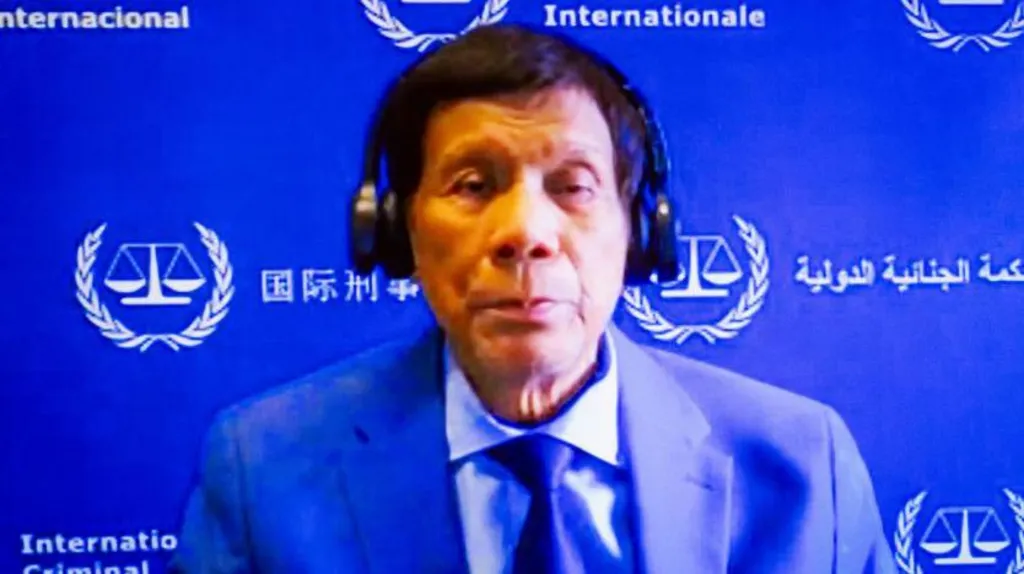
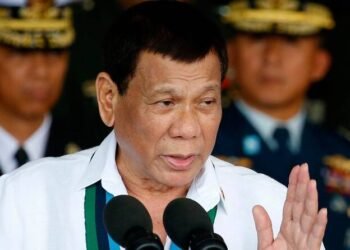
Former Philippine President Rodrigo Duterte is at the centre of historic hearings at the International Criminal Court in The Hague, where judges are evaluating whether to confirm charges of crimes against humanity connected to his controversial “war on drugs.” The proceedings, which opened this week, could determine whether he faces a full trial for actions taken during his tenure as both mayor and president of the Philippines.

Duterte, 80, is accused of overseeing policies and operations that led to widespread extrajudicial killings. Prosecutors allege that thousands of individuals were murdered in the context of his campaign against illegal drugs, with some victims reportedly targeted in death squad operations and others during nationwide police crackdowns. The ICC has formally charged him with three counts of murder as crimes against humanity; the alleged offences span years when Duterte served as mayor of Davao City and later as the country’s president.
The current phase before the court is a “confirmation of charges” hearing, not a full trial. Over several days, prosecutors are presenting evidence intended to demonstrate that there are “substantial grounds to believe” Duterte committed the alleged crimes. Judges have up to 60 days after the hearing’s conclusion to decide whether the case should proceed to trial in the ICC’s Trial Chamber.
Duterte was arrested in Manila in March 2025 on the basis of an ICC warrant and subsequently transferred to the court’s custody in the Netherlands. He has denied the allegations and rejected the court’s jurisdiction, but his defence successfully obtained a waiver allowing him to skip in‑person attendance at the hearings while still participating through legal counsel.
The charges stem from killings that human rights organisations and investigators contend were part of a systematic campaign against civilians suspected of drug offences. Prosecutors in The Hague have sought to link Duterte to policies that authorised or facilitated the deaths, arguing that the violence met the legal threshold for crimes against humanity under international law. Victims’ representatives have urged the court to confirm the charges, framing the hearings as a rare opportunity for accountability after years of impunity.
Duterte’s case is unprecedented in the region; he is widely considered the first former Asian head of state to face ICC proceedings on such serious allegations. The outcome of the confirmation hearing will shape the future of the case. If the judges find there is sufficient evidence, the matter will move to a full trial where guilt or innocence will be determined. If not, the proceedings may halt before that stage.

Supporters of Duterte within the Philippines continue to back him politically, portraying the ICC process as biased or unjust, while human rights advocates maintain that justice is necessary for victims and their families. The broader implications of the trial touch on international obligations, state sovereignty and the global fight against impunity for mass atrocities — themes that resonate far beyond the Philippines.
Related News:
 Trump Administration Dismisses 17 Immigration Judges, Sparking Debate Over Judicial Independence
 Ministers Accused of Defamation Over Palestine Action Ban and Mass Arrests
 Father’s Tip Leads to Arrest in Charlie Kirk Murder Case
 Charlie Kirk Killing Used to Mobilise UK’s Largest Far-Right Rally in Decades
 Jailed Georgian Opposition Leaders Warn UK of Iranian Links to Ruling Party
 UK Extradition Law Change Sparks Fears Among Hong Kong Dissidents
 Shabana Mahmood Warns Border Failings Are Eroding Trust in States
 Johnson Approved China’s London ‘Super-Embassy’ in 2018
 China-critical UK academics face ‘extremely heavy’ pressure from Beijing
 Trump Urges Herzog to Grant Netanyahu Full Pardon
 US Justice Department Files Lawsuit Against California Over Partisan Voting Maps
 Trump Deploys DHS to Charlotte in Major Arrest Operation
 Congress Approves Release of Epstein Files, Trump Expected to Sign
 Texas Governor Faces Lawsuit From CAIR
 Chinese & Japanese Boats Clash Near Disputed Islands
 Putin Meets US Envoy Amid Key Ukraine Peace Talks
 Guterres Warns Global Cooperation Under Threat at UN’s 80th Year
 South Korea Jails Ex-President in Martial Law Ruling
 UK and EU Signal Fresh Push for Defence Cooperation Talks
 Emails Show Epstein Funded Mandelson’s Husband After Jail
 Thousands Protest ICE Operations in Nationwide US Day of Action
 Sydney Protest Clash Triggers Police Probe
 Nine Arrested in France Over Death of Far‑Right Student
 How Much Could Andrew’s Arrest Hurt the Royal Family?
 Kinnock’s Rebuke Echoes Loudly as Corbyn Allies Launch Left-Wing Breakaway: “A Gift to Farage”
 UK Must Act with Courage and Clarity on Israel-Palestine Conflict, Says Foreign Affairs Committee Report
 Northern Ireland Family of Three Shot Dead in Maguiresbridge Home Incident
 Trump Threatens 100% Tariff on Nations Importing Russian Oil Amid India Standoff Over Ukraine War
 Radioactive Leak at UK’s Nuclear Warhead Base Sparks Outcry Over Safety and Secrecy
 Mutual Inconvenience: Why Alaska Was Chosen for the Trump-Putin Summit on Ukraine
 Hong Kong Summons UK and Australian Envoys Following Asylum Grants to Democracy Activists
 Is the UK Ready to Put Boots on the Ground in Ukraine? Assessing Military Capacity and Challenges
 Tanni Grey-Thompson Faces Abuse Over Opposition to Assisted Dying Bill
 Conservative Influencer Charlie Kirk Fatally Shot During University Debate
 Channel Crossings Surge: Over 1,000 People Arrive in the UK in Small Boats in a Single Day
 Widow of Charlie Kirk Forgives Killer at Emotional Memorial Service
 Mahmood Pledges Reform of Modern Slavery Laws After Court Blocks Deportation Appeal
 Yvette Cooper Signals Global Momentum Towards Gaza Peace Deal Amid Humanitarian Crisis
 Digital ID Plans Ignite Debate Over £600m Treasury Tax Boost and Privacy Concerns
 Public Trust in SNP Hits Historic Low Amid NHS Concerns
 Johnson Suggests Mandelson Linked to China Spy Controversy
 Rachel Reeves signals welfare reform ahead of key budget
 Russia’s Latest Push to Win US Favors Shows Deep Desperation
 French Taxi Driver Cleared in David Lammy Theft Case After Fare Dispute
 BBC to Apologise Over Edited Trump Speech Amid Backlash
 Britain deploys RAF specialists to assist Belgium with drone threats
 Major Rent Reform Ends No-Fault Evictions in England
 Indian authorities demolish Kashmir home linked to Red Fort blast
 Greene Pushes Epstein Files Amid Trump Fallout
 December Run-Off in Chile as Election Produces No Winner
 Canada Passes Carney’s First Budget in Tight Parliamentary Vote
 Shadow Fleet at Sea: Europe’s Battle Against Illicit Oil Shipping
 India’s COP30 Delay Raises Global Climate Concerns
 Georgians Defy Government Crackdown After Year of Protests
 US National Guard Member Killed in DC Shooting
 ICC to Rule on Duterte’s Provisional Release
 Tokyo court rules Japan’s same-sex marriage ban constitutional
 EU plans $105bn Ukraine aid using frozen Russian assets
 Russia losses Ukraine war peace talks intensify amid rising deaths
 Albanese Opens Door to Bondi Royal Commission Amid Rising Pressure
 Trump Escalates Minnesota Immigration Surge Amid Rising Tensions
 Iran Protesters Defy Crackdown as Violent Clashes Intensify
 Trump Threatens Strong Action If Iran Executes Protesters
 EU weighs response amid Greenland tariff crisis with Trump
 American democracy faces crisis after Trump’s return
 EU Says US Ties Have Suffered ‘Big Blow’ After Greenland Crisis
 Israel Moves to Bar MSF From Gaza Operations
 Australia’s Opposition Coalition Reunites After Rift
 After the Landslide: Can India Reset Ties with BNP Bangladesh?
 Australian Families Leave Syrian Camp for Home
 Starmer Weighs Fast-Tracking Defence Boost
 Trump Attacks UK-California Energy Pact
 Dual Nationals Face Scramble for UK Passports as New Rules Come Into Force
 Civil Service Pay: Union Urges Ministers to End ‘Barking Mad’ Limits
 Andrew Arrest Sparks Republic Debate in Australia
 Epstein Eyed Record Label Investment to Access Women, Files Suggest
 Live Nation Sees Strong Ticket Sales as Monopoly Lawsuit Looms
 Australian PM Says Former Prince Andrew Has Suffered ‘Extraordinary Fall’ but That Won’t Prompt Republic Referendum
 Musk Cuts Starlink Access for Russian Forces – Giving Ukraine an Edge at the Front
 Farage Chagos Islands Row Sparks Fury