Published: 24 February 2026. The English Chronicle Desk. The English Chronicle Online
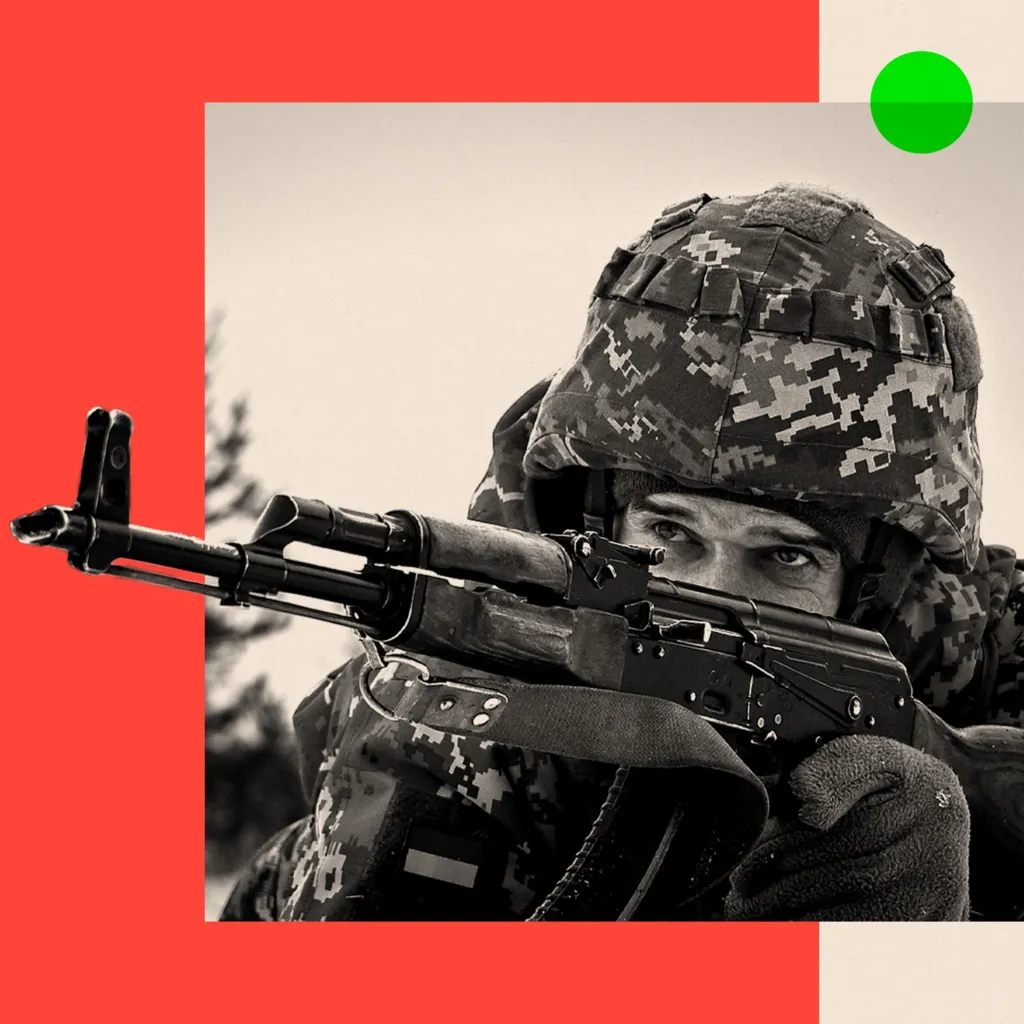
As the Ukraine war marks its fourth anniversary, the country’s leaders and citizens do not see themselves as nearing defeat, despite the relentless pressure from Russian forces and fluctuating Western support. According to a frontline report by BBC international editor Jeremy Bowen, the sense of defiance in Ukraine is rooted in multiple strategic, technological, social and psychological factors that shape Kyiv’s continued resistance against Moscow’s invasion.

During a visit to eastern Ukraine’s Donetsk frontline, Bowen described how Ukrainian forces have adapted to modern warfare, particularly through extensive use of drones for surveillance and combat. These unmanned systems, including first‑person view (FPV) drones, have transformed battlefield dynamics, enabling relatively low‑cost but high‑impact tactical operations that both sides now rely on. Ukraine’s ingenuity and resourcefulness in deploying such technology, even in austere conditions, contribute to its confidence in continuing the fight.
The Ukrainian mindset is also shaped by the symbolic and material stakes of the conflict. President Volodymyr Zelensky has reiterated that Kyiv will not relinquish territory that Russia has not conquered, framing it as a fundamental defence of national sovereignty and human dignity. Such rhetoric reinforces public and military resolve, with many Ukrainians believing that conceding land would undermine the very foundations of their identity and future.
On the civilian front, major urban centres continue functioning as vibrant communities despite repeated Russian attacks on infrastructure, including power and heating systems. In Kyiv and other cities, everyday life persists with traffic, commerce and social activity, even as air‑raid sirens and missile threats remain common. This normalcy amid adversity underscores a societal determination to carry on, not merely endure.
Ukraine’s military situation is undeniably challenging: recruitment remains difficult, casualties are high, and front‑line conditions are often severe. But Bowen’s reporting suggests that Ukrainians do not perceive the situation as hopeless. Polls indicate broad public belief in the country’s ability to continue resisting, and many citizens reject the notion of negotiating peace that involves territorial concessions.

The interplay of national will, innovative tactics, and stubborn resistance to external pressures — including diplomatic efforts from global powers — helps explain why Ukraine does not feel close to defeat, even amidst the grinding attrition of the prolonged conflict.
Related News:
 Ukraine Negotiator Reveals What It Feels Like Facing Russia
 Mandelson Arrested Amid Political Turmoil as Ukraine Marks Four Years of Conflict
 Russian Troops Executed by Commanders, Soldiers Tell BBC
 UK Must Act with Courage and Clarity on Israel-Palestine Conflict, Says Foreign Affairs Committee Report
 Northern Ireland Family of Three Shot Dead in Maguiresbridge Home Incident
 Tottenham Takes On Newcastle
 Gen Z Embraces the Big, Bold ‘Fake’ Indian Wedding Party Trend
 Radioactive Leak at UK’s Nuclear Warhead Base Sparks Outcry Over Safety and Secrecy
 Mutual Inconvenience: Why Alaska Was Chosen for the Trump-Putin Summit on Ukraine
 China’s crackdown on civil servant perks sparks economic concerns
 Terence Stamp, ’60s British Film Legend and Star of Superman, Dies at 87
 Hong Kong Summons UK and Australian Envoys Following Asylum Grants to Democracy Activists
 Is the UK Ready to Put Boots on the Ground in Ukraine? Assessing Military Capacity and Challenges
 Shein UK Faces Allegations of Shifting Majority of Profits to Singapore to Reduce UK Tax
 Channel Crossings Surge: Over 1,000 People Arrive in the UK in Small Boats in a Single Day
 Widow of Charlie Kirk Forgives Killer at Emotional Memorial Service
 Public Executions in Gaza City Captured on Video Amid Ongoing Conflict
 Macron Phones Trump Over Traffic Jam in New York
 Comey Indictment Deepens Fears of Political Retribution Under Trump
 Google at 27: The Untold Story of Ruth Kedar, the Woman Behind the Iconic Logo
 Yvette Cooper Signals Global Momentum Towards Gaza Peace Deal Amid Humanitarian Crisis
 “It Was Very Tough, But I Love Life”: Former Israeli Hostage Rebuilds Life After Family Killed by Hamas
 Chaos at Ibrox as Martin’s Rangers Era Comes to an End
 Arsenal Showcase Depth and Flexibility as Arteta Eyes Title Challenge
 Nobel Prize Honours Pioneers Behind Materials That Could Heal the Planet
 Trump Claims Modi Has Agreed to Halt Russian Oil Imports Amid Heightened US Pressure
 Russia’s Latest Push to Win US Favors Shows Deep Desperation
 I’m a Celebrity 2025 line-up revealed: Osbourne joins
 BBC to Apologise Over Edited Trump Speech Amid Backlash
 Britain deploys RAF specialists to assist Belgium with drone threats
 Palace May Restore Hyphen to Andrew Mountbatten-Windsor’s Name
 Trump Urges Herzog to Grant Netanyahu Full Pardon
 Indian authorities demolish Kashmir home linked to Red Fort blast
 Greene Pushes Epstein Files Amid Trump Fallout
 December Run-Off in Chile as Election Produces No Winner
 Zelenskyy Signs Fighter Jet Deal Amid Russian Drone Attacks
 Canada Passes Carney’s First Budget in Tight Parliamentary Vote
 Shadow Fleet at Sea: Europe’s Battle Against Illicit Oil Shipping
 Tiny Curacao Makes History as Smallest Nation to Reach World Cup
 Deadly Russian Strikes Hit Western Ukraine, 20 Killed in Ternopil
 Ukraine Peace Plan: Zelensky Ready for Dialogue
 India’s COP30 Delay Raises Global Climate Concerns
 Royal Navy Shadows Russian Warships Entering the Channel
 Trump EPA Moves to Roll Back Soot Pollution Limits
 US Suspends Afghan Immigration After White House Shooting
 Georgians Defy Government Crackdown After Year of Protests
 Tokyo court rules Japan’s same-sex marriage ban constitutional
 ‘Extinct’ Antelope Returns to Sahara, Bringing Hope
 American Mother Extradited From UK to U.S. on Murder Charges
 Facebook Slow to Remove Bondi Attack Praise, Anti-Hate Group Claims
 Albanese Opens Door to Bondi Royal Commission Amid Rising Pressure
 Trump Weighs Response to Iran Crackdown as Tehran Says Communication Open With US
 US Clears Nvidia AI Chip Sales to China in Policy Shift
 Gulf states warn Trump Iran strikes risk wider Middle East war
 EU weighs response amid Greenland tariff crisis with Trump
 Sydney Shark Attack Surge Shocks Australia Beaches
 EU Says US Ties Have Suffered ‘Big Blow’ After Greenland Crisis
 Videos reveal earlier clash before Alex Pretti shooting
 UK New Car Discounts Near £6,000 as Prices Are Slashed
 Israel Moves to Bar MSF From Gaza Operations
 Portugal Election Delivers Socialist Win as Far Right Surges
 Australian Families Leave Syrian Camp for Home
 Starmer Weighs Fast-Tracking Defence Boost
 Japan’s Lost “Tigers” Were Actually Lions, Study Reveals
 ‘I Would Scream in My Sleep’: Alawite Women from Syria Tell of Kidnap and Rape
 Snow and Rain Warnings as Cold Snap Continues in the UK
 Nine Arrested in France Over Death of Far‑Right Student
 Indian University Kicked Out of AI Summit for Claiming Chinese Robot Dog as Its Own Invention
 Eight Skiers Found Dead After California Avalanche
 Andrew Arrest Sparks Republic Debate in Australia
 Epstein Eyed Record Label Investment to Access Women, Files Suggest
 How Do You Modernise Mango Farming? India’s Growers Urged to Innovate as Climate Change Hits
 Australian PM Says Former Prince Andrew Has Suffered ‘Extraordinary Fall’ but That Won’t Prompt Republic Referendum
 Musk Cuts Starlink Access for Russian Forces – Giving Ukraine an Edge at the Front
 Farage Chagos Islands Row Sparks Fury
 Storm Hernando: Edinburgh Airport Flights Cancelled in US Travel Chaos
 Chad Shuts Border With Sudan in Bid to Stop Conflict Spreading
 French Minister Moves to Block US Envoy Kushner from Government Access
 Drugs, Denial, Stigma: Fiji’s HIV Crisis Hits Children
 ‘We’ve been paying for happy endings for Andrew for years’: inside the royal disgrace, biographer says