Published: 26 February 2026. The English Chronicle Desk. The English Chronicle Online.
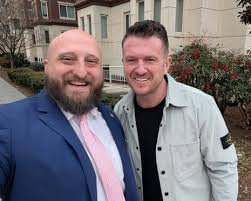
The far-right activist Tommy Robinson has recently been welcomed for a meeting at Washington’s State Department. Robinson, 43, whose birth name is Stephen Yaxley-Lennon, met with Joe Rittenhouse, a senior adviser at the department. Rittenhouse publicly praised Robinson on X, calling him a “free speech warrior” and highlighting his role in defending speech rights. The meeting has drawn widespread attention due to Robinson’s controversial past and convictions in the United Kingdom. Critics have expressed concern that such recognition may normalise extremist viewpoints on an international stage.

Robinson’s legal history includes convictions for assault, using a false passport, mortgage fraud, and contempt of court. The contempt charge arose after he repeated false claims against a Syrian refugee, violating a court injunction. Despite this, Robinson described the meeting as a privilege, stating on X that he was “making alliances and friendships” during his visit to the State Department. This has fueled debate on the ethics of giving prominent platforms to individuals with records of promoting divisive behaviour.
Earlier this month, Robinson revealed he had left the UK following warnings from police regarding threats to his safety. Authorities reportedly received intelligence that he was mentioned in an Islamic State publication, encouraging others to commit violence against him. Robinson shared a recording of a phone conversation with police on X, in which an officer informed him that the magazine, Yalghaar, identified him as a target. In response, Robinson explained that he needed to relocate for his family’s safety and to reassess his personal circumstances away from the UK.
Robinson’s departure follows a pattern of legal scrutiny in recent years. In November, he was acquitted of a terror-related charge after allegedly refusing to provide police with access to his mobile phone during a border check in Folkestone, Kent. After his acquittal, Robinson publicly acknowledged the financial support of Elon Musk, the American tech entrepreneur, who he claimed covered his legal expenses. Such high-profile backing has heightened tensions, as critics question whether international support emboldens individuals linked to extremist rhetoric.
The decision by the Trump administration to host Robinson has sparked condemnation from political figures across the United Kingdom. Scottish Green MSP Maggie Chapman described the meeting as “deeply alarming” and emphasised the dangers posed by promoting divisive, extremist figures. Chapman highlighted Robinson’s career, noting his consistent advocacy for policies rooted in Islamophobia and far-right ideology, which she argued contribute to social division and rising hate crimes. Such remarks underline the broader societal concerns about the legitimisation of extremists by foreign governments.
Chapman warned that this type of engagement could send a dangerous signal internationally. She argued that communities in the UK currently experiencing escalating hate crimes might perceive such meetings as tacit approval of extremist behaviour. The MSP stressed the need for international collaboration to tackle hate, defend human rights, and build inclusive democracies capable of protecting all citizens equally. These concerns reflect a growing unease over diplomatic interactions that may inadvertently validate individuals with controversial pasts.
The meeting also raises questions about the interplay between free speech and extremism. Robinson and his supporters frame their activities as a defence of speech rights, but critics counter that his rhetoric often crosses into promoting prejudice and hostility. The debate underscores the challenge democracies face when balancing civil liberties with public safety, particularly in the digital age where social media amplifies polarising narratives. Experts suggest that recognising figures like Robinson could complicate efforts to counter far-right radicalisation both domestically and abroad.
Robinson’s presence in Washington coincides with a period of heightened scrutiny of far-right movements globally. Analysts note that increased visibility of such figures in official forums can embolden similar groups internationally, potentially destabilising already fragile community relations. Scholars of extremism have repeatedly warned that symbolic gestures of approval can strengthen networks that exploit grievances, misinformation, and fear to advance exclusionary agendas. Consequently, political engagement with controversial figures must be approached with careful consideration of wider social ramifications.
While Robinson frames the meeting as an opportunity to promote alliances and dialogue, his critics argue that it inadvertently legitimises harmful ideology. The tension between freedom of expression and responsible governance remains central to this controversy. By hosting a figure with a documented history of promoting division, governments risk normalising extreme viewpoints and undermining initiatives aimed at fostering social cohesion. This incident highlights the broader challenge of reconciling individual rights with collective security and democratic integrity in modern policymaking.
International reactions have been mixed, with supporters praising Robinson’s commitment to free speech and critics emphasising the risks associated with endorsing divisive rhetoric. The episode has sparked discussion about how Western democracies navigate engagement with polarising figures while upholding principles of inclusivity and equality. Some commentators suggest that more robust frameworks are needed to distinguish between legitimate advocacy and rhetoric that incites hatred, ensuring that state-level interactions do not inadvertently amplify extremist messaging.
 Robinson’s own statements following the meeting emphasise strategic alliances and public visibility, yet critics remain cautious about long-term implications. They note that the symbolic power of state recognition can resonate widely, particularly among far-right networks seeking validation. Legal scholars and human rights advocates argue that governments must carefully weigh the reputational and societal impact of hosting controversial figures, balancing transparency, diplomacy, and public safety priorities to prevent unintended consequences.
The controversy surrounding Robinson’s visit demonstrates the complex intersection of politics, media, and extremism in the modern era. As figures like Robinson gain international attention, governments must navigate sensitive issues regarding civil liberties, public security, and global perception. Critics emphasise the necessity of a measured response that reinforces democratic values, counters hate speech, and prioritises community safety. Experts warn that without careful management, engagement with polarising individuals risks emboldening harmful ideologies and increasing societal division both domestically and abroad.
In conclusion, the Trump administration’s engagement with Tommy Robinson has reignited debates over free speech, extremism, and international diplomacy. Robinson’s controversial history, coupled with the attention afforded by senior officials, underscores the delicate balance between defending civil liberties and curbing radicalisation. Political figures and human rights advocates in the UK stress the importance of careful consideration and international cooperation in countering hate and fostering inclusive communities. This episode highlights broader challenges faced by democracies in managing divisive personalities while safeguarding public trust and democratic integrity in an increasingly interconnected world.
Related News:
 Green Party Surges Past Labour in Latest UK Poll
 Army Officers Orders to Cut Ties with Men-Only Clubs
 Trump’s UK Ambassador Urges North Sea Drilling to Strengthen US Ties
 French Taxi Driver Cleared in David Lammy Theft Case After Fare Dispute
 Labour immigration crackdown could cost UK £4.4bn
BBC to Apologise Over Edited Trump Speech Amid Backlash
Labour immigration crackdown could cost UK £4.4bn
BBC to Apologise Over Edited Trump Speech Amid Backlash
 Britain deploys RAF specialists to assist Belgium with drone threats
 Millionaires group urge Reeves to introduce wealth tax to ‘lift kids out of poverty’
 Starmer Faces Growing Dissent as Labour MPs Weigh Leadership Challenge
 Reeves rejects £1bn plea for NHS redundancy payouts
 PM Condemns Leaks, Vows Loyalty to Ministers and Stability
 Major Rent Reform Ends No-Fault Evictions in England
 Peers Flood Assisted Dying Bill with 942 Amendments
 Senator John Fetterman Hospitalized After Fall from Heart Flare-Up, Keeps Sense of Humor
 US Justice Department Files Lawsuit Against California Over Partisan Voting Maps
 Greene Pushes Epstein Files Amid Trump Fallout
 Trump Deploys DHS to Charlotte in Major Arrest Operation
 December Run-Off in Chile as Election Produces No Winner
 Canada Passes Carney’s First Budget in Tight Parliamentary Vote
 Shadow Fleet at Sea: Europe’s Battle Against Illicit Oil Shipping
 Pentagon Officials in Ukraine to Discuss War End
 Venezuela Threatens Nobel Winner Machado with Fugitive Status
 Most Tories Expect to Support a Farage-Led Government
 Labour MP claims devolution bill is ‘blatant discrimination’ against Cornwall
 Millions Face Higher Taxes Under Reeves New Budget
 Georgians Defy Government Crackdown After Year of Protests
 US National Guard Member Killed in DC Shooting
 ICC to Rule on Duterte’s Provisional Release
 Jordan Bardella: France’s Young Presidential Contender
 Starmer Says Labour’s Economic Plan Needs Years to Deliver
 EU plans $105bn Ukraine aid using frozen Russian assets
 Culture secretary to review Telegraph takeover by Daily Mail owner
 Khaleda Zia Death in Bangladesh: First Female PM Dies at 80
 Russia losses Ukraine war peace talks intensify amid rising deaths
 Albanese Opens Door to Bondi Royal Commission Amid Rising Pressure
 Trump Escalates Minnesota Immigration Surge Amid Rising Tensions
 Iran Protesters Defy Crackdown as Violent Clashes Intensify
 Homeland security agents deployed amid Minneapolis protests
 Plans to Limit Jury Trials Face Retreat After Mounting Opposition
 Trump Threatens Strong Action If Iran Executes Protesters
 US Senate rejects resolution limiting Trump military powers
 Machado Trump medal gesture reshapes Venezuela power struggle
 Right Must Unite After Jenrick Defection, Urges Rees-Mogg
 EU weighs response amid Greenland tariff crisis with Trump
 UK Ministers Drop Foreign Student Targets for Global Education Push
 MPs warn AI financial risks threaten UK stability
 No Gas Boiler Ban as UK Warm Homes Plan Backs Heat Pumps
 Shinzo Abe’s killer receives life sentence in Japan
 Lords Vote Piles Pressure on Starmer Over Social Media Ban
 Sussan Ley leadership milestone shakes Liberal future
 EU Says US Ties Have Suffered ‘Big Blow’ After Greenland Crisis
 Andrew Hastie Emerges as Leadership Rival to Ley
 Satire Can Skewer Trump, But It Won’t Save Democracy
 Reform UK Health Plan ‘Would Cost £1.7bn’, Streeting Says
 Police response times face strict new national limits
 Labour policing overhaul sparks fears over growing central control
 Tories criticised after Braverman defection sparks mental health row
 Starmer warns of toxic division politics in Reform challenge
 Starmer China visit raises human rights pressure on Beijing
 Keir Starmer Signals UK China Reset With Xi Visit Possibility
 Cambridge Faces Scrutiny Over Arms Investment Transparency
 Israel Moves to Bar MSF From Gaza Operations
 Palantir contracts face UK halt calls over transparency
 Australia’s Opposition Coalition Reunites After Rift
 Nurses’ families fear breakup under UK immigration crackdown
 Cabinet Secretary Shake-Up Triggers Due Diligence Warning
 Australian Families Leave Syrian Camp for Home
 Trump Attacks UK-California Energy Pact
 Farage to Name Jenrick as Reform Chancellor Pick
 Civil Service Pay: Union Urges Ministers to End ‘Barking Mad’ Limits
 Antonia Romeo appointment sparks criticism
 Trump and Chagos Deal Rift Over Iran Strikes
 Andrew Arrest Sparks Republic Debate in Australia
 Global corruption crisis: Who Washington shields
 Farage Chagos Islands Row Sparks Fury
 Reform UK targets workers’ rights repeal
 Russian Trade Routed Through British Islands Exposed
 Boss Lincoln: The Partisan Politics of Abraham Lincoln
 Mandelson Arrest: Met Apologises to Hoyle
 Palestine Action ban appeal moves forward