Published: 26 February 2026 . The English Chronicle Desk. The English Chronicle Online
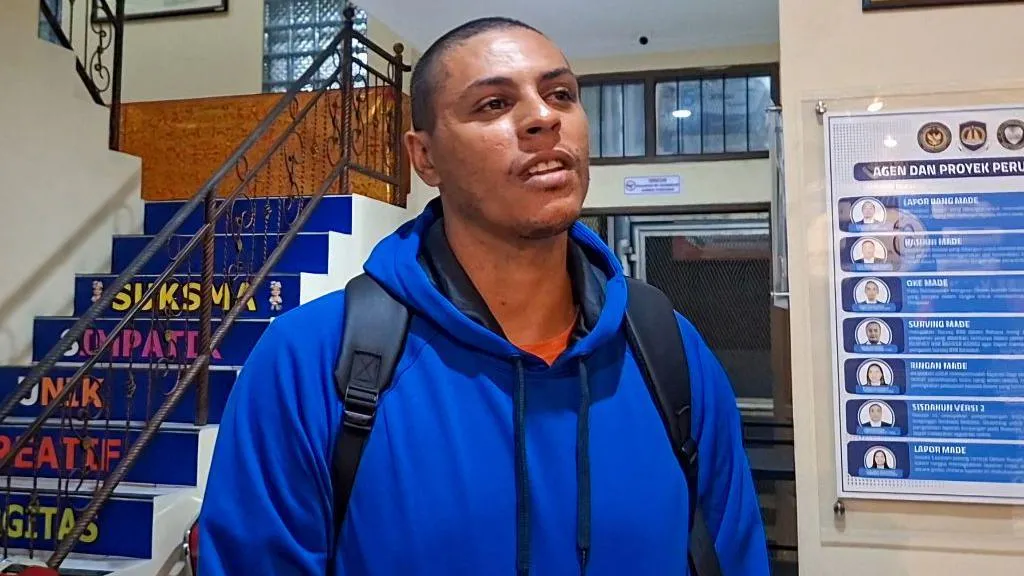
An American man convicted in Indonesia of killing his girlfriend and dismembering her body before placing her remains in suitcases has been deported from Bali after serving an 11‑year prison sentence, Indonesian authorities confirmed this week. The case, which shocked both Indonesian and international observers, has drawn renewed attention as the man returns to the United States following his release.

John Doe (name withheld, 50) was convicted in the Indonesian island’s Denpasar District Court in 2015 of murder and sentenced to life imprisonment for the slaying of his partner, a 34‑year‑old Indonesian woman whose identity was withheld by court order to protect her family. The gruesome killing unfolded in their rented villa in Seminyak, where police discovered the victim’s body parts stored in multiple suitcases after local residents reported a foul smell. Authorities said Doe had fled the villa shortly after the killing but was arrested at Bali’s Ngurah Rai International Airport two days later while attempting to leave the island.
The court found that Doe had used a blunt instrument to fatally strike the victim, before dismembering her in an apparent attempt to conceal the crime, although prosecutors called the act “cold‑blooded” and “premeditated.” The conviction hinged on forensic evidence and witness testimony linking him to the rented property and the victim’s disappearance.
Indonesian prison officials said Doe’s sentence was reduced under local regulations that allow for remission based on good behaviour, participation in rehabilitation programmes and national celebration periods. After being granted remission credits, he became eligible for deportation to the United States once his sentence was deemed complete. Indonesian law requires foreign convicts to be deported after serving their term rather than remain in custody in Indonesia.
Upon his arrival at a US port of entry, FBI and local law enforcement took Doe into custody on a detainer stemming from outstanding warrants related to an earlier weapon possession charge from a previous US arrest. US authorities said they would present the matter to prosecutors in the relevant jurisdiction to determine whether to pursue additional proceedings.
In the United States, Doe’s case file has been sealed under ongoing protocols, but federal officials confirmed that his deportation and immediate custody were handled multilaterally with Indonesian counterparts to ensure legal compliance. A spokesperson for the Department of Justice said authorities would review any potential charges that could be brought under US law based on the original offence or related conduct.

Family members of the victim in Indonesia declined to comment publicly, but Indonesian legal analysts noted that the deportation highlights growing co‑operation between national justice systems in handling serious crimes involving foreign nationals. The case also underscores broader debates over sentence remission policies, prisoner transfer arrangements and the legal mechanisms that govern reintegration of deported offenders.
Related News:
 Emails Show Epstein Funded Mandelson’s Husband After Jail
 Thousands Protest ICE Operations in Nationwide US Day of Action
 US Military Says Two Killed in Strike on Alleged Drug Boat in Eastern Pacific
 Suspect in Rhode Island Ice Hockey Shooting Killed Ex‑Wife and Son
 Desperate Hunt for Breakthrough in Nancy Guthrie Case Turns to Mexico
 Family Offers $1M Reward to Bring Home Missing Mother
 Tragedy Hits Manhattan as Police Officer Among Four Dead in Midtown Office Shooting
 Northern Ireland Family of Three Shot Dead in Maguiresbridge Home Incident
 A Fugitive’s Double Life Uncovered: My Interview with Nicholas Rossi, Scotland’s Notorious Escapee Facing Utah Rape Trial
 Failed New Mexico Candidate Sentenced to 80 Years for Drive-By Shootings at Lawmakers’ Homes
 Father’s Tip Leads to Arrest in Charlie Kirk Murder Case
 Charlie Kirk Killing Used to Mobilise UK’s Largest Far-Right Rally in Decades
 Jailed Georgian Opposition Leaders Warn UK of Iranian Links to Ruling Party
 UK Gamer Recruited by Wagner Group Found Guilty of Arson
 Pregnant UK Teen to Be Freed from Georgian Jail
 Just Stop Oil Protesters Convicted Amid Climate Defence Row
 British Grandmother to Return Home After Death Sentence in Bali
 Oklahoma Governor Grants Last-Minute Clemency to Death Row Inmate
 Teens ‘Ran Amok’ at Ex-MP’s Covid Testing Firm
 Two National Guard Soldiers Critically Injured Near White House
 US Defence Chief on Drug Boat Strike: “Did Not See Survivors”
 American Mother Extradited From UK to U.S. on Murder Charges
 Migrant father guilty of honour killing in Holland
 Trump Says US Will Act on Greenland ‘Whether They Like It or Not’
 Trump Receives Machado’s Nobel Medal in White House Meeting
 The ‘Untouchable Hacker God’ and Finland’s Darkest Digital Crime
 Files Link Andrew to Epstein Dinner After Prison Release
 Epstein Files Reveal Trump Officials’ Emails with Financier
 Thousands Protest ICE in New York Against Trump Deportation Campaign
 US Must Be Prudent When Supplying Arms to Taiwan, Xi Tells Trump
 Fears of New Arms Race as US-Russia Nuclear Weapons Treaty Expires
 Trump Endorses Japan’s Takaichi Ahead of Snap Election
 Venezuela’s Opposition Says Party Leader Kidnapped Hours After Being Freed
 Trump Bizarrely Claims China Will ‘Terminate All Ice Hockey in Canada’ in Threat to Block New Border Bridge
 Suspect Named in Canada School Mass Shooting
 EPSTEIN MYSTERY: Five Unanswered Questions Surround Jeffrey Epstein’s Death
 “It’s Never Too Late”: Savannah Guthrie’s New Plea for Mother’s Release as FBI Analyses Glove
 FBI Won’t Co-operate on Alex Pretti Investigation, State Officials Say
 US Says It “Supports” UK Chagos Islands Deal
 Iran Says ‘Guiding Principles’ Agreed With US at Nuclear Talks
 ‘Staggeringly Stupid’ Man Jailed After Tattooing Children
 Nine Arrested in France Over Death of Far‑Right Student
 India Sentences Three Men to Death for Attack on Israeli Tourist and Hosts
 As Trump Retreats from Climate Goals, China Is Becoming a Green Superpower
 Eight Skiers Found Dead After California Avalanche
 How Much Could Andrew’s Arrest Hurt the Royal Family?
 Epstein Eyed Record Label Investment to Access Women, Files Suggest
 Epstein Files Could Be Just Tip of the Iceberg for Andrew Investigation
Man Guilty of XL Bully Offence After Fatal Attack
Epstein Files Could Be Just Tip of the Iceberg for Andrew Investigation
Man Guilty of XL Bully Offence After Fatal Attack
 ‘El Mencho’ Killed in Military Operation, Triggering Violence
 Violence Erupts in Mexico After Drug Lord El Mencho Killed
 Who Was El Mencho, Mexico’s Most Wanted Man?
 Conman Stole My Money and Bought His Wife a 10‑Carat Diamond Ring
 What We Know About the Search for Savannah Guthrie’s Mother Nancy
 Inside Kyiv’s resolve as conflict nears five‑year mark
 US Partially Evacuates Beirut Embassy Amid Rising Iran Tensions
 Mexican drug cartel boss ‘El Mencho’ tracked through romantic partner
 ‘I reported rape in Hong Kong, now I could face prison’
 Nick Reiner pleads not guilty to killing parents Rob and Michele
 Sydney kidnapping mystery deepens as grandfather’s remains found after mistaken abduction
 Owner Sentenced After Emaciated Dog Put Down
 Two Arrested After Woman Set on Fire in Revenge Attack
 Threat of Further Violence Looms After Mexican Cartel Rampage
 Australians Arrested Over Alleged Murder of Grandfather Mistakenly Kidnapped
 Targeted Attack in Bury Sparks Murder Investigation as Community Awaits Justice
 Merseyside Police Helicopter Crew Cleared After Low-Altitude Pursuit of Suspect
 Channel Crossings Surge: Over 1,000 People Arrive in the UK in Small Boats in a Single Day
 No Evidence Found to Substantiate Alleged Rape in Oxfordshire Churchyard, Police Confirm
 Trump Urges Herzog to Grant Netanyahu Full Pardon
 Indian authorities demolish Kashmir home linked to Red Fort blast
 Greene Pushes Epstein Files Amid Trump Fallout
 Man Denies Stealing Bronze Age Gold from Museum
 Runaway Driver Caught by DNA Evidence
 Trump Weighs Response to Iran Crackdown as Tehran Says Communication Open With US
 US Clears Nvidia AI Chip Sales to China in Policy Shift
 Gulf states warn Trump Iran strikes risk wider Middle East war
 Woman Jailed for Life After Killing E-Bike Rider in Tragic Mistaken Identity Case
 Police Doubt Fugitive Dezi Freeman Survived Bushland
 Drugs, Denial, Stigma: Fiji’s HIV Crisis Hits Children
 Rape Accused Had Fight With Man in Alley, Court Told