Published: 27 February 2026
The English Chronicle Desk
The English Chronicle Online
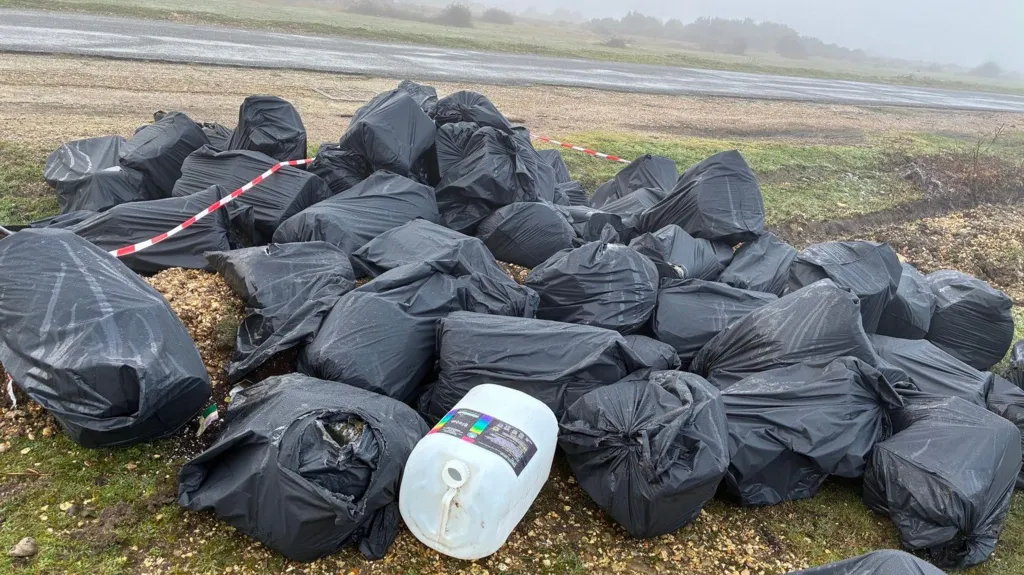
Conservation organisations and local authorities across the United Kingdom are warning that the soaring number of fly‑tipping incidents is placing an increasing strain on already stretched budgets, diverting funds away from environmental protection and nature restoration projects. Latest official figures show that councils in England alone recorded a record high 1.26 million incidents of illegal waste dumping in 2024/25, a nearly 10 per cent increase from the previous year, creating mounting financial and ecological costs for communities and wildlife habitats.

Fly‑tipping — the illegal disposal of waste in roadsides, fields, woodlands and public places — has long been recognised as an environmental and public health challenge. The growth in the problem has led to higher clean‑up bills for local authorities, often consuming money that would otherwise be spent on conservation initiatives, nature projects and habitat restoration. The latest data from the Department for Environment, Food and Rural Affairs (Defra) shows local councils spent at least £19.3 million clearing up the largest cases of dumped waste last year alone, not including the cost of dealing with millions of smaller rubbish deposits.
Environmental campaigners say illegal dumping affects not only urban streets but also countryside landscapes and protected natural areas, where waste can harm wildlife, soil health and water quality. Many landowners and conservation groups report that they must spend significant parts of their limited budgets just to clear up dumped rubbish, leaving less available for active conservation measures such as habitat creation, species protection and woodland management. Pressure groups have described fly‑tipping as a “scourge” that blights communities, farmland and recreational spaces, undermining broader environmental goals.
Local nature organisations have pointed out that resources spent on fighting and removing fly‑tipped waste are funds that cannot be invested in long‑term conservation actions. This includes restoring peatlands, managing woodlands, safeguarding biodiversity in protected sites and supporting clean‑up and wildlife recovery projects. In some rural areas, where illegal dumping has become more frequent, landowners are legally responsible for cleaning up waste on their own property, forcing them to pay out of their own pocket for removal that offers no direct benefit to their operations or the environment.
While national government and local councils have introduced measures to help combat the issue — including new guidance enabling authorities to seize and crush vehicles used in illegal dumping and to name and shame offenders on social media — critics say enforcement remains uneven and under‑resourced. Authorities are being urged to step up surveillance, prosecution and preventative action to reduce fly‑tipping and preserve the finite financial capacity of conservation programmes.
Farmers and countryside organisations have also expressed concern that fly‑tipping undermines legitimate waste disposal businesses, allowing criminals to undercut those that follow proper environmental regulations. This dynamic not only harms conservation budgets but undercuts lawful businesses that support sustainable waste management and recycling.

With environmental agencies and councils facing rising operational costs due to increasing incidents of illegal dumping, many experts say that a comprehensive strategy is needed — one that includes tougher penalties, more robust enforcement and support for landowners and conservation bodies — to reduce waste crime and ensure that limited public funds are directed toward long‑term environmental benefits rather than repeated clean‑up efforts.
Related News:
 UK Winter Nowhere Near a Record Breaker Despite Floods and Storms
 UK Records Warmest Day of the Year as Temperatures Exceed 18 °C
 What is Groundwater Flooding and Why Dorset is Seeing ‘Historical Highs’
 Dozens of Flood Warnings in England After Days of Non-Stop Rain
 Temperatures Dip Below Freezing as Arctic Air Sweeps Across the UK
 Flooding May Worsen Before It Improves as More Rain Forecast for the UK
 Deer Shooting to Be Facilitated in England to Protect Woodlands
 ‘The New Tobacco’: Cities Ban Fossil Fuel Adverts
 Why I Rinse My Recycling and Give It to My Mum
 Scotland’s Climate Plans Face Scrutiny Over ‘Science Fiction’ Targets
 “Enough is Enough”: Local MP Vows to Fight Rainham Quarry Plans
 Heat, Drought and Fire Push UK Nature to Breaking Point in 2025
 UK Snow Forecast Arctic Blast to Bring Up to 11 Inches of Snow
 Norfolk Coastal Graves at Risk as Erosion Deepens Family Anguish
 Record Wildfires Sweep England Amid Hottest 2025 Summer
 Winter plant bloom signals climate breakdown in UK
 Local Fish Could Boost UK Health and Economy Significantly
 World’s richest 1% consume annual emissions in just ten days
 Storm Goretti leaves Cornwall homes without power
 Robo-Vaccination Could Transform Fight Against Bovine TB
 Kent Residents Continue Facing Water Supply Disruptions
 No Gas Boiler Ban as UK Warm Homes Plan Backs Heat Pumps
 Judi Dench Champions Fight to Save London’s Green Spaces
 UK joins North Sea wind grid pact with nine European nations
 Devon hosts first high-density hydro power system
 Storm Chandra floods Somerset, triggers major incident declaration
 UK Pfas Action Plan Faces Criticism From Environmentalists
 South Africa’s Garden Route Gem Faces Looming Water Crisis
 Labour Utterly Humiliated by Straight-Talking Mum Who Cut Through Keir Starmer’s Insanity
 Royal Family LIVE: ‘Pariah’ Andrew Mountbatten-Windsor Sparks Fresh Revolt Among Staff
 GMB Issues Bombshell Andrew Update Minutes Into Show as Furious Viewers ‘Switch Off’
 Draft Severe Weather Plan Following Storm Flooding
 Wigan Dump Crisis Sparks Health and Safety Alarm
 Tributes to Hospital’s First Black Ward Sister
 Cameras Installed to Monitor Flood Levels Across Vulnerable Areas
 Fish disco plan could save 90% of fish at Hinkley C
 Aberdeen Chosen for GB Energy HQ at Marischal Square
 Renters Furious as Decent Homes Standard Delayed Until 2035
 The Victorian aristocrat who became Britain’s first Muslim lord
 UP IN FLAMES: Huge Blaze Rips Through Odeon Cinema, Students Evacuated
 Motorists Could Face ‘Mandatory’ Driving Ban for Road Offences Under Tougher Laws
 Royal Mail Blames Poor Weather and Sickness for Delayed Deliveries
 Disability and LGBT Hate Crimes Set to Become Aggravated Offences
 Snow and Rain Warnings as Cold Snap Continues in the UK
 Teacher Who Lied About Cambridge Degree Banned From Profession
 Illegal Skin Lightening Cream Being Sold in UK Butchers, Watchdog Warns
 Last‑ditch Call to Save Police Front Counters in London
 Deaf Woman Killed After Night Out With Strangers, Court Hears
 Flood risk homes surge across England builds
 Deer Shooting England: New Plan to Protect Woods
 Illegal Waste Dumping: New Drone Unit Launched
 Break from Wintry Weather as UK Temperatures to Climb to 14 °C
 Two Teens Found Dead at East Yorkshire Holiday Park
 Fly-Tippers to Be Hunted by ‘Drone Squad’ in Crackdown from the Sky
 Dad Found in Bed with Daughter 16 Years After Abandoning Her as a Child
 Store at Famous Shopping Village to Close After 18 Years Due to Rising Costs
 I Confronted a Mugger with an 18-Inch Machete in London – No Wonder Tom Cruise is Leaving
Tesco Announces New Rule for Customer Parking Spaces – ‘We Need These Everywhere!’
I Confronted a Mugger with an 18-Inch Machete in London – No Wonder Tom Cruise is Leaving
Tesco Announces New Rule for Customer Parking Spaces – ‘We Need These Everywhere!’
 UK-Bound Jet2 Flight from Spain Declares Mid-Air Emergency Over English Channel
 ‘Don’t Make Us Security Guards,’ Says Teacher Stabbed by Pupil
 Closing Factory Workers Paid to Help at Food Bank
 Schools in England to Get Budget for Children with Special Needs as Part of SEND Overhaul
 Mystery GP on Train Saves Passenger’s Life
 Only 10% of Boys Aged 14–16 Read Daily for Pleasure, National Literacy Trust Finds
Storm Hernando: Edinburgh Airport Flights Cancelled in US Travel Chaos
Only 10% of Boys Aged 14–16 Read Daily for Pleasure, National Literacy Trust Finds
Storm Hernando: Edinburgh Airport Flights Cancelled in US Travel Chaos
 Victorian Bridge Could Be Saved by Traffic Ban
 BBC Apologises After Racial Slur Aired at BAFTAs by Guest With Tourette’s
 Sadistic Pair Jailed for Blowing Up Sheep
 Will the New SEND Reforms in England Work? You Have Your Say
 Spring‑Like Warmth to Peak on Wednesday with 18 °C Forecast
 BBC Edited a Second Racial Slur Out of BAFTA Ceremony
 Group Expands Legal Claim Over South West Water Pollution
 Police Appeal After Goshawk ‘Brutally Shot’
 UK’s First Geothermal Plant Powers 10,000 Homes
 Miliband Says Climate Impact of Data Centres Is Uncertain
 Farmers on Edge as Record Rainfall Dampens Slurry Season

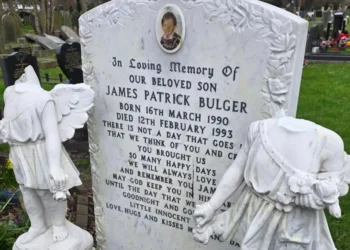 Grave of Murdered Toddler James Bulger Vandalised
 NI Executive Approves Bill to Permanently Ban Fracking
 ‘I Almost Died After a Touch‑and‑Go C‑Section’