
Published: 27 February 2026
The English Chronicle Desk
The English Chronicle Online
The Stormont Executive has formally approved a landmark bill that will permanently ban fracking and end petroleum exploration and licensing in Northern Ireland, marking a significant policy shift in the region’s approach to fossil fuel extraction and climate commitments. The decision was confirmed on Thursday by Economy Minister Caoimhe Archibald following a meeting of the Executive, which agreed to introduce the Petroleum Exploration and Licensing (Repeal) Bill to the Northern Ireland Assembly at the earliest opportunity.

The proposed legislation will remove the statutory powers of the Department for the Economy to issue licences for petroleum exploration or extraction, effectively outlawing hydraulic fracturing and other related petroleum activities. Fracking is a method of extracting gas and oil from shale rock by injecting high‑pressure fluid to force open fissures in the rock. Environmental and community groups have long opposed the practice over concerns about groundwater contamination, air pollution and seismic risks.
Minister Archibald described the Executive’s approval of the bill as a “significant milestone” in advancing Northern Ireland’s decarbonisation and climate action agenda. She said the evidence from public consultations, independent research and detailed impact assessments clearly showed that petroleum development would not deliver meaningful economic benefit to the region and presented environmental and social risks incompatible with the Executive’s climate strategy. By ending petroleum licensing, the minister said the government can prioritise renewable energy, energy efficiency and emerging green technology sectors that are expected to deliver sustainable economic opportunities and help secure energy independence.
The Executive’s move builds on a temporary moratorium on petroleum licensing agreed in December 2024, which halted new licence applications while the government considered the long‑term environmental and economic implications. That moratorium followed an independent review and extensive public consultation that found strong public support for prohibiting petroleum exploration and production.
Supporters of the permanent ban argue it will align Northern Ireland’s energy policy with broader climate goals and with neighbouring jurisdictions that have already outlawed fracking, including the Republic of Ireland and Wales. Sinn Féin representatives, including MLA Áine Murphy who previously introduced a private member’s bill to ban fracking, welcomed the Executive’s decision as vital for protecting local communities and the environment. They said the legislation will safeguard public wellbeing and signal a firm commitment to a sustainable energy future.
Opponents of the ban, particularly some political and industry commentators, have cautioned that ending all forms of petroleum exploration could limit future energy resource options and economic flexibility, especially in a global energy landscape still heavily reliant on hydrocarbons. However, proponents responded that Northern Ireland currently has no active oil and gas extraction and that public policy should reflect the imperative of reducing greenhouse gas emissions and meeting legal climate targets.

The newly approved bill will now be brought before the Northern Ireland Assembly for debate and consideration. If passed by the Assembly and given Royal Assent, it will become law and permanently prohibit fracking, close the door on future petroleum licensing, and embed a cleaner energy trajectory in Northern Ireland’s legal framework.
Related News:
 Tasers Introduced in UK Prisons to Combat Rising Violence and Protect Staff
 Supreme Court Ruling on Car Finance Scandal Poised to Impact Millions of Motorists and Banks
 Targeted Attack in Bury Sparks Murder Investigation as Community Awaits Justice
 Man Remanded After Children Fall Ill at Leicestershire Summer Camp in Shocking Child Cruelty Case
 Prison System Faced Collapse Under Sunak’s Leadership, Reveals Damning Review
 AI Revolutionises Grooming Gang Investigations as Police Target Cold Cases Across England and Wales
 Diane lost her husband to a reckless driver — and the long wait for justice was nearly just as agonizing.
 Police Advised to Disclose Ethnicity of Suspects in High-Profile Cases
 Inquest Finds Agency Worker Failings Led to Unlawful Death of Vulnerable 14-Year-Old
 Major Brand Has Advert Banned for Suggesting Black Skin Is ‘Problematic’
 Merseyside Police Helicopter Crew Cleared After Low-Altitude Pursuit of Suspect
 High Court Rules Against Noel Clarke in Libel Case Against Guardian Publisher
 Angela Rayner Faces Scrutiny as Stamp Duty Row Deepens
 Tanni Grey-Thompson Faces Abuse Over Opposition to Assisted Dying Bill
 UK Launches Major Crackdown on Networks Profiting from Online Child Sexual Abuse
 Corbyn and Sultana Clash Over Membership Portal as Divisions Surface in New Leftwing Party
 Mahmood Pledges Reform of Modern Slavery Laws After Court Blocks Deportation Appeal
 Migrants in UK May Need to Contribute or Face Removal, Home Secretary Signals
 Jailed Georgian Opposition Leaders Warn UK of Iranian Links to Ruling Party
 No Evidence Found to Substantiate Alleged Rape in Oxfordshire Churchyard, Police Confirm
 Digital ID Plans Ignite Debate Over £600m Treasury Tax Boost and Privacy Concerns
 Madeleine McCann Detectives to Testify Against Woman Accused of Stalking the Family
 Lucy Powell urged ministers to reconsider costly legal case for Labour donor’s firm
 Johnson Approved China’s London ‘Super-Embassy’ in 2018
 Afghan man charged with murder after west London knife attack
 French Taxi Driver Cleared in David Lammy Theft Case After Fare Dispute
 Just Stop Oil Protesters Convicted Amid Climate Defence Row
 Newcastle United Lifts Ban on Fan Over Gender-Critical Views
 King Charles to Lead Nation in Remembrance Sunday Service
 Government urges schools to ban phones to curb classroom disruption
 Pop Stars Call on UK Government to Cap Resale Prices for Fans
 Major Rent Reform Ends No-Fault Evictions in England
 Peers Flood Assisted Dying Bill with 942 Amendments
 UK Asylum Overhaul Sparks Debate Over Human Rights and Deportations
 UK Asylum Reforms: Temporary Refugee Status and Faster Deportations
 Mahmood Defends Tough Overhaul of UK Asylum System
 Serial Rapist and Former Cop Found Guilty Again
 Peers Get Extra Time to Debate Assisted Dying Bill
 Virgin Media Fined £23.8m Over Telecare Safety Failures
 UK Police Forces Face Criticism Over Biased Facial Recognition Use
 Starmer’s communications chief to outline media strategy overhaul
 Google Employee Claims Redundancy After Harassment Report
 Plans to Limit Jury Trials Face Retreat After Mounting Opposition
 Woman Jailed for Life After Killing E-Bike Rider in Tragic Mistaken Identity Case
 Betfair Faces Pressure Over Funds Lost to Gambling Fraud
 HMRC Delays Leave Taxpayers Waiting Over a Year for Refunds
 Prince Harry’s Trial Against Daily Mail Puts UK Press on Edge
 Starmer tariffs stance rejects US trade retaliation
 Study Finds One in Seven England Takeaways Are Dark Kitchens
 Police Probe Mandelson Over Alleged Epstein Leak
 Draft Severe Weather Plan Following Storm Flooding
 Appeal to B&B Owners Over Cash Point Ram-Raid
 What is Groundwater Flooding and Why Dorset is Seeing ‘Historical Highs’
 David Furnish Says Alleged Daily Mail Hacks of Him and Elton John Were ‘An Abomination’
 Parents in Tears as Court Hears Summer Camp Predator Jon Ruben’s Victims Were ‘Tired and Floppy’ After Eating Laced Sweets
 Dozens of Flood Warnings in England After Days of Non-Stop Rain
 Man in Court Charged with Belfast Murder
 Rapist Caught by DNA 20 Years After Teen Attack
 Wayne Couzens Still Eligible for £7k Pension
 Motorists Could Face ‘Mandatory’ Driving Ban for Road Offences Under Tougher Laws
 Temperatures Dip Below Freezing as Arctic Air Sweeps Across the UK
 Students Begin Covid Compensation Claim Against 36 More Universities
 Disability and LGBT Hate Crimes Set to Become Aggravated Offences
 Last‑ditch Call to Save Police Front Counters in London
 Prisoner Escapes London Hospitals Twice in a Week
 Dual Nationals Face Scramble for UK Passports as New Rules Come Into Force
 Ex‑Mail Reporter Denies Making Payments for Lawrence Information
 Civil Service Pay: Union Urges Ministers to End ‘Barking Mad’ Limits
 How Much Could Andrew’s Arrest Hurt the Royal Family?
 Fly-Tippers to Be Hunted by ‘Drone Squad’ in Crackdown from the Sky
 Court Error Frees Rape Suspect Who Flees UK
 Sadistic Pair Jailed for Blowing Up Sheep
 David Lammy lifts cap on court sitting days in effort to cut backlog of cases
 Trial Date Set for Student Accused of Racial Hatred
 Rape Accused Had Fight With Man in Alley, Court Told
 UK’s First Geothermal Plant Powers 10,000 Homes
 Flatmates Cleared of Raping Man After Night Out
 UK Winter Nowhere Near a Record Breaker Despite Floods and Storms
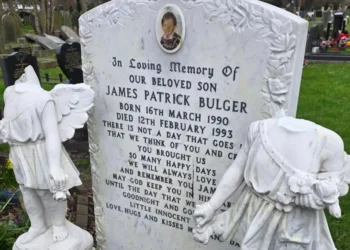 Grave of Murdered Toddler James Bulger Vandalised
 Man Charged Over Derry Kidnapping Incident