Published: 2 March 2026
The English Chronicle Desk
The English Chronicle Online
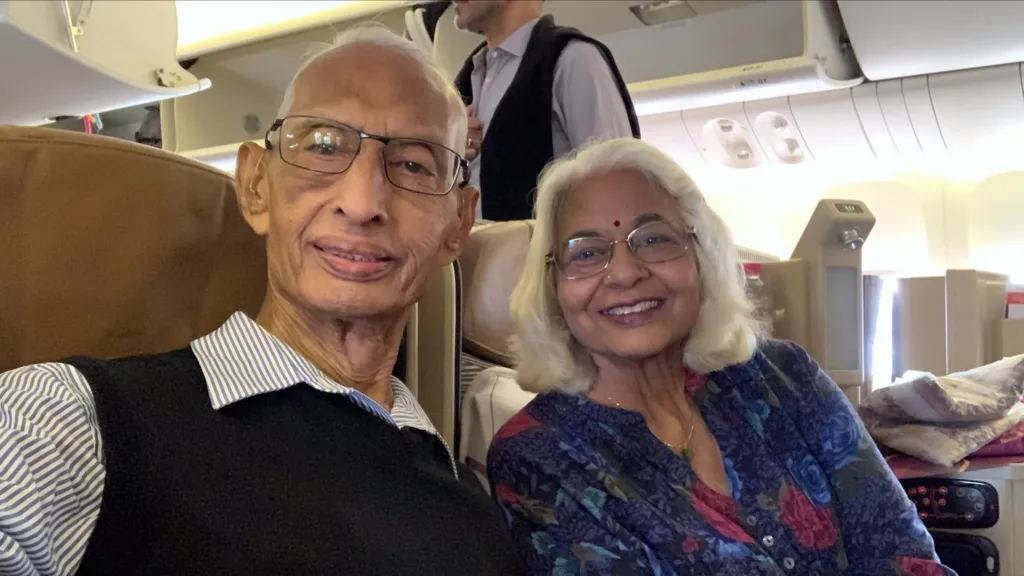
A family’s long-awaited holiday turned into shock and disbelief at the airport check-in desk after airline staff informed them that their flight tickets did not exist in the booking system — despite having paid hundreds of pounds weeks earlier. What they later discovered was that they had unknowingly purchased fraudulent airline tickets, highlighting the growing problem of online travel scams affecting British consumers.

The couple, who had booked return flights through what appeared to be a professional travel website, said they received confirmation emails, booking references and even what looked like legitimate e-tickets. Everything appeared authentic. It was only when they attempted to check in for their departure that airline staff told them there was no valid reservation linked to their names or reference number.
According to consumer protection experts, such scams typically involve third-party websites or social media sellers advertising discounted fares. In some cases, scammers fabricate booking confirmations entirely. In others, they use stolen payment details to temporarily secure real bookings, which are later cancelled before travel. Victims often only discover the fraud at the airport, when it is too late to make alternative arrangements without paying significantly higher last-minute fares.
The family described the moment at check-in as “humiliating and surreal,” saying they initially believed it was a system error. Airline staff double-checked multiple times before confirming the tickets were invalid. With luggage packed and children in tow, they were forced to either abandon the trip or purchase new flights at short notice. Ultimately, they paid substantially more to avoid cancelling the holiday altogether.
UK consumer groups warn that travel-related scams have increased significantly, particularly during peak holiday seasons when demand for flights rises and consumers search aggressively for cheaper deals. Fraudsters frequently replicate airline logos, use domain names closely resembling legitimate agencies, and provide convincing customer service responses to maintain the illusion of authenticity.
Industry analysts advise travellers to book directly through airline websites or through established, accredited travel agencies. Consumers are also urged to verify booking references directly with airlines before travel, check whether agencies are protected by recognised financial protection schemes, and avoid paying via untraceable methods such as direct bank transfers.
Financial recovery in such cases can be complicated. Victims who paid by credit card may be able to initiate a chargeback or claim under Section 75 of the Consumer Credit Act if the purchase exceeds £100. However, reimbursement is not guaranteed and often depends on the specific circumstances of the transaction. Those who paid via debit card or bank transfer may face greater difficulty recovering funds.
The emotional toll can be significant. Beyond financial loss, families often experience stress, embarrassment and disruption to long-planned events. Travel insurers typically do not cover losses from fraudulent ticket purchases unless specific add-on protections were in place.
Authorities encourage anyone who suspects they have been targeted by an online flight scam to report the incident to Action Fraud and their bank immediately. Early reporting can sometimes prevent further financial damage and assist in identifying organised fraud networks.

As online booking becomes the dominant method of travel purchasing, experts stress that vigilance remains essential. The convenience of digital platforms has transformed the industry, but it has also created opportunities for increasingly sophisticated scams. For this family, what began as excitement for a trip abroad became a cautionary lesson in the importance of verifying travel bookings before arriving at the airport.
Related News:
 What Happened to Bathroom Doors in Hotels?
 Jet2 Hands Passengers Life Ban After Mid‑Air Brawl
 Dual Nationals Face Scramble for UK Passports as New Rules Come Into Force
 Abandoned UK Village Being Reclaimed by Nature is ‘Vast, Wild and Fascinating’
 UK-Bound Jet2 Flight from Spain Declares Mid-Air Emergency Over English Channel
 Bumper Ski Season but Avalanches Threaten Scotland’s Snowy Hills
 Storm Hernando: Edinburgh Airport Flights Cancelled in US Travel Chaos
 Storm Hernando: Edinburgh Airport Flights Cancelled in US Travel Chaos
 Victorian Bridge Could Be Saved by Traffic Ban
 Luxury Airbnb Cabins With Hot Tubs Must Be Demolished After Planning Ruling
 UK’s New Travel System: What It Is and How Dual Nationals Are Impacted
 Rolling Hills and Heritage: A Car-Free Break in Leicestershire
 Spain to Check Gibraltar Arrivals Under Post-Brexit Deal

 UK Must Act with Courage and Clarity on Israel-Palestine Conflict, Says Foreign Affairs Committee Report
 London Set to Honour Euro 2025 Champions as Lionesses Take Victory Parade Through the Capital
 Targeted Attack in Bury Sparks Murder Investigation as Community Awaits Justice
 Princess of Wales Launches Animated Video Series to Support Early Childhood Development
 Heartbreak in the New Forest as Shetland Ponies Vanish, Community on Edge
 Fire Contained at Edinburgh’s Arthur’s Seat After Overnight Battle by Firefighters
 Premier League Supercomputer Predicts Tough Season for Man Utd Amid Three-Team Title Battle
 Mystery Wallaby Spotted on Norfolk-Suffolk Border Sparks Police Appeal
 UK Weather: Heat Alerts Extended as Temperatures Set to Reach 30°C This Weekend
 Terence Stamp, ’60s British Film Legend and Star of Superman, Dies at 87
 Merseyside Police Helicopter Crew Cleared After Low-Altitude Pursuit of Suspect
 Education Leaders Call for End to Compulsory GCSE Resits in English and Maths
 Thousands of New School Nursery Places to Be Rolled Out Across England
 Tanni Grey-Thompson Faces Abuse Over Opposition to Assisted Dying Bill
 Birmingham Bin Strike Enters Sixth Month as Negotiations Stall
 Over 40% of Private Renters Forced to Ration Energy to Afford Bills, Study Reveals
 Systemic Racism in Maternity Care Continues to Endanger Black Women in England, MPs Warn
 Northern Ireland Faces Fears of Prolonged Race Riot “Permacrisis”
 Nigel Farage Unveils Controversial Immigration and Welfare Plans at Reform UK Press Conference
 Scottish Teenager’s Petition on Single-Use Plastics Gains Parliamentary Support
 White Low-Income Pupils in England Show Lowest Levels of School Engagement, Study Finds
 No Evidence Found to Substantiate Alleged Rape in Oxfordshire Churchyard, Police Confirm
 UK House Price Growth Slows as Buyers Exercise Caution Ahead of Autumn Budget
 Massive London Poundland Fire Engulfs High Street
 Paedophile Singer Ian Watkins Dies After Prison Attack
 UK border officers deployed to Balkans to tackle migrant smuggling
 UK MPs warn of repeat riots over online misinformation
 Giuffre’s bombshell memoir names Prince Andrew 88 times in shocking revelations
 M&S and Morrisons Lead Christmas Supermarket Taste Test
 Reeves Faces Setback as Labour May Miss Homes Target
 Kate Winslet to Narrate Film Highlighting King’s Environmental Mission
 Trump’s UK Ambassador Urges North Sea Drilling to Strengthen US Ties
 UK Bans Fake Numbers: Scammers Lose Their Trick
 Millionaires group urge Reeves to introduce wealth tax to ‘lift kids out of poverty’
 Reeves rejects £1bn plea for NHS redundancy payouts
 PM Condemns Leaks, Vows Loyalty to Ministers and Stability
 Inside the Helpline Protecting Missing Children in the UK
 PlayStation PS5 Deals Hit Lowest Prices Ahead of Black Friday
 Five-Year-Old Dies After Rare Tonsil Surgery Complication
 Starmer Says Labour’s Economic Plan Needs Years to Deliver
 Historic £100-Weekly Pension Boost Brings Relief for UK Mineworkers
 Children to Receive Home Vaccines as England Acts
 Cambridge College Faces Backlash Over Private School Recruitment
 Bereaved Fathers Gain New Paternity Leave Rights in UK
 Woman Jailed for Life After Killing E-Bike Rider in Tragic Mistaken Identity Case
 No Gas Boiler Ban as UK Warm Homes Plan Backs Heat Pumps
 Police response times face strict new national limits
 Devon hosts first high-density hydro power system
 South Africa’s Garden Route Gem Faces Looming Water Crisis
 Draft Severe Weather Plan Following Storm Flooding
 Major UK Clothing Firm Collapses into Administration — 109 Jobs at Risk
 Send spending gap leaves deprived areas behind
 William Wanted Andrew BANISHED and Rowed With Charles Over ‘Stain on Royal Family’
 Renters Furious as Decent Homes Standard Delayed Until 2035
 Could Manchester Lead the UK’s Economic Revival?
 Motorists Could Face ‘Mandatory’ Driving Ban for Road Offences Under Tougher Laws
 Lloyds Boss Accepts Concern Over Use of Staff Data in Pay Talks
 With Scottish Freebies Under Threat, University Tuition Is on the ‘Hit List’
 Civil Service Pay: Union Urges Ministers to End ‘Barking Mad’ Limits
 UK Job Vacancies Hit Five-Year Pandemic Low
 Meet Robert Aramayo: From Humble Beginnings in Hull to Juilliard and BAFTA Glory After Beating Timothée Chalamet
 UK Youth Unemployment Surges Amid Tax Changes
 Half of Britons Avoid GP When Ill, Survey Reveals Growing Concern
 Russian Trade Routed Through British Islands Exposed
 Rape Accused Had Fight With Man in Alley, Court Told
 Mother Says ‘I Hugged My Daughter’s Killer’ as They Cried Together in Prison