Published: 02 March 2026. The English Chronicle Desk. The English Chronicle Online.
The UK teen social media ban debate has entered a decisive new phase. Hundreds of young people will soon take part in trials testing restrictions. The government hopes these pilots will shape future online safety laws. The consultation could lead to strict national limits for under-16s. Ministers say urgent action is needed to protect children’s wellbeing.
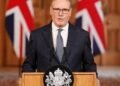
Under proposals backed by Keir Starmer, teenagers will trial overnight digital curfews. Daily screen time caps will also be examined during the pilot programme. Officials describe the process as the most ambitious consultation ever attempted. The trials will last three months and gather detailed behavioural data. Researchers will assess sleep, mood, and physical activity changes.
The UK teen social media ban discussion follows Australia’s recent decisive action. Lawmakers there passed restrictions barring under-16s from major platforms. British ministers are studying that framework closely before making final decisions. The consultation asks whether a legal minimum age should apply. It also questions how such limits would be enforced fairly.
Another focus concerns addictive design features used by major platforms. Infinite scrolling and autoplay functions may face regulatory intervention. Officials argue these tools encourage excessive nighttime use among adolescents. Overnight curfews could require apps to deactivate during certain hours. Supporters believe improved sleep could boost classroom performance and wellbeing. The review also extends beyond traditional networking applications. Ministers want to examine access to artificial intelligence chatbots. They are concerned about unfiltered interactions with generative systems. Gaming platforms such as Roblox are included in the consultation. Lawmakers question whether similar safeguards should apply there too.
The first trial group will involve around 150 children. Participants aged 13 to 15 will test various restriction models. Some will lose access entirely during the trial period. Others will face a strict one-hour daily usage limit. A third group will experience mandatory overnight digital curfews.
Researchers will track measurable changes across several wellbeing indicators. Sleep duration and consistency will be closely monitored. Emotional patterns and reported anxiety levels will also be assessed. Physical movement and outdoor activity participation will be recorded carefully. Officials hope clear evidence will guide balanced legislation.
The government says growing public concern prompted the initiative. Parents across Britain report struggles managing device use at home. Many fear harmful content appears before safeguards activate. The UK teen social media ban consultation invites families to share experiences. Ministers insist their final decision will reflect collected evidence.
Not everyone supports a blanket prohibition on youth access. The NSPCC warned about unintended consequences last month. It argued bans could push teenagers towards hidden online spaces. These areas may lack moderation and formal oversight entirely. Child safety experts caution against simplistic policy solutions.
The 5Rights Foundation voiced similar concerns publicly. Campaigners argue responsibility should remain with technology companies themselves. They fear a ban might allow platforms to avoid accountability. Critics believe structural reform matters more than outright restriction. They urge government to focus on safer design standards.
Conversely, the Smartphone Free Childhood campaign supports decisive measures. The grassroots movement recently mobilised 250,000 supporters nationwide. Parents wrote directly to Members of Parliament demanding action. Organisers say families feel overwhelmed by powerful algorithmic systems. They argue stronger age boundaries are urgently required.
Joe Ryrie, the group’s co-founder, has spoken forcefully. He insists child safety responsibility belongs with technology corporations. He argues profit-driven systems should not dictate childhood experiences. Campaigners want clear legal standards, not voluntary industry pledges. They believe enforceable regulation would change corporate incentives.
Technology companies have largely remained cautious in response. Meta, owner of Instagram, declined to comment publicly. Representatives from TikTok and X offered no immediate statements. Industry sources privately suggest cooperation remains possible. However, they warn blanket bans could prove technically complex.
Recent disclosures added further political sensitivity to the issue. Reports revealed extensive meetings between technology lobbyists and ministers. Campaigners attended significantly fewer government consultations over two years. Critics argue this imbalance risks skewing policy perspectives. Ministers maintain all stakeholders will be heard equally.
Technology Secretary Liz Kendall defended the consultation approach publicly. She acknowledged widespread parental uncertainty about screen exposure. Kendall said families struggle to judge appropriate device timing. She emphasised the need for children to thrive digitally. The government wants evidence-based policy rather than rushed reaction.
The broader legal backdrop includes the Online Safety Act. That legislation introduced new child protection duties recently. Some ministers believe it may not go far enough. They argue rapid technological evolution demands stronger safeguards. Others suggest regulators should fully implement existing powers first.
The UK teen social media ban proposal therefore sits within evolving policy. It reflects mounting pressure after several tragic cases. The Molly Rose Foundation continues advocating systemic change. The charity was established after the death of Molly Russell. Her family linked harmful online content to her mental health decline.
Foundation chief executive Andy Burrows urged careful decision-making. He warned against measures creating a false sense of safety. Burrows argued evidence must guide lasting reform. Parents, he said, demand meaningful accountability from platforms. He described child wellbeing as non-negotiable in digital business.
Youth voices are also central to the consultation. Teenagers themselves will share personal digital experiences. Policymakers believe this feedback is essential for credibility. Adolescents often use platforms for education and social connection. Any restriction could affect friendships and creative expression.

Education leaders are watching developments closely. Schools increasingly address digital literacy within classroom lessons. Teachers report distractions linked to constant notifications. Some headteachers support curfews aligning with homework routines. Others worry enforcement outside school premises remains challenging.
Health professionals have contributed to the debate extensively. Paediatricians cite correlations between late-night scrolling and fatigue. Mental health charities note rising anxiety among adolescents. Yet experts caution that causation remains complex. Social media can also provide community and peer support.
The economic dimension cannot be ignored either. Britain hosts significant technology investment and innovation sectors. Strict regulation may influence corporate strategies. However, supporters argue clear standards create predictable business environments. They believe safeguarding children strengthens long-term public trust.
As the consultation unfolds, public attention continues intensifying. Parliamentary committees are expected to scrutinise emerging evidence carefully. Lawmakers from multiple parties acknowledge cross-party concern. The outcome may reshape Britain’s digital childhood landscape. For many families, the stakes feel deeply personal.
The coming months will therefore prove critical for policymakers. Trial data will offer measurable insight into behavioural change. Consultation responses may reveal strong generational divides. Ultimately, ministers must balance freedom with protection responsibly. The UK teen social media ban debate now stands at a crossroads.
Related News:
 MPs warn AI financial risks threaten UK stability
 MPs warn AI financial risks threaten UK stability
 UK Social Media Ban for Under-16s Gains Momentum
 UK Fighter Jet Purchase Could Breach Nuclear Treaty, Warns CND
 Yvette Cooper Backs Digital ID Plan for UK Teens
 Reform UK candidate fined £19,000 after using AI-generated cases to challenge election
 British Woman in Iran ‘Losing Hope’ Amid Ongoing Detention
 Green Party Surges Past Labour in Latest UK Poll
 Celebrities and Charities Demand UK Government Act on Child Poverty
 Trump’s UK Ambassador Urges North Sea Drilling to Strengthen US Ties
 FBI Director Kash Patel Defends Girlfriend Amid Government Jet Claims
 French Taxi Driver Cleared in David Lammy Theft Case After Fare Dispute
 UK Bans Fake Numbers: Scammers Lose Their Trick
 Patients to Test Health at Home to Ease NHS Winter Pressure
 Britain deploys RAF specialists to assist Belgium with drone threats
 ‘Reckless’ cuts to victims’ services will cost more than they save
 Millionaires group urge Reeves to introduce wealth tax to ‘lift kids out of poverty’
 Starmer Faces Growing Dissent as Labour MPs Weigh Leadership Challenge
 Reeves rejects £1bn plea for NHS redundancy payouts
 Northern Lights may illuminate UK skies this week
 Politics latest: Starmer ‘will fight any leadership coup’ as Streeting denies attempt to oust Labour PM
 PM Condemns Leaks, Vows Loyalty to Ministers and Stability
 Major Rent Reform Ends No-Fault Evictions in England
 Peers Flood Assisted Dying Bill with 942 Amendments
 England’s Special Needs Support Faces Breaking Point
 MoD warned over Excel risks before Afghan data breach
 Labour Faces Historic Decline in Wales
 PM Highlights UK Business at G20 in South Africa
 Coffins Now Too Large to Cremate Amid Rising Obesity Crisis
 Most Tories Expect to Support a Farage-Led Government
 Labour MP claims devolution bill is ‘blatant discrimination’ against Cornwall
 Millions Face Higher Taxes Under Reeves New Budget
 Peers Get Extra Time to Debate Assisted Dying Bill
 Starmer Says Labour’s Economic Plan Needs Years to Deliver
 Culture secretary to review Telegraph takeover by Daily Mail owner
 AI Grok Sparks Child Safety Alarm in the UK
 Plans to Limit Jury Trials Face Retreat After Mounting Opposition
 Amazon Milton Keynes closure sparks concern for UK warehouse workforce
 Right Must Unite After Jenrick Defection, Urges Rees-Mogg
 UK Ministers Drop Foreign Student Targets for Global Education Push
 No Gas Boiler Ban as UK Warm Homes Plan Backs Heat Pumps
 Hugh Grant Joins Call for Under-16 Social Media Ban in UK
 Shinzo Abe’s killer receives life sentence in Japan
 Lords Vote Piles Pressure on Starmer Over Social Media Ban
 Reform UK Health Plan ‘Would Cost £1.7bn’, Streeting Says
 Police response times face strict new national limits
 Labour policing overhaul sparks fears over growing central control
 Tories criticised after Braverman defection sparks mental health row
 Burnham Westminster return hopes fade amid Labour rift
 Pornhub blocks new UK users over age checks dispute
 Starmer warns of toxic division politics in Reform challenge
 Starmer China visit raises human rights pressure on Beijing
 Labour Must Revive High Streets to Avoid Election Collapse
 Calls Grow for King Charles to Apologise for Crown’s Role in Slavery
 UK New Car Discounts Near £6,000 as Prices Are Slashed
 Palantir contracts face UK halt calls over transparency
 Labour Thinktank Row Deepens Over Journalist Probe Claims
 Labour Lord Doyle Apologises Over Paedophile Ties in Political Storm
 Cabinet Secretary Shake-Up Triggers Due Diligence Warning
 Starmer Faces Inquiry Calls Over Thinktank Probe
 Starmer Targets AI Chatbots Over Child Safety Concerns
 Royal Mail Delivery Crisis Deepens Amid Weather Chaos
 Farage to Name Jenrick as Reform Chancellor Pick
 NHS Negligence Ruling Raises Payout Costs
 Civil Service Pay: Union Urges Ministers to End ‘Barking Mad’ Limits
 Antonia Romeo appointment sparks criticism
 Trump and Chagos Deal Rift Over Iran Strikes
 Farage Chagos Islands Row Sparks Fury
 Trump Tariffs Threat Spark UK and EU Alarm
 Gasfield Deal Sparks Debate Over Fracking in Lincolnshire
 Reform UK targets workers’ rights repeal
 Mandelson Denounces Arrest Over ‘Baseless’ Fleeing Claims
 Russian Trade Routed Through British Islands Exposed
 Mandelson Arrest: Met Apologises to Hoyle
 Palestine Action ban appeal moves forward
 Facial Recognition Error Leads to Wrongful Arrest in Milton Keynes
 Reeves Must Back Defence Plan or Face Dismissal, Says Unite Chief
 NHS Maternity Units Cover Up Harmful Childbirth Errors
 Green Party Stuns Labour in Gorton and Denton Byelection
 Refugee Status Overhaul Sparks UK Debate