Published: 02 March 2026. The English Chronicle Desk. The English Chronicle Online.
The future of the GCAP fighter jet has taken a new turn after comments from Tufan Erginbilgiç. The Rolls-Royce chief said he would welcome Germany joining the ambitious defence programme. His remarks come as Europe reassesses military cooperation amid rising geopolitical pressure. The GCAP fighter jet, also known as Tempest, is central to Britain’s long-term defence strategy.
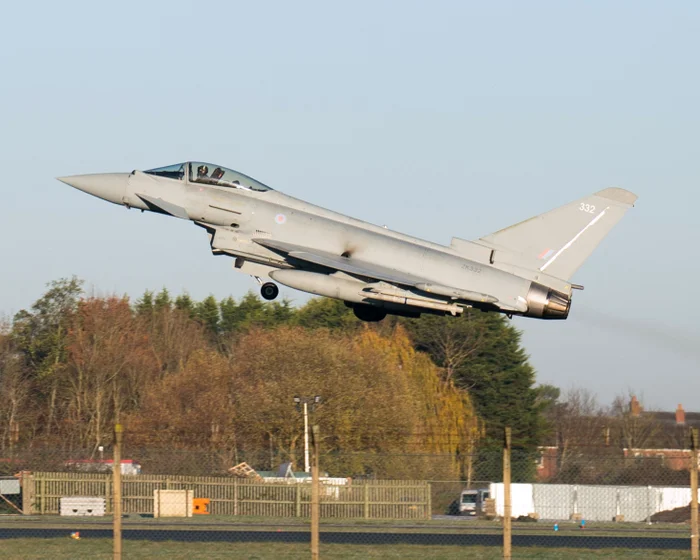
The aircraft is designed to replace the ageing Eurofighter Typhoon fleet currently in service. It is being developed jointly by the United Kingdom, Italy and Japan. The programme, formally named the Global Combat Air Programme, aims to deliver a sixth-generation combat aircraft by 2035. Rolls-Royce is responsible for building the advanced engine that will power the jet.
Speaking in a recent interview, Erginbilgiç said he would “definitely be open” to Germany joining the partnership. He stressed that broader participation would strengthen the industrial and commercial base. According to him, countries that become partners are far more likely to commit to purchases. That, he suggested, would create greater certainty for long-term investment and production planning.

Rolls-Royce already has deep ties with Germany through its Dahlewitz facility near Berlin. The site plays a significant role in civil aerospace and business aviation engines. Erginbilgiç noted that cooperation in military aerospace could extend existing relationships. However, he was clear that any decision would ultimately rest with governments, not corporate leaders.
His comments arrive as Germany’s own fighter collaboration with France faces serious uncertainty. The rival programme, known as the Future Combat Air System, has stalled following industrial disagreements. The project brings together Dassault Aviation and Airbus Defence and Space, yet tensions have slowed progress. Disputes over design authority and technical leadership have reportedly complicated negotiations.
In February, German Chancellor Friedrich Merz indicated that the proposed aircraft might not meet Germany’s operational requirements. He explained that Berlin did not need a nuclear-capable fighter, unlike France. While he described the disagreement as technical rather than political, observers saw deeper strategic differences. The uncertainty surrounding FCAS has inevitably raised questions about Germany’s future direction.
Against this backdrop, Britain has signalled openness to new partners in the GCAP fighter jet programme. Officials emphasise that any expansion must not delay the 2035 service target. Defence analysts have warned that adding another major participant could complicate governance structures. Negotiating industrial workshare and intellectual property rights might slow critical milestones. Nevertheless, supporters argue that greater scale could reduce long-term costs.
The geopolitical environment adds urgency to these deliberations. European governments are increasing defence spending in response to Russia’s actions in Ukraine. Meanwhile, former US President Donald Trump has repeatedly urged Europe to shoulder more responsibility for its own security. Such pressures have encouraged closer regional cooperation on advanced military capabilities.
Erginbilgiç framed the GCAP fighter jet as more than a defence project. He argued that investment in high-end aerospace strengthens national economic performance. The United Kingdom currently exports Typhoon aircraft to international customers. Maintaining design and manufacturing expertise ensures continued competitiveness in global markets. Without domestic capability, he suggested, export opportunities would diminish rapidly.
He also highlighted the technological spillover into civil aerospace. Advances in materials, propulsion systems and digital engineering often migrate between military and commercial applications. Rolls-Royce’s civil engine business benefits from innovations developed in defence programmes. In his view, this cross-fertilisation underpins Britain’s broader industrial resilience.
The discussion comes as Rolls-Royce reports a strong financial recovery. The company announced a 40 per cent increase in profits last year. Demand for power solutions, including those supporting data centres, has boosted performance. The turnaround has restored investor confidence after several challenging years. Market analysts see the improved balance sheet as strengthening Rolls-Royce’s role in long-term defence ventures.
Defence stocks across Europe have also experienced renewed attention from investors. Heightened tensions in the Middle East and ongoing conflict in Eastern Europe have fuelled expectations of sustained military spending. Although market movements can be volatile, strategic programmes such as the GCAP fighter jet are viewed as long-term commitments. Governments typically maintain funding even during economic uncertainty.
A spokesperson for the UK government reiterated that Britain remains open to additional partners. However, officials stressed that the programme must stay on schedule. The Ministry of Defence is preparing a long-awaited defence spending review. That document is expected to clarify funding profiles and procurement priorities. Industry leaders hope it will provide certainty for contractors and suppliers.
Italy and Japan, the existing partners, have invested significant political capital in the project. For Japan in particular, participation represents a major shift in defence policy. Tokyo seeks to enhance its domestic aerospace industry while strengthening ties with European allies. Coordinating across three nations already requires careful management of standards and timelines. Expanding to include Germany would add both opportunity and complexity.
Supporters of German participation argue that Berlin’s industrial base could accelerate development. Germany possesses strong engineering capabilities and substantial defence manufacturing capacity. Shared costs might ease budgetary pressures on existing partners. Moreover, a broader European coalition could send a powerful political signal about continental unity.
Critics caution that past multinational programmes have suffered from delays and cost overruns. Aligning different military doctrines and procurement processes can prove difficult. They point to historical challenges in collaborative projects as lessons to heed. Ensuring streamlined decision-making will be crucial if the GCAP fighter jet expands.
Despite uncertainties, momentum behind the programme appears steady. Prototype development and technology demonstrators are advancing under tight timelines. Engineers are working on stealth features, advanced sensors and integrated combat systems. The ambition is to deliver a platform capable of operating alongside uncrewed systems. Such capabilities are considered essential for future air superiority.
 For Britain, the stakes extend beyond military hardware. The aerospace sector supports tens of thousands of skilled jobs across the country. Regions with established manufacturing hubs rely heavily on defence contracts. Political leaders are therefore keen to protect and expand this industrial ecosystem.
Germany’s next steps remain unclear, yet discussions are likely to continue quietly. Diplomatic engagement between London, Berlin and other partners could intensify in coming months. Much will depend on the trajectory of the stalled FCAS negotiations. If those talks fail to regain momentum, alternatives may look increasingly attractive.
In the meantime, Erginbilgiç’s remarks have added fresh energy to the debate. His openness signals industry readiness for broader collaboration. Whether governments choose to act on that invitation will shape Europe’s defence landscape for decades. The GCAP fighter jet now stands at the centre of that strategic conversation.
Related News:
 UK Must Act with Courage and Clarity on Israel-Palestine Conflict, Says Foreign Affairs Committee Report
 Chancellor Faces Mounting Pressure Amid “Impossible Trilemma” Over Tax Rises
 Radioactive Leak at UK’s Nuclear Warhead Base Sparks Outcry Over Safety and Secrecy
 Mass Arrests in London as Protest Defies Ban on Palestine Action
 Mutual Inconvenience: Why Alaska Was Chosen for the Trump-Putin Summit on Ukraine
 UK Government Expands ‘Deport Now, Appeal Later’ Policy to 23 Countries
 Chancellor Rachel Reeves Pushes for Sweeping Changes to Environmental Protections to Accelerate Development
 Larger Families Could Gain Thousands if Labour Ends Two-Child Benefit Cap
 Is the UK Ready to Put Boots on the Ground in Ukraine? Assessing Military Capacity and Challenges
 Palestine Action Ban Protesters Plan Tactic to Overwhelm Police at Next London Demonstration
 Police Scotland Spends £500,000 Compensating Officers Over Trump Visit
 Britain’s Migration Challenge: Rising Asylum Numbers and Hotel Pressures
 Elon Musk Sparks New Controversy by Backing Tommy Robinson Amid Farage Feud
 Urgent Action Needed on Windrush Compensation as Survivors Speak of “Waiting to Die”
 Tanni Grey-Thompson Faces Abuse Over Opposition to Assisted Dying Bill
 TfL Invites RMT to Resume Talks as London Tube Strikes End
 UK Rejoining EU ‘Unlikely in My Lifetime,’ Says Starmer’s Europe Reset Negotiator
 ‘Unite the Kingdom’ Rally Sparks Fears of Far-Right Normalisation Among Minority Britons
 Thousands Gather in London to Protest Donald Trump’s Second UK State Visit
 Zarah Sultana Seeks Legal Action After Bitter Clash with Jeremy Corbyn Over Party Membership Funds
 Nigel Farage Unveils Controversial Immigration and Welfare Plans at Reform UK Press Conference
 Top Andy Burnham Ally Launches Fierce Critique of Starmer Ahead of Labour Conference
 Mahmood Pledges Reform of Modern Slavery Laws After Court Blocks Deportation Appeal
 Ed Miliband Warns UK Government on X, Citing Elon Musk as a “Dangerous Influence”
 Ed Miliband Urges Labour to Confront Billionaire-Backed Opposition to Net Zero Goals
 Digital ID Plans Ignite Debate Over £600m Treasury Tax Boost and Privacy Concerns
 Kemi Badenoch Unveils ‘Golden Rule’ to Halve Spending Cuts for Deficit Reduction at Tory Conference
 Public Trust in SNP Hits Historic Low Amid NHS Concerns
 Yvette Cooper Backs Digital ID Plan for UK Teens
 Johnson Suggests Mandelson Linked to China Spy Controversy
 UK border officers deployed to Balkans to tackle migrant smuggling
 Ministry of Justice fails to file £11bn in spending receipts
 UK MPs warn of repeat riots over online misinformation
 Rachel Reeves signals welfare reform ahead of key budget
 Reform UK candidate fined £19,000 after using AI-generated cases to challenge election
 William Steps Up Over Prince Andrew Palace Response
 Army Barracks to House Migrants as Hotels Phase Out
 Green Party Surges Past Labour in Latest UK Poll
 Zarah Sultana Launches Party to Change Politics
 Trump’s UK Ambassador Urges North Sea Drilling to Strengthen US Ties
 French Taxi Driver Cleared in David Lammy Theft Case After Fare Dispute
 Millionaires group urge Reeves to introduce wealth tax to ‘lift kids out of poverty’
 Starmer Faces Growing Dissent as Labour MPs Weigh Leadership Challenge
 Reeves rejects £1bn plea for NHS redundancy payouts
 PM Condemns Leaks, Vows Loyalty to Ministers and Stability
 Major Rent Reform Ends No-Fault Evictions in England
 Peers Flood Assisted Dying Bill with 942 Amendments
 Most Tories Expect to Support a Farage-Led Government
 Starmer Says Labour’s Economic Plan Needs Years to Deliver
 England delays four mayoral elections amid criticism
 Culture secretary to review Telegraph takeover by Daily Mail owner
 Reform Candidate Sparks Fury Over Loyalty Comments
 Right Must Unite After Jenrick Defection, Urges Rees-Mogg
 EU weighs response amid Greenland tariff crisis with Trump
 UK Ministers Drop Foreign Student Targets for Global Education Push
 MPs warn AI financial risks threaten UK stability
 No Gas Boiler Ban as UK Warm Homes Plan Backs Heat Pumps
 Shinzo Abe’s killer receives life sentence in Japan
 EU Says US Ties Have Suffered ‘Big Blow’ After Greenland Crisis
 Police response times face strict new national limits
 Labour policing overhaul sparks fears over growing central control
 Starmer warns of toxic division politics in Reform challenge
 Palantir contracts face UK halt calls over transparency
 Diane Abbott Slams Applause for Keir Starmer as PM Vows to Stay On After Mandelson-Epstein Row
 Cabinet Secretary Shake-Up Triggers Due Diligence Warning
 Could Manchester Lead the UK’s Economic Revival?
 Starmer Weighs Fast-Tracking Defence Boost
 Macron Rebuked in Franco-German Defence Row
 Farage to Name Jenrick as Reform Chancellor Pick
 Civil Service Pay: Union Urges Ministers to End ‘Barking Mad’ Limits
 Antonia Romeo appointment sparks criticism
 Trump and Chagos Deal Rift Over Iran Strikes
 Australian PM Says Former Prince Andrew Has Suffered ‘Extraordinary Fall’ but That Won’t Prompt Republic Referendum
 Farage Chagos Islands Row Sparks Fury
 Lord Mandelson Released on Bail After Arrest on Suspicion of Misconduct in Public Office
 Reform UK targets workers’ rights repeal
 Russian Trade Routed Through British Islands Exposed
 Mandelson Arrest: Met Apologises to Hoyle
 Palestine Action ban appeal moves forward
No 10 Will Have No Say on Which Mandelson Papers Are Released
Palestine Action ban appeal moves forward
No 10 Will Have No Say on Which Mandelson Papers Are Released