Published: 2 March 2026
The English Chronicle Desk
The English Chronicle Online
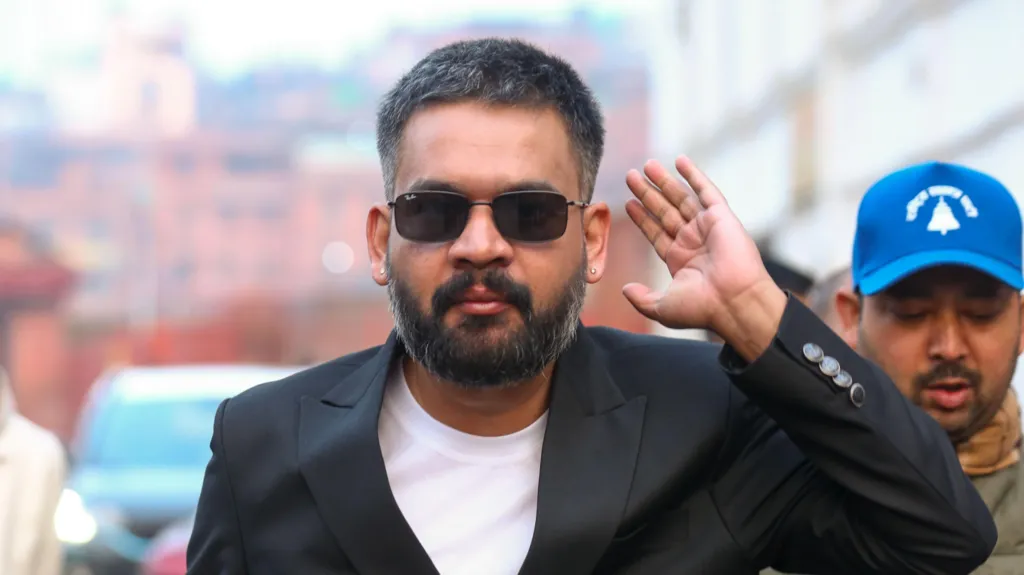
In a development that has captured global attention, a Nepalese rap artist is poised to outperform a former prime minister in this year’s general election, a sign of profound generational and political change in the Himalayan nation. The unexpected rise of a youth‑favoured cultural figure underscores how Nepal’s Gen Z voters are reshaping electoral politics, challenging traditional party dominance and prioritising issues such as jobs, corruption, digital opportunities and social inclusion.

The artist in question, known professionally as MC Kiran, has emerged as a frontrunner in the Kathmandu‑based constituency he is contesting, drawing support from young voters disillusioned with established politicians and the slow pace of economic reform. MC Kiran — whose real name is Kiran Shrestha — gained national prominence through music that blends social commentary with upbeat rhythms, and he has translated that popularity into a political campaign grounded in calls for innovation, youth empowerment and greater transparency in government.
His main competitor is Bikram Thapa, a veteran political figure who served as prime minister in the early 2010s and represents one of the country’s older established parties. Despite Thapa’s deep experience and name recognition, polls suggest that MC Kiran’s appeal among younger voters — particularly those under the age of 30 — may be decisive, pointing to a broader shift in political engagement and priorities.
Political analysts say the contest reflects a deep generational divide in Nepalese politics. Gen Z voters, who make up an increasing proportion of the electorate, have grown up in an era of mobile internet, social media and global cultural exchange. Many feel alienated from conventional political discourse and view career politicians as unable to deliver on jobs, affordable housing, education access and meaningful anti‑corruption reforms. MC Kiran’s campaign, which uses social platforms and live‑streamed events to engage supporters, exemplifies a new style of grassroots mobilisation that resonates with younger crowds.
Beyond personality politics, MC Kiran’s platform emphasises concrete policy priorities that appeal to economically anxious youths. These include start‑up incentives, digital skills training, tech‑focused education, and small‑business support, all framed within a broader narrative of making Nepal competitive in the global digital economy. He has also pledged to champion environmental protection and social equity, issues that have become central to younger voters as climate impact concerns rise.
Traditional parties, in contrast, have struggled to adapt. Long dominated by established political families and hierarchical structures, Nepalese party politics has often been criticised for factionalism, slow decision‑making and resistance to reform. Observers say that while older voters still value stability and experience, structural challenges — including stagnant growth and persistent governance issues — have left many younger citizens open to alternative voices.
Experts caution that MC Kiran’s rise does not guarantee long‑term political transformation on its own, but it does indicate a shift in political culture that could influence future elections and policymaking. “This is not just about a rap star,” said Nepal‑focused political sociologist Dr Manisha Gurung. “It’s about the way a generation communicates, organises and evaluates leadership. Young voters are redefining what credibility and competence look like in Nepal.”
The election result, expected later this month, will be closely watched not only within Nepal but by observers across Asia and beyond, as an indicator of how youth‑driven populism and cultural influence are intersecting with formal politics. If MC Kiran wins, it would mark a rare case of a non‑traditional candidate overtaking an established politician through broad grassroots support, and it may set a precedent for similarly unconventional campaigns in other developing democracies.

In addition to media coverage, the election has sparked significant debate online, with discussions about leadership qualities, generational priorities and the role of popular culture in politics trending on Nepali and international social platforms. For many Gen Z voters in Kathmandu and beyond, MC Kiran’s campaign is not just about electing a representative — it is about reimagining political participation altogether.
Related News:
 After the Landslide: Can India Reset Ties with BNP Bangladesh?
 China Strikes at Japan’s Core — Will PM Takaichi Back Down?
 Japan Braces as Takaichi Begins New Term with Huge Mandate for Low‑Tax, Ultra‑Conservative Agenda
 South Korea’s Ex-President Faces Death Penalty in Insurrection Trial
 Kim Jong Un Reappointed as Ruling Party Chief
 The Taekwondo Teacher Tasked With Healing India’s Troubled State
 Japan to Deploy Missiles on Island Near Taiwan by 2031
 Nine Killed in Karachi Consulate Protest
 Could Kim’s Teen Daughter Become North Korea’s Next Leader?
 Kinnock’s Rebuke Echoes Loudly as Corbyn Allies Launch Left-Wing Breakaway: “A Gift to Farage”
 UK and Norway Forge Stronger Ties Through Joint Sanctions and Enhanced Defence Cooperation
 Trump Administration Dismisses 17 Immigration Judges, Sparking Debate Over Judicial Independence
 UK Must Act with Courage and Clarity on Israel-Palestine Conflict, Says Foreign Affairs Committee Report
 Trump Threatens 100% Tariff on Nations Importing Russian Oil Amid India Standoff Over Ukraine War
 Radioactive Leak at UK’s Nuclear Warhead Base Sparks Outcry Over Safety and Secrecy
 Mutual Inconvenience: Why Alaska Was Chosen for the Trump-Putin Summit on Ukraine
 Hong Kong Summons UK and Australian Envoys Following Asylum Grants to Democracy Activists
 Is the UK Ready to Put Boots on the Ground in Ukraine? Assessing Military Capacity and Challenges
 Conservative Influencer Charlie Kirk Fatally Shot During University Debate
 Thousands Gather in London to Protest Donald Trump’s Second UK State Visit
 Channel Crossings Surge: Over 1,000 People Arrive in the UK in Small Boats in a Single Day
 Widow of Charlie Kirk Forgives Killer at Emotional Memorial Service
 Denmark Investigates Professional Drone Incursions Across Multiple Airports, No Evidence of Russian Involvement
 Yvette Cooper Signals Global Momentum Towards Gaza Peace Deal Amid Humanitarian Crisis
 A Third of EU Citizens in UK Report Discrimination by Public Bodies Post-Brexit
 Public Trust in SNP Hits Historic Low Amid NHS Concerns
 Johnson Suggests Mandelson Linked to China Spy Controversy
 Rachel Reeves signals welfare reform ahead of key budget
 Ireland Votes as Two Women Compete for Presidency
 Russia’s Latest Push to Win US Favors Shows Deep Desperation
 Experts Warn Russia’s Burevestnik Missile Could Destabilise Arms Control
 BBC to Apologise Over Edited Trump Speech Amid Backlash
 Britain deploys RAF specialists to assist Belgium with drone threats
 Trump Urges Herzog to Grant Netanyahu Full Pardon
 Indian authorities demolish Kashmir home linked to Red Fort blast
 Greene Pushes Epstein Files Amid Trump Fallout
 Trump Deploys DHS to Charlotte in Major Arrest Operation
 December Run-Off in Chile as Election Produces No Winner
 Canada Passes Carney’s First Budget in Tight Parliamentary Vote
 Shadow Fleet at Sea: Europe’s Battle Against Illicit Oil Shipping
 Pentagon Officials in Ukraine to Discuss War End
 India’s COP30 Delay Raises Global Climate Concerns
 Venezuela Threatens Nobel Winner Machado with Fugitive Status
 Georgians Defy Government Crackdown After Year of Protests
 EU plans $105bn Ukraine aid using frozen Russian assets
 Russia losses Ukraine war peace talks intensify amid rising deaths
 Albanese Opens Door to Bondi Royal Commission Amid Rising Pressure
 Trump Escalates Minnesota Immigration Surge Amid Rising Tensions
 Iran Protesters Defy Crackdown as Violent Clashes Intensify
 Trump Threatens Strong Action If Iran Executes Protesters
 Machado Trump medal gesture reshapes Venezuela power struggle
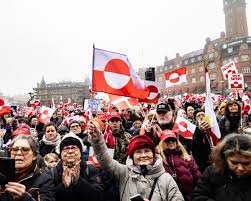 EU weighs response amid Greenland tariff crisis with Trump
 EU Says US Ties Have Suffered ‘Big Blow’ After Greenland Crisis
 Andrew Hastie Emerges as Leadership Rival to Ley
 Starmer China visit raises human rights pressure on Beijing
 Israel Moves to Bar MSF From Gaza Operations
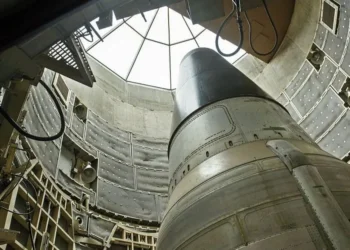 Fears of New Arms Race as US-Russia Nuclear Weapons Treaty Expires
 Tarique Rahman’s Rise Toward Bangladesh’s Top Job
 Australian Families Leave Syrian Camp for Home
 Starmer Weighs Fast-Tracking Defence Boost
 Macron Rebuked in Franco-German Defence Row
 Japan’s Lost “Tigers” Were Actually Lions, Study Reveals
 Trump Attacks UK-California Energy Pact
 Nine Arrested in France Over Death of Far‑Right Student
 Trump and Chagos Deal Rift Over Iran Strikes
 Andrew Arrest Sparks Republic Debate in Australia
 Australian PM Says Former Prince Andrew Has Suffered ‘Extraordinary Fall’ but That Won’t Prompt Republic Referendum
 Global corruption crisis: Who Washington shields
 Musk Cuts Starlink Access for Russian Forces – Giving Ukraine an Edge at the Front
 Farage Chagos Islands Row Sparks Fury
 How South Korea’s Democracy Rebounded After Martial Law Attempt
 Ukraine Negotiator Reveals What It Feels Like Facing Russia
 Chad Shuts Border With Sudan in Bid to Stop Conflict Spreading
 French Minister Moves to Block US Envoy Kushner from Government Access
 Security Threat Against Australian PM Linked to Banned Chinese Dance Group
 Trump Speech Sparks Intense Debate Across Divided America
 Has Europe truly learned from the failures of 2022?
 American Citizen Killed in Cuba Boat Shooting, U.S. Officials Say
 Iran’s Regime Still Intact — Coming Days Will Test Its Survival
 Allies of US in the Gulf Bear Brunt of Iran Attacks