Published: 02 March 2026. The English Chronicle Desk. The English Chronicle Online.
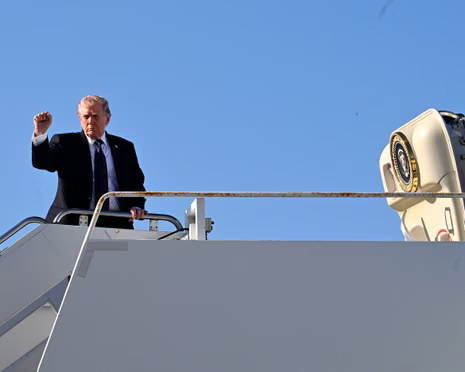
The escalating Iran conflict has placed President Donald Trump under mounting political pressure at home. Critics from both parties are demanding clarity about Washington’s long-term intentions. Reports of the first American casualties since renewed strikes have intensified public concern. Observers warn that without a clear strategy, the Iran conflict could deepen unexpectedly. The White House insists its actions are measured and necessary for security.
Tensions rose sharply after coordinated American and Israeli attacks targeted Iranian military and nuclear sites. The administration said the strikes aimed to halt threats from Tehran’s missile and nuclear programmes. However, questions remain about what happens next in this unfolding crisis. Several senior Democrats argue the absence of a detailed roadmap risks prolonged engagement. They fear history could repeat itself in troubling ways.
In Washington, policy experts have voiced unease about strategic ambiguity. Alex Vatanka of the Middle East Institute suggested any broader objective must extend beyond military action. He argued that a sustainable approach requires political planning, not simply airstrikes. Without that framework, he warned, operations could stretch far beyond initial expectations. Such warnings resonate strongly among lawmakers wary of open-ended commitments.

President Trump has frequently criticised the 2003 invasion of Iraq as a costly mistake. That stance formed a central part of his earlier foreign policy rhetoric. Now opponents say the current Iran conflict risks resembling past interventions. They argue that even limited strikes can evolve into deeper entanglements. Public opinion appears divided as news of casualties circulates.
During his recent address to Congress, Trump briefly mentioned threats from Iran. He spoke of nuclear ambitions and ballistic missiles endangering regional stability. Yet he did not outline any comprehensive vision for regime change. Instead, he emphasised a preference for diplomacy if conditions allowed. Critics say that dual messaging has created confusion about administration objectives.
Leading Democrats have pressed for clearer answers during media appearances. Jim Himes questioned what ultimate outcome Washington seeks from sustained bombing campaigns. He asked whether regime change was truly the intention behind military escalation. Historical examples of externally imposed regime change, he noted, offer sobering lessons. Many Americans remain cautious after decades of overseas conflict.
The administration confirmed that Ali Khamenei was killed during the strikes. His death marks a dramatic turning point in Iranian politics. Several other senior figures were also reportedly eliminated in the operation. Analysts believe this could destabilise the ruling structure in Tehran. However, uncertainty surrounds who might consolidate power next.
Trump told The Atlantic that surviving officials had expressed willingness to talk. He said he had agreed to open discussions under suitable conditions. According to the president, Tehran delayed diplomacy until after suffering heavy losses. He suggested a deal might still be possible despite heightened tensions. Such remarks indicate continued interest in negotiation.
Even so, Iranian retaliation has complicated the diplomatic picture considerably. Tehran launched strikes across parts of the Middle East in response. Three American service members were killed and several others injured. These casualties mark a grave moment in the Iran conflict. Public sympathy for the fallen troops has deepened the emotional stakes.
Foreign policy specialists warn that retaliation could trigger further escalation. A cycle of action and counteraction may harden positions on both sides. Political leaders often feel compelled to project strength after suffering losses. This dynamic can narrow diplomatic space quickly. The coming weeks may prove decisive for regional stability.
Some intelligence veterans have also raised concerns about long-term planning. Steven Cash described the absence of a clear endgame as troubling. Drawing parallels with past wars, he emphasised the need for exit strategies. From Vietnam to Afghanistan, unresolved objectives prolonged suffering. His remarks reflect broader anxiety within national security circles.
Supporters of the president argue decisive action was necessary. They contend that eliminating key figures weakens hostile networks. In their view, strength deters further aggression from adversaries. They also note that Trump has repeatedly expressed reluctance for ground deployments. That distinction, they say, separates current policy from past invasions.
Nevertheless, the prospect of regime change remains contentious. Vatanka observed that successful transformation rarely emerges from bombing alone. He suggested internal collapse or intelligence-led operations would be more plausible. Even then, such outcomes require sustained investment and uncertain risks. Few analysts believe swift political overhaul is likely.
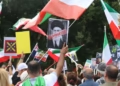
Videos circulating online appear to show celebrations in several Iranian cities. Some clips depict crowds reacting to news of Khamenei’s death. Others show families of slain protesters expressing visible relief. Independent verification of these images remains limited. Social media often amplifies scenes without full context.
Within Iran, the power vacuum raises complex constitutional questions. The clerical establishment must navigate succession under extraordinary circumstances. Competing factions could seek advantage amid instability. Regional actors are closely watching developments in Tehran. The broader Middle East already faces fragile security dynamics.
For Britain and European allies, the Iran conflict carries significant implications. London has urged restraint while reaffirming support for regional stability. Energy markets have responded nervously to the renewed hostilities. Any disruption to shipping routes could affect global supply chains. Diplomatic coordination among Western governments is ongoing.
At home, Trump faces scrutiny from lawmakers preparing for upcoming elections. Opponents argue voters deserve transparency about war aims. Supporters counter that operational details cannot always be publicised. The political debate reflects enduring tensions between security and accountability. Clear communication may determine public trust in the months ahead.
Ultimately, the central question remains unresolved. Is the objective deterrence, negotiation, or systemic transformation in Tehran? Each path carries different costs and consequences. Without a clearly articulated destination, military momentum can shape policy by default. That reality explains why so many voices are demanding clarity.
The Iran conflict stands at a precarious crossroads. Diplomatic channels appear fragile yet not entirely closed. Retaliation has already claimed American lives, raising domestic pressure. Regional volatility threatens to draw in additional actors. Decisions taken now could shape geopolitics for years.
History shows that conflicts often expand beyond initial expectations. Leaders sometimes underestimate the endurance of adversaries. They may also overestimate the speed of political change. These lessons weigh heavily on experienced observers. The coming period will test strategic judgment in Washington.
Whether negotiations resume or hostilities intensify remains uncertain. Much depends on signals exchanged behind closed diplomatic doors. For now, the absence of a publicly detailed roadmap fuels anxiety. As events unfold, calls for a coherent strategy will likely grow louder. The world watches closely as the Iran conflict enters a new phase.
Related News:
 Putin Intensifies Territorial Demands Before US Talks
 Trump to Recheck Green Cards from 19 Nations After DC Attack
 Russia losses Ukraine war peace talks intensify amid rising deaths
 Trump Escalates Minnesota Immigration Surge Amid Rising Tensions
 Greenland Faces Pivotal Summit Over Arctic Power Struggle
 Trump Threatens Strong Action If Iran Executes Protesters
 Trump Receives Machado’s Nobel Medal in White House Meeting
 EU Says US Ties Have Suffered ‘Big Blow’ After Greenland Crisis
 Thousands Protest ICE Operations in Nationwide US Day of Action
 Epstein Files Reveal Trump Officials’ Emails with Financier
 Thousands Protest ICE in New York Against Trump Deportation Campaign
 Trump Praises ‘Terrific’ Petro After White House Talks
 Clinton Testimony Erupts in Fiery Exchange
 British Woman in Iran ‘Losing Hope’ Amid Ongoing Detention
 BBC Journalist Held and Interrogated in Vietnam
 UK University Suspends Human Rights Research Following Pressure from China
 BBC to Apologise Over Edited Trump Speech Amid Backlash
 Britain deploys RAF specialists to assist Belgium with drone threats
 Ukraine-Russia war latest: Putin’s troops exploit bad weather to force Kyiv withdrawal from multiple towns
 US Justice Department Files Lawsuit Against California Over Partisan Voting Maps
 Greene Pushes Epstein Files Amid Trump Fallout
 Trump Deploys DHS to Charlotte in Major Arrest Operation
 December Run-Off in Chile as Election Produces No Winner
 Canada Passes Carney’s First Budget in Tight Parliamentary Vote
 Shadow Fleet at Sea: Europe’s Battle Against Illicit Oil Shipping
 Pentagon Officials in Ukraine to Discuss War End
 Venezuela Threatens Nobel Winner Machado with Fugitive Status
 Trump Envoy to Discuss Ukraine Peace at Kremlin
 Two National Guard Soldiers Critically Injured Near White House
 Georgians Defy Government Crackdown After Year of Protests
 US National Guard Member Killed in DC Shooting
 India’s Labour Law Overhaul Sparks Fierce Debate
 EU plans $105bn Ukraine aid using frozen Russian assets
 Global campaign launched to free Palestinian leader Barghouti
 American Mother Extradited From UK to U.S. on Murder Charges
 Zelenskyy Accuses Russia of Sabotaging Peace Talks
 US Cities Erupt in Protests Against Trump’s Venezuela Military Action
 Albanese Opens Door to Bondi Royal Commission Amid Rising Pressure
 Iran Protesters Defy Crackdown as Violent Clashes Intensify
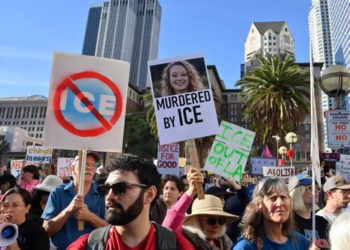 Homeland security agents deployed amid Minneapolis protests
 US Clears Nvidia AI Chip Sales to China in Policy Shift
 Machado Trump medal gesture reshapes Venezuela power struggle
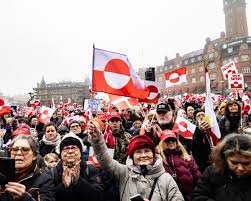 EU weighs response amid Greenland tariff crisis with Trump
 US Considers Asylum for British Jews Amid Rising Antisemitism
 ICE street raids expose a chilling future for public freedoms
 Trump Aide Sparks Fury as Greenland Dispute Intensifies
 Andrew Hastie Emerges as Leadership Rival to Ley
 ‘Unfathomable’: Australian veterans rebuke Trump claims
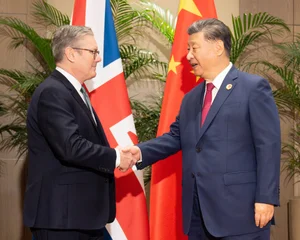 Starmer China visit underscores clear-eyed national security stance
 Starmer China visit raises human rights pressure on Beijing
 Arizona border shooting leaves suspect hospitalised after agent pursuit
 Videos reveal earlier clash before Alex Pretti shooting
 Israel Moves to Bar MSF From Gaza Operations
 Fears of New Arms Race as US-Russia Nuclear Weapons Treaty Expires
 Sydney Protest Escalates and Elderly Woman Suffers Severe Injury
 Nurses’ families fear breakup under UK immigration crackdown
 Tarique Rahman’s Rise Toward Bangladesh’s Top Job
 Glass Cliff Debate After Ley’s Ouster
 Japan Seizes Chinese Boat Amid Rising Tensions
 Australian Families Leave Syrian Camp for Home
 Trump Attacks UK-California Energy Pact
 Kim Jong-un Unveils Housing for War Families
 Stephen Colbert Says CBS Spiked Interview With Democrat Over FCC Fears
 Sanders Condemns Billionaire ‘Greed’ in California Tax Debate
 Trump and Chagos Deal Rift Over Iran Strikes
 Andrew Mountbatten-Windsor Arrest After FBI Radar
 Andrew Arrest Sparks Republic Debate in Australia
 Global corruption crisis: Who Washington shields
 Duterte ICC Hearing Begins Amid Defiance
 Farage Chagos Islands Row Sparks Fury
 Trump Tariffs Threat Spark UK and EU Alarm
 The Dangerous Rise of Remigration Across Modern Europe
 Trump Speech Sparks Intense Debate Across Divided America
 Jacinda Ardern Moves To Australia Following Her US Fellowships
 US to offer passport services in West Bank settlements
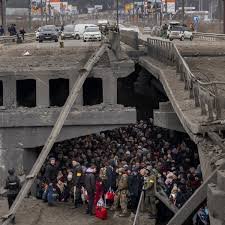 Has Europe truly learned from the failures of 2022?
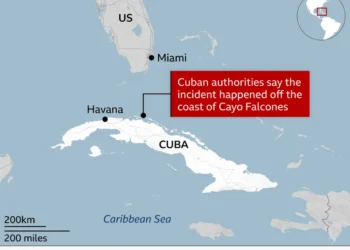 American Citizen Killed in Cuba Boat Shooting, U.S. Officials Say
 Health Funding Row Rocks US‑Africa Relations
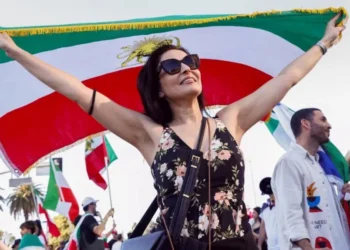 Hopes and Fears as US Iranians Take to Streets After Toppling of Supreme Leader
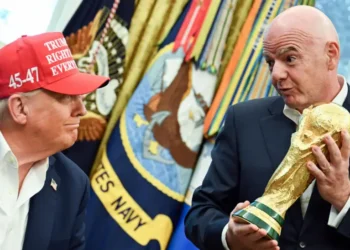 Iran, the US, and a World Cup That Starts in Three Months