Published: 2 March 2026 . The English Chronicle Desk.
The English Chronicle Online
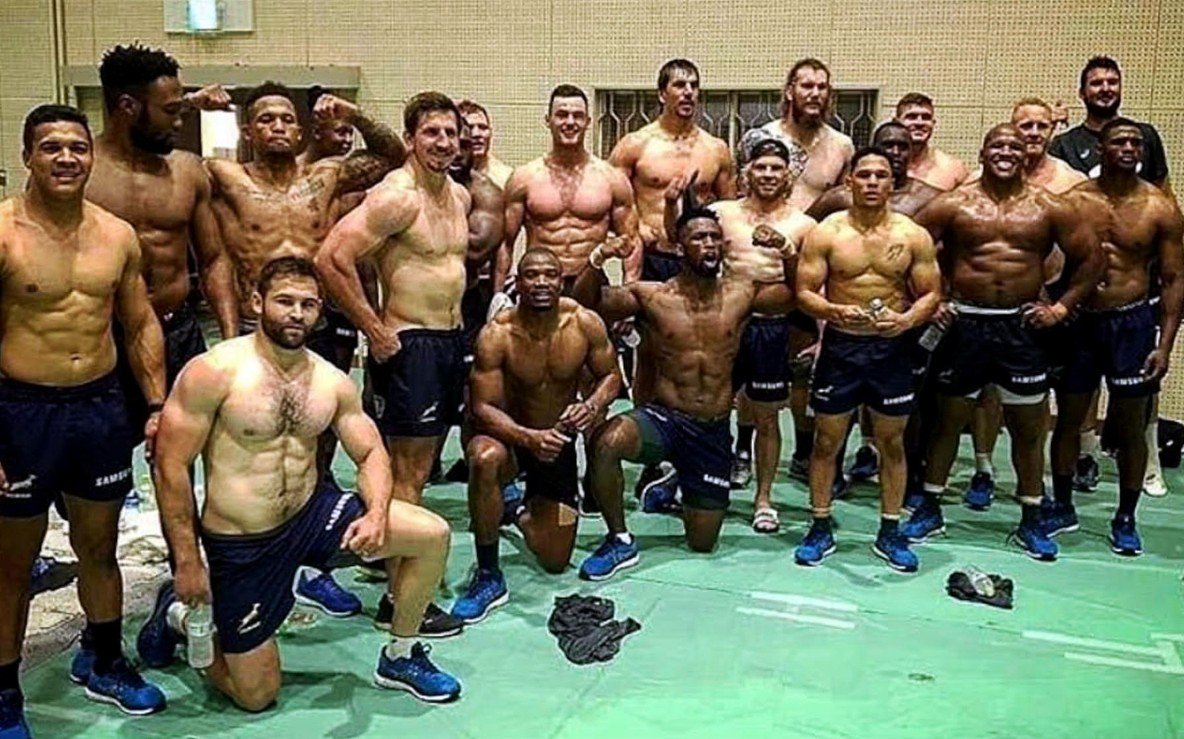
Detailed analysis of drug‑testing trends in South African sport has raised questions about the integrity of recent World Cup triumphs, particularly in rugby union, after it emerged that the number of anti‑doping tests carried out domestically has collapsed over the past decade. Investigations by a leading British publication suggest a stark divergence between the growing global success of South African teams and a dramatic fall in the rigour of drug‑control measures at home — a disparity that has prompted scrutiny from international athletes, officials and anti‑doping experts.

Published on Monday by The Telegraph, the report highlights that drug tests on South African rugby players have fallen more than six‑fold between 2015 and 2024, a period that coincides with the Springboks’ back‑to‑back World Cup victories in 2019 and 2023. According to figures referenced in the investigation, the number of tests conducted by the South African Institute for Drug‑Free Sport (SAIDS) in rugby dropped from around 785 in 2015 — when the sport accounted for a significant proportion of the country’s anti‑doping activity — to just 127 in 2024, despite growth in global anti‑doping efforts elsewhere.
South Africa has also seen a relatively high number of convicted doping cases among rugby players compared with other nations, leading critics to argue that the combination of fewer tests and multiple positive cases has created an environment that appears less vigilant than other leading rugby nations. High‑profile players such as S’busiso Nkosi and Elton Jantjies have been banned for multiple years following adverse findings, and other players face ongoing disciplinary hearings. The reporting suggests these incidents, juxtaposed with a decline in testing, could undermine confidence in the legitimacy of South African success on rugby’s biggest stage.
Representatives of SAIDS and South African sporting authorities have previously acknowledged challenges in meeting stringent international anti‑doping compliance standards, with funding constraints cited as a factor in limiting the scope of testing across all sports disciplines. Critics argue that insufficient testing not only increases the risk of performance‑enhancing substances going undetected but also damages the perception of fairness in elite competitions such as the Rugby World Cup, where the Springboks have emerged as a dominant force.
The concerns come against a broader backdrop of debate over anti‑doping enforcement worldwide. Independent bodies such as the World Anti‑Doping Agency (WADA) set codes intended to ensure uniform adherence to testing and investigative procedures, but compliance audits and enforcement can vary significantly between nations. Where national programmes are perceived as weak or inconsistent, confidence in the clean status of top results can erode, sometimes prompting calls for increased oversight or intervention from international federations.
World Rugby and other international federations have mechanisms for out‑of‑competition testing and may conduct their own controls on players participating in global competitions. However, the decline in domestic test frequency has nonetheless left room for debate over whether internal anti‑doping regimes are sufficient to maintain credibility when major trophies are at stake. Observers note that the absence of testing does not equate to evidence of systemic doping, but that vigorous, transparent testing is central to sporting integrity.
Officials and supporters of South African sport emphasise that testers face resource limitations and that the focus remains on complying with international standards wherever possible. They also point out that positive tests and bans are public and enforce consequences when they occur, though detractors argue that too few tests make false negatives or undetected use more likely.

The ongoing discussion has implications beyond rugby, touching on public trust, athlete welfare and the global fight against doping in sport. Whether international bodies will intervene more directly in national anti‑doping programmes remains unsettled, but the spotlight on South Africa’s test decline is likely to fuel calls for reforms to ensure that celebrated victories are beyond reproach.
Related News:
 England’s Euro Odyssey: A Tale of Grit, Glory and the Lionesses’ Miraculous March to the Final
 Predicted Leicester Line-ups Reflect Cifuentes’ Tactical Plans Ahead of New Season
 Central London Gears Up for Lionesses’ Victory Parade as Thousands Prepare to Celebrate Historic Women’s Euros Win
 London Set to Honour Euro 2025 Champions as Lionesses Take Victory Parade Through the Capital
 Rangers Boss Russell Martin Launches Blistering Critique After Disappointing Draw with Motherwell
 Tottenham Takes On Newcastle
 Golden Glory Beckons: Ballon d’Or 2025 Nominee Frenzy Ignites Global Football Stage
 It’s Thanks to Gabby That I Caught My Prostate Cancer in Time’ – Kenny Logan Opens Up on His Battle and His Mission to Save Lives
 Minute’s Silence for Diogo Jota Abruptly Ended After Wembley Tribute Disrupted
 Rugby Confronts Safety Concerns with Smart Mouthguards at Women’s World Cup
 Premier League Supercomputer Predicts Tough Season for Man Utd Amid Three-Team Title Battle
 Aston Villa Under Pressure as Newcastle Take on Hosts in Premier League Opener
 FIFA Eyes Biennial Club World Cup from 2029, Plans Possible Expansion
 Manchester United Face £300m Transfer Loss as Squad Value Highlights Long-Term Mismanagement
 Grimsby Stun Manchester United in Dramatic Penalty Shootout
 Guardiola Admits City ‘Forgot to Play’ After Shock Defeat to Brighton
 India Triumph in Dubai Amid Unexpected Twists
 Dembélé and Bonmatí Shine as Ballon d’Or Winners in Glittering Paris Ceremony
 Liverpool Vs outhampton Set for Carabao Cup Clash at Anfield
 Arsenal VS Newcastle Hearts with Dramatic Late Turnaround at St James’ Park
 Aston Villa Fight Back to End Winless Run with Convincing Victory over Fulham
 Everton Held by West Ham as Bowen Cancels Out Keane’s Header in Nuno’s First Game
 ICC Women’s World Cup 2025: India to Host as Pakistan Fixtures Moved to Neutral Venues
 Mbappé Hat-Trick Powers Real Madrid to 5-0 Rout Over Kairat
 Monaco Hold Man City to Dramatic 2-2 Draw as Eric Dier Converts Late Penalty
 Arsenal Edge Past West Ham Amid Injury Concerns
 Chaos at Ibrox as Martin’s Rangers Era Comes to an End
 Arsenal Showcase Depth and Flexibility as Arteta Eyes Title Challenge
 Questions Remain as Rugby Legend Lewis Moody Faces Motor Neurone Disease Diagnosis
 Tuchel Critiques Wembley Atmosphere After England Victory, Sparks Debate on Fan Engagement
 Hyped by Zlatan, Hidden by Maldini: Italy’s Rising Star Francesco Camarda
 Son of ex-England footballer dies in tractor crash
 Gibbs-White Inspires Forest to Thrilling Win Over Porto
 Brentford 3-2 Liverpool: Reds suffer fourth straight PL defeat
 Manchester United triumph as Mbeumo brace seals thrilling win
 Wolvaardt’s Masterclass Fires South Africa into First World Cup Final
 Granit Xhaka Rescue Earns Everton Draw at Sunderland
 Bellingham has ‘the edge’ among England No 10s
Man City Masterclass on Guardiola’s Milestone Day Exposes Liverpool Woes
Bellingham has ‘the edge’ among England No 10s
Man City Masterclass on Guardiola’s Milestone Day Exposes Liverpool Woes
 VAR Must Rein Its Neck In to Save Football’s Spirit
 Mary Earps’s Manchester United Return Faces Mixed Reception
 UK and Ireland Announce Venues for Euro 2028 Tournament
 Saka Solidifies Role as Tuchel’s Key England Lieutenant
 Former Lion Heskey Warns of Shortage of England Strikers
 Tiny Curacao Makes History as Smallest Nation to Reach World Cup
 Haiti Qualifies for World Cup Despite Coach Never Visiting Country
 Australia Face Big Changes as Cummins and Lyon Ruled Out of Ashes
 Van de Ven Tackle Leaves Isak with Fractured Leg
 ECB powerless to halt England’s recurring Ashes failures
 Stokes urges empathy for England players amid Ashes struggles
 Damien Martyn in Induced Coma After Meningitis Diagnosis
 Spin Bowling Struggles as Pace Dominates 2025 Ashes Series
 Anthony Joshua Released After Nigeria Car Crash
 Africa’s Superpowers Shine in Cup of Nations Quarter-Finals
 Raducanu Battles Injury as Britain Exit United Cup
 Nancy Sacked by Celtic as O’Neill Returns for Season
 Australia Dominates England: Smith, Head Crush Bowlers in Sydney
 Manchester United Fan Group Targets Jim Ratcliffe Over Club Chaos
 Geopolitical football: Iran, Trump and the World Cup clash
 Regragui condemns Afcon final chaos after dramatic defeat
 Brahim Díaz’s Panenka Fail Highlights Penalty Risks
 Mbappé’s Late Penalty Lifts Real Past Nine-Man Rayo
 Yamal and Rashford Shine as Barcelona Reach Copa Semis
 ICC Men’s T20 World Cup – Everything You Need to Know
 Hugo Ekitike Becomes Liverpool’s New Cult Hero
 Is This Premier League Striker a Secret Maths Genius?
 Gasps and Disbelief at Malinin’s Home Rink as Olympic Dream Falters
 He Was Once a Teen ‘Superstar’. Why Did James Van Der Beek Need Help to Pay His Medical Bills?
 ALL GUNNS BLAZING: Arsenal vs Wigan LIVE SCORE – FA Cup Updates
 Swearing, Illicit Filming & Rule Changes – What Next in Curling Cheating Row?
 Bumper Ski Season but Avalanches Threaten Scotland’s Snowy Hills
 Managing Man Utd the ‘Ultimate Role’ – Carrick
 Pacquiao and Mayweather Agree Professional Rematch for September
 Hilary Knight speaks out on Trump’s recent hockey remarks
 Champions League Thrills as Atalanta and Galatasaray Advance
 English Cricket Faces Moral Crisis Over Indian Investment
 The Norwegian Secret to Dominating the Winter Olympics
 Manchester United Face Huge Bill After Ruben Amorim Exit
 Birmingham City Owners Eye Expansion Into Rugby Union
 Australian GP Confident Amid Travel Disruption