Published: 03 March 2026. The English Chronicle Desk. The English Chronicle Online.
US strikes on Iran have ignited fierce political debate in Washington and beyond. The decision, revealed over the weekend, followed mounting fears of an imminent Israeli assault. Senior American officials now argue that acting first was the only way to protect US forces. Their explanation, delivered in Congress, has deepened divisions at home while escalating tensions across the Middle East.
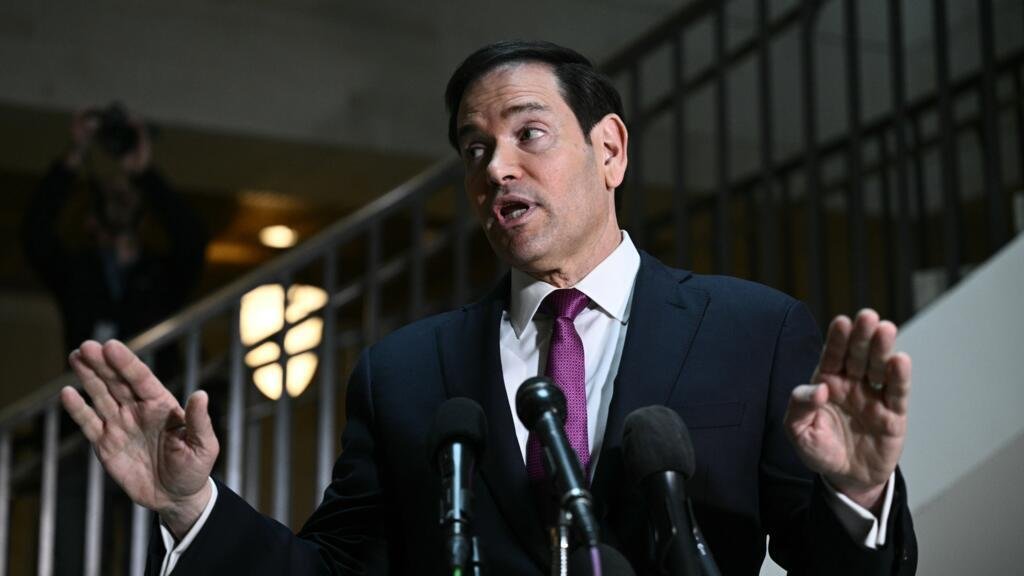
According to Marco Rubio, intelligence showed Israel was determined to launch attacks on Iranian targets. He told lawmakers that Tehran would almost certainly retaliate against American troops. In his view, US strikes on Iran were a defensive necessity. Without swift action, he warned, American casualties would have been significantly higher.
Rubio spoke alongside John Ratcliffe and General Dan Caine during a closed briefing on Capitol Hill. The meeting came before a planned House vote on a war powers resolution. That measure could compel President Donald Trump to halt hostilities. However, it faces steep political obstacles in a Republican-controlled Congress.

Speaking to reporters, Rubio insisted the threat environment left no room for hesitation. He said any Israeli move would have triggered Iranian retaliation against American interests. Intelligence assessments suggested US bases would be immediate targets. That calculation, he explained, shaped the administration’s decision-making process.
Vice-President JD Vance reinforced the administration’s position during a television interview. He said the overarching aim was to prevent Iran from acquiring nuclear weapons. Vance stressed that President Trump would not rest until that objective was achieved. His remarks marked one of his clearest endorsements of military action in this crisis.
Since the campaign began, US strikes on Iran have unfolded in coordinated waves. American and Israeli aircraft have targeted military infrastructure across several regions. Tehran has responded with missile and drone attacks against US-aligned countries. The exchanges have heightened fears of a broader regional conflict.
Among those reportedly killed is Iran’s supreme leader, Ali Khamenei. Iranian authorities have not fully confirmed details surrounding his death. However, multiple regional sources indicate senior military and political figures were eliminated. The Iranian Red Crescent claims more than 500 people have died nationwide. The US military has acknowledged the deaths of six service members.
The scale of destruction has shocked observers across Europe and the Middle East. Analysts say the removal of such senior leadership marks an extraordinary escalation. It remains unclear who will consolidate power within Tehran’s ruling structure. Iran continues to deny that it ever sought nuclear weapons capability.
On Capitol Hill, reactions to US strikes on Iran have split sharply along party lines. Democratic leaders have accused the president of launching a war of choice. They argue the administration has not demonstrated an imminent threat to American territory. Several lawmakers said the classified briefing raised more questions than it answered.
Senate Democratic leader Chuck Schumer described the explanations as insufficient. He said Congress deserved clearer objectives and a defined exit strategy. After the briefing, he expressed concern about the absence of long-term planning. His remarks reflected growing unease within his caucus.
Senator Mark Warner voiced similar reservations. He warned against equating threats to Israel with direct threats to the United States. Such reasoning, he argued, could draw America into future conflicts automatically. Warner questioned whether constitutional war powers had been properly respected.
Meanwhile, Israel has defended its own strategic calculations. Prime Minister Benjamin Netanyahu said Iran was accelerating underground weapons development. In an interview with Fox News, he claimed new facilities would soon become immune to attack. He argued that delaying action would have closed the window for meaningful intervention.
Netanyahu maintained that Israel faced an existential threat. He suggested no responsible government could ignore such dangers. While acknowledging coordination with Washington, he emphasised Israel’s independent security decisions. His comments underscored the delicate balance between alliance and autonomy.
Within the United States, Republican leaders have largely rallied behind the president. House Speaker Mike Johnson described the operation as defensive and justified. He said Israel would have acted regardless of American participation. According to Johnson, supporting an ally under existential threat was necessary.
Johnson also praised the removal of Iran’s supreme leader. He framed the development as positive for freedom worldwide. Critics counter that regime change was never formally stated as an objective. This ambiguity has fuelled further debate about strategic clarity.
President Trump ordered the air campaign without first seeking formal congressional authorisation. Administration officials said the so-called Gang of Eight were notified beforehand. That group includes senior Democratic and Republican leaders from both chambers. Nonetheless, critics argue notification does not replace constitutional approval.
The pending war powers resolution represents a rare test of executive authority. If passed, it could require the president to terminate military engagement. However, Republicans control both the House and Senate. Overriding a potential presidential veto would demand a two-thirds majority.
Political analysts say such numbers are unlikely in the current climate. Previous attempts to limit presidential military powers have failed. Speaker Johnson expressed confidence the new resolution would also fall short. He warned that restricting the commander-in-chief mid-conflict would be dangerous.
Beyond Washington, allies are watching events with deep concern. European governments have urged restraint from all sides. Energy markets have reacted nervously to instability in the Gulf region. Diplomatic channels remain active, though prospects for immediate de-escalation appear slim.
The humanitarian consequences are becoming increasingly visible. Images circulating on social media show damaged infrastructure and displaced families. Aid organisations are calling for safe corridors and emergency assistance. The longer the confrontation continues, the higher the civilian toll may rise.

Strategically, experts say the conflict could reshape regional alliances. Iran’s network of proxy groups may intensify asymmetric attacks. US forces across the Middle East remain on heightened alert. Military planners are preparing contingency responses to further escalation.
At home, public opinion appears divided but concerned. Some Americans support decisive measures against nuclear proliferation. Others fear another prolonged Middle Eastern war. The memory of past interventions continues to shape national debate.
US strikes on Iran have therefore opened a new chapter in already strained relations. The administration insists it acted to prevent greater bloodshed. Critics contend the move risks entangling the nation in unpredictable turmoil. Much will depend on how quickly diplomatic efforts can regain momentum.
For now, Washington stands firm in its stated objectives. Officials emphasise degrading Iran’s missile capabilities and naval assets. They maintain the campaign is limited in scope and duration. Yet without clearer benchmarks, scepticism in Congress will persist.
As the House prepares to vote, attention will focus on cross-party defections. Even a symbolic rebuke could alter the political narrative. International observers are also assessing how firmly the transatlantic alliance remains united. The coming days may prove decisive for both domestic politics and global stability.
Related News:
 Top Christmas Books Reads: Classics to Cozy Romcoms
 Just Stop Oil Protesters Convicted Amid Climate Defence Row
 BBC to Apologise Over Edited Trump Speech Amid Backlash
 Britain deploys RAF specialists to assist Belgium with drone threats
 Palace May Restore Hyphen to Andrew Mountbatten-Windsor’s Name
 US Senate Passes Funding Bill to End Historic Shutdown
 US Justice Department Files Lawsuit Against California Over Partisan Voting Maps
 Greene Pushes Epstein Files Amid Trump Fallout
 Trump Deploys DHS to Charlotte in Major Arrest Operation
 December Run-Off in Chile as Election Produces No Winner
 Zelenskyy Signs Fighter Jet Deal Amid Russian Drone Attacks
 Orban Says Ukraine Has ‘No Chance’ as EU Support Continues
 Canada Passes Carney’s First Budget in Tight Parliamentary Vote
 Israeli Strike Kills 13 Near Palestinian Camp in Lebanon
 Shadow Fleet at Sea: Europe’s Battle Against Illicit Oil Shipping
 Tiny Curacao Makes History as Smallest Nation to Reach World Cup
 Haiti Qualifies for World Cup Despite Coach Never Visiting Country
 Deadly Russian Strikes Hit Western Ukraine, 20 Killed in Ternopil
 Pentagon Officials in Ukraine to Discuss War End
 Ukraine Peace Plan: Zelensky Ready for Dialogue
 Vietnam Battles Deadly Floods as Rains Continue
 Venezuela Threatens Nobel Winner Machado with Fugitive Status
 Royal Navy Shadows Russian Warships Entering the Channel
 US Suspends Afghan Immigration After White House Shooting
 Two National Guard Soldiers Critically Injured Near White House
 Georgians Defy Government Crackdown After Year of Protests
 Southern Lebanon reels as Israeli strikes shatter communities
 Sri Lanka Floods Leave 56 Dead, Dozens Missing
 Tokyo court rules Japan’s same-sex marriage ban constitutional
 ‘Extinct’ Antelope Returns to Sahara, Bringing Hope
 EU plans $105bn Ukraine aid using frozen Russian assets
 American Mother Extradited From UK to U.S. on Murder Charges
 Russia losses Ukraine war peace talks intensify amid rising deaths
 Facebook Slow to Remove Bondi Attack Praise, Anti-Hate Group Claims
 Australian Cruise Ship Freed After Reef Grounding in Papua New Guinea
 US Cities Erupt in Protests Against Trump’s Venezuela Military Action
 Albanese Opens Door to Bondi Royal Commission Amid Rising Pressure
 Trump Escalates Minnesota Immigration Surge Amid Rising Tensions
 Iran Protesters Defy Crackdown as Violent Clashes Intensify
 US Clears Nvidia AI Chip Sales to China in Policy Shift
 Trump Threatens Strong Action If Iran Executes Protesters
 Gulf states warn Trump Iran strikes risk wider Middle East war
 Machado Trump medal gesture reshapes Venezuela power struggle
 EU weighs response amid Greenland tariff crisis with Trump
 Syria President Declares Victory as Ceasefire Reached with SDF
 Sydney Shark Attack Surge Shocks Australia Beaches
 ICE street raids expose a chilling future for public freedoms
 Thousands Flee Cambodia Scam Centres Amid Global Pressure
 EU Says US Ties Have Suffered ‘Big Blow’ After Greenland Crisis
 Andrew Hastie Emerges as Leadership Rival to Ley
 Starmer China visit raises human rights pressure on Beijing
 US Launches Multi-Day Air Drills Amid Rising Iran Tensions
 Videos reveal earlier clash before Alex Pretti shooting
 China Executes 11 Linked to Myanmar Scam Networks
 UK New Car Discounts Near £6,000 as Prices Are Slashed
 Israel Moves to Bar MSF From Gaza Operations
 Tragic Ski Lift Accident Claims Australian Snowboarder
 Thousands Left Without Heating in Ukraine Amid Russia Strikes
 Trump Praises ‘Terrific’ Petro After White House Talks
 Portugal Election Delivers Socialist Win as Far Right Surges
 Sydney Protest Escalates and Elderly Woman Suffers Severe Injury
 Tarique Rahman’s Rise Toward Bangladesh’s Top Job
 Australian Families Leave Syrian Camp for Home
 SA Police Intensify Search in Gus Lamont Case
 Trump Attacks UK-California Energy Pact
 Kim Jong-un Unveils Housing for War Families
 Trump and Chagos Deal Rift Over Iran Strikes
 Andrew Arrest Sparks Republic Debate in Australia
 Global corruption crisis: Who Washington shields
 El Mencho Killed as Mexico Faces Violence
 Farage Chagos Islands Row Sparks Fury
 Gold Rush in Gugulethu Leaves South Africans Desperate for Work and Hope
 Greenpeace $345m Ruling Sparks Appeal Battle
 Hilary Knight speaks out on Trump’s recent hockey remarks
 Trump Speech Sparks Intense Debate Across Divided America
 Has Europe truly learned from the failures of 2022?
 Social Media Trial: Woman Says Addiction Began at Six
 Berlin Bunker Transforms Into Powerful Ukraine Museum
 UK Personnel Near Iranian Missile Strike in Bahrain
 Trump Faces Questions Over Iran Conflict Plan