
Published: 3 March 2026. The English Chronicle Desk. The English Chronicle Online
The global music industry is witnessing an evolving debate over live performance formats as top artists weigh the merits of traditional touring versus concert residencies. Once dominated by world‑spanning tours, the live‑music landscape now includes a growing number of high‑profile residencies — long‑run series of shows in major cities — that are reshaping how fans experience live music and how artists structure their careers.

For decades, tours were the default for artists seeking to connect with fans worldwide, build their profile and generate revenue through ticket and merchandise sales. Live touring remains a central pillar of artistic success for many musicians today — from arena circuits to international festival appearances — and continues to be the main source of income for performers in an era when recorded music revenues are limited.
Yet residency shows, in which an artist performs repeatedly in the same venue over days or weeks, have become increasingly prominent among established acts. Critics and fans have pointed to high‑profile engagement runs in cities like Las Vegas and Munich by major stars as evidence of this shift. These residencies often provide creative staging and stable production environments that differ from the logistical grind of touring, offering artists a chance to deliver immersive experiences without nightly dismantling and travel.
Some artists and industry observers argue that residencies can reduce physical strain, allow for more elaborate staging and can be more sustainable for performers who have already built global audiences. From the audience perspective, residencies encourage destination travel to see multiple nights of performance — transforming a single concert into a broader visit, sometimes boosting local tourism economies. Supporters also note that residency dates often allow artists to stay rooted in one city, which can be more compatible with personal life and creativity.
But others see limitations. Touring allows musicians to reach geographically diverse audiences who might not have the means or time to travel to a single residency location. For many performers, especially emerging or mid‑career artists, touring remains essential to expanding their profile and fan base. It also sustains local music scenes by bringing live shows to regional and smaller markets beyond the major entertainment hubs.
The ongoing live‑music business debate reflects broader industry shifts. Rising costs for touring — including transportation, visas and crew expenses — have made extensive road tours cost‑intensive, driving some artists toward alternative formats like residencies or shorter regional legs. Conversely, fans continue to value the singular energy of touring concerts, and major tours such as Olivia Dean’s The Art of Loving Live highlight the continued appetite for global live events supported by tens of thousands of fans.

Ultimately, many artists view both live formats as complementary. A touring cycle can build global reach and bring music to diverse fan communities, while a residency can offer a stable performance home base and creative centrepiece. As the industry adapts to shifting economics and audience expectations, performers are increasingly choosing mix‑and‑match approaches, combining tours with residential engagements to strike a balance between access, sustainability, and immersive live experiences.
Related News:
 London Bids for 2029 World Athletics Championships with £45 Million Government Backing
 Ozzy Osbourne: The Prince of Darkness Bows Out, Leaving Behind a Legacy of Metal and Myth
 Farewell to a Legend: The World Mourns Ozzy Osbourne, Rock’s Unforgettable Rebel
 Justin Timberlake Shares His Lyme Diagnosis and the Strain of Performing Through Illness
 Unseen Killers of the Deep Inside the UK Lab Uncovering the Silent Deaths of Sea Creatures
 Gen Z Embraces the Big, Bold ‘Fake’ Indian Wedding Party Trend
 My Husband Won’t Stop Playing with Lego and It’s Driving Me Nuts
 Jack Osbourne Breaks Silence with Heartfelt Tribute Following Ozzy Osbourne’s Funeral
 Sean Hayes Reimagined: From Sitcom Stardom to Serious Stage Acclaim
 Russell T Davies Warns of Declining UK Gay Rights Amid Rise of Reform UK and Trump Influence
 Terence Stamp, ’60s British Film Legend and Star of Superman, Dies at 87
 Millie Bobby Brown and Jake Bongiovi Begin Parenthood Through Adoption
 Kneecap Pushes Forward with European Tour Despite Hungary Ban and Canceled Gigs
 September’s Must-See Films: From Spinal Tap II to Leonardo DiCaprio’s Latest Thriller
 Robert Redford: The Indispensable Patron of American Independent Cinema
 Watchdog, Cornflakes and Courage: Remembering John Stapleton, a Broadcaster Who Did It All
 Dawson’s Creek” Cast Reunites for Special Broadway Benefit to Support James Van Der Beek
 Actor Noel Clarke Arrested at London Home Amid Ongoing Investigation
 Patricia Crowther, Known as UK’s Oldest Witch, Dies Aged 97
 Beloved Actress Dame Patricia Routledge Dies Aged 96
 Karen Carney Shines on Strictly Come Dancing Week Two Despite Tango Wobbles
 Jilly Cooper: The Bonkbuster Queen Who Redefined Romantic Fiction
 Celebrity Traitors First Look: A Star-Studded Highland Adventure That Hooks from the Start
 Who is Ruth Codd? All about the Irish actress on Celebrity Traitors
 Paedophile Singer Ian Watkins Dies After Prison Attack
 Strictly Celebs Starstruck as Cynthia Erivo Shines
 Man Charged Over 2020 Death of Tattoo Artist Georgina Ward
 Dave Ball: The Unsung Genius Behind Soft Cell’s Bold Sound
 Fabio Wardley stuns Joseph Parker to earn Usyk title shot
 Prunella Scales: From Fawlty Towers Icon to Beloved Canal Explorer
 Charlie Kaufman: They told me Being John Malkovich would never get made
 Kate Winslet to Narrate Film Highlighting King’s Environmental Mission
 Top Christmas Books Reads: Classics to Cozy Romcoms
 Oprah enjoys Meghan’s jam on English muffins
 Pauline Collins, Beloved ‘Shirley Valentine’ Star, Dies at 85
 I’m a Celebrity 2025 line-up revealed: Osbourne joins
 VAR Must Rein Its Neck In to Save Football’s Spirit
 From Lego to Pokémon: How Adults Are Driving UK Toy Market Growth
 Pop Stars Call on UK Government to Cap Resale Prices for Fans
 Pokémon to open world’s first theme park in Japan next year
 SS Rajamouli Announces ‘Varanasi,’ a Mythic Time-Travel Epic
 Tom Cruise Receives Honorary Oscar, Celebrates Cinema
 Eminem Takes Legal Aim at Australian ‘Swim Shady’ Brand
 The Lasting Legacy of Seven: Crime, Morality, and Urban Decay
 Director Michael Caton-Jones Reflects on Career and Beginnings
 Reggae Legend Jimmy Cliff Dies at 81
 Rosalía Inspires Young Listeners to Discover Classical Music
 Rusty Bond-Era Aston Martin Restored to £1m Glory
 Pavarotti statue frozen in Italian ice rink sparks backlash
 Prince Andrew Named Punchline in Top Christmas Cracker Joke
 Nancy Sacked by Celtic as O’Neill Returns for Season
 Stranger Things 5 Documentary Reveals Last-Minute Finale
 ‘A long time coming’: US table tennis finds its moment
 Julia Donaldson Reveals New Character and Title for Third Gruffalo Book
 David Furnish Says Alleged Daily Mail Hacks of Him and Elton John Were ‘An Abomination’
 90s Music Icon Dies as Daughter Pays Heartbreaking Seven-Word Tribute
 Top 10 Must-See Films Arriving This February
 He Was Once a Teen ‘Superstar’. Why Did James Van Der Beek Need Help to Pay His Medical Bills?
 Why Margot Robbie and Jacob Elordi’s ‘Mutual Obsession’ Is Giving Some Fans the Ick
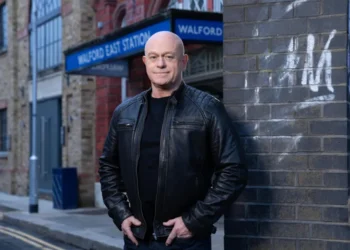 Actor Ross Kemp to Return to EastEnders for Short Stint
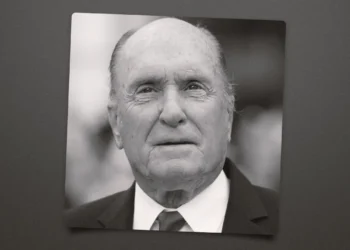 Robert Duvall dies aged 95, Hollywood mourns
 How Robert Duvall Became a Hollywood Great
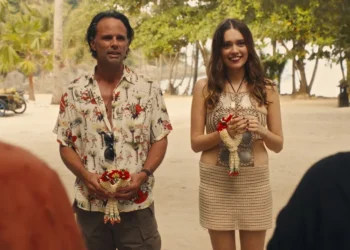 Netflix and Paramount Are Battling for Warner Bros. — Who Is Likely to Win?
 Gordon Ramsay’s Stressful New Netflix Series Shines
 The Chinese AI App Sending Hollywood Into a Panic
 Live Nation Sees Strong Ticket Sales as Monopoly Lawsuit Looms
 One Battle After Another Triumphs at BAFTAs as Robert Aramayo Wins Best Actor
 Meet Robert Aramayo: From Humble Beginnings in Hull to Juilliard and BAFTA Glory After Beating Timothée Chalamet
 Why Alan Carr Bought a Castle in Kent
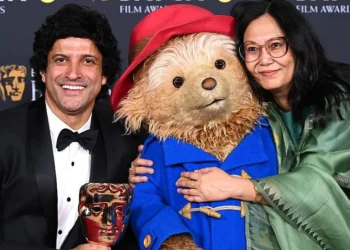 ‘We Pray for Peace’: Indian Filmmaker From Troubled State Who Won a BAFTA
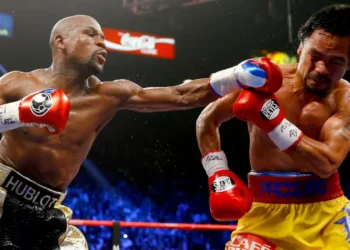 Pacquiao and Mayweather Agree Professional Rematch for September
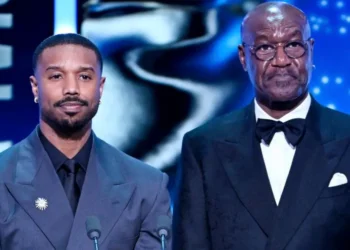 BBC Apologises After Racial Slur Aired at BAFTAs by Guest With Tourette’s

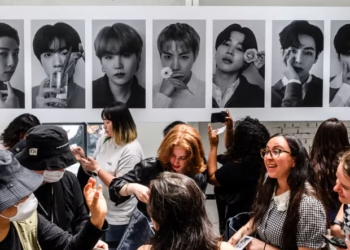 BTS comeback show sells out immediately as 260,000 fans set to descend on Seoul
 Man, 83, in Taylor Swift Video Had ‘No Idea Who She Was’
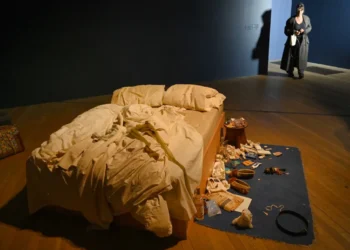 Tracey Emin Says My Bed Would Be ‘Tidy, Clean and Boring’ If Made Today
 Netflix Drops Bid for Warner Bros, Clearing Way for Paramount Takeover
 Actor Awards: The Winners and Nominations in Full
 Marshals Is an Action‑Packed Spin‑Off That Yellowstone Fans Will Love
 ‘Spiderman Saved Me From a Boring Nine-to-Five Job’