Published: March 3, 2026 . The English Chronicle Desk . The English Chronicle Online
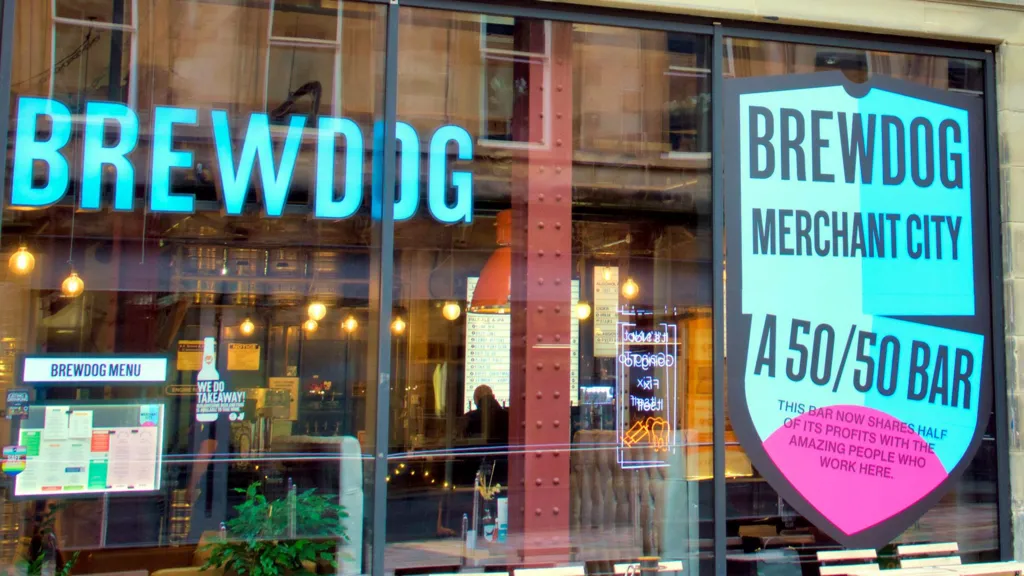
In a stark illustration of the turmoil facing parts of Britain’s hospitality and brewing sectors, iconic Scottish craft beer company BrewDog has been acquired by a United States‑based beverages and cannabis firm in a deal worth £33 million. The takeover — confirmed this week — has led to the closure of dozens of BrewDog’s bars across the United Kingdom and resulted in hundreds of staff being made redundant, underscoring the company’s financial struggles and the wider pressures on pub‑based social venues.

Tilray Brands, a US firm known for its production of medicinal cannabis and craft beverages, agreed the purchase as part of a pre‑packaged administration arrangement after BrewDog fell into insolvency. The assets acquired include the company’s global brand rights, its UK brewing operations centred in Ellon, Aberdeenshire, and 11 of its pubs in the UK and Ireland. These 11 pubs will remain open under Tilray’s ownership, preserving some jobs, but the group has confirmed that 38 other bars will close permanently.
The closures have immediate human and economic consequences. Administrators overseeing the sale said that 484 jobs will be lost as a direct result of the bar closures, with employees receiving redundancy notices as venues shut their doors. In contrast, the deal will protect 733 jobs as employees at the acquired sites transfer to Tilray’s new operating entity, Tilray Brands UK Ltd.
BrewDog’s bars were shuttered on the day the deal was finalised, with company leadership citing licensing changes required by the transfer of ownership as the reason for closing sites and cancelling customer bookings. The move affected venues in a range of locations across England, Scotland and Wales, from major cities to regional towns.
The company’s troubles reflect years of financial losses and changing market conditions. BrewDog had called in restructuring specialists AlixPartners last month after reporting sustained losses, including a significant deficit in the most recent fiscal year. Efforts to find alternative buyers, including potential bids from the company’s co‑founders and other international brewers, reportedly failed to offer a viable path to keep the business intact.
The fallout extends beyond employment counts. Tens of thousands of retail investors who backed BrewDog through its long‑running “Equity for Punks” crowdfunding initiative are expected to lose their investments as the administration and sale process leaves them with no return. The scheme had drawn widespread enthusiasm and helped finance the company’s rapid growth in earlier years, but the financial collapse has left many small investors out of pocket.
Local officials and labour advocates have criticised the handling of the job losses. One member of Parliament described the scale of redundancies and venue closures as “disastrous” for workers and communities, particularly in regions where BrewDog sites were significant employers and local gathering places. Calls have been made for support for displaced workers and for politicians to address structural challenges in the hospitality industry.
Tilray’s chief executive has indicated a commitment to steering BrewDog back toward its roots as a craft beer brand and investing in future growth. The company is also in talks to acquire BrewDog assets in other countries, including the United States and Australia, as part of its broader strategic expansion.

Industry analysts say the developments at BrewDog highlight the vulnerability of pub‑based business models in a competitive and cost‑constrained environment, where rising costs, shifting consumer behaviours and post‑pandemic recovery challenges continue to pressure traditional social venues. For employees and customers alike, the closures mark the end of an era for a brand that had become a prominent name in the UK’s craft beer landscape.
Related News:
 Modi’s London Visit Seals Historic UK-India Trade Pact Amid Global Tensions
 Historic Trade Milestone: India and UK Sign Landmark Free Trade Agreement to Deepen Economic Ties
 Rubio Calls Russian Oil Imports a Strain on India-US Relations
 China’s crackdown on civil servant perks sparks economic concerns
 Shein UK Faces Allegations of Shifting Majority of Profits to Singapore to Reduce UK Tax
 British AI Startup Outshines Human Forecasters in Global Prediction Contest
 Indian Court Deals Legal Setback to Elon Musk’s X in Free Speech Battle
 China warns UK over delayed London mega embassy decision
 Rachel Reeves to lead UK trade push in Saudi Arabia amid rights debate
 UPS Cargo Plane Crash in Kentucky Kills Seven
 US private equity set to acquire UK online retailer Very Group
 Switzerland Rolls Out Charm Offensive to Cut Trump’s 39% Tariffs
 China Gained Military-Tech Access Through UK Investments
 Canada Passes Carney’s First Budget in Tight Parliamentary Vote
 India’s Labour Law Overhaul Sparks Fierce Debate
 Carney’s Alberta Pipeline Deal Sparks Immediate Pushback
 Austrian Airlines Halts Tehran Flights Amid Political Unrest
 Trump Administration Probe of Fed’s Powell Draws Pushback
 Trading Day: Trump Crosses Fed Rubicon, Market Shrugs
 Mark Carney Walks Diplomatic Tightrope on China Visit
 Wall Street shaken by Trump tariff shock as markets tumble
 ‘Black Tax’: Burden, Pride and Survival for African Workers
 ‘Repatriate the Gold’: Germany Debates Bringing Reserves Home
 UK New Car Discounts Near £6,000 as Prices Are Slashed
 Cuban Cigar Festival Cancelled Amid US-Linked Energy Crisis
 Coles Discounts Under Fire in Federal Court
 Tourism Is Booming in 2026 — Just Not Where You Think
 Netflix and Paramount Are Battling for Warner Bros. — Who Is Likely to Win?
 Japan Braces as Takaichi Begins New Term with Huge Mandate for Low‑Tax, Ultra‑Conservative Agenda
 The Chinese AI App Sending Hollywood Into a Panic
 US and Indonesia Finalise Deal to Cut Tariffs to 19%
 US Trade Deficit Hits Fresh High Despite Trump’s Tariffs
 The Two Farms in Senegal That Supply Many of the UK’s Vegetables
 Live Nation Sees Strong Ticket Sales as Monopoly Lawsuit Looms
 ‘We’re Still on Edge’: Toy Firms Look to US Supreme Court as Tariffs Hit Profits
 Etsy Sells Second‑Hand Fashion App Depop to eBay for $1.2bn
 Asos Co-Founder Dies After Thailand Balcony Fall
 Gold Fever Hits South Africa After Lucky Find in Cattle Pen
 US Will Not Back Out of Tariff Deals with UK and Others, Says Trump Trade Representative
 Trump Tower Gold Coast to Redefine Skyline
 Rory Amon Trial: Alleged Victim Speaks in Court
 What Now for Asia After Trump’s Tariffs Were Struck Down?
 Ukraine war briefing: Russia exporting more oil now than before war despite sanctions – report
 Trump’s tariff strategy collapse sows global chaos and confusion
 Shein’s Elusive Boss Hails Chinese Roots in Rare Public Appearance
 What Tariffs Has Trump Introduced and Why?
 Bill Gates ‘Took Responsibility’ Over Epstein Ties in Staff Meeting, Foundation Says
 Netflix Drops Warner Bros Bid, Clearing Way for Paramount Takeover
 Why Asian Firms Are Not Cheering Trump Tariff Ruling
 Why Asian Firms Are Not Cheering Trump Tariff Ruling
 Oil Prices Rise After Ships Attacked Near Strait of Hormuz
 Flights Cancelled and New Travel Warnings Issued After Iran Strikes
 India and Canada Seal Series of Deals as Carney and Modi Reset Ties
 Oil Prices Surge as Iran War Jolts Markets
 Tehran Makes New Threat to Gulf Shipping as US Says ‘Hardest Hits’ on Iran ‘Yet to Come’
 Limited Flights Leave UAE But Disruption Continues Amid Iran Strikes
 Gulf shipping crisis as war risk cover pulled
 The Little Town Making Nearly All of China’s Lanterns
 UK Must Act with Courage and Clarity on Israel-Palestine Conflict, Says Foreign Affairs Committee Report
 Chaos at Ibrox as Martin’s Rangers Era Comes to an End
 UK House Price Growth Slows as Buyers Exercise Caution Ahead of Autumn Budget
 Russia’s Latest Push to Win US Favors Shows Deep Desperation
 Reeves Faces Setback as Labour May Miss Homes Target
 Trump’s UK Ambassador Urges North Sea Drilling to Strengthen US Ties
BBC to Apologise Over Edited Trump Speech Amid Backlash
Trump’s UK Ambassador Urges North Sea Drilling to Strengthen US Ties
BBC to Apologise Over Edited Trump Speech Amid Backlash
 Millionaires group urge Reeves to introduce wealth tax to ‘lift kids out of poverty’
 Greene Pushes Epstein Files Amid Trump Fallout
 Zelenskyy Signs Fighter Jet Deal Amid Russian Drone Attacks
 Shadow Fleet at Sea: Europe’s Battle Against Illicit Oil Shipping
 US Suspends Afghan Immigration After White House Shooting
 Starmer Says Labour’s Economic Plan Needs Years to Deliver
 ‘Extinct’ Antelope Returns to Sahara, Bringing Hope
 Historic £100-Weekly Pension Boost Brings Relief for UK Mineworkers
 Sydney Shark Attack Surge Shocks Australia Beaches
 US Dollar Hits Four-Year Low Amid Market Turmoil
 Hilary Knight speaks out on Trump’s recent hockey remarks
 American Citizen Killed in Cuba Boat Shooting, U.S. Officials Say
 Iran’s Regime Still Intact — Coming Days Will Test Its Survival
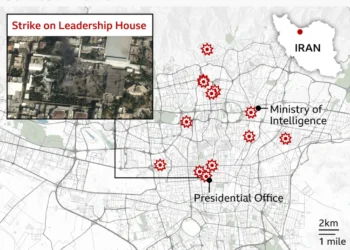 In Maps: Strikes Across Iran and the Middle East
 Brit ‘in Good Spirits’ Amid Dubai Missile Attacks, Stranded but Safe