Published: March 3, 2026 . The English Chronicle Desk . The English Chronicle Online
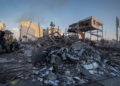
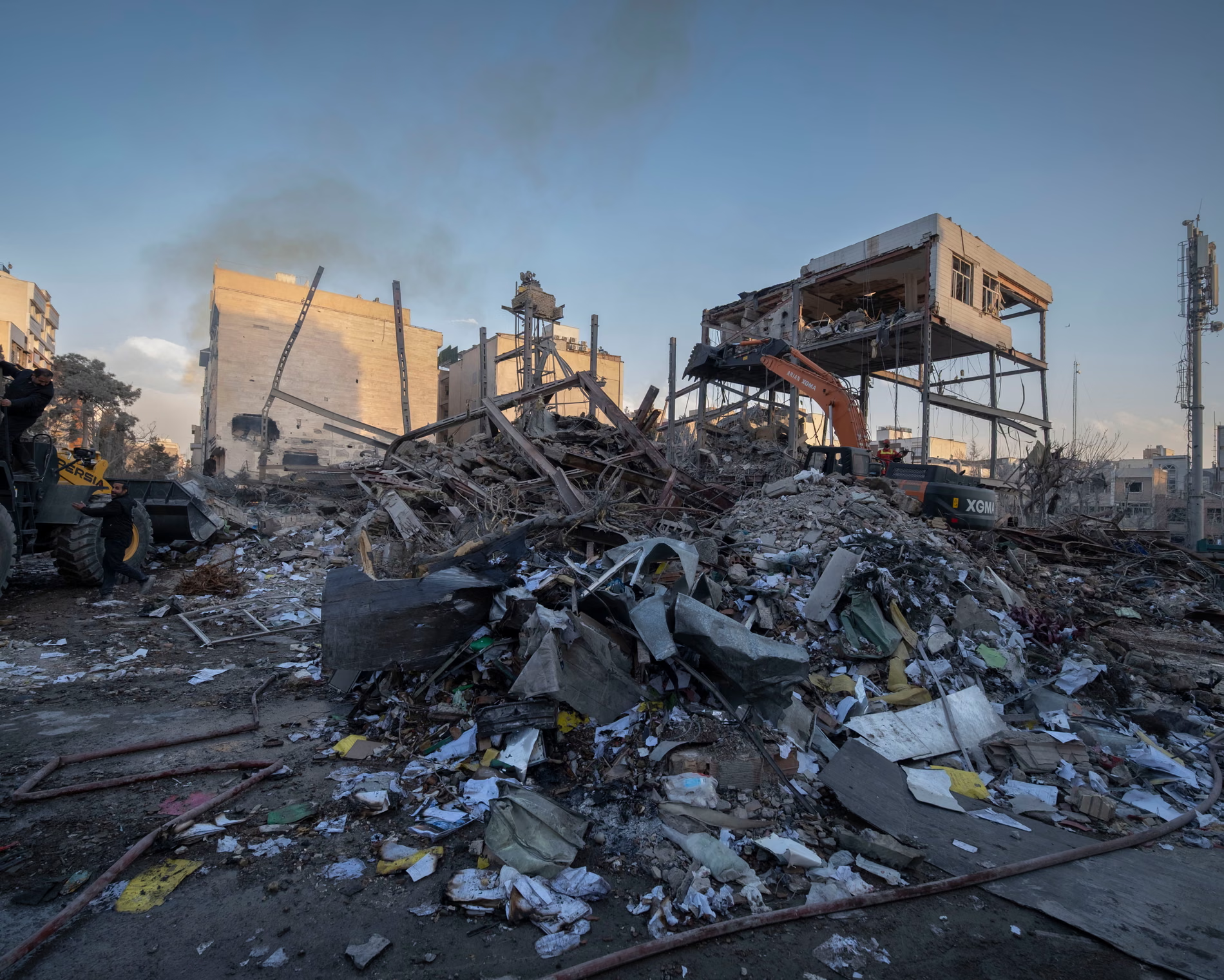
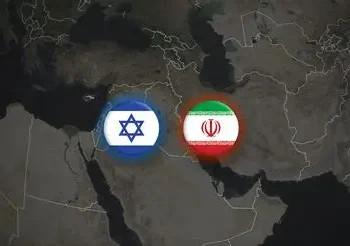
The escalating war between the United States, Israel and Iran has pushed the civilian death toll in Iran past 700, human rights groups and local sources report, as people grapple with the fear of continued bombing and an increasingly hard‑line domestic crackdown by the Iranian government. The figures highlight the severe human cost of the rapidly expanding conflict, which began with coordinated U.S. and Israeli strikes deep inside Iranian territory and has since escalated into widespread bombardments across cities and towns.

According to estimates compiled by the US‑based Human Rights Activist News Agency, at least 742 civilians have been killed in the current fighting, including dozens of children. Official data from the Iranian Red Crescent Society lists over 555 fatalities, though independent verification remains difficult due to an ongoing near‑total internet blackout imposed by Iranian authorities.
Among the dead are large numbers of children and non‑combatants, including scores killed in a missile strike on a girls’ elementary school in Minab in southern Iran — one of the war’s deadliest single incidents, amplifying international concerns about civilian protection.
Civilians report living in constant fear. Residents in cities such as Tehran, Sanandaj and Mahabad describe widespread alerts, street warnings from the elite Islamic Revolutionary Guard Corps (IRGC) and repeated power and communications disruptions as airstrikes and missile barrages continue. Messages broadcast by Iranian security forces have warned citizens that any public movement could be interpreted as “cooperation with the enemy,” effectively trapping many in their homes under threat of accusation or arrest.
The internet shutdown makes it nearly impossible to gauge the full scale of the humanitarian impact, with power outages reported in multiple regions at the same time that bombings intensify. Civilians trying to flee targeted cities face an additional danger from both the bombardments and the regime’s internal security apparatus.
The conflict erupted after joint U.S.–Israeli airstrikes targeted Iran’s nuclear and military infrastructure in late February, including strikes in Tehran, Isfahan and multiple provinces, in what Western officials have described as a pre‑emptive move. Iran responded with missiles and drone strikes directed at U.S. forces and allied bases across the region, triggering a wider cycle of retaliation that has so far involved multiple governments and non‑state actors.
International concern over the civilian toll has grown as humanitarian organisations and rights groups highlight what they call a worrying pattern of military targets located near or within densely populated areas. Some analysts and activists say this positioning by Iranian forces increases the risk to ordinary residents and challenges established norms of distinction in armed conflict.

The rising death toll and extreme conditions — including restricted access to independent information, disrupted services and messages from authorities urging compliance — underscore the acute humanitarian plight facing ordinary Iranians. With no immediate ceasefire in sight and combat operations continuing across 20 plus provinces, rights groups warn that civilian casualties are likely to rise further as hostilities intensify.
Related News:
 Israel and Hezbollah Exchange Fire as Conflict Worsens
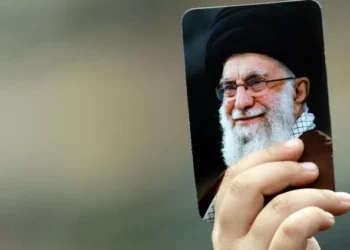 Iran’s Regime Still Intact — Coming Days Will Test Its Survival
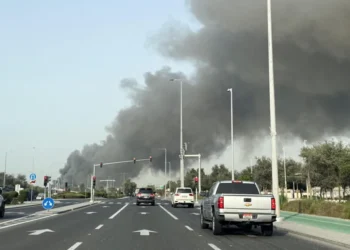 Allies of US in the Gulf Bear Brunt of Iran Attacks
 Hopes and Fears as US Iranians Take to Streets After Toppling of Supreme Leader
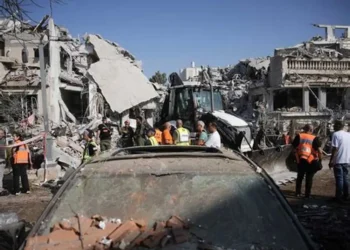 Retaliations Continue on Day Two of US-Israel Attacks on Iran
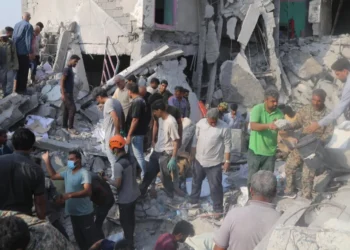 At Least 153 Dead After Reported Strike on School, Iran Says
 At Least 153 Dead After Reported Strike on School, Iran Says
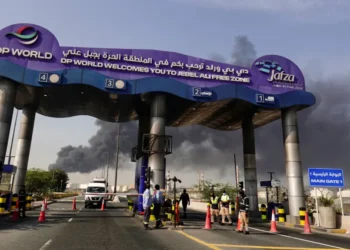 ‘It’s Eerie’ – Dubai on Edge as City Comes Under Attack
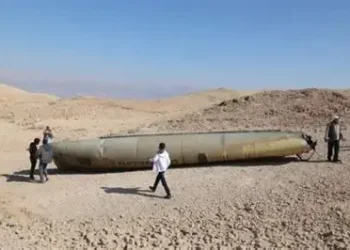 BBC Reports from Beit Shemesh After Deadly Iranian Missile Strike
 Iran, the US, and a World Cup That Starts in Three Months
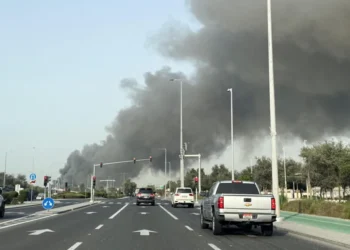 Allies of US in the Gulf Bear Brunt of Iran Attacks
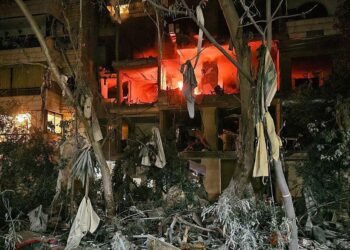 Israeli Attacks Kill 31 in Lebanon, Iran Strikes Across Region, US Warplanes Crash in Kuwait
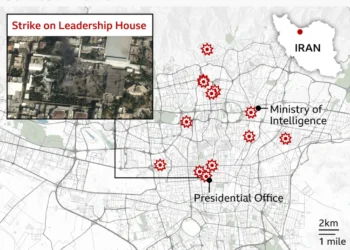 In Maps: Strikes Across Iran and the Middle East
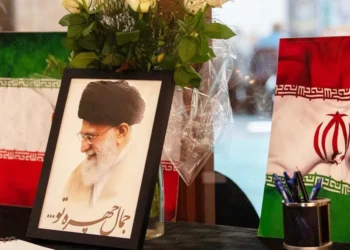 Months of Planning Behind US‑Israeli Mission to Target Iran’s Supreme Leader
 Cooper: Joining US Strikes on Iran ‘Not in Britain’s Interest’
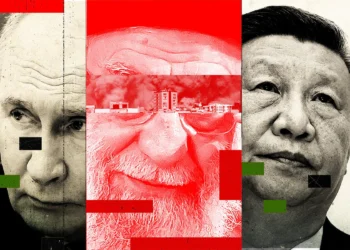 What Khamenei’s Death Means for Russia and China
 Tehran Makes New Threat to Gulf Shipping as US Says ‘Hardest Hits’ on Iran ‘Yet to Come’
 Trump’s Iran Endgame Unclear After Mixed Messaging on War Aims
 Did Trump Declare War and Did Congress Approve Iran Attacks? What to Know
 Rubio Responds to Reported Strike on Iranian School
 Scots Caught Up in Middle East Crisis ‘Just Waiting for the Next Explosion’
 The Third Day of the US‑Israeli War With Iran
 Why the US and Israel attacked Iran
 Israel Launches Fresh Strikes on Tehran & Beirut; US Warns “Hardest Hits” Ahead
 Three Days In, This War’s End Is Still Unclear
 US Has ‘Enough Weapons for Forever War,’ Trump Says
 Israel Strikes Lebanon After Hezbollah Rocket Fire as Iran Conflict Widens
 Latest on Middle East Conflict — In Maps: Strikes Across Iran and the Region
 ‘I saw missiles being intercepted’: Influencers recount shock as Iran hits Dubai landmarks
 Amazon Says Drones Damaged Three Facilities in UAE and Bahrain
 Man Recalls ‘Terrifying’ Dubai Missile Ordeal During Iran Strikes
 Israel’s New Airstrikes on Tehran & Beirut After US Embassy in Riyadh Is Hit
 Israel Launches Ground Invasion of Lebanon Amid Widening Middle East War
 Iranian Rockets Are Testing the Resolve of Dubai’s Instagram Stars
 Airline Pilots Feared Iranian Missile Had Been Fired at Them
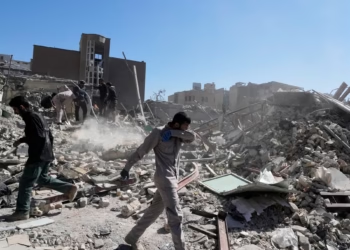 US Embassy in Riyadh Hit by Iranian Drones as Israeli Troops Enter Southern Lebanon
 US Strikes on Iran Triggered by Israel’s Plan to Launch Attack, Rubio Says
 First Wave of Europeans Stranded by Iran Conflict Return Home, With Hundreds of Thousands Still Left in Region
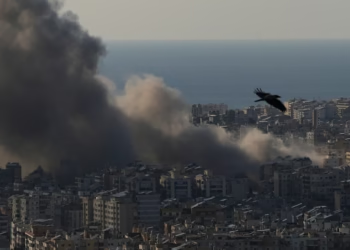 Sixth American Service Member Killed in Iran Operation as Conflict Intensifies
 Trump Rebukes Starmer Over UK Refusal to Back Strikes on Iran
 Eleven Killed in Israeli Strikes on Gaza, Rescuers Say
 ‘I Would Scream in My Sleep’: Alawite Women from Syria Tell of Kidnap and Rape
 Iran Says ‘Guiding Principles’ Agreed With US at Nuclear Talks
 US Pushes to Recruit Organised Crime Gangs into Gaza Police Force
 US Urges Iran to Make Deal as Military Presence Rises
 US Build-Up of Warships and Fighter Jets Tracked Near Iran
 Trump’s Foreign Policy Dilemma Laid Bare by Iran Tensions
 Hamas Holds Vote to Choose New Interim Leader, Source Tells BBC
 Ukraine Negotiator Reveals What It Feels Like Facing Russia
 Mandelson Arrested Amid Political Turmoil as Ukraine Marks Four Years of Conflict
 Russian Troops Executed by Commanders, Soldiers Tell BBC
 US Partially Evacuates Beirut Embassy Amid Rising Iran Tensions
 Ukraine war briefing: Why Ukraine remains defiant and does not feel close to defeat
 ‘Anyone who runs is shot’: Russian soldiers describe killings of troops who refuse orders
 Ukraine remembers its dead as war enters a fifth year
 Seven Killed in Ukrainian Drone Attack on Russian Factory
 ‘Fear Is Everywhere’: Reports From Mexican City Turned Into War Zone by Drug Cartel Feud
 US and Iran to Hold Talks as Pressure for Nuclear Deal Builds
 Orbán Accuses Ukraine of Disrupting Oil Supplies to Hungary
 Pakistan Strikes Afghanistan as PM Says Forces Ready to ‘Crush’ Taliban
 Middle East Flights Halted After Iran Strikes
 UK Will Allow US to Use Bases to Strike Iranian Missile Sites, PM Says
 US Iran Operation: Sixth Service Member Killed
 Hezbollah Anger Erupts as War Returns to Beirut
 Gaza Siege Deepens as Iran War Escalates
 Melania Trump Chairs UN Security Council Meeting on Children in Conflict Amid Iran Strikes
 Limited Flights Leave UAE But Disruption Continues Amid Iran Strikes
 Israel Launches Fresh Strikes on Tehran and Beirut on Day Four
 At Least 169 Killed in South Sudan ‘Surprise’ Attack
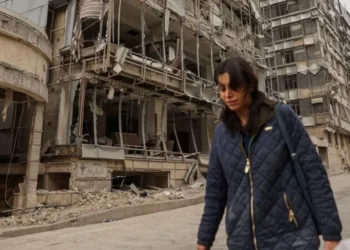 ‘They Hit So Hard the House Was Shaking’: Iranians Describe US‑Israel Attacks
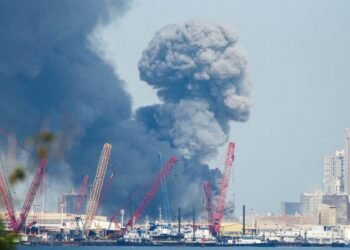 Trump Underestimated the Iranian Regime’s Will to Survive
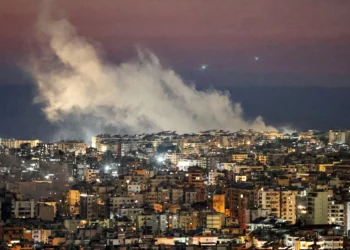 U.S. Tells Citizens to Leave Israel Now as Regional Conflict Escalates
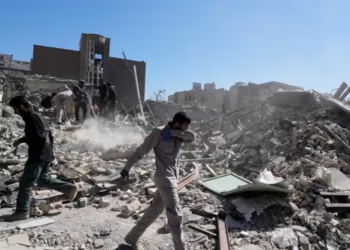 Riyadh Drone Attack Escalates Regional War
 BBC to Apologise Over Edited Trump Speech Amid Backlash
 Greene Pushes Epstein Files Amid Trump Fallout
 Zelenskyy Signs Fighter Jet Deal Amid Russian Drone Attacks
 Shadow Fleet at Sea: Europe’s Battle Against Illicit Oil Shipping
 US Suspends Afghan Immigration After White House Shooting
 ‘Extinct’ Antelope Returns to Sahara, Bringing Hope
 Sydney Shark Attack Surge Shocks Australia Beaches