Published: March 5, 2026 . The English Chronicle Desk . The English Chronicle Online
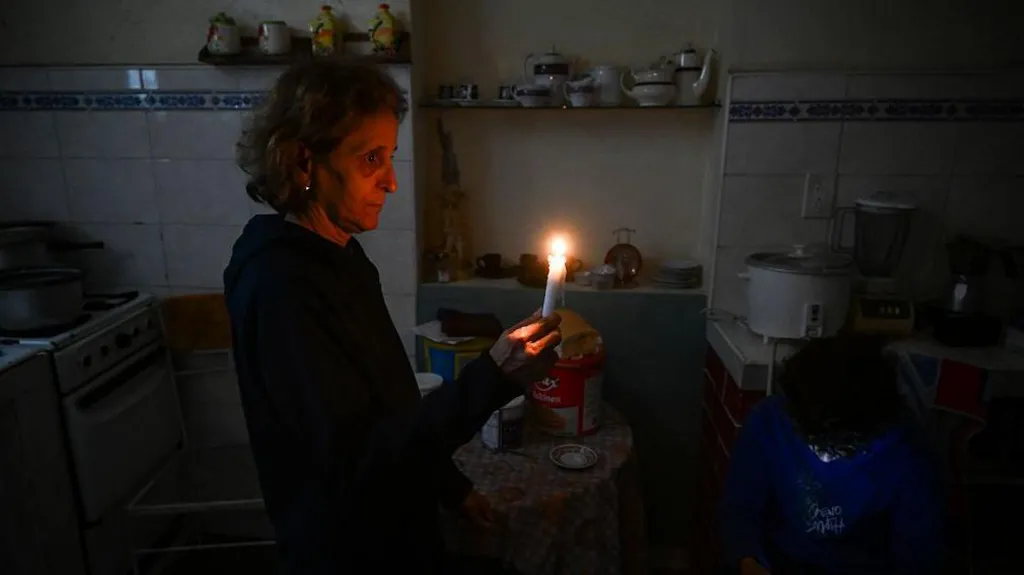
Millions of people across Cuba have been plunged into darkness after a massive power outage struck large parts of the island, underscoring the severity of the country’s worsening fuel crisis and fragile electricity infrastructure. The blackout, which affected the western half of the nation including the capital Havana, has disrupted daily life for residents already struggling with shortages of fuel, food and basic services.

Authorities confirmed that the outage began after the unexpected shutdown of the Antonio Guiteras thermoelectric power plant, one of the country’s largest electricity producers. A boiler leak and mechanical failure forced the plant offline, triggering a chain reaction across Cuba’s ageing national power grid and leaving millions without electricity.
The blackout stretched across multiple provinces, from Pinar del Río in the west to Camagüey in central Cuba, affecting residential areas, businesses and essential services. Officials warned that restoring the electrical system could take several days as engineers work to restart power plants and stabilise the grid. In the immediate aftermath, only a small portion of Havana regained electricity while much of the capital remained in darkness.
Cuba’s government described the crisis as part of a broader energy emergency caused by dwindling fuel supplies and deteriorating infrastructure. Years of limited investment, shortages of spare parts and repeated mechanical breakdowns have left the national grid vulnerable to sudden failures.
The country’s energy problems have been compounded by a severe shortage of imported oil. Cuba depends heavily on foreign fuel shipments to run its thermoelectric plants, but disruptions to supply—particularly from traditional partners such as Venezuela—have reduced the amount of fuel available to power stations across the island.
Cuban officials also blame longstanding economic sanctions imposed by the United States, arguing that restrictions on financial transactions and fuel imports have made it more difficult for the country to purchase oil and modernise its electricity infrastructure. The government says these external pressures have intensified the current crisis and limited its ability to respond quickly to outages.
For ordinary Cubans, the blackout has added another layer of hardship to an already difficult economic environment. Residents in Havana and other cities reported hours without electricity, forcing families to cook with charcoal or gas stoves while struggling to keep food refrigerated in tropical heat. Public transportation was also disrupted as fuel shortages and electricity cuts reduced bus services across the capital.
Hospitals and critical infrastructure were prioritised during the restoration process, with authorities attempting to channel limited power supplies to medical facilities and emergency services first. Even so, widespread outages meant that many clinics and neighbourhood health centres faced difficulties operating normally.
The crisis is part of a broader pattern of recurring blackouts that have affected Cuba in recent years. The island has experienced multiple large-scale outages since 2024, with officials citing fuel shortages, mechanical failures and transmission problems as key causes. Some of the earlier incidents triggered public protests as citizens demanded improvements in electricity supply and living conditions.
Beyond the immediate impact on households, the energy shortage is also threatening the country’s agricultural production and food supply. Limited fuel availability has made it difficult to operate farming equipment, transport crops and maintain irrigation systems, raising concerns about the stability of food distribution across the island.
Economic analysts say the blackout illustrates the fragile state of Cuba’s economy, which is still recovering from the combined effects of pandemic-related tourism losses, global inflation and ongoing political tensions with the United States. Tourism—one of the country’s main sources of foreign currency—has struggled to rebound fully, leaving the government with limited resources to import fuel and maintain infrastructure.
The power outage has also highlighted the challenges facing Cuba’s energy sector, which relies heavily on outdated thermoelectric plants built decades ago. Without significant investment or access to new fuel supplies, experts warn that the country could face further outages in the months ahead.
Government officials have urged patience as engineers attempt to restore the national electrical system. At the same time, authorities have introduced energy-saving measures in several provinces, including restrictions on non-essential electricity use and temporary reductions in public services to stabilise the grid.

For many Cubans, however, the blackout has become a symbol of deeper economic problems facing the island. As darkness returned to streets and homes across large parts of the country, the outage served as a stark reminder of how fragile Cuba’s energy system has become—and how urgently solutions are needed to prevent further nationwide disruptions.
Related News:
 Modi’s London Visit Seals Historic UK-India Trade Pact Amid Global Tensions
 Historic Trade Milestone: India and UK Sign Landmark Free Trade Agreement to Deepen Economic Ties
 Rubio Calls Russian Oil Imports a Strain on India-US Relations
 China’s crackdown on civil servant perks sparks economic concerns
 Shein UK Faces Allegations of Shifting Majority of Profits to Singapore to Reduce UK Tax
 British AI Startup Outshines Human Forecasters in Global Prediction Contest
 Indian Court Deals Legal Setback to Elon Musk’s X in Free Speech Battle
 China warns UK over delayed London mega embassy decision
 Rachel Reeves to lead UK trade push in Saudi Arabia amid rights debate
 UPS Cargo Plane Crash in Kentucky Kills Seven
 US private equity set to acquire UK online retailer Very Group
 Switzerland Rolls Out Charm Offensive to Cut Trump’s 39% Tariffs
 China Gained Military-Tech Access Through UK Investments
 Canada Passes Carney’s First Budget in Tight Parliamentary Vote
 India’s Labour Law Overhaul Sparks Fierce Debate
 Carney’s Alberta Pipeline Deal Sparks Immediate Pushback
 Austrian Airlines Halts Tehran Flights Amid Political Unrest
 Trump Administration Probe of Fed’s Powell Draws Pushback
 Trading Day: Trump Crosses Fed Rubicon, Market Shrugs
 Mark Carney Walks Diplomatic Tightrope on China Visit
 Wall Street shaken by Trump tariff shock as markets tumble
 ‘Black Tax’: Burden, Pride and Survival for African Workers
 ‘Repatriate the Gold’: Germany Debates Bringing Reserves Home
 UK New Car Discounts Near £6,000 as Prices Are Slashed
 Cuban Cigar Festival Cancelled Amid US-Linked Energy Crisis
 Coles Discounts Under Fire in Federal Court
 Tourism Is Booming in 2026 — Just Not Where You Think
 Netflix and Paramount Are Battling for Warner Bros. — Who Is Likely to Win?
 Japan Braces as Takaichi Begins New Term with Huge Mandate for Low‑Tax, Ultra‑Conservative Agenda
 The Chinese AI App Sending Hollywood Into a Panic
 US and Indonesia Finalise Deal to Cut Tariffs to 19%
 US Trade Deficit Hits Fresh High Despite Trump’s Tariffs
 The Two Farms in Senegal That Supply Many of the UK’s Vegetables
 Live Nation Sees Strong Ticket Sales as Monopoly Lawsuit Looms
 ‘We’re Still on Edge’: Toy Firms Look to US Supreme Court as Tariffs Hit Profits
 Etsy Sells Second‑Hand Fashion App Depop to eBay for $1.2bn
 Asos Co-Founder Dies After Thailand Balcony Fall
 Gold Fever Hits South Africa After Lucky Find in Cattle Pen
 US Will Not Back Out of Tariff Deals with UK and Others, Says Trump Trade Representative
 Trump Tower Gold Coast to Redefine Skyline
 Rory Amon Trial: Alleged Victim Speaks in Court
 What Now for Asia After Trump’s Tariffs Were Struck Down?
 Ukraine war briefing: Russia exporting more oil now than before war despite sanctions – report
 Trump’s tariff strategy collapse sows global chaos and confusion
 Shein’s Elusive Boss Hails Chinese Roots in Rare Public Appearance
 What Tariffs Has Trump Introduced and Why?
 Bill Gates ‘Took Responsibility’ Over Epstein Ties in Staff Meeting, Foundation Says
 Netflix Drops Warner Bros Bid, Clearing Way for Paramount Takeover
 Why Asian Firms Are Not Cheering Trump Tariff Ruling
 Why Asian Firms Are Not Cheering Trump Tariff Ruling
 Oil Prices Rise After Ships Attacked Near Strait of Hormuz
 Flights Cancelled and New Travel Warnings Issued After Iran Strikes
 India and Canada Seal Series of Deals as Carney and Modi Reset Ties
 Oil Prices Surge as Iran War Jolts Markets
 Tehran Makes New Threat to Gulf Shipping as US Says ‘Hardest Hits’ on Iran ‘Yet to Come’
 Limited Flights Leave UAE But Disruption Continues Amid Iran Strikes
 Gulf shipping crisis as war risk cover pulled
 The Little Town Making Nearly All of China’s Lanterns
 Bars Close and Hundreds Lose Jobs as US Firm Buys BrewDog in £33m Deal
 Global markets face turmoil as Hormuz crisis deepens
 Chaos at Ibrox as Martin’s Rangers Era Comes to an End
 UK House Price Growth Slows as Buyers Exercise Caution Ahead of Autumn Budget
 Russia’s Latest Push to Win US Favors Shows Deep Desperation
 Reeves Faces Setback as Labour May Miss Homes Target
 Trump’s UK Ambassador Urges North Sea Drilling to Strengthen US Ties
BBC to Apologise Over Edited Trump Speech Amid Backlash
Trump’s UK Ambassador Urges North Sea Drilling to Strengthen US Ties
BBC to Apologise Over Edited Trump Speech Amid Backlash
 Millionaires group urge Reeves to introduce wealth tax to ‘lift kids out of poverty’
 Greene Pushes Epstein Files Amid Trump Fallout
 Zelenskyy Signs Fighter Jet Deal Amid Russian Drone Attacks
 Shadow Fleet at Sea: Europe’s Battle Against Illicit Oil Shipping
 US Suspends Afghan Immigration After White House Shooting
 Starmer Says Labour’s Economic Plan Needs Years to Deliver
 ‘Extinct’ Antelope Returns to Sahara, Bringing Hope
 Historic £100-Weekly Pension Boost Brings Relief for UK Mineworkers
 Hilary Knight speaks out on Trump’s recent hockey remarks
 American Citizen Killed in Cuba Boat Shooting, U.S. Officials Say
 Iran’s Regime Still Intact — Coming Days Will Test Its Survival
 In Maps: Strikes Across Iran and the Middle East
 Brit ‘in Good Spirits’ Amid Dubai Missile Attacks, Stranded but Safe
 Civilian Deaths in Iran Pass 700 Amid Fear of Bombs and Regime Clampdown