Published: March 5, 2026
The English Chronicle Desk
The English Chronicle Online
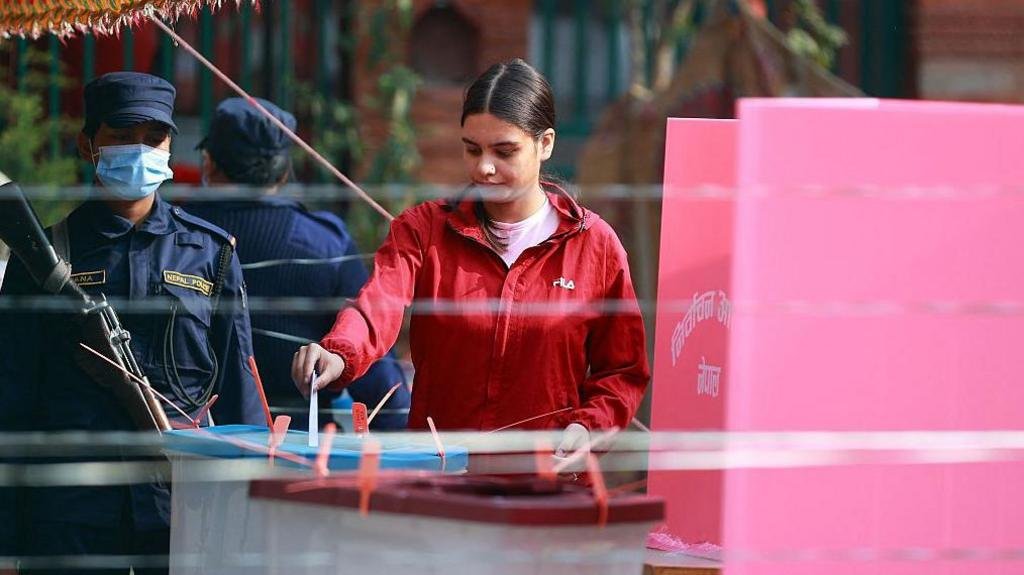
Nepal has held its first general election since a wave of youth-led protests swept the country last year, forcing the resignation of the previous government. Millions of voters across the Himalayan nation cast their ballots amid heightened security and widespread political tension, marking a pivotal moment in Nepal’s democratic history.

The election comes after sustained demonstrations led primarily by members of Generation Z, who mobilized through social media and grassroots campaigns to demand political accountability, transparency, and action on issues such as climate change, education reform, and unemployment. The protests, which began in late 2025, ultimately pressured Prime Minister Ramesh Thapa’s government to step down, ushering in an interim administration tasked with overseeing a fair electoral process.
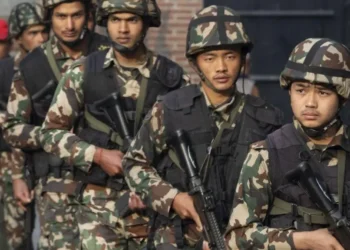
Voters in Kathmandu and other major cities reported long lines at polling stations, with citizens expressing hope that the election would usher in meaningful change. Security forces were deployed throughout the country to prevent disruptions and ensure a peaceful voting process, reflecting lingering concerns about political instability and the potential for unrest.
Political analysts note that this election represents not only a contest between traditional parties but also a referendum on youth influence in Nepalese politics. Several candidates endorsed by student and youth movements have entered the race, highlighting the growing role of younger voters in shaping the nation’s policy priorities.
The ruling Nepali Congress and the Communist Party of Nepal have dominated the campaign, but emerging alliances and independent candidates backed by activist networks have drawn attention, particularly among urban and first-time voters. Many of these candidates emphasize issues raised by the Gen Z protests, including anti-corruption measures, expansion of digital infrastructure, and climate policy reforms.
Observers from the United Nations and other international bodies have been invited to monitor the election, reflecting the global significance of a democratic process triggered by youth activism. International commentators note that Nepal’s experience could serve as a model for how generational movements can influence political accountability in emerging democracies.
The interim government has pledged transparency in vote counting and reporting, and early exit polls suggest strong participation from younger voters who were instrumental in the previous protests. Political commentators caution, however, that high voter turnout does not necessarily guarantee the election of reform-minded candidates, as traditional parties still maintain entrenched support in rural areas.
Meanwhile, economic and social concerns remain at the forefront of public debate. Nepal faces challenges including rising unemployment, climate-related disasters affecting agriculture, and the need for educational reforms to better equip its youth for a rapidly modernizing economy. These issues were central to the Gen Z-led protests and are likely to influence both voter behaviour and the policies of the next government.
Prime Minister-designate candidates have pledged to form a coalition government capable of addressing these challenges, but political analysts warn that negotiations could be complex given the fragmented landscape of parties and new activist-backed entrants. The election outcome is expected to define Nepal’s political trajectory for years, as policymakers attempt to reconcile the demands of younger generations with long-standing political structures.
Savannah Thapa, a political science professor at Tribhuvan University, observed that “this election is historic not simply for the change in government, but for the message it sends about youth empowerment and civic engagement in Nepal. Generation Z has shown it can mobilize, articulate policy priorities, and influence the democratic process.”

As ballots are counted over the coming days, both local citizens and international observers await the results with keen interest. The election is being widely seen as a test of whether Nepal can successfully integrate youth-led demands into mainstream politics while maintaining democratic stability in a country with a history of political upheaval.
Related News:
 After the Landslide: Can India Reset Ties with BNP Bangladesh?
 China Strikes at Japan’s Core — Will PM Takaichi Back Down?
 Japan Braces as Takaichi Begins New Term with Huge Mandate for Low‑Tax, Ultra‑Conservative Agenda
 South Korea’s Ex-President Faces Death Penalty in Insurrection Trial
 Bill Gates Pulls Out of India’s AI Summit Over Epstein Files Controversy
 Billionaire Les Wexner Tells US Lawmakers He Was ‘Naive’ and ‘Conned’ by Epstein
 Kim Jong Un Reappointed as Ruling Party Chief
 The Taekwondo Teacher Tasked With Healing India’s Troubled State
 Inside Kyiv’s resolve as conflict nears five‑year mark
 Japan to Deploy Missiles on Island Near Taiwan by 2031
 Nine Killed in Karachi Consulate Protest
 Could Kim’s Teen Daughter Become North Korea’s Next Leader?
 Rap Star May Beat Ex‑PM — What This Says About Nepal’s Gen Z
 Nepal Leaders Call on Voters to Ensure Success of ‘Historic’ Election
 Kinnock’s Rebuke Echoes Loudly as Corbyn Allies Launch Left-Wing Breakaway: “A Gift to Farage”
 Trump Administration Dismisses 17 Immigration Judges, Sparking Debate Over Judicial Independence
 UK Must Act with Courage and Clarity on Israel-Palestine Conflict, Says Foreign Affairs Committee Report
 Trump Threatens 100% Tariff on Nations Importing Russian Oil Amid India Standoff Over Ukraine War
 Radioactive Leak at UK’s Nuclear Warhead Base Sparks Outcry Over Safety and Secrecy
 Mutual Inconvenience: Why Alaska Was Chosen for the Trump-Putin Summit on Ukraine
 Hong Kong Summons UK and Australian Envoys Following Asylum Grants to Democracy Activists
 Is the UK Ready to Put Boots on the Ground in Ukraine? Assessing Military Capacity and Challenges
 Conservative Influencer Charlie Kirk Fatally Shot During University Debate
 Thousands Gather in London to Protest Donald Trump’s Second UK State Visit
 Channel Crossings Surge: Over 1,000 People Arrive in the UK in Small Boats in a Single Day
 Widow of Charlie Kirk Forgives Killer at Emotional Memorial Service
 Yvette Cooper Signals Global Momentum Towards Gaza Peace Deal Amid Humanitarian Crisis
 A Third of EU Citizens in UK Report Discrimination by Public Bodies Post-Brexit
 Public Trust in SNP Hits Historic Low Amid NHS Concerns
 Johnson Suggests Mandelson Linked to China Spy Controversy
 Rachel Reeves signals welfare reform ahead of key budget
 Ireland Votes as Two Women Compete for Presidency
 Russia’s Latest Push to Win US Favors Shows Deep Desperation
 Experts Warn Russia’s Burevestnik Missile Could Destabilise Arms Control
 BBC to Apologise Over Edited Trump Speech Amid Backlash
 Britain deploys RAF specialists to assist Belgium with drone threats
 Trump Urges Herzog to Grant Netanyahu Full Pardon
 Indian authorities demolish Kashmir home linked to Red Fort blast
 Greene Pushes Epstein Files Amid Trump Fallout
 Trump Deploys DHS to Charlotte in Major Arrest Operation
 December Run-Off in Chile as Election Produces No Winner
 Canada Passes Carney’s First Budget in Tight Parliamentary Vote
 Shadow Fleet at Sea: Europe’s Battle Against Illicit Oil Shipping
 Pentagon Officials in Ukraine to Discuss War End
 India’s COP30 Delay Raises Global Climate Concerns
 Venezuela Threatens Nobel Winner Machado with Fugitive Status
 Georgians Defy Government Crackdown After Year of Protests
 EU plans $105bn Ukraine aid using frozen Russian assets
 Russia losses Ukraine war peace talks intensify amid rising deaths
 Albanese Opens Door to Bondi Royal Commission Amid Rising Pressure
 Trump Escalates Minnesota Immigration Surge Amid Rising Tensions
 Iran Protesters Defy Crackdown as Violent Clashes Intensify
 Trump Threatens Strong Action If Iran Executes Protesters
 EU weighs response amid Greenland tariff crisis with Trump
 EU Says US Ties Have Suffered ‘Big Blow’ After Greenland Crisis
 Israel Moves to Bar MSF From Gaza Operations
 Australian Families Leave Syrian Camp for Home
 Starmer Weighs Fast-Tracking Defence Boost
 Macron Rebuked in Franco-German Defence Row
 Japan’s Lost “Tigers” Were Actually Lions, Study Reveals
 Trump Attacks UK-California Energy Pact
 Nine Arrested in France Over Death of Far‑Right Student
 Trump and Chagos Deal Rift Over Iran Strikes
 Andrew Arrest Sparks Republic Debate in Australia
 Australian PM Says Former Prince Andrew Has Suffered ‘Extraordinary Fall’ but That Won’t Prompt Republic Referendum
 Global corruption crisis: Who Washington shields
 Musk Cuts Starlink Access for Russian Forces – Giving Ukraine an Edge at the Front
 Farage Chagos Islands Row Sparks Fury
 How South Korea’s Democracy Rebounded After Martial Law Attempt
 Ukraine Negotiator Reveals What It Feels Like Facing Russia
 Chad Shuts Border With Sudan in Bid to Stop Conflict Spreading
 French Minister Moves to Block US Envoy Kushner from Government Access
 Trump Speech Sparks Intense Debate Across Divided America
 Has Europe truly learned from the failures of 2022?
 American Citizen Killed in Cuba Boat Shooting, U.S. Officials Say
 Iran’s Regime Still Intact — Coming Days Will Test Its Survival
 Allies of US in the Gulf Bear Brunt of Iran Attacks
 Trump Faces Questions Over Iran Conflict Plan
 Israel Launches Ground Invasion of Lebanon Amid Widening Middle East War
 Herzog Asio meeting sparks security storm