Published: March 5, 2026
The English Chronicle Desk
The English Chronicle Online
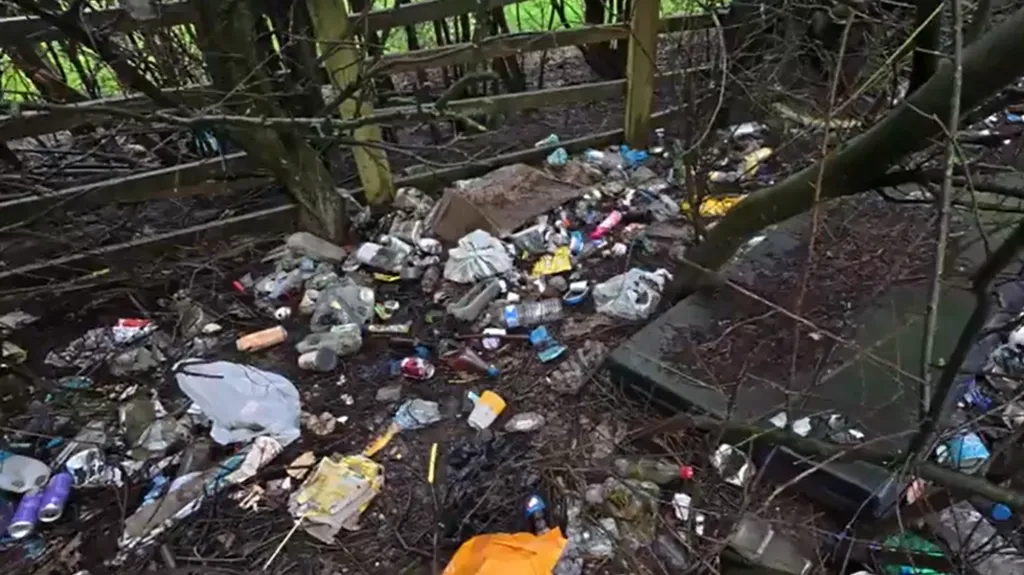
Across many cities and towns, some of the nation’s most neglected roads remain stubbornly dirty despite repeated complaints from residents. From littered street corners and fly‑tipped waste to dust‑caked surfaces where sweeping and cleaning services rarely reach, the problem of untidy roads has become a visible frustration for commuters, local businesses and communities.

Experts and civic observers say the reasons for persistent road dirtiness are multifaceted, involving gaps in responsibility between authorities, lack of resources, unclear ownership of certain streets and wider behavioural issues in public waste disposal practices. In several districts, local councils say managing rubbish on unadopted roads — those not formally taken over by municipal bodies — is legally complex, meaning there is no clear obligation for them to clean litter or fly‑tipping, leaving waste to accumulate and degrade neighbourhoods.
In areas where local authorities are responsible, budget constraints and competing priorities can restrict thorough cleaning operations. Many councils operate under tight financial pressures that force them to prioritise essential services such as road repairs and streetlight maintenance ahead of routine street washing, sweeping and litter removal. In some metropolitan regions, investments in overnight sweeper machines or night‑shift cleaning crews remain limited, with officials instead leaning on rain and vehicle traffic to reduce visible dirt — a strategy that residents sarcastically refer to as “streets only get cleaned when it rains”.
Another persistent challenge is fly‑tipping — the illegal dumping of household and commercial waste in alleys, underpasses and less‑used stretches of road. Reports from councils describe hundreds of tonnes of rubbish removed from back streets and unadopted lanes, but much more remains because authorities cannot legally compel removal in every case, and enforcement against offenders is difficult without community cooperation.
Behavioural factors also play a role. In many urban centres, littering by pedestrians and motorists contributes significantly to roadside mess, while inconsistent public education and insufficient local waste bins discourage responsible disposal. Civic groups point out that without broader social engagement and enforcement, even well‑resourced cleaning programmes can struggle to keep up with the volume of waste.
Residents frequently cite examples of roads that are “absolutely filthy”, where discarded fast‑food wrappers, bottles, cigarette butts and household trash line pavements and carriageways. Complaints often focus on high‑traffic commercial districts as well as quieter residential areas where formal cleaning schedules are sparse and civic pride wanes amid visible neglect.
Part of the difficulty also stems from maintenance backlogs. Where roadworks or construction have displaced surfaces or created dust and debris, subsequent cleanup is sometimes delayed for months because road maintenance contractors are focused on large projects rather than routine street cleansing.
Some local councils have responded with targeted initiatives. For example, Dublin City Council expanded its waste management strategy, investing in new vehicles, extra staff and a 24‑hour cleaning zone to tackle litter and street grime more intensively. But such measures are not yet widespread across all regions.
Critics argue that the problem will not be fully addressed without a combination of sustained funding for road‑cleaning infrastructure, clear legal mandates for responsible authorities, stronger enforcement against illegal dumping, and campaigns to shift public behaviour around littering and waste.

As cities grapple with these intertwined pressures, residents continue to question why some of the dirtiest roads remain so neglected, highlighting the gap between citizen expectations for clean public spaces and the realities of municipal capacity and accountability.
Related News:
 Police Assessing Stansted Airport Private Flights Over Epstein Ties
 Snow and Rain Warnings as Cold Snap Continues in the UK
 TfL Advert Banned for Harmful Racial Stereotype
 Break from Wintry Weather as UK Temperatures to Climb to 14 °C
 ‘We’ve Been Left Homeless After Our Builder Went Bust’
 What’s Next for Andrew Mountbatten-Windsor’s Ex-Wife, Sarah Ferguson?
 Asos Co-Founder Dies After Thailand Balcony Fall
 Russian Troops Executed by Commanders, Soldiers Tell BBC
 Inside Kyiv’s resolve as conflict nears five‑year mark
 Muslim Group Wants Mosques to Be Used as Polling Stations Ahead of UK Elections
 Calls Grow to Remove Billboard Following Lyra McKee Graffiti
 UK Government’s First Repatriation Flight to Leave Middle East, More Planned
 Passengers on Dubai‑Dublin Flight ‘Never So Happy to Be Home’
 Boy, 12, Home After Being Stranded in Middle East
 UK Must Act with Courage and Clarity on Israel-Palestine Conflict, Says Foreign Affairs Committee Report
 Radioactive Leak at UK’s Nuclear Warhead Base Sparks Outcry Over Safety and Secrecy
 Mutual Inconvenience: Why Alaska Was Chosen for the Trump-Putin Summit on Ukraine
 Terence Stamp, ’60s British Film Legend and Star of Superman, Dies at 87
 Where Is Prince William and Kate Middleton’s New House? Inside the Historic Lodge Set to Become Their ‘Forever Home’
 FIFA Eyes Biennial Club World Cup from 2029, Plans Possible Expansion
 EuroMillions Record-Breaking £210m Jackpot Won by Lucky Lottery Ticket Holder
 Is the UK Ready to Put Boots on the Ground in Ukraine? Assessing Military Capacity and Challenges
 Shein UK Faces Allegations of Shifting Majority of Profits to Singapore to Reduce UK Tax
 British Couple Among 16 Killed in Lisbon Funicular Tragedy
 Protests Expected as Israeli Arms Firms Join Global Defence Trade Fair in London
 Thousands Gather in London to Protest Donald Trump’s Second UK State Visit
 British AI Startup Outshines Human Forecasters in Global Prediction Contest
 Liverpool Vs outhampton Set for Carabao Cup Clash at Anfield
 UK Fighter Jet Purchase Could Breach Nuclear Treaty, Warns CND
 A Third of EU Citizens in UK Report Discrimination by Public Bodies Post-Brexit
 Public Trust in SNP Hits Historic Low Amid NHS Concerns
 Cooper Unveils £4m Cyber Plan Against Russian Hackers
 Johnson Suggests Mandelson Linked to China Spy Controversy
 Rachel Reeves signals welfare reform ahead of key budget
 Kosovo agrees to host Britain’s refused asylum seekers
 Johnson Approved China’s London ‘Super-Embassy’ in 2018
 Top Christmas Books Reads: Classics to Cozy Romcoms
 Just Stop Oil Protesters Convicted Amid Climate Defence Row
 I’m a Celebrity 2025 line-up revealed: Osbourne joins
 Palace May Restore Hyphen to Andrew Mountbatten-Windsor’s Name
 Royal Navy Shadows Russian Warships Entering the Channel
 Starmer China visit raises human rights pressure on Beijing
 UK New Car Discounts Near £6,000 as Prices Are Slashed
 Labour Utterly Humiliated by Straight-Talking Mum Who Cut Through Keir Starmer’s Insanity
 Royal Family LIVE: ‘Pariah’ Andrew Mountbatten-Windsor Sparks Fresh Revolt Among Staff
 Universities and Politicians Briefed on China and Russia Spy Threat
 Renters Furious as Decent Homes Standard Delayed Until 2035
 The Victorian aristocrat who became Britain’s first Muslim lord
 Starmer Weighs Fast-Tracking Defence Boost
 Motorists Could Face ‘Mandatory’ Driving Ban for Road Offences Under Tougher Laws
 Royal Mail Blames Poor Weather and Sickness for Delayed Deliveries
 Disability and LGBT Hate Crimes Set to Become Aggravated Offences
 Flooding May Worsen Before It Improves as More Rain Forecast for the UK
 Teacher Who Lied About Cambridge Degree Banned From Profession
 Last‑ditch Call to Save Police Front Counters in London
 Deaf Woman Killed After Night Out With Strangers, Court Hears
 Dual Nationals Face Scramble for UK Passports as New Rules Come Into Force
 Trump and Chagos Deal Rift Over Iran Strikes
 How Much Could Andrew’s Arrest Hurt the Royal Family?
 Epstein Eyed Record Label Investment to Access Women, Files Suggest
 Dad Found in Bed with Daughter 16 Years After Abandoning Her as a Child
 Store at Famous Shopping Village to Close After 18 Years Due to Rising Costs
 ‘Don’t Make Us Security Guards,’ Says Teacher Stabbed by Pupil
 Australian PM Says Former Prince Andrew Has Suffered ‘Extraordinary Fall’ but That Won’t Prompt Republic Referendum
 Farage Chagos Islands Row Sparks Fury
 US Will Not Back Out of Tariff Deals with UK and Others, Says Trump Trade Representative
 Storm Hernando: Edinburgh Airport Flights Cancelled in US Travel Chaos
 ‘We Pray for Peace’: Indian Filmmaker From Troubled State Who Won a BAFTA
 ‘We’ve been paying for happy endings for Andrew for years’: inside the royal disgrace, biographer says
 Will the New SEND Reforms in England Work? You Have Your Say
 BBC Edited a Second Racial Slur Out of BAFTA Ceremony
 Grave of Murdered Toddler James Bulger Vandalised
 ‘I Almost Died After a Touch‑and‑Go C‑Section’
 RAF Responding to Suspected Drone Strike at UK Cyprus Base
 Islanders Advised on Travel to Middle East Amid Escalation
 Brit ‘in Good Spirits’ Amid Dubai Missile Attacks, Stranded but Safe
 Trump rebukes Starmer over Iran strikes
 Stranger ‘On Drugs’ Stabbed Saudi Student to Death in Cambridge
 Nepal Holds First General Election Since Gen Z Protests Toppled Government
 Man on Trial for Rape That Led to Andrew Malkinson’s Wrongful Jailing