Published: March 5, 2026
The English Chronicle Desk
The English Chronicle Online
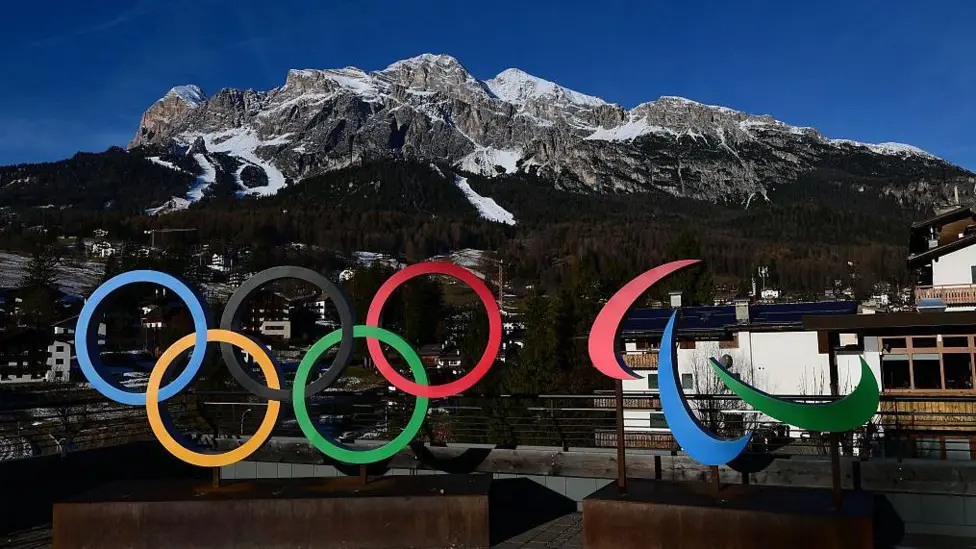
A significant shift in the global sporting landscape is under way as Russia’s long exile from international competition begins to lift, marking what commentators are calling a watershed moment in the relationship between geopolitics and sport. After years of partial bans and restrictions stemming from a combination of state‑sponsored doping scandals and the country’s ongoing invasion of Ukraine, Russian athletes are set to compete under their national flag and anthem at the 2026 Winter Paralympics and in other major events, a move that has drawn both praise and controversy across the global athletic community.

The return of Russian and allied Belarusian competitors to full national representation at the Paralympics in Milan–Cortina signals the first time since before the Ukraine war that their flags will be seen at a global multi‑sport stage. Ten athletes — six Russian and four Belarusian — will take part in the Games under national colours after a ruling by the Court of Arbitration for Sport (CAS) overturned bans imposed by some individual sports federations, effectively ending a period in which Russian sport was isolated from many world‑stage competitions.
The policy shift follows gradual changes in how bodies like the International Paralympic Committee (IPC) and the International Olympic Committee (IOC) have approached participation criteria. While Russia’s athletes competed as neutrals at recent Olympics and Paralympics without national symbols, the IPC’s membership decision and CAS’s legal interventions this year have opened the door for national representation again.
Supporters of the move argue that elite athletes should not be punished indefinitely for political actions taken by their governments and that sport can act as a bridge fostering unity and inclusion. Proponents say that restoring full participation rights for Russian competitors restores competitive integrity and benefits international events by allowing a broader field of talent back into competition.
However, the decision has not been universally welcomed. Ukraine and several European sports officials have condemned the reinstatement, calling it premature while the war continues and asserting that it undermines solidarity with nations affected by Russian aggression. Ukrainian athletes and officials from countries including Poland, Latvia, Estonia and Finland are boycotting parts of the Winter Paralympics in protest, and the European Union’s Commissioner for Sport has voiced disapproval.
Critics, including international athlete‑led groups, argue that allowing Russia and Belarus to compete with full national privileges before a peaceful resolution of the Ukraine conflict sends a problematic signal and could weaken the leverage of sanctions. They contend that sporting sanctions should remain in place until the hostilities end and territorial integrity is restored.
The reinstatement comes at a time when other international sports organisations are reassessing long‑term exclusion policies. Some federations have already eased restrictions — for instance, the International Judo Federation previously allowed Russian athletes to compete with full national symbols — and the IOC has encouraged federations to let Russian youth athletes participate under their flags in appropriate competitions.
For many athletes and sports fans, Russia’s return represents a pivotal change after more than four years of competitive exile. The development reshapes the competitive terrain ahead of future world championships and the 2028 Olympic Games in Los Angeles, where broader reintegration could occur if similar decisions are taken by global governing bodies.

The debate over Russia’s role in international sport underscores the tension between maintaining ethical standards and political pressure versus upholding the traditional ideal that sport provides a neutral arena for global competition. As events unfold and more competitions resume with full Russian involvement, the global sporting community faces a critical test of how to balance competitive inclusiveness with principled stances on international conduct.
Related News:
 Bill Gates Pulls Out of India’s AI Summit Over Epstein Files Controversy
 Billionaire Les Wexner Tells US Lawmakers He Was ‘Naive’ and ‘Conned’ by Epstein
 Inside Kyiv’s resolve as conflict nears five‑year mark
 Iran, the US, and a World Cup That Starts in Three Months
 Nepal Holds First General Election Since Gen Z Protests Toppled Government
 Global Order Is ‘Breaking Down’, Carney Tells Australian Parliament
 US Submarine Sinks Iranian Warship in Indian Ocean, Hegseth Says
 Spain’s Sánchez Hits Back at Trump Threat to Sever Trade, Says ‘No to War’
 Iran Postpones Khamenei Funeral as US‑Israeli Bombardment Continues
 The Devastating Conflict Where Both Sides Have Reasons to Keep Fighting
 Protesters Rally in San Francisco Against OpenAI Deal With Pentagon
 Kinnock’s Rebuke Echoes Loudly as Corbyn Allies Launch Left-Wing Breakaway: “A Gift to Farage”
 Trump Administration Dismisses 17 Immigration Judges, Sparking Debate Over Judicial Independence
 England’s Euro Odyssey: A Tale of Grit, Glory and the Lionesses’ Miraculous March to the Final
 UK Must Act with Courage and Clarity on Israel-Palestine Conflict, Says Foreign Affairs Committee Report
 Tottenham Takes On Newcastle
 Trump Threatens 100% Tariff on Nations Importing Russian Oil Amid India Standoff Over Ukraine War
 Radioactive Leak at UK’s Nuclear Warhead Base Sparks Outcry Over Safety and Secrecy
 Mutual Inconvenience: Why Alaska Was Chosen for the Trump-Putin Summit on Ukraine
 Hong Kong Summons UK and Australian Envoys Following Asylum Grants to Democracy Activists
 Is the UK Ready to Put Boots on the Ground in Ukraine? Assessing Military Capacity and Challenges
 Conservative Influencer Charlie Kirk Fatally Shot During University Debate
 Thousands Gather in London to Protest Donald Trump’s Second UK State Visit
 Channel Crossings Surge: Over 1,000 People Arrive in the UK in Small Boats in a Single Day
 Widow of Charlie Kirk Forgives Killer at Emotional Memorial Service
 Yvette Cooper Signals Global Momentum Towards Gaza Peace Deal Amid Humanitarian Crisis
 A Third of EU Citizens in UK Report Discrimination by Public Bodies Post-Brexit
 Chaos at Ibrox as Martin’s Rangers Era Comes to an End
 Arsenal Showcase Depth and Flexibility as Arteta Eyes Title Challenge
 Public Trust in SNP Hits Historic Low Amid NHS Concerns
 Johnson Suggests Mandelson Linked to China Spy Controversy
 Rachel Reeves signals welfare reform ahead of key budget
 Ireland Votes as Two Women Compete for Presidency
 Russia’s Latest Push to Win US Favors Shows Deep Desperation
 Experts Warn Russia’s Burevestnik Missile Could Destabilise Arms Control
 BBC to Apologise Over Edited Trump Speech Amid Backlash
 Britain deploys RAF specialists to assist Belgium with drone threats
 Trump Urges Herzog to Grant Netanyahu Full Pardon
 Indian authorities demolish Kashmir home linked to Red Fort blast
 Greene Pushes Epstein Files Amid Trump Fallout
 Trump Deploys DHS to Charlotte in Major Arrest Operation
 December Run-Off in Chile as Election Produces No Winner
 Canada Passes Carney’s First Budget in Tight Parliamentary Vote
 Shadow Fleet at Sea: Europe’s Battle Against Illicit Oil Shipping
 Tiny Curacao Makes History as Smallest Nation to Reach World Cup
 Haiti Qualifies for World Cup Despite Coach Never Visiting Country
 India’s COP30 Delay Raises Global Climate Concerns
 Georgians Defy Government Crackdown After Year of Protests
 Russia losses Ukraine war peace talks intensify amid rising deaths
 Albanese Opens Door to Bondi Royal Commission Amid Rising Pressure
 Trump Escalates Minnesota Immigration Surge Amid Rising Tensions
 Iran Protesters Defy Crackdown as Violent Clashes Intensify
 EU weighs response amid Greenland tariff crisis with Trump
 EU Says US Ties Have Suffered ‘Big Blow’ After Greenland Crisis
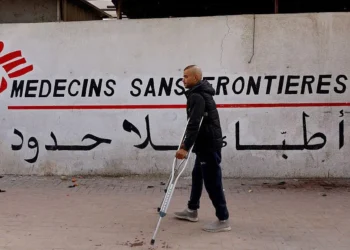 Israel Moves to Bar MSF From Gaza Operations
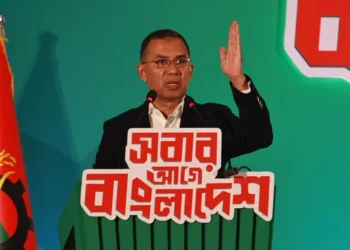 After the Landslide: Can India Reset Ties with BNP Bangladesh?
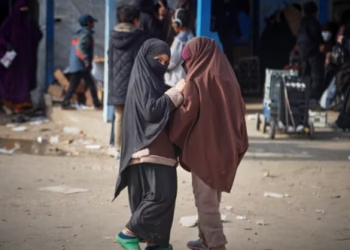 Australian Families Leave Syrian Camp for Home
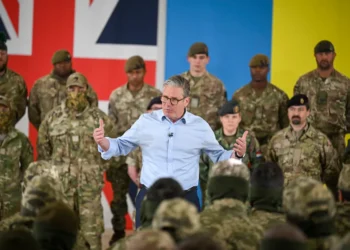 Starmer Weighs Fast-Tracking Defence Boost
 Macron Rebuked in Franco-German Defence Row
 Trump Attacks UK-California Energy Pact
 Nine Arrested in France Over Death of Far‑Right Student
 Trump and Chagos Deal Rift Over Iran Strikes
 Andrew Arrest Sparks Republic Debate in Australia
 Australian PM Says Former Prince Andrew Has Suffered ‘Extraordinary Fall’ but That Won’t Prompt Republic Referendum
 Global corruption crisis: Who Washington shields
 Musk Cuts Starlink Access for Russian Forces – Giving Ukraine an Edge at the Front
 Farage Chagos Islands Row Sparks Fury
 How South Korea’s Democracy Rebounded After Martial Law Attempt
 Ukraine Negotiator Reveals What It Feels Like Facing Russia
 Chad Shuts Border With Sudan in Bid to Stop Conflict Spreading
 French Minister Moves to Block US Envoy Kushner from Government Access
 Hilary Knight speaks out on Trump’s recent hockey remarks
 Trump Speech Sparks Intense Debate Across Divided America
 Has Europe truly learned from the failures of 2022?
 American Citizen Killed in Cuba Boat Shooting, U.S. Officials Say
 Iran’s Regime Still Intact — Coming Days Will Test Its Survival
 Allies of US in the Gulf Bear Brunt of Iran Attacks
 Trump Faces Questions Over Iran Conflict Plan
 Israel Launches Ground Invasion of Lebanon Amid Widening Middle East War
 Herzog Asio meeting sparks security storm