Published: 05 March 2026. The English Chronicle Desk. The English Chronicle Online.
The US drone defence system is under intense scrutiny after stark warnings from senior military leaders in Washington. In a closed-door briefing on Capitol Hill, officials cautioned lawmakers that the United States may not be able to intercept every Iranian drone launched in retaliation for recent strikes. The assessment, delivered behind tightly guarded doors, reflects the scale and complexity of the evolving conflict between United States and Iran.
According to individuals familiar with the discussion, the message was direct and sobering. Military leaders explained that while American forces can neutralise the vast majority of incoming threats, a full barrage could overwhelm parts of the US drone defence network. The concern centres on Iran’s increasing use of low-cost, one-way attack drones, many of which are believed to be variants of the widely deployed Shahed drone.
These drones are designed to fly low and slow, making detection and interception more challenging. Unlike ballistic missiles, which travel at high speeds and predictable trajectories, the Shahed drones can hug terrain and exploit radar blind spots. Officials said this strategy complicates defensive planning and forces the United States to adapt rapidly.
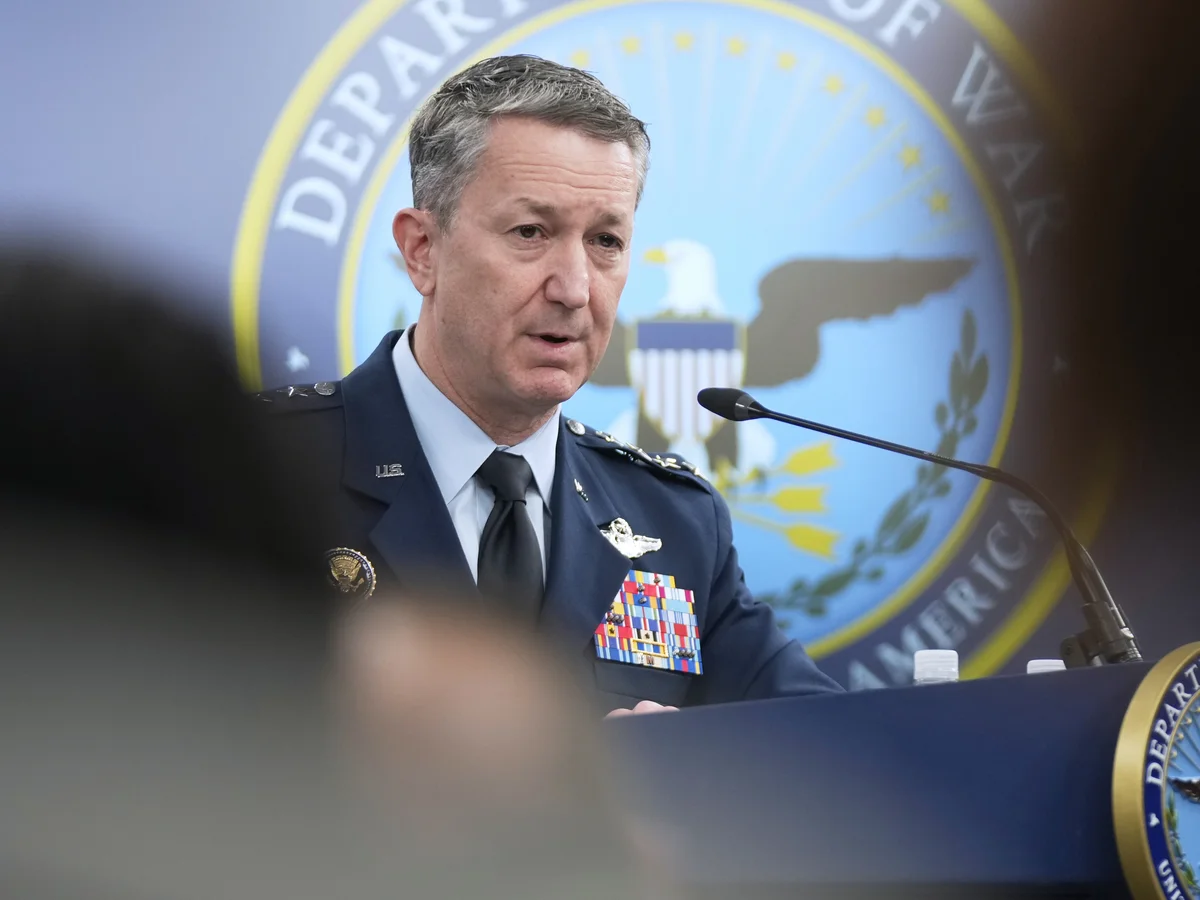
The briefing was reportedly led by General Dan Caine, the chair of the Joint Chiefs of Staff. Lawmakers were told that Iran has deployed thousands of these unmanned systems in recent weeks. Although US forces possess advanced interception capabilities, the sheer volume of launches presents logistical and operational strain.

To counter the threat, the United States has shifted focus toward destroying launch sites swiftly. Military planners believe that targeting drone infrastructure at its source reduces sustained pressure on US drone defence assets. By striking launch platforms and missile facilities early, commanders hope to limit the number of drones entering contested airspace.
A senior administration official suggested that Iran’s approach aims to exhaust high-end American interceptors. Systems such as the Patriot and THAAD batteries are sophisticated and costly to deploy. Tehran may calculate that forcing the United States to expend premium munitions on cheaper drones would impose financial and strategic costs.
However, the official insisted that this tactic has not achieved its intended effect. American forces have used a mix of defensive measures, including alternative interceptors and electronic countermeasures. This layered strategy, the official said, prevents overreliance on any single weapons system within the US drone defence framework.
Despite these reassurances, concerns have surfaced among senior Democrats in Congress. Some lawmakers worry that stockpiles of precision interceptors could diminish if the conflict continues at its current intensity. They argue that sustained high-tempo operations may test industrial capacity and supply chains.
General Caine acknowledged these concerns during public remarks at the Pentagon. He maintained that the United States retains sufficient munitions for both offensive and defensive operations. At the same time, he declined to provide detailed figures, citing operational security.
Financial costs have also drawn attention. In the opening days of the confrontation, US defence spending reportedly reached approximately two billion dollars per day. That figure has since fallen closer to one billion dollars daily, according to preliminary defence department analysis shared with officials. Analysts expect the cost curve to decrease further if the pace of engagements slows.
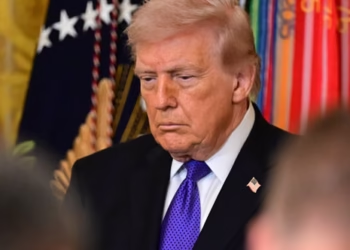
The debate has extended beyond closed briefings into the political arena. Former president Donald Trump addressed the issue on social media, asserting that the United States could sustain its rate of fire indefinitely. He claimed that medium-grade munitions were virtually unlimited, though he conceded that certain top-tier systems were below preferred levels.
At the White House, press secretary Karoline Leavitt echoed confidence in American readiness. She stated that the United States possesses stockpiles in locations not widely known. Her remarks also included sharp criticism of the previous administration’s decisions regarding weapons transfers to Ukraine.
The reference to Ukraine highlights broader geopolitical entanglements. Over the past several years, the United States has supplied significant military aid to Ukraine in response to Russia’s invasion. Critics argue that these transfers may have affected reserve inventories, though defence officials insist that replenishment plans remain on track.
Strategically, the current confrontation underscores how drone warfare is reshaping modern conflict. Relatively inexpensive unmanned systems can impose disproportionate strain on advanced militaries. Even when most drones are intercepted, the requirement to maintain constant vigilance stretches personnel and equipment.
Experts note that US drone defence has evolved significantly over the past decade. Improvements in radar, satellite tracking, and electronic warfare have enhanced detection capabilities. Nevertheless, adversaries continue refining tactics to exploit vulnerabilities.
Iran’s use of massed drone attacks reflects lessons learned from other theatres. In conflicts across the Middle East and Eastern Europe, swarms of inexpensive drones have demonstrated their disruptive potential. By saturating airspace, attackers aim to force defenders into difficult trade-offs between cost and coverage.
For communities near US installations, the warnings carry emotional weight. Families of service members follow developments closely, aware that even small breaches in defences could have serious consequences. Military leaders have sought to reassure the public without minimising the risks.
Within defence circles, attention has turned toward accelerating interceptor production. Expanding manufacturing capacity could ease concerns about prolonged operations. Lawmakers from both parties have signalled willingness to review funding allocations if necessary.
Diplomatically, the situation remains tense. While military exchanges dominate headlines, backchannel communications reportedly continue. Analysts suggest that both Washington and Tehran may seek to avoid uncontrolled escalation.
In London and other European capitals, officials are monitoring events carefully. The United Kingdom, a longstanding US ally, has previously cooperated on air defence initiatives. British defence analysts say the strain on US drone defence illustrates the growing importance of integrated allied systems.
Markets have reacted cautiously rather than dramatically. Energy prices initially spiked amid fears of wider disruption, then stabilised as no major infrastructure damage was reported. Investors appear to believe that the confrontation, while serious, remains contained for now.

The broader question concerns sustainability. Even if stockpiles remain adequate, continuous high-alert operations carry wear and tear implications. Equipment maintenance cycles shorten under combat conditions, requiring additional resources and planning.
Still, officials emphasise that no defence system guarantees perfection. The aim of US drone defence is to reduce risk to the lowest feasible level. Intercepting the vast majority of threats significantly limits potential damage.
Military historians observe that technological contests often drive rapid innovation. Adversaries adapt, and defenders respond in turn. The current drone exchanges may accelerate new research into cost-effective interception methods, including directed energy systems.
For now, the message from Washington blends caution with confidence. Leaders acknowledge the possibility that not every drone can be stopped. Yet they stress that layered defences, rapid strikes on launch sites, and substantial stockpiles provide a strong foundation.
As the conflict evolves, transparency will remain delicate. Officials must balance informing lawmakers and the public with safeguarding operational secrets. In this environment, measured communication becomes as vital as missiles and radar.
The coming weeks may prove decisive in determining whether the tempo of attacks declines or intensifies. What is clear is that US drone defence has entered a new phase of testing. The resilience of that system will shape not only immediate outcomes but also future doctrines of warfare.
Related News:
 Just Stop Oil Protesters Convicted Amid Climate Defence Row
 BBC to Apologise Over Edited Trump Speech Amid Backlash
 Britain deploys RAF specialists to assist Belgium with drone threats
 Palace May Restore Hyphen to Andrew Mountbatten-Windsor’s Name
 US Senate Passes Funding Bill to End Historic Shutdown
 US Justice Department Files Lawsuit Against California Over Partisan Voting Maps
 Greene Pushes Epstein Files Amid Trump Fallout
 Trump Deploys DHS to Charlotte in Major Arrest Operation
 December Run-Off in Chile as Election Produces No Winner
 Zelenskyy Signs Fighter Jet Deal Amid Russian Drone Attacks
 Orban Says Ukraine Has ‘No Chance’ as EU Support Continues
 Canada Passes Carney’s First Budget in Tight Parliamentary Vote
 Israeli Strike Kills 13 Near Palestinian Camp in Lebanon
 Shadow Fleet at Sea: Europe’s Battle Against Illicit Oil Shipping
 Tiny Curacao Makes History as Smallest Nation to Reach World Cup
 Haiti Qualifies for World Cup Despite Coach Never Visiting Country
 Deadly Russian Strikes Hit Western Ukraine, 20 Killed in Ternopil
 Pentagon Officials in Ukraine to Discuss War End
 Ukraine Peace Plan: Zelensky Ready for Dialogue
 Vietnam Battles Deadly Floods as Rains Continue
 Venezuela Threatens Nobel Winner Machado with Fugitive Status
 Royal Navy Shadows Russian Warships Entering the Channel
 US Suspends Afghan Immigration After White House Shooting
 Two National Guard Soldiers Critically Injured Near White House
 Georgians Defy Government Crackdown After Year of Protests
 Southern Lebanon reels as Israeli strikes shatter communities
 Sri Lanka Floods Leave 56 Dead, Dozens Missing
 Tokyo court rules Japan’s same-sex marriage ban constitutional
 ‘Extinct’ Antelope Returns to Sahara, Bringing Hope
 EU plans $105bn Ukraine aid using frozen Russian assets
 American Mother Extradited From UK to U.S. on Murder Charges
 Russia losses Ukraine war peace talks intensify amid rising deaths
 Facebook Slow to Remove Bondi Attack Praise, Anti-Hate Group Claims
 Australian Cruise Ship Freed After Reef Grounding in Papua New Guinea
 US Cities Erupt in Protests Against Trump’s Venezuela Military Action
 Albanese Opens Door to Bondi Royal Commission Amid Rising Pressure
 Trump Escalates Minnesota Immigration Surge Amid Rising Tensions
 Iran Protesters Defy Crackdown as Violent Clashes Intensify
 US Clears Nvidia AI Chip Sales to China in Policy Shift
 Trump Threatens Strong Action If Iran Executes Protesters
 Gulf states warn Trump Iran strikes risk wider Middle East war
 Machado Trump medal gesture reshapes Venezuela power struggle
 EU weighs response amid Greenland tariff crisis with Trump
 Syria President Declares Victory as Ceasefire Reached with SDF
 Sydney Shark Attack Surge Shocks Australia Beaches
 Thousands Flee Cambodia Scam Centres Amid Global Pressure
 EU Says US Ties Have Suffered ‘Big Blow’ After Greenland Crisis
 Andrew Hastie Emerges as Leadership Rival to Ley
 Starmer China visit raises human rights pressure on Beijing
 Videos reveal earlier clash before Alex Pretti shooting
 China Executes 11 Linked to Myanmar Scam Networks
 UK New Car Discounts Near £6,000 as Prices Are Slashed
 Israel Moves to Bar MSF From Gaza Operations
 Tragic Ski Lift Accident Claims Australian Snowboarder
 Thousands Left Without Heating in Ukraine Amid Russia Strikes
 Portugal Election Delivers Socialist Win as Far Right Surges
 Tarique Rahman’s Rise Toward Bangladesh’s Top Job
 Australian Families Leave Syrian Camp for Home
 SA Police Intensify Search in Gus Lamont Case
 Trump Attacks UK-California Energy Pact
 Trump and Chagos Deal Rift Over Iran Strikes
 Andrew Arrest Sparks Republic Debate in Australia
 Global corruption crisis: Who Washington shields
 Farage Chagos Islands Row Sparks Fury
 Gold Rush in Gugulethu Leaves South Africans Desperate for Work and Hope
 Greenpeace $345m Ruling Sparks Appeal Battle
 Hilary Knight speaks out on Trump’s recent hockey remarks
 Trump Speech Sparks Intense Debate Across Divided America
 Has Europe truly learned from the failures of 2022?
 Social Media Trial: Woman Says Addiction Began at Six
 Berlin Bunker Transforms Into Powerful Ukraine Museum
 UK Personnel Near Iranian Missile Strike in Bahrain
 Trump Faces Questions Over Iran Conflict Plan
 Iran Civilian Deaths Surge Past 200 Amid Fear
 US Iran Operation: Sixth Service Member Killed
 Herzog Asio meeting sparks security storm
 Trump rebukes Starmer over Iran strikes
 Middle East attacks intensify as Trump rejects Iran talks
 Iran-Iraq border airstrikes spark new tensions
 Petrol Prices Soar as Retailers Accused of Gouging Amid Global Tension