Published: March 6, 2026 | The English Chronicle Desk | The English Chronicle Online
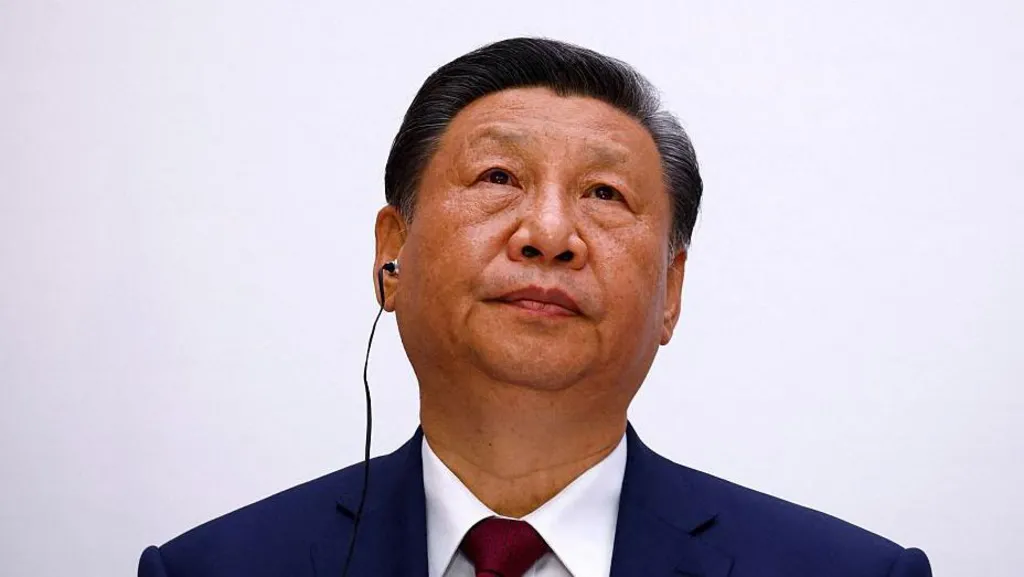
The widening war involving Iran is increasingly unsettling China’s long-term geopolitical ambitions, raising serious questions in Beijing about how the conflict could disrupt its economic strategy, energy security and global influence.

China has carefully cultivated deep economic and political ties with Iran over the past decade, positioning Tehran as a key partner in its broader Middle East strategy. Yet as the war escalates and regional tensions intensify, analysts say Beijing now faces a difficult balancing act between protecting its interests and avoiding direct involvement in a volatile conflict.
At the centre of China’s concern is energy security. The world’s second-largest economy depends heavily on oil imports from the Middle East, and Iran has been one of its most important suppliers. In recent years China has purchased the majority of Iran’s exported oil, often at discounted prices despite international sanctions.
However, the current conflict threatens the stability of those supplies. The Strait of Hormuz—one of the most critical shipping routes for global energy—has been disrupted by the war, raising fears that a prolonged conflict could choke off a vital flow of oil to Asian markets.
For Beijing, such a disruption would present a serious strategic challenge. China imports roughly 11 million barrels of oil per day, much of it transported through Middle Eastern sea lanes. Any sustained blockage or escalation could significantly strain the country’s energy security and economic stability.
Despite these risks, China has so far taken a cautious diplomatic stance. Officials have condemned military strikes and urged restraint, calling for negotiations rather than further escalation. Yet Beijing has avoided any direct military involvement or strong intervention in the conflict.
Recent reporting indicates that China and Russia have largely limited their responses to diplomatic statements, choosing not to directly support Iran militarily despite longstanding political ties. Analysts say this reflects pragmatic calculations rather than indifference.
For Chinese leaders, the Middle East represents both opportunity and vulnerability. The region plays a critical role in China’s Belt and Road Initiative, a massive infrastructure and trade network designed to strengthen economic connections across Asia, Europe and Africa. Iran occupies a strategic position along these routes, linking Central Asia to the Persian Gulf and beyond.
A stable Iran therefore serves China’s economic vision. But a major war—or the collapse of the Iranian government—could disrupt infrastructure projects, trade corridors and long-term investment plans tied to the initiative.
At the same time, Beijing is reluctant to become entangled in conflicts far from its own borders. China’s foreign policy traditionally prioritises economic development and stability, avoiding direct military involvement in overseas disputes whenever possible.
This cautious approach reflects China’s broader global strategy. Rather than forming traditional military alliances, Beijing has focused on building economic partnerships and diplomatic influence across multiple regions. The goal is to reshape the international system gradually while maintaining favourable conditions for domestic growth.
The Iran war therefore presents a dilemma. On one hand, China does not want to see a key partner weakened or destabilised. On the other, it has little interest in confronting the United States or Israel directly in the Middle East.
Some analysts argue that China may attempt to position itself as a mediator in the crisis. Beijing has previously sought to portray itself as a neutral diplomatic actor capable of facilitating negotiations between rival powers. Such a role could allow China to increase its influence without committing military resources.
Yet the conflict also exposes limits to China’s global leverage. While Beijing maintains strong economic ties with Iran, its willingness to intervene during crises appears constrained by broader strategic priorities.
Another concern for Chinese policymakers is the potential long-term shift in regional alliances. If the Iranian government were to weaken dramatically or collapse, a new leadership aligned with Western powers could emerge. Such a development might significantly reduce China’s economic influence in the country.
Conversely, if Iran survives the conflict but remains isolated internationally, it could become even more dependent on China for trade, investment and political support. That scenario might strengthen Beijing’s leverage over Tehran in the years ahead.
Beyond the immediate war, the crisis highlights a broader question facing China’s global ambitions. Beijing seeks to project influence across multiple regions simultaneously—from the Middle East to Africa and Europe—while avoiding costly military commitments.
The challenge is maintaining that strategy during periods of geopolitical upheaval. Conflicts such as the current war in Iran demonstrate how quickly instability in one region can ripple through global energy markets, trade routes and diplomatic relationships.
Chinese leaders therefore appear to be watching events carefully while maintaining a cautious distance. With strategic oil reserves and alternative suppliers available, Beijing can withstand short-term disruptions while avoiding direct confrontation with Western powers.
For now, China’s response reflects a familiar pattern: public calls for peace, continued economic engagement, and a calculated effort to safeguard long-term interests without becoming entangled in the fighting.

As the conflict unfolds, the real test for Beijing will be whether its strategy of economic influence without military involvement can withstand the pressures of an increasingly unstable world.
Related News:
 Japan Braces as Takaichi Begins New Term with Huge Mandate for Low‑Tax, Ultra‑Conservative Agenda
 Modi’s London Visit Seals Historic UK-India Trade Pact Amid Global Tensions
 Britain’s Brain Drain: Why Young Workers Are Choosing Berlin Over London
 David Lammy Faces Possible Legal Challenge Over Foreign Office Secondment Scheme
 Grant Shapps Cleared to Join Defence Startup Despite Ethical Concerns
 Chancellor Rachel Reeves Pushes for Sweeping Changes to Environmental Protections to Accelerate Development
 Calls Grow to Suspend Boris Johnson’s £115,000 Allowance After Revelations From “Boris Files”
 Starmer Urged to Champion Workers’ Rights Amid Low Public Awareness
 Rachel Reeves Hosts Top UK and US Financial Executives as Trump’s State Visit Begins
 King Charles Earns Over £1 Million from Duchy Land Linked to Scrapped HS2 Project
 Gatwick Secures Approval for £2.2bn Second Runway Expansion
 Senior Tories Condemn Badenoch’s Vow to Repeal Climate Change Act as Catastrophic
 Kemi Badenoch Unveils ‘Golden Rule’ to Halve Spending Cuts for Deficit Reduction at Tory Conference
 Richard Tice’s Business Record Contrasts with His ‘Net Stupid Zero’ Criticism
 UK Labour Market Shows Signs of Stabilising After Job Losses
 Lucy Powell urged ministers to reconsider costly legal case for Labour donor’s firm
 Miliband Promises New Nuclear Stations if SNP Ousted
 Rachel Reeves to lead UK trade push in Saudi Arabia amid rights debate
 Trump’s UK Ambassador Urges North Sea Drilling to Strengthen US Ties
 Rachel Reeves Set to Break Labour Pledge and Raise Income Tax
 MPs Press Rachel Reeves to Hike Gambling Taxes
 Cuts to home insulation funding threaten UK climate goals
 Millionaires group urge Reeves to introduce wealth tax to ‘lift kids out of poverty’
 Canada Passes Carney’s First Budget in Tight Parliamentary Vote
 PM Highlights UK Business at G20 in South Africa
 English Mayors Set to Introduce Tourist Taxes
 India’s Labour Law Overhaul Sparks Fierce Debate
 Carney’s Alberta Pipeline Deal Sparks Immediate Pushback
 Starmer Says Labour’s Economic Plan Needs Years to Deliver
 Austrian Airlines Halts Tehran Flights Amid Political Unrest
 Top Senate Republican Says Federal Probe of Powell Could Challenge Fed Nominees
 Trump Administration Probe of Fed’s Powell Draws Pushback
 Starmer links foreign trips to tackling cost of living crisis
 Government Unveils Northern Powerhouse Rail Plans
 China Dependence Threatens UK Energy Supply Chains and Jobs
 MPs warn AI financial risks threaten UK stability
 MPs warn AI financial risks threaten UK stability
 Trump Fed bid heads to Supreme Court
 Starmer Plans UK-China Visit Amid Business and Diplomatic Goals
 UK Government Borrowing Drops to £11.6bn in December
 ‘Repatriate the Gold’: Germany Debates Bringing Reserves Home
 Labour Must Revive High Streets to Avoid Election Collapse
 UK food industry urges transition if post-Brexit rules reset
 AstraZeneca China Investment Signals Strategic Shift Abroad
 EU Signals Open Mind on UK Customs Union Talks
 Barclays drops Global Counsel after Mandelson link scrutiny
 After the Landslide: Can India Reset Ties with BNP Bangladesh?
 Could Manchester Lead the UK’s Economic Revival?
 China Strikes at Japan’s Core — Will PM Takaichi Back Down?
 Bangladesh’s New Prime Minister to Be Sworn In After Historic Election Win
 Robert Jenrick to Be Unveiled as Reform UK’s Treasury Spokesman, Reports Say
 UK shelves £110m border project amid trade strain
 Reform Plans to Keep UK’s Budget Watchdog in Office
 Tories Call for Rethink of Parliament Revamp Plans
 Jenrick: I’ll Back OBR but There’ll Be No More Cosy Consensus
 Another U-turn Ahead as Labour Reconsiders Youth Minimum Wage
 South Korea’s Ex-President Faces Death Penalty in Insurrection Trial
 Sanders Condemns Billionaire ‘Greed’ in California Tax Debate
 Tim Wilson Backs RBA Dual Mandate Amid Inflation Debate
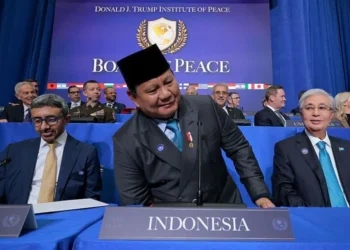 US and Indonesia Finalise Deal to Cut Tariffs to 19%
 UK Sees Record £30.4bn Budget Surplus, Boosting Reeves’ Position
 Fury as Jobless-Migrant Households Receive Benefits Worth £10bn – ‘We Need to End This’
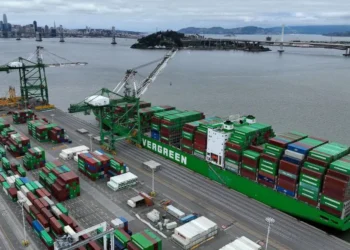 US Trade Deficit Hits Fresh High Despite Trump’s Tariffs
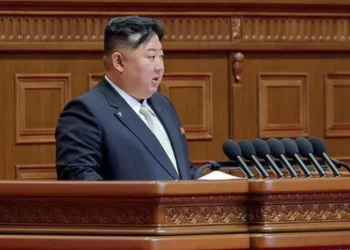 Kim Jong Un Reappointed as Ruling Party Chief
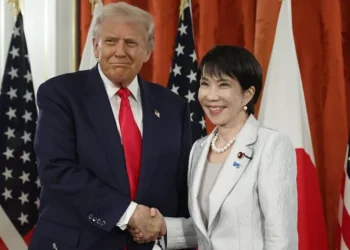 What Now for Asia After Trump’s Tariffs Were Struck Down?
 Ministers Urged to Ban Crypto Political Donations
 Japan to Deploy Missiles on Island Near Taiwan by 2031
 Reeves Must Back Defence Plan or Face Dismissal, Says Unite Chief
 Why Asian Firms Are Not Cheering Trump Tariff Ruling
 Why Asian Firms Are Not Cheering Trump Tariff Ruling
 Nine Killed in Karachi Consulate Protest
 Could Kim’s Teen Daughter Become North Korea’s Next Leader?
 OBR Reform Row Deepens Before Spring Forecast
 Rap Star May Beat Ex‑PM — What This Says About Nepal’s Gen Z
 Labour’s Employment Shake‑Up ‘Makes Britain Worse Than France’
 China Sets Lowest Economic Growth Target Since 1991
 Nepal Holds First General Election Since Gen Z Protests Toppled Government
 Venezuela and US to Work Together on Mining Developments, Rodríguez Says
 Nepal Election 2026: When Will We Get the Results?
 Nissan Sunderland Plant Faces Uncertain Future Under EU Rules