Published: March 6, 2026
The English Chronicle Desk
The English Chronicle Online — delivering comprehensive, up‑to‑date global reporting.
Residents of Tehran have described recent nights of bombardment as the worst since the Middle East conflict expanded, with airstrikes hitting the Iranian capital for a sixth consecutive day amidst warnings from the United States that military operations are poised to intensify.
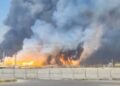
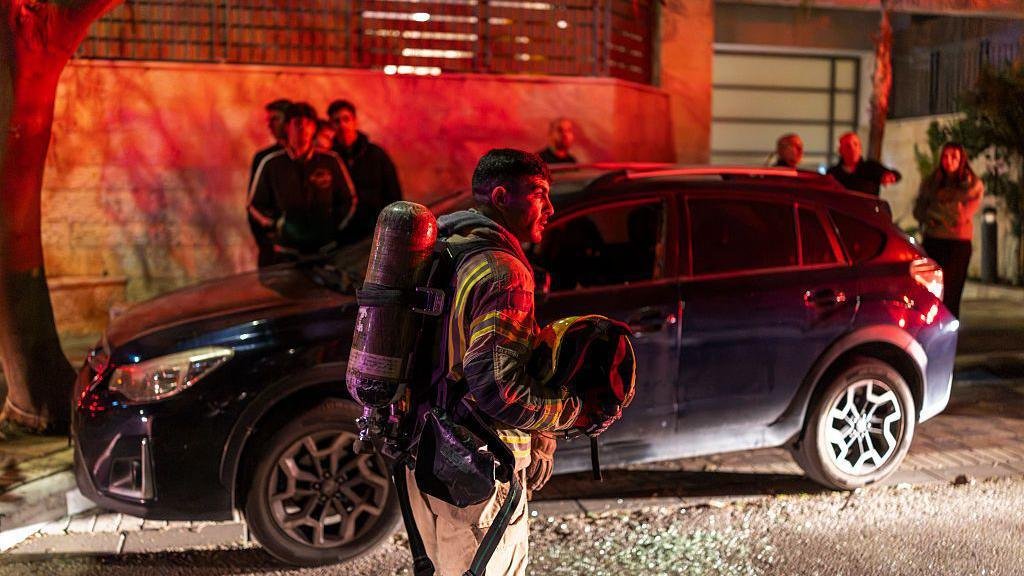
Witnesses report that heavy explosions echoed across the city, sending smoke skyward and shaking buildings late into the evening. Many residents stayed home, fearful of stepping outside as the strikes targeted both military infrastructure and key government sites in Tehran and across the country. Some described the atmosphere as akin to a warzone, with little refuge from the sustained barrage.

Iranian officials say the joint US‑Israeli campaign has struck more than 220 locations in Tehran alone, damaging bridges of civic infrastructure and notable historical sites. Subway stations, proclaimed as shelters by local authorities, were reported to be difficult to access in practice, and many streets remained deserted as civilians huddled indoors.
Tehran residents described a city under duress. Electricity and water shortages compounded fear, with many forced to make difficult choices about seeking supplies or shelter. Internet disruptions have further isolated citizens, curtailing communications with loved ones and hampering real‑time reporting from within the capital. Conditions have strained daily life and heightened anxiety about what further attacks might bring.
International observers note that the latest strikes occur in the context of a deepening regional conflict triggered by broader hostilities between Israel and Iran. The United States, which has conducted its own operations against Iranian military assets, has publicly warned that the bombardment may escalate significantly as part of an expanded campaign. High‑ranking US military officials have indicated that additional offensive operations are likely in the coming days, amplifying concerns among civilians in Tehran and beyond.
The conflict’s toll has been severe. Iranian authorities report thousands of casualties nationwide, with civilian deaths and injuries mounting amid renewed targeting of strategic, military, and some civilian sites. Hospitals and essential infrastructure have suffered damage in multiple localities.
Despite these pressures, there have been no widespread protests in Tehran against the government’s handling of the crisis, as widespread fear and tight security presence keep many residents off the streets. Revolutionary Guard checkpoints and patrols have been prominent across the city, and many families remain indoors, balancing survival needs against the risk of further strikes.

The warnings from Washington and the continued bombardment underline the possibility of a protracted conflict. The situation on the ground in Tehran reflects the growing humanitarian and security challenges facing civilians in one of the world’s largest cities as geopolitical tensions escalate. Officials in the region and international capitals continue to monitor developments closely, even as residents brace for the potential of further military action.
Related News:
 ‘It’s Eerie’ – Dubai on Edge as City Comes Under Attack
 US Civil Rights Leader Jesse Jackson Dies Aged 84
 Police Assessing Stansted Airport Private Flights Over Epstein Ties
 ‘Just Push Us Into the Sea’: The Frustration of an Area Failed by Politics
 Last‑ditch Call to Save Police Front Counters in London
 Britain’s Special Needs Spending Crisis Will Be Labour’s Ruin
 Fury as Jobless-Migrant Households Receive Benefits Worth £10bn – ‘We Need to End This’
 Schools in England to Get Budget for Children with Special Needs as Part of SEND Overhaul
 Ukraine Negotiator Reveals What It Feels Like Facing Russia
 Mandelson Arrested Amid Political Turmoil as Ukraine Marks Four Years of Conflict
 Inside Kyiv’s resolve as conflict nears five‑year mark
 What to Watch for During Trump’s State of the Union Address
 US Partially Evacuates Beirut Embassy Amid Rising Iran Tensions
 ‘Anyone who runs is shot’: Russian soldiers describe killings of troops who refuse orders
 Ukraine remembers its dead as war enters a fifth year
 Israel and Hezbollah Exchange Fire as Conflict Worsens
 Iran’s Regime Still Intact — Coming Days Will Test Its Survival
 Allies of US in the Gulf Bear Brunt of Iran Attacks
 Hopes and Fears as US Iranians Take to Streets After Toppling of Supreme Leader
 Retaliations Continue on Day Two of US-Israel Attacks on Iran
 At Least 153 Dead After Reported Strike on School, Iran Says
 At Least 153 Dead After Reported Strike on School, Iran Says
 BBC Reports from Beit Shemesh After Deadly Iranian Missile Strike
 Iran, the US, and a World Cup That Starts in Three Months
 UK Will Allow US to Use Bases to Strike Iranian Missile Sites, PM Says
 Cooper: Joining US Strikes on Iran ‘Not in Britain’s Interest’
 Trump’s Iran Endgame Unclear After Mixed Messaging on War Aims
 Why Independence Is Still a Political Dividing Line in Scotland
 Rubio Responds to Reported Strike on Iranian School
 Scots Caught Up in Middle East Crisis ‘Just Waiting for the Next Explosion’
 Why the US and Israel attacked Iran
 Israel Launches Fresh Strikes on Tehran & Beirut; US Warns “Hardest Hits” Ahead
 Three Days In, This War’s End Is Still Unclear
 US Has ‘Enough Weapons for Forever War,’ Trump Says
 Israel Strikes Lebanon After Hezbollah Rocket Fire as Iran Conflict Widens
 Israel’s New Airstrikes on Tehran & Beirut After US Embassy in Riyadh Is Hit
 Israel Launches Ground Invasion of Lebanon Amid Widening Middle East War
 Iranian Rockets Are Testing the Resolve of Dubai’s Instagram Stars
 Muslim Group Wants Mosques to Be Used as Polling Stations Ahead of UK Elections
 US Embassy in Riyadh Hit by Iranian Drones as Israeli Troops Enter Southern Lebanon
 US Senate Backs Trump War Powers Amid Iran Missile Barrage
 US Submarine Sinks Iranian Warship in Indian Ocean, Hegseth Says
 Iran Postpones Khamenei Funeral as US‑Israeli Bombardment Continues
 The Devastating Conflict Where Both Sides Have Reasons to Keep Fighting
 ‘Every Day Feels Like a Month’: Iranians Describe Life Under ‘Constant’ US‑Israeli Strikes
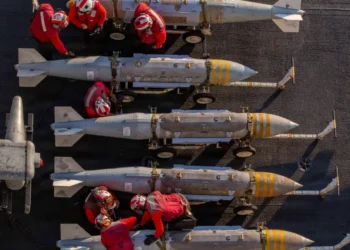 How Depleted Weapons Stockpiles Could Affect the Iran Conflict
 Iran Drones Hit Azerbaijan Airport as War Widens
 Manchester Students Mourn Ayatollah Amid Protest
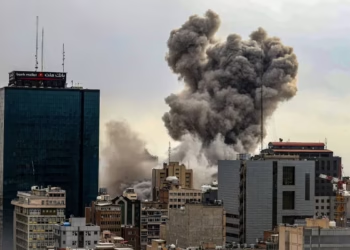 Baba Vanga’s Chilling World War 3 Prediction and Russia’s New Leader
 UK Must Act with Courage and Clarity on Israel-Palestine Conflict, Says Foreign Affairs Committee Report
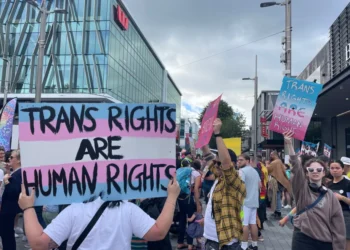 The Fight for Trans Safety Is a Fight for Everyone’s Safety — MPs Must Debate This Crucial Issue
 Nigel Farage Unveils Controversial Immigration and Welfare Plans at Reform UK Press Conference
 Yvette Cooper Signals Global Momentum Towards Gaza Peace Deal Amid Humanitarian Crisis
 UK border officers deployed to Balkans to tackle migrant smuggling
 UK MPs warn of repeat riots over online misinformation
 Russia’s Latest Push to Win US Favors Shows Deep Desperation
 Trump’s UK Ambassador Urges North Sea Drilling to Strengthen US Ties
BBC to Apologise Over Edited Trump Speech Amid Backlash
Trump’s UK Ambassador Urges North Sea Drilling to Strengthen US Ties
BBC to Apologise Over Edited Trump Speech Amid Backlash
 Millionaires group urge Reeves to introduce wealth tax to ‘lift kids out of poverty’
 Reeves rejects £1bn plea for NHS redundancy payouts
 PM Condemns Leaks, Vows Loyalty to Ministers and Stability
 Greene Pushes Epstein Files Amid Trump Fallout
 Shadow Fleet at Sea: Europe’s Battle Against Illicit Oil Shipping
 Starmer Says Labour’s Economic Plan Needs Years to Deliver
 Khaleda Zia Death in Bangladesh: First Female PM Dies at 80
 US Senate rejects resolution limiting Trump military powers
 No Gas Boiler Ban as UK Warm Homes Plan Backs Heat Pumps
 Sussan Ley leadership milestone shakes Liberal future
 Police response times face strict new national limits
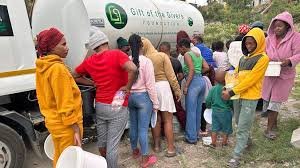 South Africa’s Garden Route Gem Faces Looming Water Crisis
 Australia’s Opposition Coalition Reunites After Rift
 ‘Trump Will Be Gone in Three Years,’ Top Democrats Tell Europe
 Could Manchester Lead the UK’s Economic Revival?
 Australian Families Leave Syrian Camp for Home
 Motorists Could Face ‘Mandatory’ Driving Ban for Road Offences Under Tougher Laws
 Russian Trade Routed Through British Islands Exposed
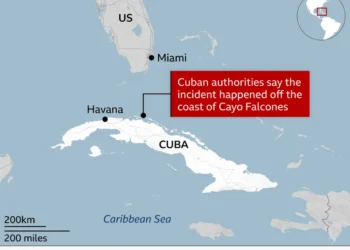 American Citizen Killed in Cuba Boat Shooting, U.S. Officials Say
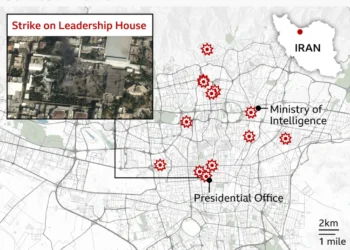 In Maps: Strikes Across Iran and the Middle East
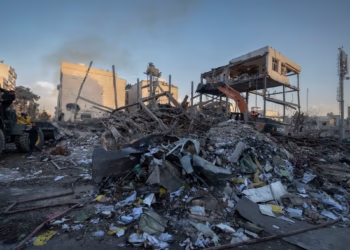 Civilian Deaths in Iran Pass 700 Amid Fear of Bombs and Regime Clampdown
 Calls Grow to Remove Billboard Following Lyra McKee Graffiti