Published: March 7, 2026
The English Chronicle Desk
The English Chronicle Online — delivering comprehensive, up‑to‑date global reporting.
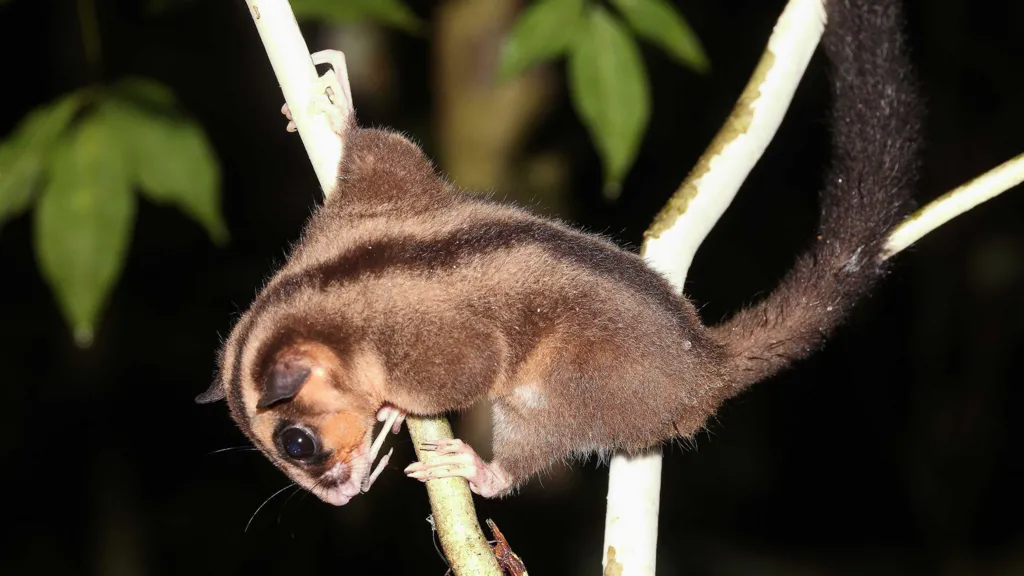
Scientists exploring a remote highland region of West Papua have made an extraordinary discovery: a tiny possum and a glider species long believed to have vanished from the planet at least 6,000 years ago. The find has electrified the conservation community and provided rare hope for biodiversity in one of the world’s most ecologically rich, yet least studied, wildernesses.

The species, a diminutive tree‑dwelling possum and its gliding relative, were identified during a multi‑year expedition by a team of Indonesian and international biologists. Researchers say the animals exhibit physical and genetic traits that link them to fossil records from Australia and New Guinea dating back thousands of years — evidence that these marsupials once inhabited a broader range before their presumed disappearance. Their survival in the dense tropical forests of West Papua suggests that isolated refuges may have sheltered ancient lineages long after they vanished elsewhere.
“These animals were essentially lost to science,” said one of the lead researchers. “Finding them alive and well after millennia is nothing short of a biological miracle.” Observers note that both species are exceptionally small, with the glider possessing a distinctive membrane enabling short, controlled glides between trees — a remarkable adaptation for navigating the towering rainforest canopy.
The discovery was confirmed through careful morphological study, supported by genetic sequencing that established the species’ ancient lineage. Preliminary analysis indicates that the possum and glider belong to distinct evolutionary branches that diverged from other marsupials more than six millennia ago, reinforcing their significance as “living fossils.”
West Papua, part of Indonesia’s Papua province, is known for its astonishing biodiversity and high rate of endemism. Its rugged terrain and limited access have long protected many species from contact with humans, allowing unique ecosystems to persist. However, the region’s flora and fauna have historically been underexplored due to logistical challenges and political sensitivities.
Local communities played a key role in guiding scientists to the discovery sites, sharing traditional ecological knowledge of the forest and its creatures. Indigenous hunters and gatherers had occasionally reported sightings of small, unusual mammals, though these accounts were long regarded as folklore rather than evidence of surviving ancient species.
Conservationists say the find underscores both the importance of protecting West Papua’s forests and the potential for other “lost” species to endure in isolated habitats. The region faces rising threats from logging, mining and infrastructure development, all of which could imperil fragile ecosystems before they are fully understood.
“This discovery is a stark reminder of how much of Earth’s biodiversity remains hidden,” said a representative of a leading conservation organisation. “Protecting these forests isn’t just about preserving scenery — it’s about safeguarding entire evolutionary histories that have survived against the odds.”
The newly identified possum and glider are currently being assessed for conservation status under the International Union for Conservation of Nature (IUCN) Red List. Given their limited range and the pressures on their habitat, scientists expect both species to qualify as critically endangered, necessitating immediate conservation action.
Efforts are already underway to engage with local and national authorities to establish protected areas and fund long‑term ecological monitoring. Indigenous groups have emphasised the cultural significance of the find, noting that respect for ancestral lands and traditional stewardship practices can play a central role in conservation strategies.
The discovery also offers insights into the evolutionary history of marsupials in Australasia. Researchers hope that continued study of the possum and glider will shed light on how ancient species adapted to shifting climates and landscapes over thousands of years — knowledge that may be crucial as contemporary ecosystems face rapid change.

For now, the tiny possum and glider stand as symbols of nature’s resilience, discoveries that defy expectations and challenge assumptions about extinction. Their existence invites renewed scientific inquiry into the remote forests of West Papua and highlights the urgent need to preserve the planet’s remaining wildernesses before they, too, slip beyond reach.
Related News:
 The Sad, Strange Story of the World’s Most Radioactive Paradise
 Fuel and Remittances: How Iran Conflict Hits India At Home
 India and US Collaborate to Launch Groundbreaking Satellite for Earth Observation
 British AI Startup Outshines Human Forecasters in Global Prediction Contest
 UK Fighter Jet Purchase Could Breach Nuclear Treaty, Warns CND
 Google at 27: The Untold Story of Ruth Kedar, the Woman Behind the Iconic Logo
 Russia repeatedly targets UK military satellites, warns Space Command chief
 Cooper Unveils £4m Cyber Plan Against Russian Hackers
 Experts Warn Russia’s Burevestnik Missile Could Destabilise Arms Control
 Britain deploys RAF specialists to assist Belgium with drone threats
 Night after night, Belgium is on high alert.
 Hitler’s DNA Confirms He Truly Had Only One Testicle
 Pokémon to open world’s first theme park in Japan next year
 Poll Reveals China Leads World in Trusting AI Technology
 ‘Extinct’ Antelope Returns to Sahara, Bringing Hope
 UK’s Largest Proposed Datacentre Faces Water Use Concerns
 US Clears Nvidia AI Chip Sales to China in Policy Shift
 BP’s Influence Sparks Controversy in UK STEM Education
 Iran Signals Permanent Break From Global Internet, Activists Warn
 Guterres Warns Global Cooperation Under Threat at UN’s 80th Year
 Robo-Vaccination Could Transform Fight Against Bovine TB
 Half the World’s Largest Cities Face Rising Water Stress
 UK New Car Discounts Near £6,000 as Prices Are Slashed
 Fungi Mining and Giant Waste Piles: How to Get Rare Earths Without Mining Rock
 Musk Wants City on the Moon Within 10 Years
 After the Landslide: Can India Reset Ties with BNP Bangladesh?
 China Strikes at Japan’s Core — Will PM Takaichi Back Down?
 Japan’s Lost “Tigers” Were Actually Lions, Study Reveals
 Long Queues and Confusion Mar First Day of India’s Landmark AI Summit
 Moment Officers Rescue Injured Bald Eagle From Icy Hudson River
 Shutting North Sea ‘Will Drive Up Carbon Emissions’
 Indian University Kicked Out of AI Summit for Claiming Chinese Robot Dog as Its Own Invention
 China Shows Off Nunchuck‑Wielding Humanoid Robots for Lunar New Year
 India Sentences Three Men to Death for Attack on Israeli Tourist and Hosts
 Japan Braces as Takaichi Begins New Term with Huge Mandate for Low‑Tax, Ultra‑Conservative Agenda
 As Trump Retreats from Climate Goals, China Is Becoming a Green Superpower
 South Korea’s Ex-President Faces Death Penalty in Insurrection Trial
 The Chinese AI App Sending Hollywood Into a Panic
 US and Indonesia Finalise Deal to Cut Tariffs to 19%
 Mystery Donor Gives Japanese City $3.6 Million in Gold Bars to Fix Water System
 How Do You Modernise Mango Farming? India’s Growers Urged to Innovate as Climate Change Hits
 Bill Gates Pulls Out of India’s AI Summit Over Epstein Files Controversy
 Zuckerberg Defends Meta in Landmark Social Media Addiction Trial
 Etsy Sells Second‑Hand Fashion App Depop to eBay for $1.2bn
 Musk Cuts Starlink Access for Russian Forces – Giving Ukraine an Edge at the Front
 Kim Jong Un Reappointed as Ruling Party Chief
 Major 7.1 Earthquake Strikes Off Malaysian Tourist Coast
 Brit Killed in Horror Bus Crash as 18 Others Die and 25 Injured
Storm Hernando: Edinburgh Airport Flights Cancelled in US Travel Chaos
Brit Killed in Horror Bus Crash as 18 Others Die and 25 Injured
Storm Hernando: Edinburgh Airport Flights Cancelled in US Travel Chaos
 Japan to Deploy Missiles on Island Near Taiwan by 2031
 German Chancellor Lands in Beijing for Inaugural China Trip
 Ocean Warming Drives Massive Marine Life Loss, Study Warns
 Greenpeace $345m Ruling Sparks Appeal Battle
 Anthropic AI Refuses Pentagon’s Safety Demand
 Social Media Trial: Woman Says Addiction Began at Six
Instagram Investigating AI Profiles ‘Fetishising’ Disabled People
Social Media Trial: Woman Says Addiction Began at Six
Instagram Investigating AI Profiles ‘Fetishising’ Disabled People
 Anthropic Boss Rejects Pentagon Demand to Drop AI Safeguards
 Why Asian Firms Are Not Cheering Trump Tariff Ruling
 Why Asian Firms Are Not Cheering Trump Tariff Ruling
 Pakistan Strikes Afghanistan as PM Says Forces Ready to ‘Crush’ Taliban
 Nine Killed in Karachi Consulate Protest
 Could Kim’s Teen Daughter Become North Korea’s Next Leader?
 Rap Star May Beat Ex‑PM — What This Says About Nepal’s Gen Z
 Why Russia Controls Its People With a Flick of a Switch
 Water Cremation Introduced in UK First
 China Removes Three Retired Generals From National Advisory Body
 The Little Town Making Nearly All of China’s Lanterns
 The US Now Has the Medicine for Cheap Swarming Drone Attacks
 Boy George Says He’s Using ChatGPT to Help Write New Songs
 Nepal Holds First General Election Since Gen Z Protests Toppled Government
 Satellite Images Show Iranian Navy and Nuclear Sites Hit by US‑Israeli Strikes
 Protesters Rally in San Francisco Against OpenAI Deal With Pentagon
 We Have More Privacy Controls Yet Less Privacy Than Ever — The Paradox of Digital Life
 Nepal Election 2026: When Will We Get the Results?
 Regulator Contacts Meta Over Workers Watching Intimate AI Glasses Videos
 Iran Drones Hit Azerbaijan Airport as War Widens
 Study Says Only Two Nations May Survive Nuclear War
 ‘Holiday From Hell’ Leaves UK Couple Stranded in Thailand
 Baba Vanga’s Chilling World War 3 Prediction and Russia’s New Leader
 Sri Lanka Takes Control of Second Iranian Vessel a Day After US Sub Attack