Published: March 6, 2026
The English Chronicle Desk
The English Chronicle Online — delivering comprehensive, up‑to‑date global reporting.
Energy companies in the Channel Islands and beyond say they are closely monitoring fuel price movements as global market volatility, driven by escalating tensions in the Middle East, continues to exert pressure on wholesale costs and consumer prices. An increasing number of suppliers have signalled that any adjustments to fuel charges will be measured and subject to ongoing review rather than rushed into place.

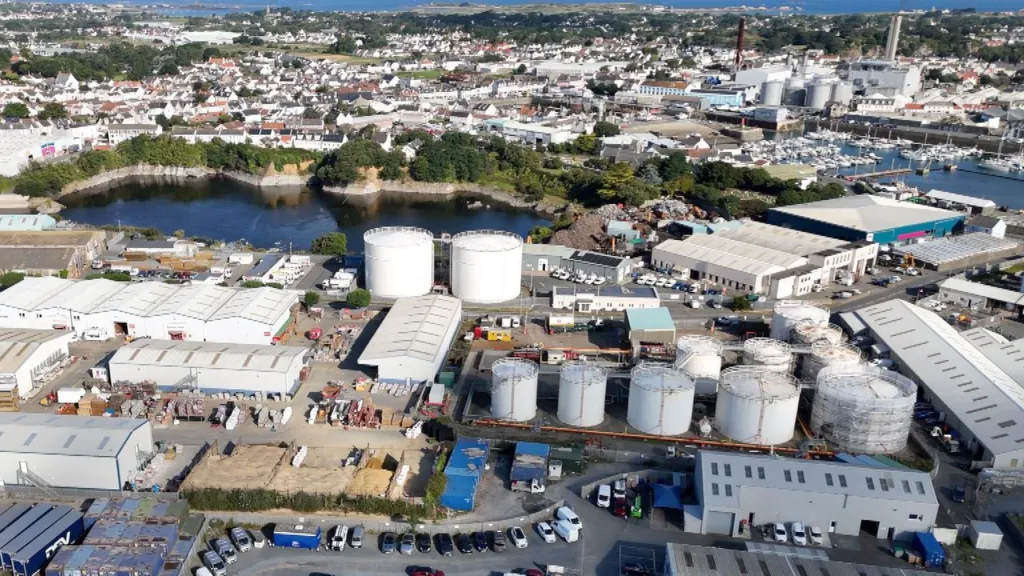
Guernsey’s Islands Energy Group, which supplies gas across the archipelago, said it is keeping the situation under “constant scrutiny” after recent sharp fluctuations in gas and oil benchmarks. A spokesperson noted that prices have been “very volatile and risen significantly” since conflict in the Middle East disrupted key supply routes, including through the Strait of Hormuz, which handles a substantial share of global oil and gas shipments.
The company emphasised that it would only revise its pricing structure reluctantly if sustained increases in wholesale costs make current tariffs untenable. Officials also stressed that deep forward hedging and long‑term purchasing arrangements help insulate local consumers from immediate shocks in some markets. Guernsey Electricity, which imports most of its power via subsea cable, echoed this approach, saying stable procurement strategies have so far mitigated major short‑term price rises.
Amid these developments, regulators and consumer advocates are urging vigilance over fuel retail pricing. In Australia, the Australian Competition and Consumer Commission (ACCC) has confirmed it is actively monitoring local fuel prices and behaviours of petrol retailers in light of global instability. Treasurer Jim Chalmers earlier called on the watchdog to scrutinise price movements and discourage opportunistic hikes that exceed justified increases stemming from higher international costs. ACCC officials have warned that misleading explanations for price changes could breach consumer law.
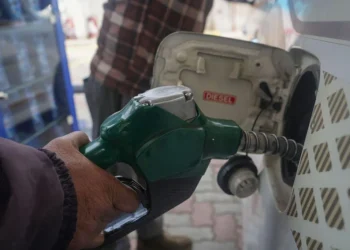
Global market conditions remain unpredictable. The ongoing conflict has already pushed benchmark crude rates higher — in some regions spurting fuel costs by double‑digit percentages — raising concerns among motorists and policymakers alike. In some locales, petrol retailers have defended recent price increases as being aligned with broader industry trends, even as national motorists’ organisations argue that hikes exceed underlying cost pressures.
Governments and industry bodies in various countries have responded differently. Some have ordered inspections of petrol stations to deter price hoarding or unjustified increases, while others are exploring gradual or staggered price adjustment mechanisms to dampen the immediate burden on consumers.

For now, energy firms say they are maintaining a watchful stance. With wholesale fuel prices still subject to geopolitical risk and global supply chain pressures, suppliers and regulators alike are emphasising transparency and measured responses rather than abrupt price hikes, as markets and policymakers attempt to balance commercial realities with consumer protection.
Related News:
 Modi’s London Visit Seals Historic UK-India Trade Pact Amid Global Tensions
 Britain’s Brain Drain: Why Young Workers Are Choosing Berlin Over London
 David Lammy Faces Possible Legal Challenge Over Foreign Office Secondment Scheme
 Grant Shapps Cleared to Join Defence Startup Despite Ethical Concerns
 Chancellor Rachel Reeves Pushes for Sweeping Changes to Environmental Protections to Accelerate Development
 Calls Grow to Suspend Boris Johnson’s £115,000 Allowance After Revelations From “Boris Files”
 Starmer Urged to Champion Workers’ Rights Amid Low Public Awareness
 Rachel Reeves Hosts Top UK and US Financial Executives as Trump’s State Visit Begins
 Farage’s Reform UK Receives £100,000 from Design Firm with Past Tax Issues
 King Charles Earns Over £1 Million from Duchy Land Linked to Scrapped HS2 Project
 Gatwick Secures Approval for £2.2bn Second Runway Expansion
 Senior Tories Condemn Badenoch’s Vow to Repeal Climate Change Act as Catastrophic
 Kemi Badenoch Unveils ‘Golden Rule’ to Halve Spending Cuts for Deficit Reduction at Tory Conference
 Richard Tice’s Business Record Contrasts with His ‘Net Stupid Zero’ Criticism
 UK Labour Market Shows Signs of Stabilising After Job Losses
 Lucy Powell urged ministers to reconsider costly legal case for Labour donor’s firm
 Miliband Promises New Nuclear Stations if SNP Ousted
 Rachel Reeves to lead UK trade push in Saudi Arabia amid rights debate
 Trump’s UK Ambassador Urges North Sea Drilling to Strengthen US Ties
 Rachel Reeves Set to Break Labour Pledge and Raise Income Tax
 MPs Press Rachel Reeves to Hike Gambling Taxes
 Cuts to home insulation funding threaten UK climate goals
 Millionaires group urge Reeves to introduce wealth tax to ‘lift kids out of poverty’
 Canada Passes Carney’s First Budget in Tight Parliamentary Vote
 PM Highlights UK Business at G20 in South Africa
 English Mayors Set to Introduce Tourist Taxes
 India’s Labour Law Overhaul Sparks Fierce Debate
 Carney’s Alberta Pipeline Deal Sparks Immediate Pushback
 “Enough is Enough”: Local MP Vows to Fight Rainham Quarry Plans
 Starmer Says Labour’s Economic Plan Needs Years to Deliver
 Austrian Airlines Halts Tehran Flights Amid Political Unrest
 Top Senate Republican Says Federal Probe of Powell Could Challenge Fed Nominees
 Trump Administration Probe of Fed’s Powell Draws Pushback
 Starmer links foreign trips to tackling cost of living crisis
 Government Unveils Northern Powerhouse Rail Plans
 China Dependence Threatens UK Energy Supply Chains and Jobs
 BP’s Influence Sparks Controversy in UK STEM Education
 Guterres Warns Global Cooperation Under Threat at UN’s 80th Year
 MPs warn AI financial risks threaten UK stability
 MPs warn AI financial risks threaten UK stability
 No Gas Boiler Ban as UK Warm Homes Plan Backs Heat Pumps
 Trump Fed bid heads to Supreme Court
 Starmer Plans UK-China Visit Amid Business and Diplomatic Goals
 UK Government Borrowing Drops to £11.6bn in December
 ‘Repatriate the Gold’: Germany Debates Bringing Reserves Home
 Labour Must Revive High Streets to Avoid Election Collapse
 UK food industry urges transition if post-Brexit rules reset
 AstraZeneca China Investment Signals Strategic Shift Abroad
 Reform UK Taps Boris Ally to Shape Party Nature Agenda
 EU Signals Open Mind on UK Customs Union Talks
 Barclays drops Global Counsel after Mandelson link scrutiny
 Norway’s Petrol Car Sales Hit Record Low Amid EV Surge
 Could Manchester Lead the UK’s Economic Revival?
 Santos Wins Landmark Greenwashing Case in Court
 Robert Jenrick to Be Unveiled as Reform UK’s Treasury Spokesman, Reports Say
 UK shelves £110m border project amid trade strain
 Reform Plans to Keep UK’s Budget Watchdog in Office
 Tories Call for Rethink of Parliament Revamp Plans
 Jenrick: I’ll Back OBR but There’ll Be No More Cosy Consensus
 Another U-turn Ahead as Labour Reconsiders Youth Minimum Wage
 Japan Braces as Takaichi Begins New Term with Huge Mandate for Low‑Tax, Ultra‑Conservative Agenda
 Sanders Condemns Billionaire ‘Greed’ in California Tax Debate
 Tim Wilson Backs RBA Dual Mandate Amid Inflation Debate
 UK Sees Record £30.4bn Budget Surplus, Boosting Reeves’ Position
 Fury as Jobless-Migrant Households Receive Benefits Worth £10bn – ‘We Need to End This’
 US Trade Deficit Hits Fresh High Despite Trump’s Tariffs
 SNP Charging £750 per Ticket for Business Event Featuring ‘Beer and Blether’ with Stephen Flynn
 What Now for Asia After Trump’s Tariffs Were Struck Down?
 Ministers Urged to Ban Crypto Political Donations
 Germany Faces Backlash Over Scrapped Renewable Heating Mandate
 Scotland’s Climate Plans Face Scrutiny Over ‘Science Fiction’ Targets
 Reeves Must Back Defence Plan or Face Dismissal, Says Unite Chief
 Miliband Says Climate Impact of Data Centres Is Uncertain
 OBR Reform Row Deepens Before Spring Forecast
 Labour’s Employment Shake‑Up ‘Makes Britain Worse Than France’
 Venezuela and US to Work Together on Mining Developments, Rodríguez Says
 Nissan Sunderland Plant Faces Uncertain Future Under EU Rules
 Iran War Raises Questions Over China’s Global Plan
 Fuel and Remittances: How Iran Conflict Hits India At Home
 Minister Visits Leonardo After £1bn Deal Secured