
Published: 06 March 2026
The English Chronicle Desk
The English Chronicle Online
Specialist flats designed for blind and visually impaired residents could be sold to a private developer, leaving the future of the pioneering housing scheme uncertain.
The purpose-built accommodation, which features tactile flooring, braille signage and colour-contrasted corridors to help residents with sight loss navigate independently, was constructed less than five years ago as a groundbreaking project for the visually impaired community.

Now, proposals to transfer ownership to a commercial developer have sparked concern among residents and campaigners, who fear the unique accessibility features could be lost or that current tenants could face eviction.
The development, which includes 76 units, was the first of its kind in the UK to receive specialist funding for visually impaired residents . Each flat was designed in consultation with accessibility experts and features braille numbering on mailboxes, contrasting flooring in front of unit doors, and elevators with audible signals .
Common areas throughout the building include handrails on both sides of corridors, textured walls, and thoughtful lighting controls for light-sensitive residents . Talking elevators and tactile controls on appliances were also installed to maximise independence for those with sight loss .
One long-term resident, who has lived in the scheme since it opened, told The English Chronicle: “This isn’t just a flat – it’s my independence. When you can’t see properly, everything has to be in the right place. The design here means I can move around safely without needing help constantly. If a developer takes over, what guarantee do we have that they’ll understand what we need?”
Campaigners have raised concerns that a private developer might not maintain the specialist features or could seek to convert the properties for general use, potentially displacing vulnerable tenants.
The My Safe Home scheme, a Government-backed shared ownership model for people with long-term disabilities, has helped more than 1,500 individuals with disabilities realise the dream of home ownership since its inception in 1997 . However, such specialist housing requires ongoing commitment to accessibility standards that commercial operators may not prioritise.
A local disability rights advocate said: “Specialist housing for blind and visually impaired people isn’t just about having a roof over your head. It’s about having a home designed around your needs. You can’t just transfer that to a developer and assume they’ll maintain those standards. The residents here didn’t choose to live in a standard block of flats – they chose a home built specifically for them.”
The potential sale has drawn comparisons with similar specialist housing developments internationally, where accessibility features are increasingly recognised as essential rather than optional. In Chicago, the first Low-Income Housing Tax Credit building for the blind community opened recently with comparable features, including braille wallpaper and accessible elevators .
In Calgary, the CNIB Foundation is planning a first-of-its-kind community designed from the ground up to be fully inclusive for people who are blind, Deafblind or have low vision, demonstrating the growing recognition of specialist housing needs .
Residents have called for assurances that any transfer of ownership would include legally binding commitments to maintain the specialist nature of the accommodation and protect existing tenancies.

A spokesperson for the current owners said consultations were ongoing and no final decision had been made, adding that the welfare of residents remained a priority.
One resident summed up the anxiety felt by many: “We’re not just talking about bricks and mortar here. We’re talking about people’s lives. For someone with sight loss, your home is your sanctuary. Take that away, and you take away our independence too.”
Related News:
 EXCLUSIVE: Shamed Andrew’s New Humiliation as King Lays Down New Rule After Royal Lodge Boot
 Stop Releasing Phone Thieves Who Reoffend, Met Police Chief Urges Courts
 Motorists Could Face ‘Mandatory’ Driving Ban for Road Offences Under Tougher Laws
 Disability and LGBT Hate Crimes Set to Become Aggravated Offences
 Last‑ditch Call to Save Police Front Counters in London
 ‘We’ve Been Left Homeless After Our Builder Went Bust’
 Sadistic Pair Jailed for Blowing Up Sheep
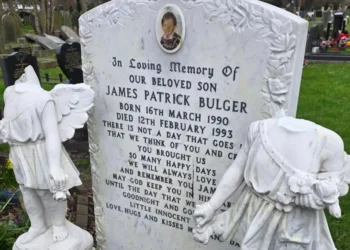 Grave of Murdered Toddler James Bulger Vandalised
 Outsiders Disrupted Search for Missing Teen Noah Donohoe
 Police Brothel Raids Target Organisers, Not Sex Workers
 Family of Girl Groomed by Ian Huntley Beg Medics to Save His Life
 Sarah Everard’s Killer Wayne Couzens ‘Petrified’ After Ian Huntley Prison Attack
 Tasers Introduced in UK Prisons to Combat Rising Violence and Protect Staff
 Supreme Court Ruling on Car Finance Scandal Poised to Impact Millions of Motorists and Banks
 Targeted Attack in Bury Sparks Murder Investigation as Community Awaits Justice
 Man Remanded After Children Fall Ill at Leicestershire Summer Camp in Shocking Child Cruelty Case
 Prison System Faced Collapse Under Sunak’s Leadership, Reveals Damning Review
 AI Revolutionises Grooming Gang Investigations as Police Target Cold Cases Across England and Wales
 Diane lost her husband to a reckless driver — and the long wait for justice was nearly just as agonizing.
 Inquest Finds Agency Worker Failings Led to Unlawful Death of Vulnerable 14-Year-Old
 Merseyside Police Helicopter Crew Cleared After Low-Altitude Pursuit of Suspect
 High Court Rules Against Noel Clarke in Libel Case Against Guardian Publisher
 Tanni Grey-Thompson Faces Abuse Over Opposition to Assisted Dying Bill
 UK Launches Major Crackdown on Networks Profiting from Online Child Sexual Abuse
 Mahmood Pledges Reform of Modern Slavery Laws After Court Blocks Deportation Appeal
 Migrants in UK May Need to Contribute or Face Removal, Home Secretary Signals
 No Evidence Found to Substantiate Alleged Rape in Oxfordshire Churchyard, Police Confirm
 Digital ID Plans Ignite Debate Over £600m Treasury Tax Boost and Privacy Concerns
 Johnson Approved China’s London ‘Super-Embassy’ in 2018
 French Taxi Driver Cleared in David Lammy Theft Case After Fare Dispute
 Just Stop Oil Protesters Convicted Amid Climate Defence Row
 King Charles to Lead Nation in Remembrance Sunday Service
 Pop Stars Call on UK Government to Cap Resale Prices for Fans
 Major Rent Reform Ends No-Fault Evictions in England
 Peers Flood Assisted Dying Bill with 942 Amendments
 Serial Rapist and Former Cop Found Guilty Again
 Peers Get Extra Time to Debate Assisted Dying Bill
 Virgin Media Fined £23.8m Over Telecare Safety Failures
 Google Employee Claims Redundancy After Harassment Report
 Plans to Limit Jury Trials Face Retreat After Mounting Opposition
 Woman Jailed for Life After Killing E-Bike Rider in Tragic Mistaken Identity Case
 Betfair Faces Pressure Over Funds Lost to Gambling Fraud
 Study Finds One in Seven England Takeaways Are Dark Kitchens
 Labour Utterly Humiliated by Straight-Talking Mum Who Cut Through Keir Starmer’s Insanity
 Royal Family LIVE: ‘Pariah’ Andrew Mountbatten-Windsor Sparks Fresh Revolt Among Staff
 Appeal to B&B Owners Over Cash Point Ram-Raid
 Renters Furious as Decent Homes Standard Delayed Until 2035
 The Victorian aristocrat who became Britain’s first Muslim lord
 Wayne Couzens Still Eligible for £7k Pension
 Royal Mail Blames Poor Weather and Sickness for Delayed Deliveries
 Students Begin Covid Compensation Claim Against 36 More Universities
 Snow and Rain Warnings as Cold Snap Continues in the UK
 Flooding May Worsen Before It Improves as More Rain Forecast for the UK
 Teacher Who Lied About Cambridge Degree Banned From Profession
 Deaf Woman Killed After Night Out With Strangers, Court Hears
 Dual Nationals Face Scramble for UK Passports as New Rules Come Into Force
 Civil Service Pay: Union Urges Ministers to End ‘Barking Mad’ Limits
 How Much Could Andrew’s Arrest Hurt the Royal Family?
 Epstein Eyed Record Label Investment to Access Women, Files Suggest
 Fly-Tippers to Be Hunted by ‘Drone Squad’ in Crackdown from the Sky
 Dad Found in Bed with Daughter 16 Years After Abandoning Her as a Child
 Store at Famous Shopping Village to Close After 18 Years Due to Rising Costs
 ‘Don’t Make Us Security Guards,’ Says Teacher Stabbed by Pupil
 Court Error Frees Rape Suspect Who Flees UK
 David Lammy lifts cap on court sitting days in effort to cut backlog of cases
 Will the New SEND Reforms in England Work? You Have Your Say
 Trial Date Set for Student Accused of Racial Hatred
 BBC Edited a Second Racial Slur Out of BAFTA Ceremony
 Rape Accused Had Fight With Man in Alley, Court Told
 Suspects in Lisa Dorrian Case Released on Bail
 ‘I Almost Died After a Touch‑and‑Go C‑Section’
 Murder Charge After Security Guard Stabbed in Violent Attack
 Driver Jailed Over Fatal Water Treatment Tank Crash
 Calls Grow to Remove Billboard Following Lyra McKee Graffiti
 Man on Trial for Rape That Led to Andrew Malkinson’s Wrongful Jailing
 Labour MP’s Partner Arrested on Suspicion of Spying for China
 Police Scotland Pays £8m Compensation to Staff
 Woman, 29, ‘Chucked’ Into Care Home 100 Miles Away
 Woman Smuggled Military-Grade Guns and Heroin
 ‘He Didn’t Stand a Chance’: Man Killed by Tube Was Blocked from Safe Spot, Inquest Hears