
Published: 06 March 2026
The English Chronicle Desk
The English Chronicle Online
Tenants across England are facing an anxious wait as the landmark ban on no-fault evictions draws closer, with some fearing they will lose their homes before the new protections finally take effect .
The Renters’ Rights Act 2025, which received Royal Assent in October, will abolish Section 21 “no-fault” evictions from 1 May 2026 – a change described by the government as the biggest increase to tenants’ rights in a generation . But for those who have already received eviction notices, the legislation cannot come soon enough.

Under the transitional arrangements, landlords who have served a valid Section 21 notice before the commencement date will have until 31 July 2026 to begin possession proceedings . This means thousands of households could still be forced out of their homes even after the ban officially takes effect.
Sarah Mowbray, a mother of two from Enfield, received her Section 21 notice in February. She told The English Chronicle: “The new law is supposed to protect us, but by the time it comes in, we could already be on the street. The council say they can’t do anything until we have a court date. We’re living in limbo.”
The 43-year-old teaching assistant, who has rented her home for six years, said her landlord claimed he needed to sell the property. “I understand he has his reasons, but we’ve made this our home. My children’s school is here, my job is here. Now we’re desperately trying to find somewhere else before the bailiffs come.”
Campaigners warn that the final weeks before the ban takes effect could see a surge in no-fault evictions as landlords rush to beat the deadline. Official figures show possession claims in England have already risen sharply in recent months.
Ben Twomey, Chief Executive of Generation Rent, welcomed the upcoming changes but acknowledged the anxiety felt by tenants facing immediate eviction. “This new law is a vital step towards re-balancing power between renters and landlords and should be celebrated,” he said. “Our homes are the foundation of our lives, but for too long our broken renting system has left renters staring down the barrel of poverty and homelessness. For decades, Section 21 evictions have forced renters to live in fear of being turfed out of our homes” .
Sarah Elliott, Chief Executive of Shelter, urged tenants to understand that their rights will not change until 1 May. “The current system remains in place until the new rights come into force. Until then, we stand ready to support renters and help them understand the vital changes the Act will introduce” .
From 1 May, the tenancy landscape will be transformed. Fixed-term assured shorthold tenancies will be abolished and replaced with periodic assured tenancies that continue indefinitely . Landlords will only be able to evict tenants using Section 8 grounds, which require a valid legal reason such as selling the property, moving in themselves, or serious rent arrears .
New grounds for possession have been introduced, including Ground 1A for landlords wishing to sell and Ground 1C for occupation by a landlord’s close family members . However, these cannot be used within the first 12 months of a tenancy, and landlords must give four months’ notice .
The Act also bans rental bidding wars, limits advance rent to one month, and makes it illegal to discriminate against tenants with children or those receiving benefits . Tenants will gain the right to request a pet, which landlords cannot unreasonably refuse .
Yet for tenants like Mowbray, these protections feel academic. “It’s great for future tenants, but what about us? We’re the ones falling through the cracks while everyone waits for the big day.”
Housing Secretary Steve Reed has called the reforms “historic”, stating: “We’re calling time on no fault evictions and rogue landlords. Everyone should have peace of mind and the security of a roof over their head – the law we’ve just passed delivers that” .
But Matt Downie, Chief Executive of Crisis, acknowledged the scale of the challenge. “Evictions from the private rented sector have long been one of the biggest causes of homelessness and this landmark legislation will play a vital role in helping get the country back on track to ending homelessness” .
For those currently navigating the eviction process, advice agencies urge tenants to seek immediate help. A Section 21 notice must meet strict legal requirements to be valid, including protecting the deposit, providing gas safety certificates, and using the prescribed form . If any of these are missing, the notice may be invalid.

Tenants who receive a Section 21 notice should also check whether their landlord has complied with deposit protection rules and licensing requirements. Local councils have strengthened enforcement powers from May, including fines of up to £7,000 for breaches, rising to £40,000 for repeat offenders .
Mowbray said she is exploring every option. “I’ve been to Citizens Advice, I’ve spoken to Shelter, I’m looking at private renting Facebook groups every night. But everything is so expensive now. We might end up in temporary accommodation. I just never thought this would happen to us.”
With less than two months until the ban takes effect, the race is on for thousands of tenants to secure their futures before the law finally catches up with the realities of the housing crisis.
Related News:
 EXCLUSIVE: Shamed Andrew’s New Humiliation as King Lays Down New Rule After Royal Lodge Boot
 Stop Releasing Phone Thieves Who Reoffend, Met Police Chief Urges Courts
 Motorists Could Face ‘Mandatory’ Driving Ban for Road Offences Under Tougher Laws
 Disability and LGBT Hate Crimes Set to Become Aggravated Offences
 Last‑ditch Call to Save Police Front Counters in London
 ‘We’ve Been Left Homeless After Our Builder Went Bust’
 Sadistic Pair Jailed for Blowing Up Sheep
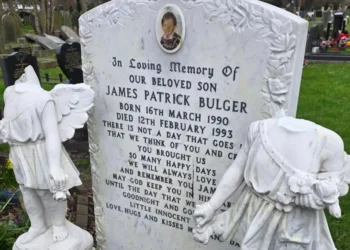 Grave of Murdered Toddler James Bulger Vandalised
 Outsiders Disrupted Search for Missing Teen Noah Donohoe
 Police Brothel Raids Target Organisers, Not Sex Workers
 Family of Girl Groomed by Ian Huntley Beg Medics to Save His Life
 Sarah Everard’s Killer Wayne Couzens ‘Petrified’ After Ian Huntley Prison Attack
 Flats for the blind could be sold to developer
 Tasers Introduced in UK Prisons to Combat Rising Violence and Protect Staff
 Supreme Court Ruling on Car Finance Scandal Poised to Impact Millions of Motorists and Banks
 Targeted Attack in Bury Sparks Murder Investigation as Community Awaits Justice
 Man Remanded After Children Fall Ill at Leicestershire Summer Camp in Shocking Child Cruelty Case
 Prison System Faced Collapse Under Sunak’s Leadership, Reveals Damning Review
 AI Revolutionises Grooming Gang Investigations as Police Target Cold Cases Across England and Wales
 Diane lost her husband to a reckless driver — and the long wait for justice was nearly just as agonizing.
 Inquest Finds Agency Worker Failings Led to Unlawful Death of Vulnerable 14-Year-Old
 Merseyside Police Helicopter Crew Cleared After Low-Altitude Pursuit of Suspect
 High Court Rules Against Noel Clarke in Libel Case Against Guardian Publisher
 Tanni Grey-Thompson Faces Abuse Over Opposition to Assisted Dying Bill
 UK Launches Major Crackdown on Networks Profiting from Online Child Sexual Abuse
 Mahmood Pledges Reform of Modern Slavery Laws After Court Blocks Deportation Appeal
 Migrants in UK May Need to Contribute or Face Removal, Home Secretary Signals
 No Evidence Found to Substantiate Alleged Rape in Oxfordshire Churchyard, Police Confirm
 Digital ID Plans Ignite Debate Over £600m Treasury Tax Boost and Privacy Concerns
 Johnson Approved China’s London ‘Super-Embassy’ in 2018
 French Taxi Driver Cleared in David Lammy Theft Case After Fare Dispute
 Just Stop Oil Protesters Convicted Amid Climate Defence Row
 King Charles to Lead Nation in Remembrance Sunday Service
 Pop Stars Call on UK Government to Cap Resale Prices for Fans
 Major Rent Reform Ends No-Fault Evictions in England
 Peers Flood Assisted Dying Bill with 942 Amendments
 Serial Rapist and Former Cop Found Guilty Again
 Peers Get Extra Time to Debate Assisted Dying Bill
 Virgin Media Fined £23.8m Over Telecare Safety Failures
 Google Employee Claims Redundancy After Harassment Report
 Plans to Limit Jury Trials Face Retreat After Mounting Opposition
 Woman Jailed for Life After Killing E-Bike Rider in Tragic Mistaken Identity Case
 Betfair Faces Pressure Over Funds Lost to Gambling Fraud
 Study Finds One in Seven England Takeaways Are Dark Kitchens
 Labour Utterly Humiliated by Straight-Talking Mum Who Cut Through Keir Starmer’s Insanity
 Royal Family LIVE: ‘Pariah’ Andrew Mountbatten-Windsor Sparks Fresh Revolt Among Staff
 Appeal to B&B Owners Over Cash Point Ram-Raid
 Renters Furious as Decent Homes Standard Delayed Until 2035
 The Victorian aristocrat who became Britain’s first Muslim lord
 Wayne Couzens Still Eligible for £7k Pension
 Royal Mail Blames Poor Weather and Sickness for Delayed Deliveries
 Students Begin Covid Compensation Claim Against 36 More Universities
 Snow and Rain Warnings as Cold Snap Continues in the UK
 Flooding May Worsen Before It Improves as More Rain Forecast for the UK
 Teacher Who Lied About Cambridge Degree Banned From Profession
 Dual Nationals Face Scramble for UK Passports as New Rules Come Into Force
 Civil Service Pay: Union Urges Ministers to End ‘Barking Mad’ Limits
 How Much Could Andrew’s Arrest Hurt the Royal Family?
 Epstein Eyed Record Label Investment to Access Women, Files Suggest
 Fly-Tippers to Be Hunted by ‘Drone Squad’ in Crackdown from the Sky
 Dad Found in Bed with Daughter 16 Years After Abandoning Her as a Child
 Store at Famous Shopping Village to Close After 18 Years Due to Rising Costs
 ‘Don’t Make Us Security Guards,’ Says Teacher Stabbed by Pupil
 Court Error Frees Rape Suspect Who Flees UK
 David Lammy lifts cap on court sitting days in effort to cut backlog of cases
 Will the New SEND Reforms in England Work? You Have Your Say
 Trial Date Set for Student Accused of Racial Hatred
 BBC Edited a Second Racial Slur Out of BAFTA Ceremony
 Rape Accused Had Fight With Man in Alley, Court Told
 Suspects in Lisa Dorrian Case Released on Bail
 ‘I Almost Died After a Touch‑and‑Go C‑Section’
 Murder Charge After Security Guard Stabbed in Violent Attack
 Driver Jailed Over Fatal Water Treatment Tank Crash
 Calls Grow to Remove Billboard Following Lyra McKee Graffiti
 Man on Trial for Rape That Led to Andrew Malkinson’s Wrongful Jailing
 Labour MP’s Partner Arrested on Suspicion of Spying for China
 Police Scotland Pays £8m Compensation to Staff
 Woman, 29, ‘Chucked’ Into Care Home 100 Miles Away
 Woman Smuggled Military-Grade Guns and Heroin
 ‘He Didn’t Stand a Chance’: Man Killed by Tube Was Blocked from Safe Spot, Inquest Hears