Published: 09 March 2026. The English Chronicle Desk. The English Chronicle Online.
Global energy markets were shaken on Monday as the price of crude surged beyond $100, prompting urgent discussions among leading economies. The sharp rise has been driven by escalating conflict in the Middle East, pushing policymakers to consider measures designed to stabilise supply and reassure financial markets.
Officials from the Group of Seven nations are preparing to discuss the possible release of emergency oil reserves during a coordinated call organised by the International Energy Agency. The conversation comes after oil prices climbed rapidly following the United States and Israel’s military campaign against Iran, raising fears of a prolonged disruption to global energy supplies.
Reports suggest the ministers will meet virtually at 8.30am New York time to examine the economic consequences of the war and assess whether a coordinated action could calm volatile markets. The discussions were first reported by the Financial Times, which cited officials familiar with preparations for the emergency call.
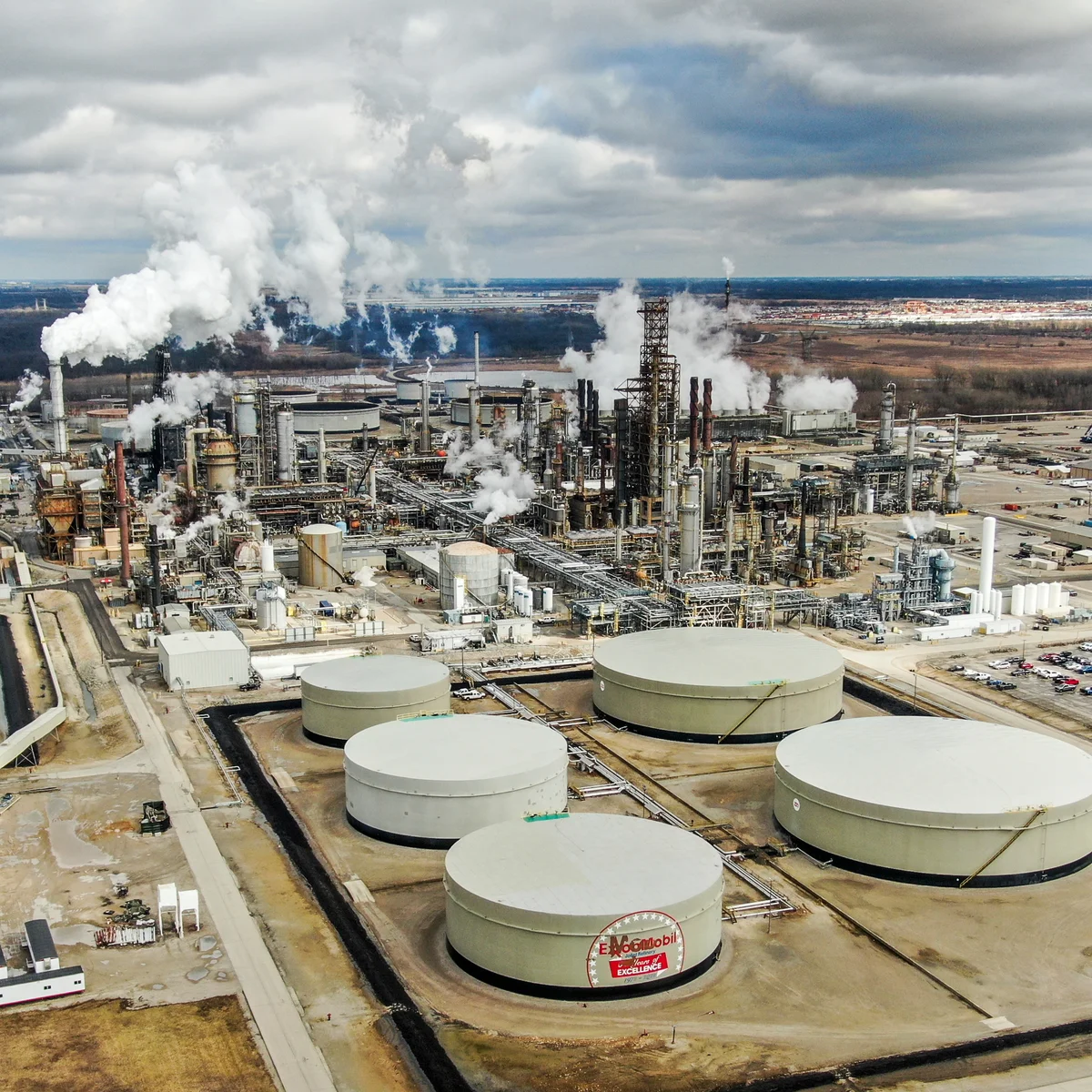
The focus of the meeting will be whether to release part of the strategic oil reserves held by members of the energy agency. These reserves were created specifically to provide emergency support when geopolitical crises threaten normal supply flows.
At least three G7 countries, including the United States, are understood to support the proposal to release emergency oil reserves. Officials believe that a coordinated action could quickly increase available supply and reduce pressure on global prices.

Strategic reserves managed by the International Energy Agency amount to roughly 1.2 billion barrels of petroleum stored across its thirty two member nations. According to sources close to the discussions, American officials have suggested a joint release between 300 million and 400 million barrels.
Such a move would represent approximately one quarter to one third of the total emergency stockpile maintained by participating countries. Energy analysts believe this scale of release could send a strong signal to markets that governments are prepared to act collectively during crises.
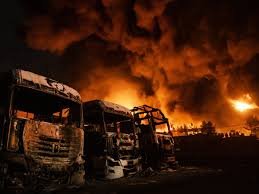
The debate over emergency oil reserves has intensified as investors react nervously to worsening violence in the Middle East. Over the weekend, several energy facilities near Tehran were reportedly struck during military operations linked to the expanding regional conflict.
These attacks heightened fears that production capacity inside Iran could suffer further damage if hostilities continue. Markets responded quickly to the news, with oil prices climbing sharply and global stock markets reacting negatively.
Early Monday trading saw Brent crude, the international oil benchmark, jump dramatically as traders assessed the potential supply disruption. Prices briefly reached $119.50 per barrel, marking the highest level in almost four years.
The surge reflected deep concern among investors that oil shipments could be severely affected if fighting spreads across critical energy infrastructure. While prices eased slightly after reports of the G7 discussions emerged, they remained significantly higher than last week’s levels.
By mid morning trading, Brent crude was priced around $106.73 per barrel, representing a fifteen percent rise in a single session. Financial markets across Asia also experienced declines as uncertainty about energy supply weighed on investor confidence.
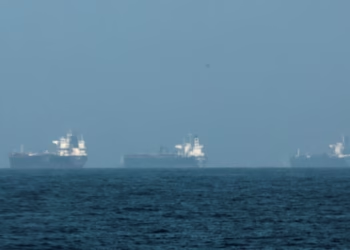
Another factor contributing to the crisis has been the disruption of traffic through the Strait of Hormuz. This narrow maritime passage links the Persian Gulf with the open ocean and is among the world’s most important oil transport routes.
Approximately one fifth of global oil and seaborne natural gas shipments normally pass through the strait each day. However, reports suggest the route has effectively been closed for a week as tensions between regional forces intensify.
Shipping insurers and tanker operators have become increasingly cautious, with several vessels reportedly avoiding the area due to security risks. Analysts warn that a prolonged closure could rapidly tighten global supply and push prices even higher.
The situation has also affected production decisions in neighbouring countries. Kuwait’s national oil company announced a precautionary reduction in output amid fears that retaliatory attacks from Iran could spread across regional energy infrastructure.
These developments have deepened concerns that the crisis may escalate into a broader supply shock. Energy experts say the release of emergency oil reserves could offer temporary relief, though it would not solve the underlying geopolitical tensions.
Strategic petroleum reserves were first created after the global energy crisis triggered by the 1973 Oil Crisis. That crisis exposed the vulnerability of western economies to sudden supply disruptions and encouraged governments to cooperate more closely on energy security.
The reserve system has since been activated several times when markets faced severe instability. The International Energy Agency has coordinated five collective releases since its creation in 1974.
The most recent coordinated releases took place after Russia’s invasion of Ukraine, when energy markets experienced extreme volatility. Those actions were intended to ease supply pressures and limit the economic impact on consumers worldwide.
Today’s discussions among G7 ministers reflect a similar concern that the current conflict could trigger another energy shock. Policymakers are particularly worried about the impact of rising fuel costs on global inflation and economic growth.
In the United States, the surge in oil prices has also entered the political debate. President Donald Trump acknowledged that higher prices could temporarily affect consumers but defended the military campaign’s broader strategic objectives.

Speaking on Sunday, he described the rise in oil prices as a “very small price to pay” for ensuring global security. He also argued that the economic consequences of the conflict would likely be short lived.
Nevertheless, energy analysts remain cautious about predicting how long the price surge might last. Much will depend on whether shipping routes reopen and whether energy infrastructure in the region continues to face attacks.
Iranian officials have issued strong warnings that further military strikes could send prices significantly higher. A spokesperson for the Islamic Revolutionary Guard Corps warned that global markets might eventually face oil prices exceeding $200 per barrel if the conflict continues.
Such statements have added to the sense of urgency surrounding the upcoming G7 meeting. Policymakers recognise that stabilising energy markets quickly could help prevent wider economic disruption.
The possibility of releasing emergency oil reserves therefore represents one of the few immediate tools available to governments. Even the announcement of coordinated action can sometimes calm markets by signalling collective determination among major economies.
However, analysts caution that strategic reserves are designed only for temporary emergencies. They provide breathing space while governments and producers work to restore normal supply conditions.
The coming days will therefore be crucial for global energy markets. Traders, governments, and consumers alike will watch closely as G7 ministers decide whether to deploy emergency oil reserves to stabilise prices.
Their decision could shape not only the immediate outlook for oil markets but also the broader economic consequences of the escalating conflict in the Middle East.
Related News:
 UPS Cargo Plane Crash in Kentucky Kills Seven
 US private equity set to acquire UK online retailer Very Group
 Switzerland Rolls Out Charm Offensive to Cut Trump’s 39% Tariffs
 Canada Passes Carney’s First Budget in Tight Parliamentary Vote
 India’s Labour Law Overhaul Sparks Fierce Debate
 Carney’s Alberta Pipeline Deal Sparks Immediate Pushback
 Austrian Airlines Halts Tehran Flights Amid Political Unrest
 Mark Carney Walks Diplomatic Tightrope on China Visit
 Wall Street shaken by Trump tariff shock as markets tumble
 ‘Black Tax’: Burden, Pride and Survival for African Workers
 UK New Car Discounts Near £6,000 as Prices Are Slashed
 Coles Discounts Under Fire in Federal Court
 Trump Tower Gold Coast to Redefine Skyline
 Rory Amon Trial: Alleged Victim Speaks in Court
 Oil Prices Surge as Iran War Jolts Markets
 Gulf shipping crisis as war risk cover pulled
 Global markets face turmoil as Hormuz crisis deepens
 Gulf shipping crisis sparks food price fears
 Oil Prices Surge Above $100 Amid Iran War
 China’s crackdown on civil servant perks sparks economic concerns
 Shein UK Faces Allegations of Shifting Majority of Profits to Singapore to Reduce UK Tax
 Reeves Faces Setback as Labour May Miss Homes Target
 Virgin Trains Moves Closer to Challenging Eurostar Monopoly
 Trump’s UK Ambassador Urges North Sea Drilling to Strengthen US Ties
 Ryanair Chief UK Economy ‘Doomed’ Under Labour
 M&S Profits More Than Halve After Cyber-Attack
BBC to Apologise Over Edited Trump Speech Amid Backlash
M&S Profits More Than Halve After Cyber-Attack
BBC to Apologise Over Edited Trump Speech Amid Backlash
 Britain deploys RAF specialists to assist Belgium with drone threats
 Palace May Restore Hyphen to Andrew Mountbatten-Windsor’s Name
 Millionaires group urge Reeves to introduce wealth tax to ‘lift kids out of poverty’
 From Lego to Pokémon: How Adults Are Driving UK Toy Market Growth
 Greene Pushes Epstein Files Amid Trump Fallout
 December Run-Off in Chile as Election Produces No Winner
 Zelenskyy Signs Fighter Jet Deal Amid Russian Drone Attacks
 Orban Says Ukraine Has ‘No Chance’ as EU Support Continues
 Shadow Fleet at Sea: Europe’s Battle Against Illicit Oil Shipping
 Tiny Curacao Makes History as Smallest Nation to Reach World Cup
 Deadly Russian Strikes Hit Western Ukraine, 20 Killed in Ternopil
 Ukraine Peace Plan: Zelensky Ready for Dialogue
 Royal Navy Shadows Russian Warships Entering the Channel
 US Suspends Afghan Immigration After White House Shooting
 Two National Guard Soldiers Critically Injured Near White House
 Georgians Defy Government Crackdown After Year of Protests
 Tokyo court rules Japan’s same-sex marriage ban constitutional
 Starmer Says Labour’s Economic Plan Needs Years to Deliver
 Virgin Media Fined £23.8m Over Telecare Safety Failures
 ‘Extinct’ Antelope Returns to Sahara, Bringing Hope
 American Mother Extradited From UK to U.S. on Murder Charges
 Russia losses Ukraine war peace talks intensify amid rising deaths
 Facebook Slow to Remove Bondi Attack Praise, Anti-Hate Group Claims
 FTSE 100 Hits 10,000: UK Market Celebrates Record Year
 Albanese Opens Door to Bondi Royal Commission Amid Rising Pressure
 US Clears Nvidia AI Chip Sales to China in Policy Shift
 Gulf states warn Trump Iran strikes risk wider Middle East war
 EU weighs response amid Greenland tariff crisis with Trump
 Sydney Shark Attack Surge Shocks Australia Beaches
 EU Says US Ties Have Suffered ‘Big Blow’ After Greenland Crisis
 US Dollar Hits Four-Year Low Amid Market Turmoil
 Videos reveal earlier clash before Alex Pretti shooting
 Israel Moves to Bar MSF From Gaza Operations
 Portugal Election Delivers Socialist Win as Far Right Surges
 BT Names New Openreach Chief Amid Major Fibre Expansion
 Australian Families Leave Syrian Camp for Home
 Andrew Arrest Sparks Republic Debate in Australia
 Farage Chagos Islands Row Sparks Fury
 UK Job Vacancies Hit Five-Year Pandemic Low
 UK Youth Unemployment Surges Amid Tax Changes
 Strong Rebound for UK Housing Market Sees 6% More Homes
 Bill Gates ‘Took Responsibility’ Over Epstein Ties in Staff Meeting, Foundation Says
 Hilary Knight speaks out on Trump’s recent hockey remarks
 Has Europe truly learned from the failures of 2022?
 Switching Energy Deal Can Save £200 as Price Cap Falls
 Trump Faces Questions Over Iran Conflict Plan
 Iran Civilian Deaths Surge Past 200 Amid Fear
 Herzog Asio meeting sparks security storm
 Trump rebukes Starmer over Iran strikes
 Iran-Iraq border airstrikes spark new tensions
 Petrol Prices Soar as Retailers Accused of Gouging Amid Global Tension
 Penny Wong silent on Australian crew in sub strike
 Australians on US Submarine in Iranian Warship Strike