Published: 09 March 2026. The English Chronicle Desk. The English Chronicle Online.
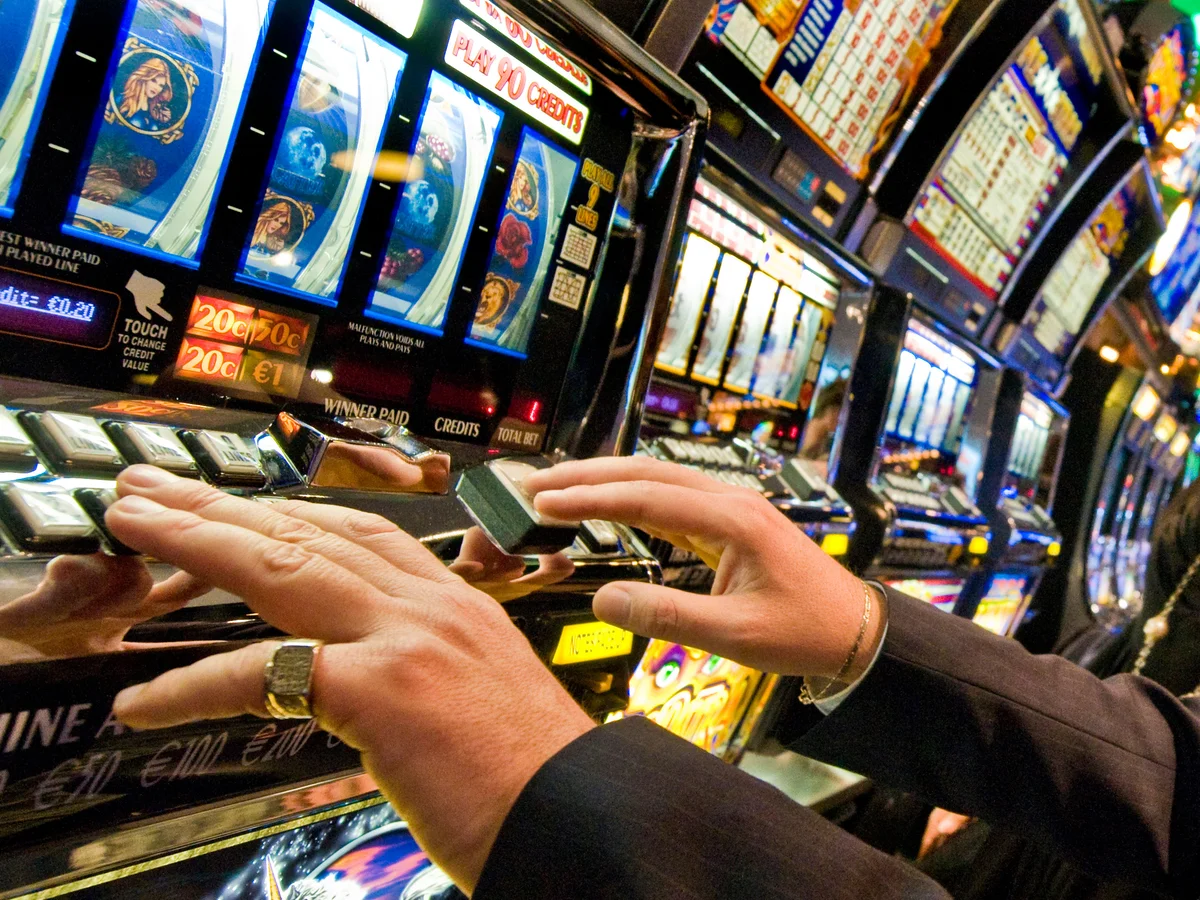
Romania has introduced sweeping reforms targeting gambling venues across the country after years of rising concern. The Romania gambling crackdown gives local authorities unprecedented powers to regulate or even ban betting shops and slot machine halls within their jurisdictions. Officials believe the measures could dramatically reshape the country’s gambling landscape and reduce the social harms linked to addiction.
The government introduced the new rules through an emergency decree designed to strengthen oversight of the booming industry. Under the revised system, gambling operators must now secure both a national licence and a separate authorisation from local authorities before opening venues. This change effectively grants mayors and municipal councils the power to approve or reject gambling businesses in their communities.
Supporters say the Romania gambling crackdown represents the most significant regulatory shift the industry has faced in decades. The reforms aim to restore local control and respond to growing public frustration about the spread of gambling outlets across residential neighbourhoods.
Romania’s gambling sector has expanded rapidly during the past two decades. Thousands of betting shops and slot machine halls now operate across the country, particularly in the capital, Bucharest. Many residents have complained that gambling venues appear frequently near schools, housing estates, and everyday community spaces.
Until now, national regulators granted licences centrally without requiring approval from local governments. That arrangement meant city halls had little influence over whether gambling businesses opened nearby. Critics argued the system ignored local concerns while allowing the number of venues to grow steadily.
Under the new rules, municipal authorities can determine where gambling businesses operate and whether they operate at all. Some councils may choose to limit venues to certain areas, while others could impose stricter rules or full bans.

Lawmakers behind the reform say the Romania gambling crackdown addresses a major gap in earlier legislation. Diana Stoica, a member of parliament from the Save Romania Union party, helped lead the campaign for stronger oversight.
Stoica explained that local leaders can now decide whether gambling businesses are suitable for their communities. She added that authorities may also set conditions regarding location and operating standards.
The reform could affect hundreds of municipalities across Romania. Government officials estimate that more than two hundred localities might pursue full bans once the new powers take effect.
Several cities have already signalled their intentions. Among them is Slatina, a city in southern Romania where the mayor has pledged to eliminate gambling halls as existing licences expire.
Mayor Mario De Mezzo has described the businesses as harmful to community wellbeing. He believes removing them will protect residents from the worst consequences of gambling addiction.
The Romania gambling crackdown arrives as the industry remains financially significant for the national economy. Gambling activities generated nearly one billion euros in tax revenue for the state during 2025.
Despite this income, government audits have uncovered several million euros in unpaid taxes within the sector. These findings intensified criticism from lawmakers who argued the industry required stronger regulation and transparency.
Advocates of the reforms say economic benefits cannot outweigh the social damage linked to addiction. They emphasise that gambling dependency can have devastating consequences for families and communities.
According to Stoica, gambling addiction should be viewed as a serious public health issue rather than simply a personal financial problem. She said studies suggest gambling addiction carries one of the highest suicide risks among addictive behaviours.
The Romania gambling crackdown therefore seeks to reduce easy access to betting venues and limit their presence in sensitive locations. Supporters hope the policy will help prevent addiction before it begins.
Public pressure played a significant role in pushing lawmakers toward reform. Residents and civic organisations repeatedly raised concerns about gambling venues spreading through neighbourhoods and high streets.
Many families affected by addiction contacted politicians directly, sharing personal experiences and urging action. Stoica said those messages helped transform community frustration into political momentum for change.
At a press conference in Bucharest, she highlighted how gambling outlets can cluster within residential areas. She pointed to a nearby apartment block that contained six betting shops operating at ground level.
The building stands close to several schools, illustrating the type of environment critics say encourages harmful behaviour. Stoica argued that such concentration of gambling venues should never become normal in everyday neighbourhoods.
The Romania gambling crackdown aims to ensure communities can prevent similar situations in the future. Local authorities now possess the authority to refuse licences if they believe venues threaten public wellbeing.
Bucharest officials are still evaluating how to apply the new powers in the capital. Mayor Ciprian Cucu has said he plans to consult the city council before deciding whether to impose restrictions or bans.
One proposal under discussion involves limiting gambling venues to designated entertainment districts such as the historic Old Town. Supporters believe this approach could balance economic activity with stronger safeguards for residential areas.
Beyond the emergency decree, lawmakers are considering additional measures to strengthen the regulatory framework further. Several proposals are currently being debated in parliament.
One plan would prevent individuals under the age of twenty-one from entering gambling halls. Another proposal would limit gambling advertisements on television and online platforms during daytime hours.
Lawmakers are also examining the possibility of capping gambling losses to ten percent of a person’s declared income. Advocates argue such limits could reduce financial harm for vulnerable individuals.
Regulators have already taken steps to restrict gambling advertising in other ways. Romania’s media watchdog recently banned celebrities and social media influencers from appearing in gambling promotions.
Supporters say these changes reflect growing awareness of the risks associated with widespread gambling promotion. They believe limiting advertising will reduce pressure on young people and vulnerable audiences.
The Romania gambling crackdown also reflects the experiences of communities dealing directly with addiction. Local leaders say they have witnessed severe financial hardship and emotional distress among residents.
Mayor De Mezzo recalled several cases where gambling losses destroyed family finances. In some households, he said, parents lost entire salaries at slot machines, leaving children without basic necessities.
One particularly tragic incident strengthened his resolve to pursue a citywide ban. A twenty-seven-year-old man from Slatina died by suicide after losing large amounts of money through gambling.

The mayor said that moment convinced him stronger action was necessary. He believes eliminating gambling halls could prevent similar tragedies in the future.
Critics of stricter regulation argue that closing venues could reduce tax revenue for municipalities. However, De Mezzo insists the social benefits outweigh financial considerations.
He explained that protecting even one life would justify delaying other infrastructure projects. For him, safeguarding community wellbeing remains the priority.
As the reforms take effect, observers expect significant changes across the national gambling market. Some operators may relocate to areas with fewer restrictions, while others could face closure if councils reject their licences.
Regardless of how each municipality responds, the Romania gambling crackdown marks a major shift in public policy. It signals a growing determination to balance economic interests with stronger protection for communities.
For many citizens, the new rules represent long-awaited recognition of a problem that has quietly affected thousands of families. Whether the reforms succeed will depend largely on how local leaders choose to use their new authority.
What is clear, however, is that Romania has entered a new era of gambling regulation, one shaped increasingly by community voices and public health concerns.
Related News:
 EU weighs response amid Greenland tariff crisis with Trump
 EU Says US Ties Have Suffered ‘Big Blow’ After Greenland Crisis
 Italy Arrests Protesters Amid Milan Olympic Chaos
 Mandelson Faces EU Inquiry Over Epstein Links
 Green Party Surges Past Labour in Latest UK Poll
 Army Officers Orders to Cut Ties with Men-Only Clubs
 Trump’s UK Ambassador Urges North Sea Drilling to Strengthen US Ties
 French Taxi Driver Cleared in David Lammy Theft Case After Fare Dispute
 Labour immigration crackdown could cost UK £4.4bn
BBC to Apologise Over Edited Trump Speech Amid Backlash
Labour immigration crackdown could cost UK £4.4bn
BBC to Apologise Over Edited Trump Speech Amid Backlash
 Britain deploys RAF specialists to assist Belgium with drone threats
 Millionaires group urge Reeves to introduce wealth tax to ‘lift kids out of poverty’
 Starmer Faces Growing Dissent as Labour MPs Weigh Leadership Challenge
 Reeves rejects £1bn plea for NHS redundancy payouts
 PM Condemns Leaks, Vows Loyalty to Ministers and Stability
 Major Rent Reform Ends No-Fault Evictions in England
 Peers Flood Assisted Dying Bill with 942 Amendments
 Senator John Fetterman Hospitalized After Fall from Heart Flare-Up, Keeps Sense of Humor
 Greene Pushes Epstein Files Amid Trump Fallout
 Trump Deploys DHS to Charlotte in Major Arrest Operation
 December Run-Off in Chile as Election Produces No Winner
 Canada Passes Carney’s First Budget in Tight Parliamentary Vote
 Shadow Fleet at Sea: Europe’s Battle Against Illicit Oil Shipping
 Pentagon Officials in Ukraine to Discuss War End
 Most Tories Expect to Support a Farage-Led Government
 Georgians Defy Government Crackdown After Year of Protests
 US National Guard Member Killed in DC Shooting
 ICC to Rule on Duterte’s Provisional Release
 Starmer Says Labour’s Economic Plan Needs Years to Deliver
 Khaleda Zia Death in Bangladesh: First Female PM Dies at 80
 Russia losses Ukraine war peace talks intensify amid rising deaths
 Albanese Opens Door to Bondi Royal Commission Amid Rising Pressure
 Trump Escalates Minnesota Immigration Surge Amid Rising Tensions
 Iran Protesters Defy Crackdown as Violent Clashes Intensify
 Homeland security agents deployed amid Minneapolis protests
 US Senate rejects resolution limiting Trump military powers
 Right Must Unite After Jenrick Defection, Urges Rees-Mogg
 UK Ministers Drop Foreign Student Targets for Global Education Push
 No Gas Boiler Ban as UK Warm Homes Plan Backs Heat Pumps
 Shinzo Abe’s killer receives life sentence in Japan
 Sussan Ley leadership milestone shakes Liberal future
 Satire Can Skewer Trump, But It Won’t Save Democracy
 Police response times face strict new national limits
 Labour policing overhaul sparks fears over growing central control
 Starmer warns of toxic division politics in Reform challenge
 Keir Starmer Signals UK China Reset With Xi Visit Possibility
 Israel Moves to Bar MSF From Gaza Operations
 Palantir contracts face UK halt calls over transparency
 Australia’s Opposition Coalition Reunites After Rift
 Portugal Election Delivers Socialist Win as Far Right Surges
 Nurses’ families fear breakup under UK immigration crackdown
 Cabinet Secretary Shake-Up Triggers Due Diligence Warning
 Australian Families Leave Syrian Camp for Home
 Trump Attacks UK-California Energy Pact
 Farage to Name Jenrick as Reform Chancellor Pick
 Civil Service Pay: Union Urges Ministers to End ‘Barking Mad’ Limits
 Antonia Romeo appointment sparks criticism
 Andrew Arrest Sparks Republic Debate in Australia
 Global corruption crisis: Who Washington shields
 Farage Chagos Islands Row Sparks Fury
 Reform UK targets workers’ rights repeal
 Russian Trade Routed Through British Islands Exposed
 Boss Lincoln: The Partisan Politics of Abraham Lincoln
 Mandelson Arrest: Met Apologises to Hoyle
 Palestine Action ban appeal moves forward
 Germany Faces Backlash Over Scrapped Renewable Heating Mandate
 Champions League Thrills as Atalanta and Galatasaray Advance
 Trump Speech Sparks Intense Debate Across Divided America
 Has Europe truly learned from the failures of 2022?
 Liberal Review Shelved After Historic Election Loss
 Trump Faces Questions Over Iran Conflict Plan
 Herzog Asio meeting sparks security storm
 Texas Senate seat fight heads to runoff as votes split
 BBC Charter Reform Sparks Independence Battle
 Macron Finds ‘Freedom Fries’ Redemption in Iran Crisis
 Finland Plans to Lift Decades‑Old Ban on Hosting Nuclear Weapons
 Thousands Protest Iran Strikes Outside US Embassy London
 US Bombers Arrive at RAF Base Amid Rising Iran Tensions
 Pete Hegseth Iran War Remarks Spark Alarm
 UK Oil and Gas Supplies Reassured Amid Middle East Concerns