Published: 9 March 2026
The English Chronicle Desk
The English Chronicle Online — UK News
Glasgow city centre was left shrouded in smoke and disbelief on Monday morning after a devastating fire tore through a historic 19th‑century building beside Central Station, prompting mass evacuations, rail disruption, and comparisons to the destruction of the Second World War. Witnesses described the inferno as “like something out of the Blitz,” as flames engulfed the structure, causing part of its iconic dome to collapse and leaving businesses in ruins.

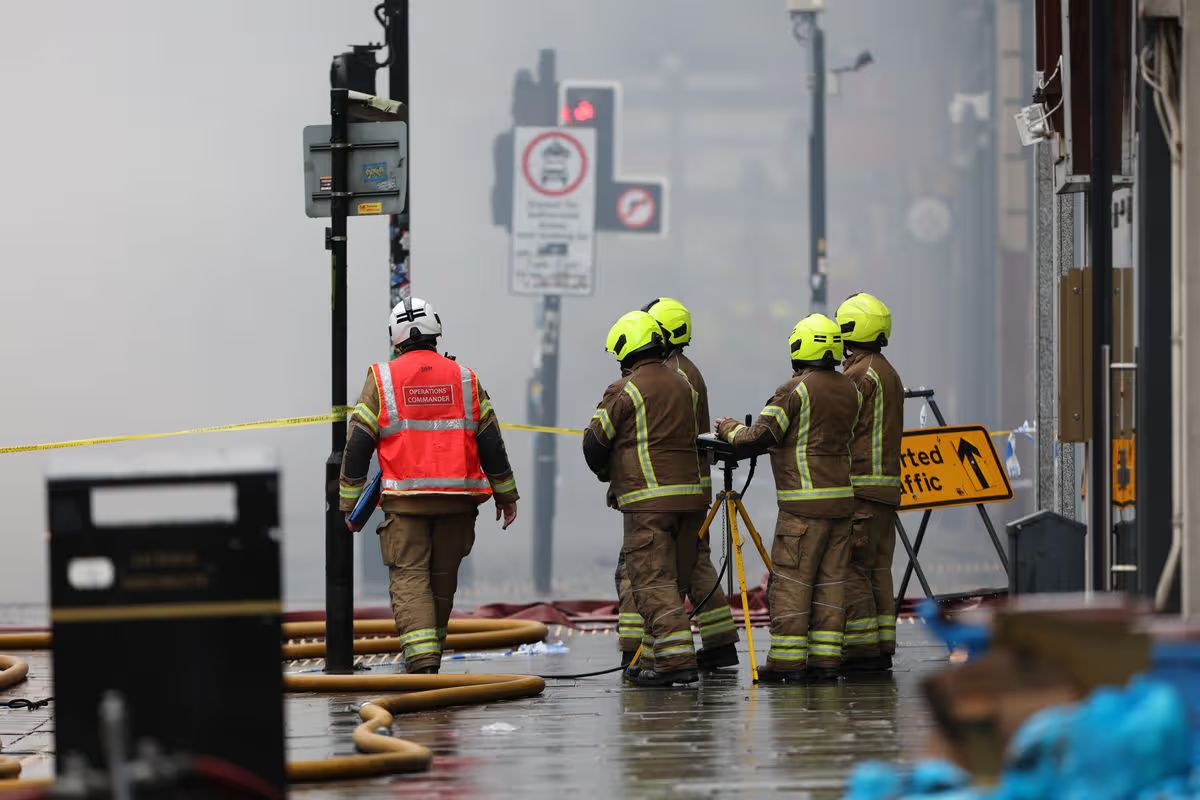
The blaze, which broke out late on Sunday night, quickly spread through the building on Union Street, sending plumes of thick smoke billowing across the city centre. Firefighters battled the flames through the night, using aerial platforms to douse the collapsing structure as crowds gathered at a distance, watching in shock. By dawn, the building was a charred shell, its roof partially caved in and its façade blackened by smoke.
The fire’s proximity to Glasgow Central — Scotland’s busiest railway station — caused immediate and severe travel disruption. All services to and from the station’s high‑level platforms were suspended, with rail operators warning passengers to expect delays and cancellations throughout the day. Roads surrounding the station were sealed off, and nearby hotels were evacuated as a precaution.
For many Glaswegians, the scale of the destruction was difficult to comprehend. The building, which housed several businesses including a vape shop, had stood for more than a century and was considered part of the city’s architectural heritage. Its sudden loss has left residents mourning not only the damage but the symbolic blow to the city’s historic heart. “It looked like a scene from wartime,” one witness told reporters. “The flames were so intense, and the smoke was everywhere. It didn’t feel real.”
Emergency services responded swiftly, with dozens of firefighters deployed to contain the blaze and prevent it from spreading to neighbouring structures. Despite their efforts, the fire caused extensive damage before it was brought under control. As of Monday morning, crews remained on site, continuing to dampen hotspots and assess the stability of the remaining structure. Smoke lingered in the air, drifting across the city centre and prompting warnings for residents to keep windows closed.
Authorities have not yet confirmed the cause of the fire, though early reports suggest it may have originated in the vape shop on the ground floor. Investigators are expected to begin a full examination once the site is deemed safe to enter. Police Scotland has urged the public to avoid the area, citing ongoing safety concerns and the risk of falling debris.
The impact on local businesses has been profound. Several shops and offices housed within the building have been destroyed, leaving owners facing uncertainty about their futures. Many had already been struggling with rising costs and reduced footfall in the wake of the pandemic and economic downturn. The fire has now dealt a devastating blow to their recovery efforts. “Everything is gone,” one business owner said. “We don’t know what happens next.”
The emotional toll on the community has been equally significant. Glasgow has endured several major fires in recent years, including the destruction of the Glasgow School of Art’s Mackintosh Building — twice — and the blaze at Victoria’s nightclub. Each incident has left scars on the city’s cultural and architectural landscape. Sunday night’s fire has reopened those wounds, reminding residents of the fragility of the city’s historic structures.
Local politicians have expressed their shock and pledged support for affected businesses and residents. One MSP described the scene as “devastating” and said the destruction evoked images of wartime Glasgow. “To see such an important part of our city centre reduced to rubble is heartbreaking,” they said. “We must ensure that those affected receive the help they need.”
Rail operators have warned that disruption could continue for several days as engineers assess the impact of the fire on nearby infrastructure. While the station itself was not damaged, smoke and debris have affected access routes and overhead lines. Commuters have been advised to check travel updates regularly and consider alternative routes where possible.
As the city begins to process the scale of the destruction, questions are emerging about the future of the site. Structural engineers will determine whether any part of the building can be salvaged or whether it must be demolished entirely. Heritage groups have already voiced concern about the potential loss of yet another historic landmark, urging authorities to explore all options for preservation.

For now, the focus remains on safety and recovery. Fire crews continue to monitor the site, ensuring that the blaze does not reignite. Police and council officials are coordinating efforts to reopen roads and restore normality to the surrounding area. But for many Glaswegians, the memory of the fire — and the haunting comparisons to the Blitz — will linger long after the smoke has cleared.
The city, known for its resilience, will undoubtedly rebuild. Yet the loss of a cherished piece of its architectural fabric serves as a stark reminder of the vulnerability of historic buildings and the importance of safeguarding them for future generations. As one resident put it, “Glasgow has been through worse, and we’ll get through this too. But it still hurts to see part of our history go up in flames.”
Related News:
 Bodies of Man and Boy Found in Burnt‑Out Car After Horror Crash in the Highlands
 South Lanarkshire Council Helps Mark Care Day 2026
 Karen Gillan Reveals What She Misses Most About Scotland’s Food and People
 SNP Charging £750 per Ticket for Business Event Featuring ‘Beer and Blether’ with Stephen Flynn
 Sir John Curtice: Which Issues Will Decide the Elections
 New Infection Risk Alert at Glasgow’s Flagship Hospital
 Woman dies after horror two-vehicle crash in Scots town
 Fan Chief Condemns ‘Shameful’ Violence After Rangers–Celtic Chaos
 UK Must Act with Courage and Clarity on Israel-Palestine Conflict, Says Foreign Affairs Committee Report
 London Set to Honour Euro 2025 Champions as Lionesses Take Victory Parade Through the Capital
 Targeted Attack in Bury Sparks Murder Investigation as Community Awaits Justice
 Princess of Wales Launches Animated Video Series to Support Early Childhood Development
 Heartbreak in the New Forest as Shetland Ponies Vanish, Community on Edge
 Fire Contained at Edinburgh’s Arthur’s Seat After Overnight Battle by Firefighters
 Premier League Supercomputer Predicts Tough Season for Man Utd Amid Three-Team Title Battle
 UK Weather: Heat Alerts Extended as Temperatures Set to Reach 30°C This Weekend
 Merseyside Police Helicopter Crew Cleared After Low-Altitude Pursuit of Suspect
 Education Leaders Call for End to Compulsory GCSE Resits in English and Maths
 Thousands of New School Nursery Places to Be Rolled Out Across England
 Tanni Grey-Thompson Faces Abuse Over Opposition to Assisted Dying Bill
 Rising Food Bank Dependence Highlights Deepening Hardship Across the UK
 Birmingham Bin Strike Enters Sixth Month as Negotiations Stall
 TfL Invites RMT to Resume Talks as London Tube Strikes End
 Over 40% of Private Renters Forced to Ration Energy to Afford Bills, Study Reveals
 Systemic Racism in Maternity Care Continues to Endanger Black Women in England, MPs Warn
 One in Three GPs in England Do Not Work in NHS, Raising Concerns Over Access to Care
 Northern Ireland Faces Fears of Prolonged Race Riot “Permacrisis”
 Nigel Farage Unveils Controversial Immigration and Welfare Plans at Reform UK Press Conference
 Scottish Teenager’s Petition on Single-Use Plastics Gains Parliamentary Support
 White Low-Income Pupils in England Show Lowest Levels of School Engagement, Study Finds
 No Evidence Found to Substantiate Alleged Rape in Oxfordshire Churchyard, Police Confirm
 UK House Price Growth Slows as Buyers Exercise Caution Ahead of Autumn Budget
 Massive London Poundland Fire Engulfs High Street
 Paedophile Singer Ian Watkins Dies After Prison Attack
 UK border officers deployed to Balkans to tackle migrant smuggling
 UK MPs warn of repeat riots over online misinformation
 Giuffre’s bombshell memoir names Prince Andrew 88 times in shocking revelations
 M&S and Morrisons Lead Christmas Supermarket Taste Test
 Reeves Faces Setback as Labour May Miss Homes Target
 Kate Winslet to Narrate Film Highlighting King’s Environmental Mission
 Trump’s UK Ambassador Urges North Sea Drilling to Strengthen US Ties
 UK Bans Fake Numbers: Scammers Lose Their Trick
 Millionaires group urge Reeves to introduce wealth tax to ‘lift kids out of poverty’
 Reeves rejects £1bn plea for NHS redundancy payouts
 PM Condemns Leaks, Vows Loyalty to Ministers and Stability
 Inside the Helpline Protecting Missing Children in the UK
 PlayStation PS5 Deals Hit Lowest Prices Ahead of Black Friday
 Five-Year-Old Dies After Rare Tonsil Surgery Complication
 Starmer Says Labour’s Economic Plan Needs Years to Deliver
 Historic £100-Weekly Pension Boost Brings Relief for UK Mineworkers
 Children to Receive Home Vaccines as England Acts
 Cambridge College Faces Backlash Over Private School Recruitment
 Bereaved Fathers Gain New Paternity Leave Rights in UK
 Woman Jailed for Life After Killing E-Bike Rider in Tragic Mistaken Identity Case
 No Gas Boiler Ban as UK Warm Homes Plan Backs Heat Pumps
 Police response times face strict new national limits
 Devon hosts first high-density hydro power system
 Draft Severe Weather Plan Following Storm Flooding
 Major UK Clothing Firm Collapses into Administration — 109 Jobs at Risk
 Send spending gap leaves deprived areas behind
 Could Manchester Lead the UK’s Economic Revival?
 Motorists Could Face ‘Mandatory’ Driving Ban for Road Offences Under Tougher Laws
 Lloyds Boss Accepts Concern Over Use of Staff Data in Pay Talks
 With Scottish Freebies Under Threat, University Tuition Is on the ‘Hit List’
 Civil Service Pay: Union Urges Ministers to End ‘Barking Mad’ Limits
 Australian PM Says Former Prince Andrew Has Suffered ‘Extraordinary Fall’ but That Won’t Prompt Republic Referendum
 Farage Chagos Islands Row Sparks Fury
 UK Job Vacancies Hit Five-Year Pandemic Low
 Meet Robert Aramayo: From Humble Beginnings in Hull to Juilliard and BAFTA Glory After Beating Timothée Chalamet
 UK Youth Unemployment Surges Amid Tax Changes
 Half of Britons Avoid GP When Ill, Survey Reveals Growing Concern
 Russian Trade Routed Through British Islands Exposed
 Rape Accused Had Fight With Man in Alley, Court Told
 Mother Says ‘I Hugged My Daughter’s Killer’ as They Cried Together in Prison
 Mayor Spends £20m to Encourage More Bus Trips
 Driver Jailed Over Fatal Water Treatment Tank Crash
 Brit ‘in Good Spirits’ Amid Dubai Missile Attacks, Stranded but Safe
 Calls Grow to Remove Billboard Following Lyra McKee Graffiti
 Thousands Protest Iran Strikes Outside US Embassy London
 UK Oil and Gas Supplies Reassured Amid Middle East Concerns