Published: 10 March 2026 The English Chronicle Desk The English Chronicle Online — World News
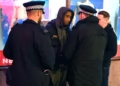
New York City has been shaken by a foiled terror attack outside the mayor’s official residence, Gracie Mansion, after two young men allegedly attempted to detonate homemade bombs during a protest. Authorities say the suspects, 18‑year‑old Emir Balat and 19‑year‑old Ibrahim Kayumi, were inspired by Islamic State propaganda and had hoped to stage an attack “even larger” than the 2013 Boston Marathon bombing.

The incident unfolded on Saturday evening during an anti‑Islam protest organised by far‑right activist Jake Lang, a pardoned January 6 rioter. Counter‑protesters outnumbered the demonstrators, and tensions escalated outside the mayor’s home. Amid the clashes, Balat was seen igniting a device and throwing it toward a barrier. The explosive failed to detonate, extinguishing itself on impact. Moments later, he attempted to light a second device handed to him by Kayumi, but dropped it as police moved in.
Authorities later discovered a third bomb inside the suspects’ car parked nearby. All three devices were confirmed to be improvised explosive devices (IEDs) made with triacetone triperoxide (TATP) — a volatile homemade explosive used in previous terror attacks. The bombs were packed with nuts and bolts to maximise fragmentation, according to police.
New York Police Commissioner Jessica Tisch praised officers who intervened “without hesitation and without regard for their own safety.” She said the suspects admitted to being inspired by IS propaganda videos and had pledged allegiance to the group.
“We were fortunate that the devices used this weekend did not cause the kind of harm they were certainly capable of causing,” Tisch said. “But luck is never a strategy. Devices like these have the potential to cause devastating harm.”
Balat reportedly told officers during transport: “If I didn’t do it, someone else will come and do it.” He later allegedly said he hoped the attack would be “even bigger than the Boston Marathon bombing,” which killed three people and injured hundreds in 2013.
Both men waived their right to remain silent after arrest. Court documents show Balat wrote a note pledging allegiance to IS and calling for the death of “nonbelievers.” Kayumi admitted to watching IS propaganda on his phone and said he was partly inspired by the group to carry out the attack.
On Monday, Balat and Kayumi appeared in federal court wearing prison jumpsuits. A magistrate judge ordered them detained until their next hearing on 8 April. They face charges including attempting to provide material support to IS and using a weapon of mass destruction.
Balat’s lawyer described him as a high school senior with “complicated stuff going on” in his personal life, noting that he had no prior arrests. The BBC reported that both defence teams declined further comment pending trial.
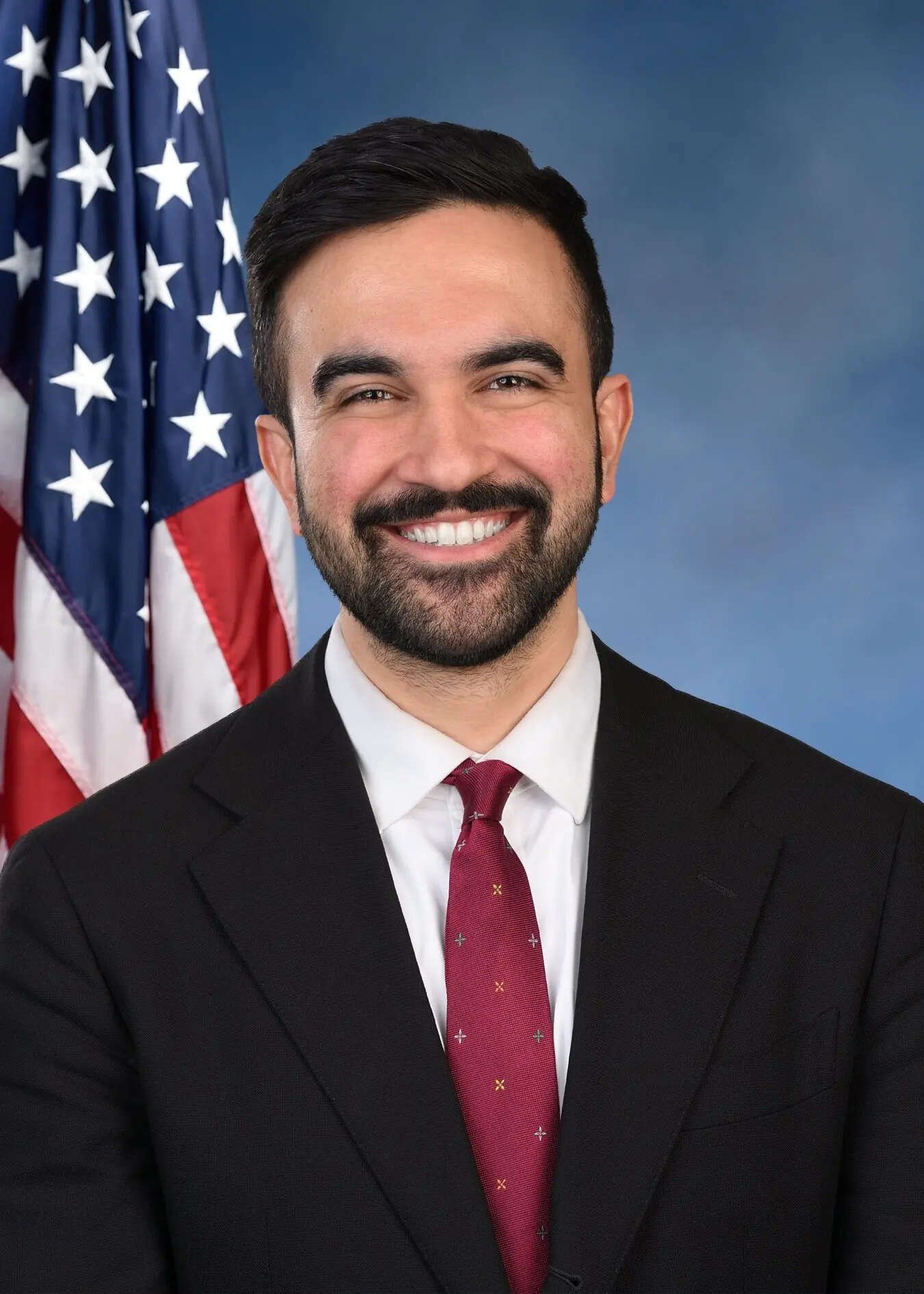
Mayor Zohran Mamdani condemned the attempted attack, saying the suspects “should be held fully accountable for their actions.” He added: “We will continue to keep New Yorkers safe. We will not tolerate terrorism or violence in our city.”
Mamdani, who was at home during the incident, thanked police and federal agents for their swift response. He emphasised that the city remains on high alert due to the ongoing US‑Israel war in Iran, which has heightened fears of extremist violence.
Police also arrested Ian McGuiness, 21, for allegedly using pepper spray on counter‑protesters. He and three others were charged with disorderly conduct and obstruction.
The FBI confirmed that its Joint Terrorism Task Force is conducting interviews, reviewing video evidence, and pursuing leads. Investigators are analysing the explosives and tracing the suspects’ online activity to determine whether others were involved.
Experts say TATP, the explosive found in the devices, is notoriously unstable and has been used in attacks across Europe and the Middle East. Its volatility makes it difficult to handle safely, but also attractive to extremists because it can be made with readily available chemicals.
Commissioner Tisch warned that the bombs could have caused mass casualties had they detonated as intended. “We are talking about devices capable of killing dozens and injuring many more,” she said.
The attempted attack has rattled New Yorkers, particularly given its location outside the mayor’s residence. Residents expressed relief that the devices failed but voiced concern about rising extremism.
One witness told CBS News: “It was terrifying. We saw him light something and throw it, and then suddenly police were everywhere. Thank God it didn’t go off.”
Community leaders have urged calm, stressing that the city’s diverse communities must not be divided by extremist violence.
The arrests come amid heightened tensions worldwide. The US‑Israel war in Iran has fuelled extremist propaganda online, with groups like IS attempting to exploit unrest. Security officials say they are monitoring potential threats closely, particularly in major cities like New York.
The FBI has warned of increased chatter among extremist networks, though there is no evidence that Balat and Kayumi were part of a larger cell. Investigators believe they acted independently but were radicalised online.

The case will now proceed through federal court, with prosecutors expected to present evidence of the suspects’ IS affiliations and their intent to cause mass casualties. If convicted, they face lengthy prison sentences.
For New York, the incident is a stark reminder of the ongoing threat of terrorism, even years after the height of IS activity. Authorities say vigilance remains essential, and that Saturday’s events underscore the importance of rapid police response and community awareness.
Related News:
 Suspect in Rhode Island Ice Hockey Shooting Killed Ex‑Wife and Son
 Desperate Hunt for Breakthrough in Nancy Guthrie Case Turns to Mexico
 Family Offers $1M Reward to Bring Home Missing Mother
 US ‘Suitcase Murderer’ Deported From Bali After 11 Years in Jail
 Tragedy Hits Manhattan as Police Officer Among Four Dead in Midtown Office Shooting
 Northern Ireland Family of Three Shot Dead in Maguiresbridge Home Incident
 A Fugitive’s Double Life Uncovered: My Interview with Nicholas Rossi, Scotland’s Notorious Escapee Facing Utah Rape Trial
 Failed New Mexico Candidate Sentenced to 80 Years for Drive-By Shootings at Lawmakers’ Homes
 Father’s Tip Leads to Arrest in Charlie Kirk Murder Case
 Charlie Kirk Killing Used to Mobilise UK’s Largest Far-Right Rally in Decades
 Jailed Georgian Opposition Leaders Warn UK of Iranian Links to Ruling Party
 UK Gamer Recruited by Wagner Group Found Guilty of Arson
 Pregnant UK Teen to Be Freed from Georgian Jail
 Just Stop Oil Protesters Convicted Amid Climate Defence Row
 British Grandmother to Return Home After Death Sentence in Bali
 Oklahoma Governor Grants Last-Minute Clemency to Death Row Inmate
 Teens ‘Ran Amok’ at Ex-MP’s Covid Testing Firm
 Two National Guard Soldiers Critically Injured Near White House
 US Defence Chief on Drug Boat Strike: “Did Not See Survivors”
 American Mother Extradited From UK to U.S. on Murder Charges
 Migrant father guilty of honour killing in Holland
 The ‘Untouchable Hacker God’ and Finland’s Darkest Digital Crime
 Emails Show Epstein Funded Mandelson’s Husband After Jail
 Thousands Protest ICE Operations in Nationwide US Day of Action
 US Military Says Two Killed in Strike on Alleged Drug Boat in Eastern Pacific
 Suspect Named in Canada School Mass Shooting
 EPSTEIN MYSTERY: Five Unanswered Questions Surround Jeffrey Epstein’s Death
 “It’s Never Too Late”: Savannah Guthrie’s New Plea for Mother’s Release as FBI Analyses Glove
 FBI Won’t Co-operate on Alex Pretti Investigation, State Officials Say
 ‘Staggeringly Stupid’ Man Jailed After Tattooing Children
 Nine Arrested in France Over Death of Far‑Right Student
 Eight Skiers Found Dead After California Avalanche
 How Much Could Andrew’s Arrest Hurt the Royal Family?
 Epstein Eyed Record Label Investment to Access Women, Files Suggest
 Epstein Files Could Be Just Tip of the Iceberg for Andrew Investigation
Man Guilty of XL Bully Offence After Fatal Attack
Epstein Files Could Be Just Tip of the Iceberg for Andrew Investigation
Man Guilty of XL Bully Offence After Fatal Attack
 ‘El Mencho’ Killed in Military Operation, Triggering Violence
 Violence Erupts in Mexico After Drug Lord El Mencho Killed
 Who Was El Mencho, Mexico’s Most Wanted Man?
 Conman Stole My Money and Bought His Wife a 10‑Carat Diamond Ring
 What We Know About the Search for Savannah Guthrie’s Mother Nancy
 Inside Kyiv’s resolve as conflict nears five‑year mark
 US Partially Evacuates Beirut Embassy Amid Rising Iran Tensions
 Mexican drug cartel boss ‘El Mencho’ tracked through romantic partner
 ‘I reported rape in Hong Kong, now I could face prison’
 Nick Reiner pleads not guilty to killing parents Rob and Michele
 Sydney kidnapping mystery deepens as grandfather’s remains found after mistaken abduction
 Owner Sentenced After Emaciated Dog Put Down
 Two Arrested After Woman Set on Fire in Revenge Attack
 Threat of Further Violence Looms After Mexican Cartel Rampage
 Australians Arrested Over Alleged Murder of Grandfather Mistakenly Kidnapped
 American Citizen Killed in Cuba Boat Shooting, U.S. Officials Say
 Hillary Clinton Tells House Panel She Had No Idea of Epstein’s Crimes
 At Least 10 FBI Agents Who Worked on Trump Investigation Fired
 Hillary Clinton Tells House Panel She ‘Had No Idea’ of Epstein’s Crimes
 Search Intensifies for Savannah Guthrie’s Mother
 US Senate Vote Fails to Rein in Trump War Powers on Iran
 Trump Removes Kristi Noem From Homeland Security Role
 Trump ‘sex attack’ claim reported in Epstein files
 Alleged Bondi gunman seeks order to suppress family’s identity
 Istanbul’s ex-mayor to stand trial on corruption charges
 Targeted Attack in Bury Sparks Murder Investigation as Community Awaits Justice
 Merseyside Police Helicopter Crew Cleared After Low-Altitude Pursuit of Suspect
 Channel Crossings Surge: Over 1,000 People Arrive in the UK in Small Boats in a Single Day
 No Evidence Found to Substantiate Alleged Rape in Oxfordshire Churchyard, Police Confirm
 Trump Urges Herzog to Grant Netanyahu Full Pardon
 Indian authorities demolish Kashmir home linked to Red Fort blast
 Greene Pushes Epstein Files Amid Trump Fallout
 Man Denies Stealing Bronze Age Gold from Museum
 Trump Weighs Response to Iran Crackdown as Tehran Says Communication Open With US
 US Clears Nvidia AI Chip Sales to China in Policy Shift
 Woman Jailed for Life After Killing E-Bike Rider in Tragic Mistaken Identity Case
 EU Says US Ties Have Suffered ‘Big Blow’ After Greenland Crisis
 Police Doubt Fugitive Dezi Freeman Survived Bushland
 Fly-Tippers to Be Hunted by ‘Drone Squad’ in Crackdown from the Sky
 Rape Accused Had Fight With Man in Alley, Court Told
 Suspects in Lisa Dorrian Case Released on Bail
 Deadly Texas Bar Shooting ‘Potentially Act of Terrorism,’ FBI Says
 Driver Jailed Over Fatal Water Treatment Tank Crash
 Police Scotland Pays £8m Compensation to Staff