Published: 10 March 2026 The English Chronicle Desk The English Chronicle Online — Scotland News
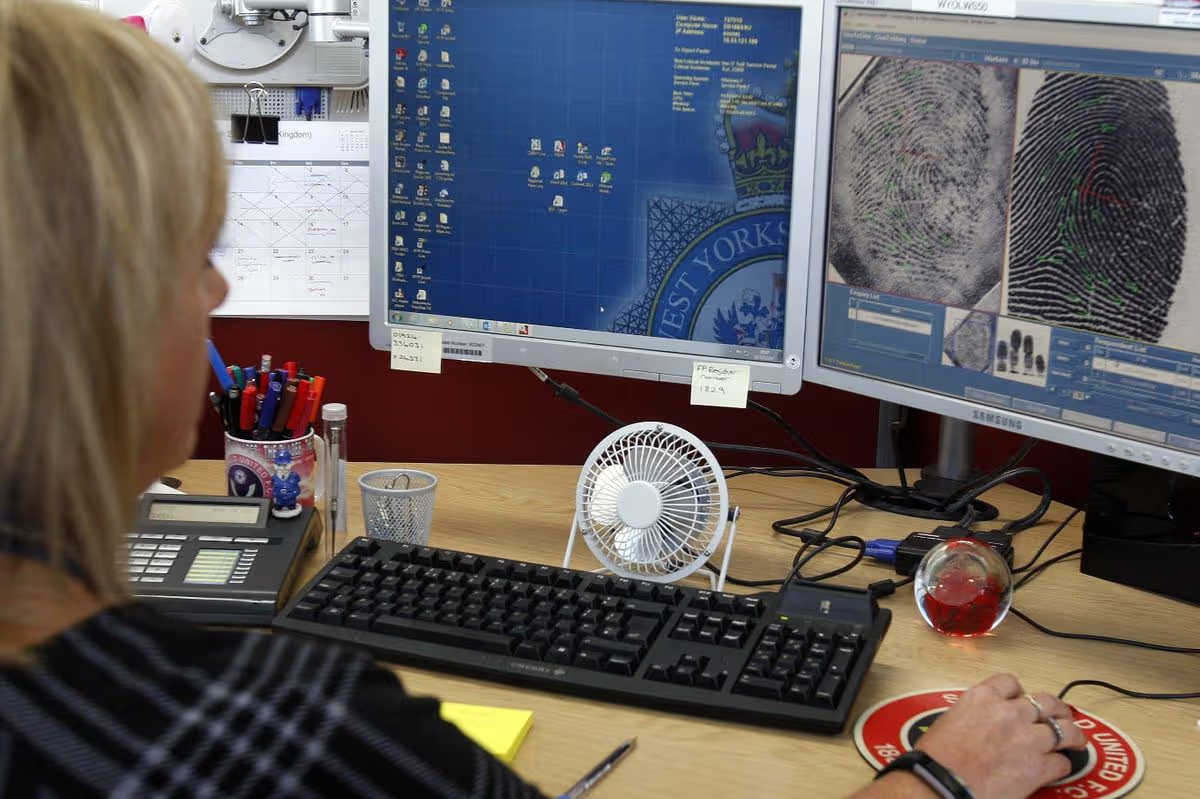
Police Scotland has come under fire after a watchdog report revealed that thousands of suspects are not being fingerprinted each year, including individuals arrested for serious crimes. The Scottish Biometrics Commissioner, Dr Brian Plastow, found that more than 12,000 accused men and women went through custody in a single year without their prints being taken or stored.

The report concluded that the force’s policy of only fingerprinting suspects once they are formally charged is “unacceptable” and poses a significant risk to investigations. In one three‑month period alone, 3,202 officially accused persons were arrested but not fingerprinted.
Dr Plastow warned: “Fingerprinting an arrested person is a critical step in the criminal justice process, providing strong physical evidence of identity that ties suspects to crime scenes. Not fingerprinting someone results in lost investigative opportunities, both now and in the future.”
The report also raised alarm over instances where staff within Police Scotland’s Criminal Justice Services Division allegedly carried out “bulk deletions” of fingerprint records before identification experts had examined them. Dr Plastow said such deletions were not authorised practice and could derail investigations or even prevent suspects from being cleared.
The Commissioner has urged Police Scotland to adopt a “take all” policy, requiring fingerprints and photographs to be taken from every adult arrested for any offence. He also criticised Scotland’s lack of a national biometrics strategy, noting that forces in England and Wales already use mobile fingerprint technology to identify suspects in under a minute.
The report made 10 recommendations for improvement, including investment in new technology and stricter safeguards against unauthorised deletions.
A Police Scotland spokesperson said the force takes the findings seriously and will consider the recommendations. They added: “We capture a wide range of data and information, including fingerprints. On some occasions it may not be possible to obtain fingerprint data due to an individual being in hospital or non‑compliant, making it unsafe to do so.”
The spokesperson insisted that improvements to custody processes are already underway.
The revelations have sparked criticism from politicians and campaigners, who argue that failing to fingerprint suspects undermines public safety and risks letting criminals slip through the net. Victims’ groups warned that lost evidence could deny justice to those affected by serious crimes.

Opposition MSPs have demanded urgent action, calling the failures “a scandal” and pressing the Scottish Government to fund modern biometric systems.
With fingerprints having been used in Scotland for more than 120 years, the report’s findings highlight a worrying gap in modern policing practices. Unless reforms are implemented, critics warn that Scotland risks falling behind the rest of the UK in forensic standards — and jeopardising the integrity of its criminal justice system.
Related News:
 Bodies of Man and Boy Found in Burnt‑Out Car After Horror Crash in the Highlands
 Woman dies after horror two-vehicle crash in Scots town
 Fan Chief Condemns ‘Shameful’ Violence After Rangers–Celtic Chaos
 Scots Man Convicted in Dirty Money Case After DNA Found on Cash
 Man Arrested Over Gunshot Death in Motherwell
 Northern Ireland Family of Three Shot Dead in Maguiresbridge Home Incident
 Seventeen Dead as Russia Targets Ukrainian Prison in Devastating Airstrike
 West End Exposed as London’s Knife Crime Epicentre Amid Alarming Surge in Violence
 Targeted Attack in Bury Sparks Murder Investigation as Community Awaits Justice
 Man Remanded After Children Fall Ill at Leicestershire Summer Camp in Shocking Child Cruelty Case
 Merseyside Police Helicopter Crew Cleared After Low-Altitude Pursuit of Suspect
 Urgent Action Needed on Windrush Compensation as Survivors Speak of “Waiting to Die”
 UK Launches Major Crackdown on Networks Profiting from Online Child Sexual Abuse
 Prime Suspect in Madeleine McCann Case Declines Metropolitan Police Interview Ahead of German Prison Release
 Systemic Racism in Maternity Care Continues to Endanger Black Women in England, MPs Warn
 Northern Ireland Faces Fears of Prolonged Race Riot “Permacrisis”
 Zarah Sultana Seeks Legal Action After Bitter Clash with Jeremy Corbyn Over Party Membership Funds
 Channel Crossings Surge: Over 1,000 People Arrive in the UK in Small Boats in a Single Day
 No Evidence Found to Substantiate Alleged Rape in Oxfordshire Churchyard, Police Confirm
 Massive London Poundland Fire Engulfs High Street
 Paedophile Singer Ian Watkins Dies After Prison Attack
 Ian Watkins Killed in Prison; Ex-Girlfriend Speaks Out
 DNA Test Confirms Alleged Stalker Is Not Madeleine McCann
 WW2 Pilot’s Long-Lost Crash Site Unearthed in Essex
 Peterborough Mosques Tighten Security After Attack
 French Taxi Driver Cleared in David Lammy Theft Case After Fare Dispute
 UK Bans Fake Numbers: Scammers Lose Their Trick
 Just Stop Oil Protesters Convicted Amid Climate Defence Row
 How to get help when a child goes missing – call 999 urgently
 Indian authorities demolish Kashmir home linked to Red Fort blast
 Greene Pushes Epstein Files Amid Trump Fallout
 New Evidence Emerges in Haditha Family Killings
 Criminal Gangs Pose as Truckers to Hijack UK Supply Chains
 Mother Watches in Horror as Teen Daughter Dies on Tracks
 Deadly Russian Strikes Hit Western Ukraine, 20 Killed in Ternopil
 Serial Rapist and Former Cop Found Guilty Again
 Man Denies Stealing Bronze Age Gold from Museum
 Venezuela Threatens Nobel Winner Machado with Fugitive Status
 Inside the Helpline Protecting Missing Children in the UK
 Most Tories Expect to Support a Farage-Led Government
 Runaway Driver Caught by DNA Evidence
 Two National Guard Soldiers Critically Injured Near White House
 Strangulation Charges Surge in England and Wales Amid Domestic Abuse Concerns
 American Mother Extradited From UK to U.S. on Murder Charges
 UK Targets in New York Bomb Threat Hoax: Man Jailed
 New Documentary Examines Teen’s Zombie Knife Murder
 Portland man pleads not guilty after Border Patrol shooting
 Woman Jailed for Life After Killing E-Bike Rider in Tragic Mistaken Identity Case
 Deadly NSW Shooting Leaves Three Dead, Gunman Escapes
 Police response times face strict new national limits
 Salford Attempted Robbery Sees 95-Year-Old Woman Tied Up
 Police Doubt Fugitive Dezi Freeman Survived Bushland
 ‘We Are Ready to Talk’: US News Anchor Savannah Guthrie Pleads for Return of Her Abducted Mother
 Teen Girl Chased in Broad Daylight in Ipswich
 ‘Daejaun Was Drawn Deeper Into Danger,’ Says Heartbroken Mother
 SA Police Intensify Search in Gus Lamont Case
 Austrian Man Charged Over Foiled Taylor Swift Concert Attack Plot
 Nine Arrested in France Over Death of Far‑Right Student
 Eight Skiers Found Dead After California Avalanche
 Epstein Eyed Record Label Investment to Access Women, Files Suggest
 Fly-Tippers to Be Hunted by ‘Drone Squad’ in Crackdown from the Sky
 ‘Don’t Make Us Security Guards,’ Says Teacher Stabbed by Pupil
 Mother of Nottingham Attacks Victim Calls for ‘Whole Truth’ as Inquiry Begins
 Louvre Museum Director Resigns Months After High‑Profile Heist
 Rape Accused Had Fight With Man in Alley, Court Told
 American Citizen Killed in Cuba Boat Shooting, U.S. Officials Say
 Ian Huntley Seriously Injured in Prison Attack
 Mother Says ‘I Hugged My Daughter’s Killer’ as They Cried Together in Prison
 Suspects in Lisa Dorrian Case Released on Bail
 Deadly Texas Bar Shooting ‘Potentially Act of Terrorism,’ FBI Says
 Kidnapping of Foreigners Soars in Africa’s Lawless Sahel Region
 Driver Jailed Over Fatal Water Treatment Tank Crash
 New Infection Risk Alert at Glasgow’s Flagship Hospital
 Insulin Evidence in Letby Trial Under Scrutiny After Expert’s GMC Probe Emerges
 Calls Grow to Remove Billboard Following Lyra McKee Graffiti
 Man on Trial for Rape That Led to Andrew Malkinson’s Wrongful Jailing
 Labour MP’s Partner Arrested on Suspicion of Spying for China
 Police Scotland Pays £8m Compensation to Staff
 Armed police incident closes major road
 Real Estate Brothers Convicted in Sex Trafficking Trial