Published: March 10, 2026
The English Chronicle Desk
The English Chronicle Online
Iran’s leadership has formally rejected calls for a ceasefire in the ongoing war with the United States and Israel, escalating tensions with a stark warning directed at President Donald Trump and signalling that the conflict could continue without diplomatic resolution. The stance marks a clear hardening of Tehran’s position amid a widening regional crisis.
In statements issued by senior Iranian officials, Tehran categorically dismissed any notion of negotiating a ceasefire while U.S. and allied military operations are underway. Iran’s foreign ministry spokesperson said there is “no point” in discussing a ceasefire and emphasised that the country will focus on defence and “crushing retaliation” as long as it remains under attack.

The rejection of ceasefire overtures has been accompanied by a stark warning to President Trump, with Iranian political circles articulating that Washington must “learn its lesson” about engaging in military actions against Iran. While officials stopped short of spelling out specific threats, the rhetoric reflects an intent to maintain sustained resistance rather than capitulate to external pressure. Analysts say this message is tailored to undermine U.S. assumptions about a quick diplomatic de‑escalation and signal Tehran’s willingness to prolong the conflict.
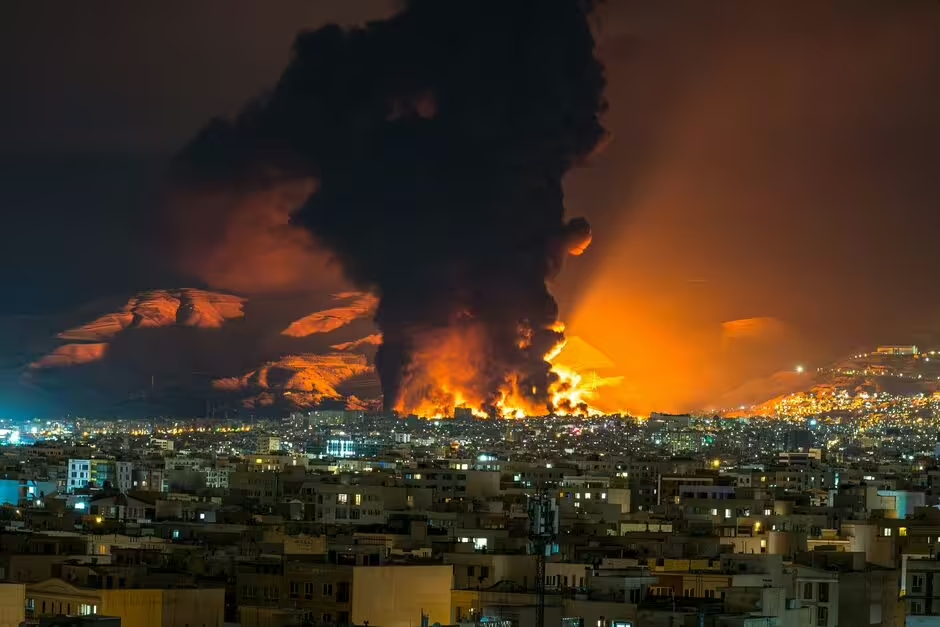
The backdrop to this hardened stance is a rapidly intensifying war that has expanded significantly since it began. Recent developments include Iranian strikes on U.S. bases in Iraq and other regional targets, along with missile sirens and counter‑attacks in neighbouring countries. Oil markets have experienced extreme volatility, with disruptions to shipping through the Strait of Hormuz shaking global energy prices and prompting international economic concerns.
President Trump has simultaneously taken a firm line, declaring that he will not agree to peace terms short of Iran’s “unconditional surrender” and asserting that U.S. forces are prepared for a drawn‑out campaign. U.S. officials have described the ongoing operation as a mission to dismantle Iran’s military and strategic capabilities, despite warnings that continued fighting risks wider regional spill‑over.
International reactions to the escalation have been mixed. Some allied nations have criticised the U.S. approach as destabilising, while others have expressed concern about the humanitarian impact and economic fallout of prolonged hostilities. Regional leaders have called for restraint, underscoring the peril of a broader conflagration that could mark a significant escalation in Middle East conflict dynamics.

The Iranian leadership’s latest warning to Trump underscores the deepening geopolitical divide and the challenges facing diplomatic efforts. With both sides signalling an unwillingness to back down, analysts caution that the absence of ceasefire negotiations could prolong the war and increase the risk of unintended escalation, with global implications for security and economic stability.
Related News:
 Trump Administration Probe of Fed’s Powell Draws Pushback
 US Urges Iran to Make Deal as Military Presence Rises
 Trump’s Foreign Policy Dilemma Laid Bare by Iran Tensions
 US Partially Evacuates Beirut Embassy Amid Rising Iran Tensions
 Hopes and Fears as US Iranians Take to Streets After Toppling of Supreme Leader
 Iran, the US, and a World Cup That Starts in Three Months
 Trump’s Iran Endgame Unclear After Mixed Messaging on War Aims
 Rubio Responds to Reported Strike on Iranian School
 US Senate Backs Trump War Powers Amid Iran Missile Barrage
 UK Prepares Aircraft Carrier for Middle East Crisis
 Trump Threatens Iran With ‘Twenty Times Harder’ Oil Strike
 Gulf Oil Shock Sends Global Economic Ripples
 Modi’s London Visit Seals Historic UK-India Trade Pact Amid Global Tensions
 Rachel Reeves to lead UK trade push in Saudi Arabia amid rights debate
 Canada Passes Carney’s First Budget in Tight Parliamentary Vote
 India’s Labour Law Overhaul Sparks Fierce Debate
 Trump to Recheck Green Cards from 19 Nations After DC Attack
 Russia losses Ukraine war peace talks intensify amid rising deaths
 Trump Escalates Minnesota Immigration Surge Amid Rising Tensions
 Austrian Airlines Halts Tehran Flights Amid Political Unrest
 Top Senate Republican Says Federal Probe of Powell Could Challenge Fed Nominees
 Trump Threatens Strong Action If Iran Executes Protesters
 Trump Receives Machado’s Nobel Medal in White House Meeting
 Greenland Crisis Forces Europe to Draw a Line With Trump
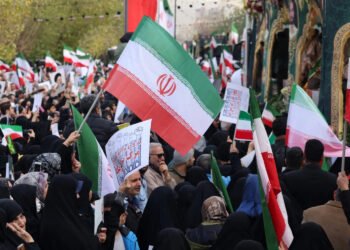 Iran Cannot Be Bombed Into Democracy, Only Helped There
 Trump Fed bid heads to Supreme Court
 EU Says US Ties Have Suffered ‘Big Blow’ After Greenland Crisis
 Trump Praises ‘Terrific’ Petro After White House Talks
 Fears of New Arms Race as US-Russia Nuclear Weapons Treaty Expires
 New Nuclear Talks Between US and Iran Begin in Geneva
 ‘He Did It for Us’: US Soldier Recalls Jesse Jackson’s Efforts to Free Him and Two Other POWs
 Iran Says ‘Guiding Principles’ Agreed With US at Nuclear Talks
 Stephen Colbert Says CBS Spiked Interview With Democrat Over FCC Fears
 US Pushes to Recruit Organised Crime Gangs into Gaza Police Force
 Japan Braces as Takaichi Begins New Term with Huge Mandate for Low‑Tax, Ultra‑Conservative Agenda
 Sanders Condemns Billionaire ‘Greed’ in California Tax Debate
 US Build-Up of Warships and Fighter Jets Tracked Near Iran
 US and Indonesia Finalise Deal to Cut Tariffs to 19%
 Billionaire Les Wexner Tells US Lawmakers He Was ‘Naive’ and ‘Conned’ by Epstein
 US Will Not Back Out of Tariff Deals with UK and Others, Says Trump Trade Representative
 What Now for Asia After Trump’s Tariffs Were Struck Down?
 Inside Kyiv’s resolve as conflict nears five‑year mark
 Trump’s tariff strategy collapse sows global chaos and confusion
 Bill Gates ‘Took Responsibility’ Over Epstein Ties in Staff Meeting, Foundation Says
 Clinton Testimony Erupts in Fiery Exchange
 American Citizen Killed in Cuba Boat Shooting, U.S. Officials Say
 Middle East Flights Halted After Iran Strikes
 Iran’s Regime Still Intact — Coming Days Will Test Its Survival
 Allies of US in the Gulf Bear Brunt of Iran Attacks
 Retaliations Continue on Day Two of US-Israel Attacks on Iran
 Trump Faces Questions Over Iran Conflict Plan
 Cooper: Joining US Strikes on Iran ‘Not in Britain’s Interest’
 Tehran Makes New Threat to Gulf Shipping as US Says ‘Hardest Hits’ on Iran ‘Yet to Come’
 Did Trump Declare War and Did Congress Approve Iran Attacks? What to Know
 Melania Trump Chairs UN Security Council Meeting on Children in Conflict Amid Iran Strikes
 Limited Flights Leave UAE But Disruption Continues Amid Iran Strikes
 Why the US and Israel attacked Iran
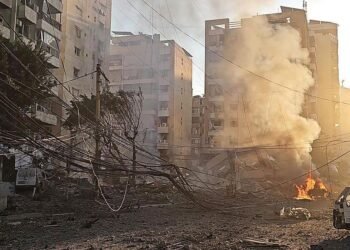 Israel Launches Fresh Strikes on Tehran & Beirut; US Warns “Hardest Hits” Ahead
 Three Days In, This War’s End Is Still Unclear
 US Has ‘Enough Weapons for Forever War,’ Trump Says
 Israel Strikes Lebanon After Hezbollah Rocket Fire as Iran Conflict Widens
 Israel’s New Airstrikes on Tehran & Beirut After US Embassy in Riyadh Is Hit
 Israel Launches Ground Invasion of Lebanon Amid Widening Middle East War
 Trump Underestimated the Iranian Regime’s Will to Survive
 U.S. Tells Citizens to Leave Israel Now as Regional Conflict Escalates
 Iranian Rockets Are Testing the Resolve of Dubai’s Instagram Stars
 US Embassy in Riyadh Hit by Iranian Drones as Israeli Troops Enter Southern Lebanon
 US Strikes on Iran Triggered by Israel’s Plan to Launch Attack, Rubio Says
 US Senate Vote Fails to Rein in Trump War Powers on Iran
 Macron Finds ‘Freedom Fries’ Redemption in Iran Crisis
 Trump Removes Kristi Noem From Homeland Security Role
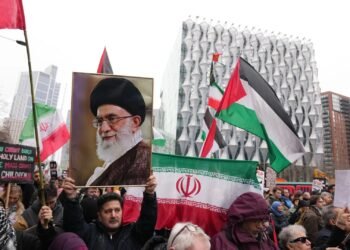 Thousands Protest Iran Strikes Outside US Embassy London
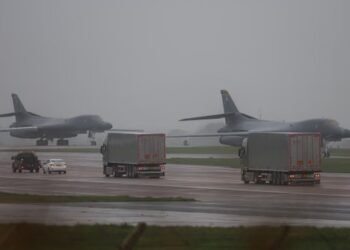 US Bombers Arrive at RAF Base Amid Rising Iran Tensions
 Pete Hegseth Iran War Remarks Spark Alarm
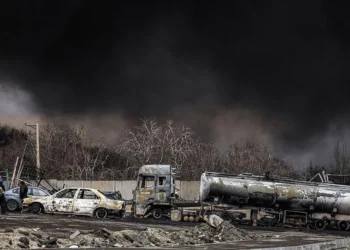 Nine Days of Strikes Reshape the Middle East
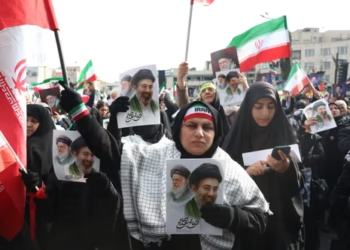 Mojtaba Khamenei Supporters Rally as Iranians Fear Repression
 Cost of Living Crisis Returns to Centre Stage
 Iran War Puts Trump at Political Risk Amid Rising Prices
 Iran’s New Leader Faces Existential Test
 Video Analysis Suggests US Missile Hit Base Near Iran School