Published: March 11, 2026
The English Chronicle Desk. The English Chronicle Online
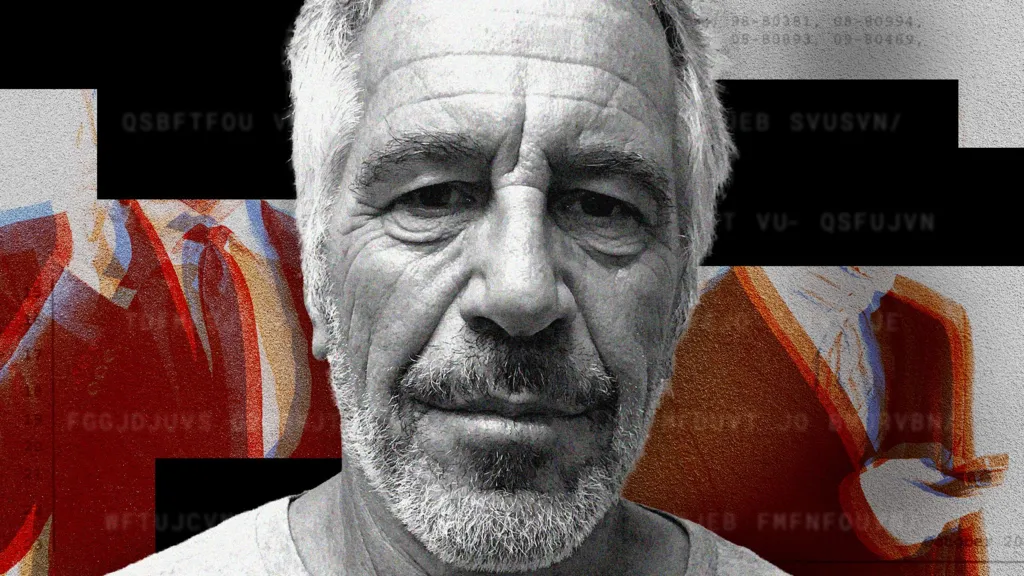
More than six years after the death of disgraced financier Jeffrey Epstein, questions continue to swirl around two of his closest professional associates who still retain significant control over his fortune, documents and remaining legal matters. Their continued influence over Epstein’s estate has drawn criticism from victims’ lawyers and investigators who argue that the arrangement raises serious concerns about transparency and accountability.
Jeffrey Epstein, who died in a New York jail cell in 2019 while awaiting trial on federal sex-trafficking charges, left behind a sprawling network of financial assets, offshore trusts and corporate entities. In the years since his death, the management of that network has remained largely in the hands of two long-time associates who served as his lawyer and accountant for decades.

The two men—attorney Darren Indyke and accountant Richard Kahn—played central roles in Epstein’s financial and legal operations during the height of his wealth. For years they managed his businesses, handled financial transactions and oversaw the legal structures that controlled his properties and investments. Even after Epstein’s arrest and subsequent death, the pair continued to hold authority over the estate as its co-executors and trustees. ()
That authority has placed them in charge of deciding how Epstein’s remaining assets are handled and which records may be disclosed to investigators, courts and victims. Critics argue that this unusual arrangement allows individuals who worked closely with Epstein during his lifetime to remain gatekeepers of crucial information about his finances and his network of associates.
Epstein’s wealth—once estimated to exceed half a billion dollars—was held in a complex system of trusts and companies spread across multiple jurisdictions. These structures were created over many years and designed to shield assets from scrutiny while providing Epstein with flexibility in how he moved money between accounts and properties. ()
Indyke and Kahn were deeply embedded in that system. Documents reviewed by investigators and journalists suggest they helped manage financial transfers, oversee real-estate holdings and structure transactions through various companies connected to Epstein’s business empire. Both men have repeatedly stated that they were simply performing professional duties as lawyer and accountant and had no knowledge of Epstein’s criminal activities. ()
Nevertheless, their role has been sharply criticised by lawyers representing some of Epstein’s victims. Critics argue that Epstein’s sex-trafficking network could not have operated for as long as it did without the administrative infrastructure surrounding him. Financial management, transportation arrangements and property administration were all necessary components of the operation, they say.
Following Epstein’s death, the two men took charge of administering his estate and launched a compensation programme intended to settle claims from victims. Dozens of survivors eventually received financial settlements from the programme. However, the structure of those settlements drew further controversy.
Some agreements required victims to waive the right to pursue additional lawsuits against certain individuals connected to Epstein’s network. Lawyers representing survivors argued that such conditions could shield key figures from further scrutiny or legal action.
Supporters of the compensation programme maintain that it provided faster payments to victims and avoided years of prolonged legal battles that might have drained the estate’s funds. The programme was administered by an independent mediator, and defenders say it was designed to resolve claims efficiently.
Yet the arrangement also allowed the estate’s executors—Indyke and Kahn—to maintain considerable control over documentation and legal decisions tied to Epstein’s finances. In practice, this means that key records about the financier’s wealth, business relationships and possible collaborators remain within structures overseen by people who worked for him for decades.
For investigators trying to understand the full scope of Epstein’s operations, that reality has created significant challenges. Epstein maintained relationships with wealthy businessmen, politicians and influential figures across several countries, and his private jet travel logs and contact lists have long attracted intense public interest.
The difficulty of obtaining full records has been compounded by the complexity of the estate itself. Epstein owned numerous properties, including mansions in New York and Florida as well as private islands in the Caribbean where prosecutors said many of the abuses took place.
Over the years since his death, portions of Epstein’s estate have been sold to help fund victim compensation and cover taxes and legal costs. Even so, the case remains far from fully resolved. Civil lawsuits linked to Epstein’s network continue to move through courts, and investigators in several countries are still examining potential financial misconduct tied to his operations.

Public scrutiny of the case has intensified periodically whenever new documents or court filings are released. Each revelation has added to the broader picture of how Epstein maintained his network for decades while interacting with influential figures around the world.
Despite those developments, the continued involvement of two of his closest aides in managing the estate has become one of the most controversial aspects of the aftermath. Critics argue that the arrangement highlights broader failures in the systems that allowed Epstein to operate with little interference for many years.
For victims and investigators alike, the central question remains unresolved: how much of Epstein’s financial network—and the people connected to it—has yet to be fully exposed.
Until the remaining records are fully examined and the legal battles conclude, the legacy of Jeffrey Epstein’s empire continues to cast a long shadow over the institutions and individuals who once stood close to him.
Related News:
 Trump Labor Secretary’s Husband Barred from Department Over Sexual Assault Allegations
 Search Intensifies for Savannah Guthrie’s Mother
 Two National Guard Soldiers Critically Injured Near White House
 American Mother Extradited From UK to U.S. on Murder Charges
 Portland Shooting: Federal Agents Open Fire Near Hospital
 Portland man pleads not guilty after Border Patrol shooting
 ‘We Are Ready to Talk’: US News Anchor Savannah Guthrie Pleads for Return of Her Abducted Mother
 What We Know About the Abduction of Savannah Guthrie’s Mother
 Nancy Guthrie Abduction: Bitcoin Ransom Sparks US Attention
 No Arrests Made After Police Search Near Nancy Guthrie Home
 ALL OUT: Pam Bondi Announces Epstein Files Released With 300+ High-Profile Names
 EPSTEIN MYSTERY: Five Unanswered Questions Surround Jeffrey Epstein’s Death
 “It’s Never Too Late”: Savannah Guthrie’s New Plea for Mother’s Release as FBI Analyses Glove
 FBI Won’t Co-operate on Alex Pretti Investigation, State Officials Say
 No DNA Matches on Glove Found in Nancy Guthrie Case, Police Say
 Suspect in Rhode Island Ice Hockey Shooting Killed Ex‑Wife and Son
 Eight Skiers Found Dead After California Avalanche
 Desperate Hunt for Breakthrough in Nancy Guthrie Case Turns to Mexico
 Billionaire Les Wexner Tells US Lawmakers He Was ‘Naive’ and ‘Conned’ by Epstein
 Trump Vows UFO File Release After Obama Interview
 Armed Intruder Shot Dead at Trump’s Mar-a-Lago Resort
 Violence Erupts in Mexico After Drug Lord El Mencho Killed
 Who Was El Mencho, Mexico’s Most Wanted Man?
 What We Know About the Search for Savannah Guthrie’s Mother Nancy
 Epstein Files Reveal High‑Profile Names in New US Government Release
 Inside Kyiv’s resolve as conflict nears five‑year mark
 Missing North Carolina Woman Found Alive After 24 Years
 Family Offers $1M Reward to Bring Home Missing Mother
 Threat of Further Violence Looms After Mexican Cartel Rampage
 US ‘Suitcase Murderer’ Deported From Bali After 11 Years in Jail
 American Citizen Killed in Cuba Boat Shooting, U.S. Officials Say
 Hillary Clinton Tells House Panel She Had No Idea of Epstein’s Crimes
 How Ghislaine Maxwell Brought Bill Clinton into Epstein’s Orbit
 Epstein Tried to Buy a Palace in Morocco Days Before His 2019 Arrest
 Hillary Clinton Tells House Panel She ‘Had No Idea’ of Epstein’s Crimes
 Deadly Texas Bar Shooting ‘Potentially Act of Terrorism,’ FBI Says
 Calls Grow to Remove Billboard Following Lyra McKee Graffiti
 Legendary Notre Dame College Football Coach Lou Holtz Dies at 89
 Man on Trial for Rape That Led to Andrew Malkinson’s Wrongful Jailing
 Murdered Student ‘Algasim’ Was ‘the Most Special Person’, Friends Say
 Sisters Who Could Not Swim Drowned While Paddling in Snowdonia, Inquest Hears
 Trump ‘sex attack’ claim reported in Epstein files
 Undercover officer deceived women with ‘grotesque and cruel’ lies, spycops inquiry told
 Two Charged After Bomb Attack Outside NYC Mayor’s Home
 Real Estate Brothers Convicted in Sex Trafficking Trial
 US Teacher Dies After Toilet Paper Prank Turns Tragic
 West End Exposed as London’s Knife Crime Epicentre Amid Alarming Surge in Violence
 Targeted Attack in Bury Sparks Murder Investigation as Community Awaits Justice
 Merseyside Police Helicopter Crew Cleared After Low-Altitude Pursuit of Suspect
 Urgent Action Needed on Windrush Compensation as Survivors Speak of “Waiting to Die”
 Systemic Racism in Maternity Care Continues to Endanger Black Women in England, MPs Warn
 Northern Ireland Faces Fears of Prolonged Race Riot “Permacrisis”
 Channel Crossings Surge: Over 1,000 People Arrive in the UK in Small Boats in a Single Day
 No Evidence Found to Substantiate Alleged Rape in Oxfordshire Churchyard, Police Confirm
 Massive London Poundland Fire Engulfs High Street
 Paedophile Singer Ian Watkins Dies After Prison Attack
 UK Bans Fake Numbers: Scammers Lose Their Trick
 Greene Pushes Epstein Files Amid Trump Fallout
 Inside the Helpline Protecting Missing Children in the UK
 Minnesota Sues Trump Administration Over ICE Surge
 Woman Jailed for Life After Killing E-Bike Rider in Tragic Mistaken Identity Case
 Police response times face strict new national limits
 Salford Attempted Robbery Sees 95-Year-Old Woman Tied Up
 Police Doubt Fugitive Dezi Freeman Survived Bushland
 ‘Daejaun Was Drawn Deeper Into Danger,’ Says Heartbroken Mother
 ‘Trump Will Be Gone in Three Years,’ Top Democrats Tell Europe
 Austrian Man Charged Over Foiled Taylor Swift Concert Attack Plot
 Nine Arrested in France Over Death of Far‑Right Student
 Epstein Eyed Record Label Investment to Access Women, Files Suggest
 Fly-Tippers to Be Hunted by ‘Drone Squad’ in Crackdown from the Sky
 Rape Accused Had Fight With Man in Alley, Court Told
 Ian Huntley Seriously Injured in Prison Attack
 Mother Says ‘I Hugged My Daughter’s Killer’ as They Cried Together in Prison
 Suspects in Lisa Dorrian Case Released on Bail
 Driver Jailed Over Fatal Water Treatment Tank Crash
 Talarico Secures Democratic Victory for US Senate in Texas
 ‘Every Day Feels Like a Month’: Iranians Describe Life Under ‘Constant’ US‑Israeli Strikes
 Police Scotland Pays £8m Compensation to Staff
 Thousands Protest Iran Strikes Outside US Embassy London
 Iran War Puts Trump at Political Risk Amid Rising Prices