Published: March 12, 2026
The English Chronicle Desk. The English Chronicle Online
Across Iran, young people are attempting to maintain a sense of normal life despite the intensifying conflict and the constant threat of missile strikes. For many, daily routines now unfold against the backdrop of air-raid sirens, disrupted internet access and the uncertainty that accompanies war.
In cities such as Tehran and Isfahan, young Iranians say streets that were once busy late into the evening have become noticeably quieter. Many residents remain indoors as much as possible, venturing out only for essential errands as fears of further air attacks persist. Some neighbourhoods have reported near-empty roads and closed shops, reflecting a society adapting to the risks posed by ongoing military operations.

Yet despite the danger, many young people describe a determination to continue living their lives as normally as possible. Students continue studying remotely when universities close, while friends stay connected through messaging apps whenever internet access allows. For some, maintaining ordinary routines has become an act of resilience — a way to cope with stress and uncertainty.
Several young Iranians interviewed by international media said they try to preserve everyday activities such as meeting close friends, cooking meals together or spending time with family. Others say they have turned to creative outlets — music, art and online storytelling — as ways to process the anxiety and fear surrounding the conflict. Even small moments of normality, such as sharing tea at home or watching films, are described as psychologically important during long nights punctuated by the sound of explosions in the distance.
The psychological strain, however, remains significant. Many young people speak of disrupted sleep, constant worry about loved ones and the pressure of making decisions about whether to stay in the country or attempt to leave. The war has also deepened existing social and economic challenges that Iranian youth already faced, including high unemployment and political tensions.
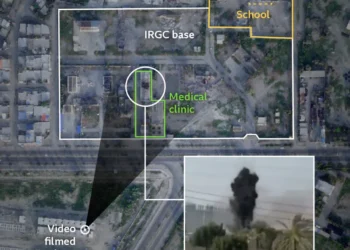
Recent events have amplified those fears. In late February, an airstrike reportedly struck a school in the southern city of Minab, killing dozens of students and intensifying concerns among families about civilian safety during the conflict. The attack, which damaged much of the building, became one of the most shocking incidents reported since the escalation of hostilities.
Despite the risks, many young Iranians say they remain determined to hold onto hope and community. Some have organised neighbourhood support networks, checking on elderly residents or sharing food and supplies with families affected by shortages. Others say they rely on humour and solidarity to cope with the emotional toll of the war.
Social media, when accessible, has become another important outlet. Young people post messages describing their daily experiences, share photographs of quiet streets or candle-lit homes during power outages, and connect with friends abroad. These online spaces have also become channels for documenting life during wartime and expressing frustration with the violence affecting their country.

For many, the conflict has forced an abrupt transition from ordinary youth concerns to survival-focused priorities. Conversations that once centred on university exams, careers or travel now frequently revolve around air-raid alerts, evacuation plans and the safety of family members in other cities.
Even so, a recurring sentiment among young Iranians is that life must continue despite the circumstances. As one young resident reportedly said, the determination to keep going remains strong: even under missiles, they insist, they will carry on living.
Related News:
 Israel and Hezbollah Exchange Fire as Conflict Worsens
 Iran’s Regime Still Intact — Coming Days Will Test Its Survival
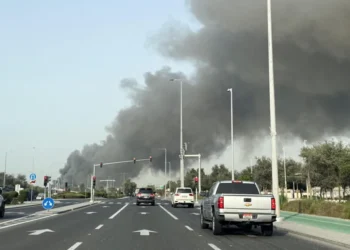 Allies of US in the Gulf Bear Brunt of Iran Attacks
 Hopes and Fears as US Iranians Take to Streets After Toppling of Supreme Leader
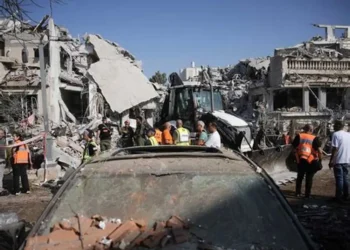 Retaliations Continue on Day Two of US-Israel Attacks on Iran
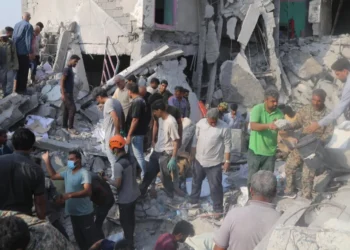 At Least 153 Dead After Reported Strike on School, Iran Says
 At Least 153 Dead After Reported Strike on School, Iran Says
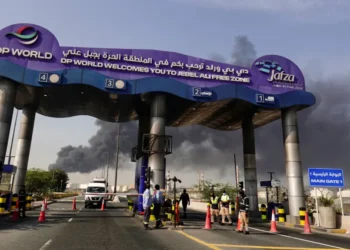 ‘It’s Eerie’ – Dubai on Edge as City Comes Under Attack
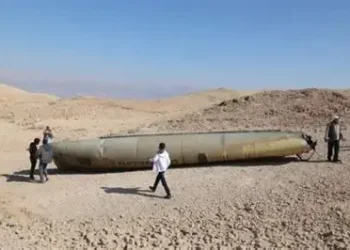 BBC Reports from Beit Shemesh After Deadly Iranian Missile Strike
 Iran, the US, and a World Cup That Starts in Three Months
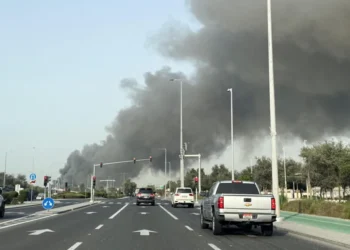 Allies of US in the Gulf Bear Brunt of Iran Attacks
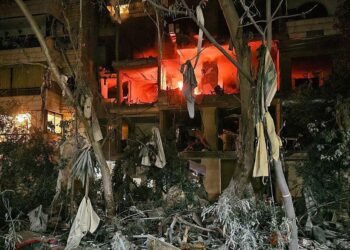 Israeli Attacks Kill 31 in Lebanon, Iran Strikes Across Region, US Warplanes Crash in Kuwait
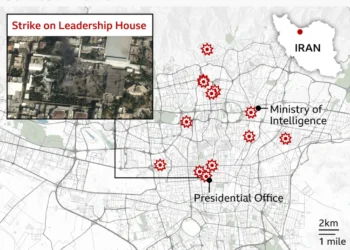 In Maps: Strikes Across Iran and the Middle East
 Months of Planning Behind US‑Israeli Mission to Target Iran’s Supreme Leader
 Cooper: Joining US Strikes on Iran ‘Not in Britain’s Interest’
 What Khamenei’s Death Means for Russia and China
 Tehran Makes New Threat to Gulf Shipping as US Says ‘Hardest Hits’ on Iran ‘Yet to Come’
 Trump’s Iran Endgame Unclear After Mixed Messaging on War Aims
 Did Trump Declare War and Did Congress Approve Iran Attacks? What to Know
 Rubio Responds to Reported Strike on Iranian School
 Scots Caught Up in Middle East Crisis ‘Just Waiting for the Next Explosion’
 The Third Day of the US‑Israeli War With Iran
 Why the US and Israel attacked Iran
 Israel Launches Fresh Strikes on Tehran & Beirut; US Warns “Hardest Hits” Ahead
 Three Days In, This War’s End Is Still Unclear
 US Has ‘Enough Weapons for Forever War,’ Trump Says
 Israel Strikes Lebanon After Hezbollah Rocket Fire as Iran Conflict Widens
 Latest on Middle East Conflict — In Maps: Strikes Across Iran and the Region
 ‘I saw missiles being intercepted’: Influencers recount shock as Iran hits Dubai landmarks
 Amazon Says Drones Damaged Three Facilities in UAE and Bahrain
 Man Recalls ‘Terrifying’ Dubai Missile Ordeal During Iran Strikes
 Israel’s New Airstrikes on Tehran & Beirut After US Embassy in Riyadh Is Hit
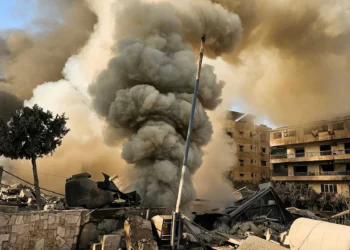 Israel Launches Ground Invasion of Lebanon Amid Widening Middle East War
 Iranian Rockets Are Testing the Resolve of Dubai’s Instagram Stars
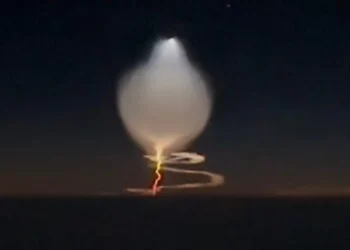 Airline Pilots Feared Iranian Missile Had Been Fired at Them
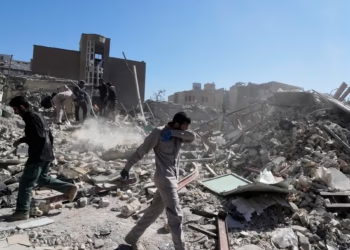 US Embassy in Riyadh Hit by Iranian Drones as Israeli Troops Enter Southern Lebanon
 US Strikes on Iran Triggered by Israel’s Plan to Launch Attack, Rubio Says
 First Wave of Europeans Stranded by Iran Conflict Return Home, With Hundreds of Thousands Still Left in Region
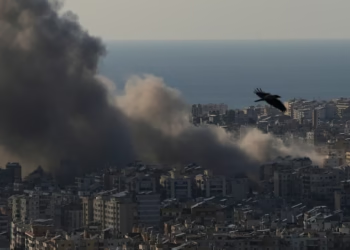 Sixth American Service Member Killed in Iran Operation as Conflict Intensifies
 Trump Rebukes Starmer Over UK Refusal to Back Strikes on Iran
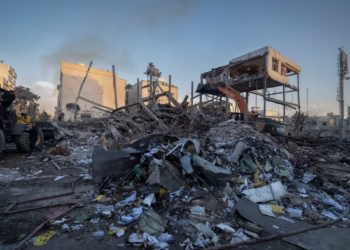 Civilian Deaths in Iran Pass 700 Amid Fear of Bombs and Regime Clampdown
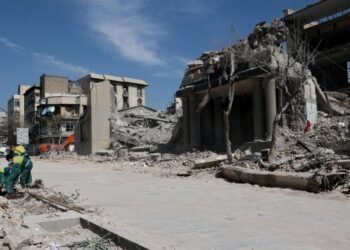 US Senate Backs Trump War Powers Amid Iran Missile Barrage
 UK Prepares Aircraft Carrier for Middle East Crisis
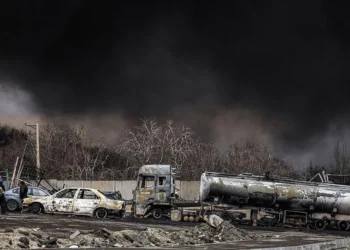 Nine Days of Strikes Reshape the Middle East
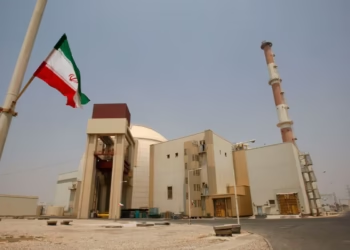 Putin Orders Evacuation at Iran Nuclear Plant Amid ‘Catastrophe’ Fears
 Video Analysis Suggests US Missile Hit Base Near Iran School
 ‘I Would Scream in My Sleep’: Alawite Women from Syria Tell of Kidnap and Rape
 Iran Says ‘Guiding Principles’ Agreed With US at Nuclear Talks
 US Urges Iran to Make Deal as Military Presence Rises
 Ukraine Negotiator Reveals What It Feels Like Facing Russia
 Russian Troops Executed by Commanders, Soldiers Tell BBC
 Ukraine war briefing: Why Ukraine remains defiant and does not feel close to defeat
 ‘Anyone who runs is shot’: Russian soldiers describe killings of troops who refuse orders
 Ukraine remembers its dead as war enters a fifth year
 ‘Fear Is Everywhere’: Reports From Mexican City Turned Into War Zone by Drug Cartel Feud
 Orbán Accuses Ukraine of Disrupting Oil Supplies to Hungary
 Middle East Flights Halted After Iran Strikes
 UK Will Allow US to Use Bases to Strike Iranian Missile Sites, PM Says
 US Iran Operation: Sixth Service Member Killed
 Hezbollah Anger Erupts as War Returns to Beirut
 Limited Flights Leave UAE But Disruption Continues Amid Iran Strikes
 Israel Launches Fresh Strikes on Tehran and Beirut on Day Four
 At Least 169 Killed in South Sudan ‘Surprise’ Attack
 Trump Underestimated the Iranian Regime’s Will to Survive
 U.S. Tells Citizens to Leave Israel Now as Regional Conflict Escalates
 Middle East attacks intensify as Trump rejects Iran talks
 Iran-Iraq border airstrikes spark new tensions
 Russia Blames Ukrainian Naval Drones as Tanker Sinks
 ‘Every Day Feels Like a Month’: Iranians Describe Life Under ‘Constant’ US‑Israeli Strikes
 How Depleted Weapons Stockpiles Could Affect the Iran Conflict
 Azerbaijan Promises Retaliation After Iranian Drone Hits Airport
 Macron Finds ‘Freedom Fries’ Redemption in Iran Crisis
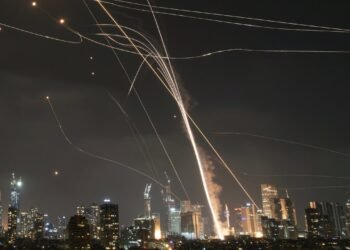 ‘We Must Finish This’: Israelis Rally Behind War Effort as Iran Strikes Tel Aviv
 Thousands Protest Iran Strikes Outside US Embassy London
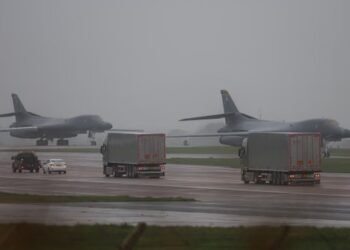 US Bombers Arrive at RAF Base Amid Rising Iran Tensions
 Drivers Warned to Cut Journeys as Fuel Prices Surge
 Seventh US Service Member Killed in Iran Conflict Identified
 Trump Threatens Iran With ‘Twenty Times Harder’ Oil Strike
 Iran’s New Leader Faces Existential Test
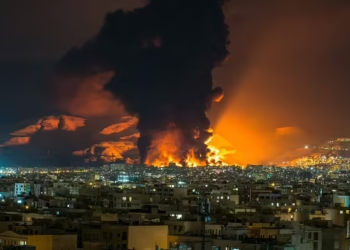 Iran Rejects Ceasefire, Warns Trump With Chilling Message