Published: March 12, 2026
The English Chronicle Desk. The English Chronicle Online
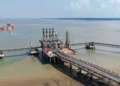
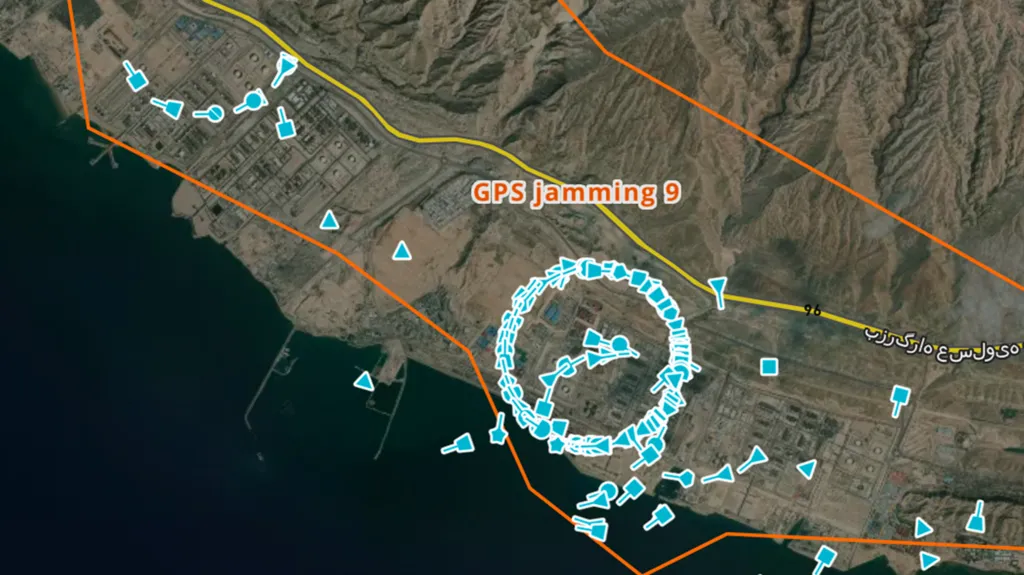
The Middle East is witnessing a new form of warfare: GPS jamming, an invisible but increasingly disruptive threat affecting military operations, commercial shipping, and civilian infrastructure. Analysts warn that this high-tech conflict adds a layer of complexity to the ongoing regional tensions.

Recent incidents indicate that Iran and other regional actors have deployed GPS jamming devices to interfere with navigation systems used by ships, aircraft, and military units. The tactics can cause temporary disorientation, delays, and operational disruption without the need for conventional weapons. Experts say these measures are particularly effective against drones and automated systems that rely heavily on satellite guidance.
“The challenge with GPS jamming is that it is invisible,” said a defence analyst. “You may not see damage, but the effects can be severe — from misrouted ships to compromised airspace safety and operational setbacks in military campaigns.” Recent reports confirm disruptions along key shipping lanes in the Persian Gulf and surrounding waterways, affecting international trade and energy transport.
Commercial and civilian sectors are also feeling the impact. Airlines and shipping companies are increasingly investing in backup navigation systems, while local authorities monitor affected areas to mitigate risks to everyday transport. Civilian GPS receivers, including those in smartphones, are reportedly experiencing intermittent interference in high-risk zones.
Governments in the region and allied nations are responding with countermeasures, including GPS hardening, electronic warfare defences, and satellite monitoring programs. Military strategists emphasize that understanding and mitigating GPS jamming is now a critical part of both national security and economic planning.
Experts warn that as reliance on satellite navigation grows, the consequences of GPS disruption will become more severe. Beyond immediate tactical concerns, prolonged or widespread interference could hinder humanitarian aid delivery, emergency services, and international commerce.

The invisible battle over GPS highlights a new dimension in Middle East conflicts — one where technology and cyber capabilities can rival conventional firepower. Analysts suggest that vigilance, investment in alternative navigation solutions, and international cooperation will be essential to managing these emerging threats.
Related News:
 Israel and Hezbollah Exchange Fire as Conflict Worsens
 Iran’s Regime Still Intact — Coming Days Will Test Its Survival
 Allies of US in the Gulf Bear Brunt of Iran Attacks
 Hopes and Fears as US Iranians Take to Streets After Toppling of Supreme Leader
 Retaliations Continue on Day Two of US-Israel Attacks on Iran
 At Least 153 Dead After Reported Strike on School, Iran Says
 At Least 153 Dead After Reported Strike on School, Iran Says
 ‘It’s Eerie’ – Dubai on Edge as City Comes Under Attack
 BBC Reports from Beit Shemesh After Deadly Iranian Missile Strike
 Iran, the US, and a World Cup That Starts in Three Months
 Allies of US in the Gulf Bear Brunt of Iran Attacks
 Israeli Attacks Kill 31 in Lebanon, Iran Strikes Across Region, US Warplanes Crash in Kuwait
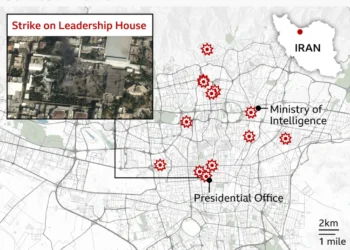 In Maps: Strikes Across Iran and the Middle East
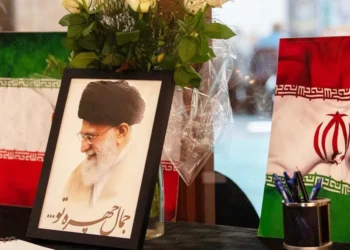 Months of Planning Behind US‑Israeli Mission to Target Iran’s Supreme Leader
 Cooper: Joining US Strikes on Iran ‘Not in Britain’s Interest’
 What Khamenei’s Death Means for Russia and China
 Tehran Makes New Threat to Gulf Shipping as US Says ‘Hardest Hits’ on Iran ‘Yet to Come’
 Trump’s Iran Endgame Unclear After Mixed Messaging on War Aims
 Did Trump Declare War and Did Congress Approve Iran Attacks? What to Know
 Rubio Responds to Reported Strike on Iranian School
 Scots Caught Up in Middle East Crisis ‘Just Waiting for the Next Explosion’
 The Third Day of the US‑Israeli War With Iran
 Why the US and Israel attacked Iran
 Israel Launches Fresh Strikes on Tehran & Beirut; US Warns “Hardest Hits” Ahead
 Three Days In, This War’s End Is Still Unclear
 US Has ‘Enough Weapons for Forever War,’ Trump Says
 Israel Strikes Lebanon After Hezbollah Rocket Fire as Iran Conflict Widens
 Latest on Middle East Conflict — In Maps: Strikes Across Iran and the Region
 ‘I saw missiles being intercepted’: Influencers recount shock as Iran hits Dubai landmarks
 Amazon Says Drones Damaged Three Facilities in UAE and Bahrain
 Man Recalls ‘Terrifying’ Dubai Missile Ordeal During Iran Strikes
 Israel’s New Airstrikes on Tehran & Beirut After US Embassy in Riyadh Is Hit
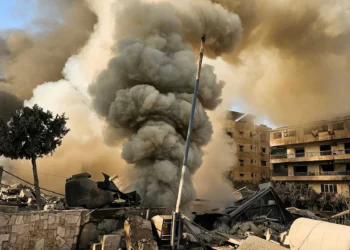 Israel Launches Ground Invasion of Lebanon Amid Widening Middle East War
 Iranian Rockets Are Testing the Resolve of Dubai’s Instagram Stars
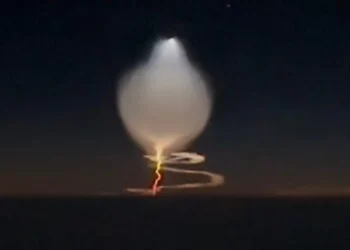 Airline Pilots Feared Iranian Missile Had Been Fired at Them
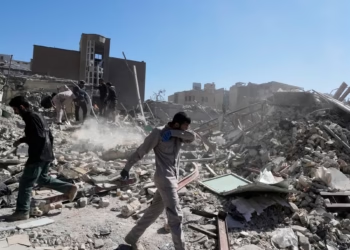 US Embassy in Riyadh Hit by Iranian Drones as Israeli Troops Enter Southern Lebanon
 US Strikes on Iran Triggered by Israel’s Plan to Launch Attack, Rubio Says
 First Wave of Europeans Stranded by Iran Conflict Return Home, With Hundreds of Thousands Still Left in Region
 Sixth American Service Member Killed in Iran Operation as Conflict Intensifies
 Trump Rebukes Starmer Over UK Refusal to Back Strikes on Iran
 Civilian Deaths in Iran Pass 700 Amid Fear of Bombs and Regime Clampdown
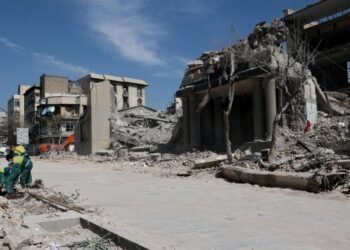 US Senate Backs Trump War Powers Amid Iran Missile Barrage
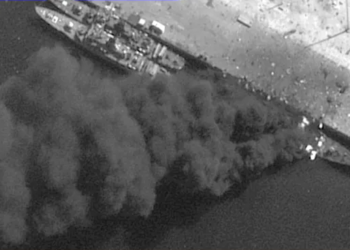 Satellite Images Show Iranian Navy and Nuclear Sites Hit by US‑Israeli Strikes
 UK Prepares Aircraft Carrier for Middle East Crisis
 Nine Days of Strikes Reshape the Middle East
 Putin Orders Evacuation at Iran Nuclear Plant Amid ‘Catastrophe’ Fears
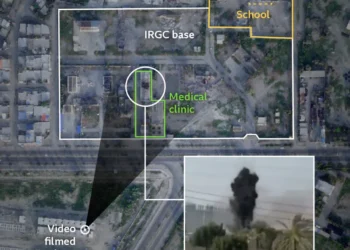 Video Analysis Suggests US Missile Hit Base Near Iran School
 ‘Even Under Missiles We Carry On Living’: Iran’s Youth in War
 Busy International Airport Targeted by Iran in Latest Strikes
 Google at 27: The Untold Story of Ruth Kedar, the Woman Behind the Iconic Logo
 Experts Warn Russia’s Burevestnik Missile Could Destabilise Arms Control
 Britain deploys RAF specialists to assist Belgium with drone threats
 Pokémon to open world’s first theme park in Japan next year
 US Clears Nvidia AI Chip Sales to China in Policy Shift
 UK New Car Discounts Near £6,000 as Prices Are Slashed
 ‘I Would Scream in My Sleep’: Alawite Women from Syria Tell of Kidnap and Rape
 Iran Says ‘Guiding Principles’ Agreed With US at Nuclear Talks
 Indian University Kicked Out of AI Summit for Claiming Chinese Robot Dog as Its Own Invention
 China Shows Off Nunchuck‑Wielding Humanoid Robots for Lunar New Year
 How Do You Modernise Mango Farming? India’s Growers Urged to Innovate as Climate Change Hits
 Musk Cuts Starlink Access for Russian Forces – Giving Ukraine an Edge at the Front
 Ukraine Negotiator Reveals What It Feels Like Facing Russia
 Orbán Accuses Ukraine of Disrupting Oil Supplies to Hungary
 Social Media Trial: Woman Says Addiction Began at Six
 Instagram Investigating AI Profiles ‘Fetishising’ Disabled People
 US Iran Operation: Sixth Service Member Killed
 Limited Flights Leave UAE But Disruption Continues Amid Iran Strikes
 The US Now Has the Medicine for Cheap Swarming Drone Attacks
 Middle East attacks intensify as Trump rejects Iran talks
 Iran-Iraq border airstrikes spark new tensions
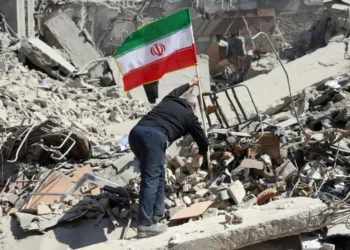 ‘Every Day Feels Like a Month’: Iranians Describe Life Under ‘Constant’ US‑Israeli Strikes
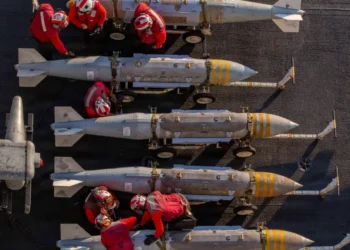 How Depleted Weapons Stockpiles Could Affect the Iran Conflict
 We Have More Privacy Controls Yet Less Privacy Than Ever — The Paradox of Digital Life
 Macron Finds ‘Freedom Fries’ Redemption in Iran Crisis
 Study Says Only Two Nations May Survive Nuclear War
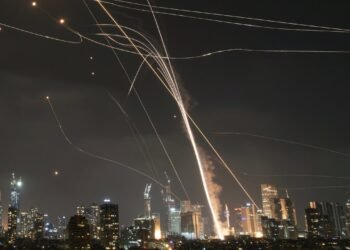 ‘We Must Finish This’: Israelis Rally Behind War Effort as Iran Strikes Tel Aviv
 Thousands Protest Iran Strikes Outside US Embassy London
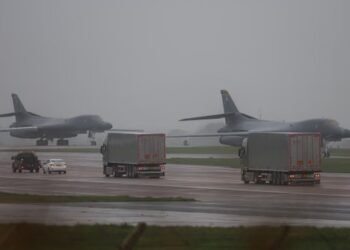 US Bombers Arrive at RAF Base Amid Rising Iran Tensions
 Iran’s New Leader Faces Existential Test
 Ukraine War Becomes Flashpoint in Hungarian Election