Published: 14 March 2026. The English Chronicle Desk. The English Chronicle Online
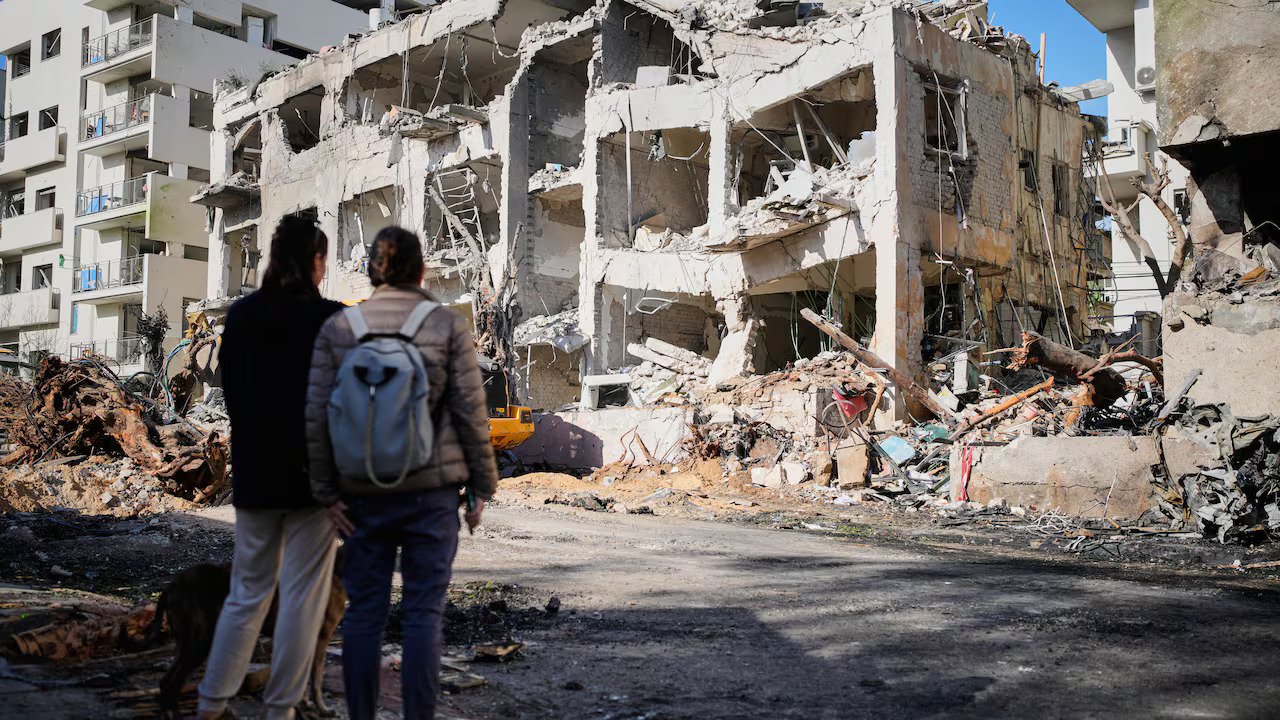
The Israeli-US war against Iran and its proxies has entered a perilous stage, becoming a proving ground for competing concepts of military escalation, each with the potential to trap the attackers in a more complex and costly conflict.
Despite killing Iran’s supreme leader, Ali Khamenei, and other key figures in the opening stages, the clerical regime remains intact, and its stockpile of highly enriched uranium is unsecured. Airstrikes are intensifying, but the strategic objectives of the campaign remain unclear.
Tehran has responded with a “horizontal escalation” strategy, widening the conflict geographically and increasing costs for Washington and the global economy, particularly energy markets. Iran’s strikes on Gulf states and shipping through the Strait of Hormuz aim to create political and public pressure on US allies, exposing cracks in the US-Gulf alliance.

Experts warn of an escalation trap, in which tactical military successes do not translate into strategic gains. Robert Pape, a US historian, explains that after initial tactical success, the attacker may double down, moving up the escalation ladder without achieving political objectives. “We are likely at stage two, on the cusp of stage three,” Pape said, cautioning that the conflict could become protracted and far riskier.
Trump’s approach has been criticized for relying on the accuracy of weapons and an “illusion of control,” pushing Tehran toward a model of escalation with broader global implications. Meanwhile, Israel has signaled further escalation, preparing operations in Lebanon against Hezbollah if rocket fire continues.
Former US envoy Robert Malley notes that US escalation decisions may be shaped more by Trump’s psychology than strategic calculation. He warns that escalating military involvement—including special forces deployment or occupation of parts of Iran—could trigger unpredictable Iranian retaliation, including terrorist attacks against US targets.

Jack Watling of the Royal United Services Institute highlights the internal US debate between professional defense planners aiming for limited objectives and Trump’s desire for coercive control over Iran. For Iran, retaliation in the Gulf is designed to restore regional deterrence. Even if current strikes slow, Tehran could continue its horizontal escalation strategy, maintaining long-term pressure on shipping and regional stability.
Robert D Kaplan points to the “slippery slope of incrementalism,” cautioning that incremental actions could eventually lead to deeper US involvement, mirroring historical conflicts such as Vietnam.
As the situation evolves, the conflict’s trajectory remains uncertain, with risks of prolonged escalation, economic disruption, and wider regional instability. The coming weeks are likely to test both US military power and strategic judgment in an increasingly multipolar world.
Related News:
 Thousands Protest Iran Strikes Outside US Embassy London
 US Bombers Arrive at RAF Base Amid Rising Iran Tensions
 UK Prepares Aircraft Carrier for Middle East Crisis
 Ukraine war briefing: Zelenskyy offers help to Saudi Crown prince on combatting Iranian drones
 Two National Guard Soldiers Critically Injured Near White House
 US National Guard Member Killed in DC Shooting
 Trump to Recheck Green Cards from 19 Nations After DC Attack
 American Mother Extradited From UK to U.S. on Murder Charges
 Russia losses Ukraine war peace talks intensify amid rising deaths
 US Cities Erupt in Protests Against Trump’s Venezuela Military Action
 Trump Escalates Minnesota Immigration Surge Amid Rising Tensions
 Capitol Attack Anniversary Sparks Deep Political Divide
 Portland Shooting: Federal Agents Open Fire Near Hospital
 Trump Says US Must ‘Own’ Greenland to Block Russia, China
 Homeland security agents deployed amid Minneapolis protests
 Minneapolis mayor demands state access to Renee Good probe
 German Supermarket Aldi to Open 180 US Stores This Year
 Minnesota Sues Trump Administration Over ICE Surge
 Trump targets Iran trade with 25% tariff warning
 US Clears Nvidia AI Chip Sales to China in Policy Shift
 Trump Threatens Strong Action If Iran Executes Protesters
 Portland man pleads not guilty after Border Patrol shooting
 Trump press secretary attacks reporter over ICE question
 Trump Receives Machado’s Nobel Medal in White House Meeting
 Trump Aide Sparks Fury as Greenland Dispute Intensifies
 Trump Fed bid heads to Supreme Court
 EU Says US Ties Have Suffered ‘Big Blow’ After Greenland Crisis
 ‘A long time coming’: US table tennis finds its moment
 ‘Unfathomable’: Australian veterans rebuke Trump claims
 Minneapolis pushes back against ICE’s federal crackdown
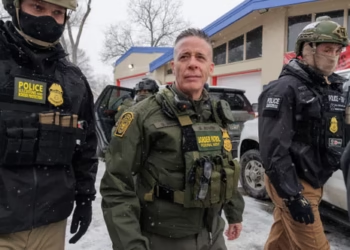 Border Patrol Commander Leaves Minneapolis After Fatal Shooting
 Arizona border shooting leaves suspect hospitalised after agent pursuit
 ‘Evil is resilient’: Pressure Mounts on Stephen Miller
 Videos reveal earlier clash before Alex Pretti shooting
 ‘Painful Times’ as Melinda Gates Responds to Epstein Files
 Trump Praises ‘Terrific’ Petro After White House Talks
 Headline: Measles Alert: Dr Oz Urges Americans to Vaccinate
 Nurses’ families fear breakup under UK immigration crackdown
 Iran Says ‘Guiding Principles’ Agreed With US at Nuclear Talks
 US Pushes to Recruit Organised Crime Gangs into Gaza Police Force
 US Urges Iran to Make Deal as Military Presence Rises
 Trans Youth Care Crisis: NY Hospital Ends Gender‑Affirming Treatment
 Coca‑Cola lawsuit challenges male exclusion at corporate event
 Sanders Condemns Billionaire ‘Greed’ in California Tax Debate
 US Build-Up of Warships and Fighter Jets Tracked Near Iran
 California Democrats Vow Trump Reckoning
 Hero Rescuer Saves Baby from Icy Chicago Lake
 Trump Probe Fallout: Patel Fires FBI Staff Tied to Documents Case
 Clinton Testimony Erupts in Fiery Exchange
 Middle East Flights Halted After Iran Strikes
 Hopes and Fears as US Iranians Take to Streets After Toppling of Supreme Leader
 Iran, the US, and a World Cup That Starts in Three Months
 Trump Faces Questions Over Iran Conflict Plan
 US Iran Operation: Sixth Service Member Killed
 Hezbollah Anger Erupts as War Returns to Beirut
 Trump’s Iran Endgame Unclear After Mixed Messaging on War Aims
 Did Trump Declare War and Did Congress Approve Iran Attacks? What to Know
 Gaza Siege Deepens as Iran War Escalates
 Scaramucci on Trump: ‘Epstein files won’t end him’
 Trump Underestimated the Iranian Regime’s Will to Survive
 U.S. Tells Citizens to Leave Israel Now as Regional Conflict Escalates
 Riyadh Drone Attack Escalates Regional War
 Middle East attacks intensify as Trump rejects Iran talks
 New Poll Reveals Reform UK Stance on British Citizenship
 Talarico Secures Democratic Victory for US Senate in Texas
 Texas Senate seat fight heads to runoff as votes split
 Cooper and Whatley Win Primaries for North Carolina Senate
 Adelaide University Faces Backlash Over Event Cancellation
 Iran-Iraq border airstrikes spark new tensions
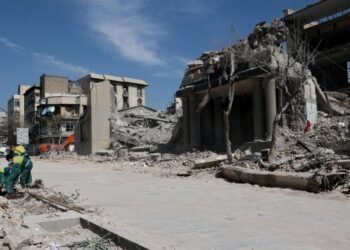 US Senate Backs Trump War Powers Amid Iran Missile Barrage
 Pete Hegseth Iran War Remarks Spark Alarm
 Seventh US Service Member Killed in Iran Conflict Identified
 Ukraine Sends Drone Experts to Defend US Bases in Jordan
 Trump Threatens Iran With ‘Twenty Times Harder’ Oil Strike
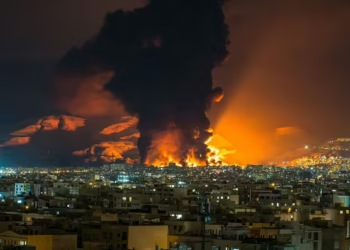 Iran Rejects Ceasefire, Warns Trump With Chilling Message
 US-Israeli Strategy Shifts to Plan B in Iran War
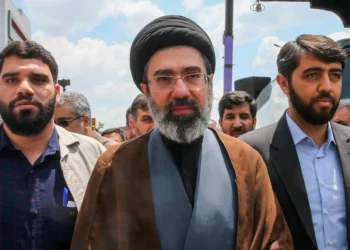 Injured Mojtaba Khamenei Elevated as Iran Leader
 Iran Conflict: Trump’s Uncertain Path and Diplomatic Off-Ramp
 Ancient Heritage Sites Damaged in Recent Airstrikes
 Tehran Diary: Dark Days Under Relentless Bombardment