Published: 14 March 2026. The English Chronicle Desk. The English Chronicle Online
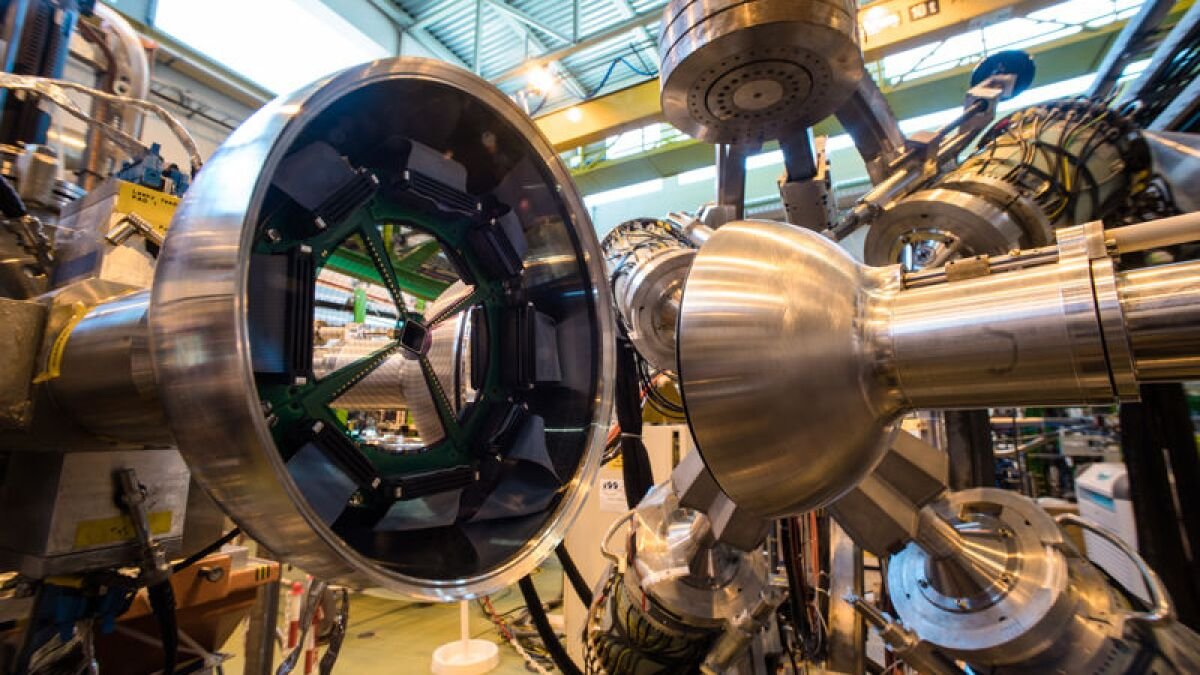
Scientists at Cern, the European particle physics laboratory near Geneva, are preparing for a historic first: the transport of antimatter. Later this month, a one-tonne device containing a few thousand antiprotons will be driven around the campus in a 20-minute test run, marking the world’s initial attempt to move this highly volatile substance without incident.
Antimatter is famous for its explosive reaction when it meets regular matter, converting both into pure energy. Yet, in reality, the quantities produced in laboratories are minute: the Cern cargo contains about a billionth of a trillionth of a gram. Should containment fail, the resulting energy release would be negligible. Still, the experiment represents a critical milestone for fundamental physics research.

“For years, we’ve asked why the universe is dominated by matter rather than antimatter,” said Dr Christian Smorra, physicist on Cern’s Baryon Antibaryon Symmetry Experiment (Base). “This transport is essential if we want to conduct the precise measurements required to find the answer.”
Antimatter was first predicted in 1928 by Nobel laureate Paul Dirac, who showed that every particle has a corresponding antiparticle with opposite charge. In 1932, Carl Anderson detected the positron, confirming the theory. Today, antimatter particles such as antiprotons can be combined into anti-atoms, opening a window into one of physics’ most enduring mysteries: why our universe favors matter.
Cern’s Antimatter Factory produces antiprotons by colliding high-energy protons with a dense metal target, after which the particles are slowed in a decelerator and captured in a cryogenic trap. While production is feasible at Cern, precision measurements require different facilities. Researchers aim to transport antimatter to Heinrich Heine University in Düsseldorf, where experiments could probe subtle differences between matter and antimatter with up to 100 times greater accuracy.
The trap itself is a technological marvel. Antimatter is suspended in ultra-high vacuum at -269°C, using magnetic and electric fields to prevent any contact with normal matter. The device is designed to withstand shocks, bumps, and abrupt braking during transport, and the upcoming test will verify whether the system can maintain containment under real-world conditions.

“If we want to perform experiments elsewhere, we need to show we can move antimatter safely,” said Smorra. “This is a big milestone for us.”
While antimatter often sparks imaginations in science fiction—from Star Trek’s warp drive to Dan Brown’s Angels and Demons—the real challenges are mundane yet delicate. Researchers must ensure uninterrupted power for the trap, protect the cargo from traffic delays, and maintain cryogenic conditions for the particles throughout the journey. Success would pave the way for groundbreaking experiments that could finally illuminate why matter exists at all.
Related News:
 Urgent AI Threat Research Needed, Says Google Boss
 How AI Can Read Our Scrambled Inner Thoughts
 Virgin Trains Moves Closer to Challenging Eurostar Monopoly
 UK Bans Fake Numbers: Scammers Lose Their Trick
 Vibe coding’ named Collins dictionary’s word of the year
 Experts Urge Legal Right to Timely Cancer Care
 Patients to Test Health at Home to Ease NHS Winter Pressure
 One of world’s last dinosaurs on sale for £3m
 North Sea oil workers must lose weight or face job loss
 Britain deploys RAF specialists to assist Belgium with drone threats
 Government urges schools to ban phones to curb classroom disruption
 NHS frontline staff forced to cover gaps as managers remain scarce
 Stop using ChatGPT to write speeches, AI minister tells MPs
 Northern Lights may illuminate UK skies this week
 New laws to bolster UK’s defences against cyber attacks on NHS, transport and energy
 Hitler’s DNA Confirms He Truly Had Only One Testicle
 Working-Class Men with Prostate Cancer Left Behind by NHS
 Higgs Donates Nobel Medal to His Beloved University
 New AI tool could cut wasted efforts in organ transplants
 How Cultures Interpreted the Aurora Through History
 From War to Wales: Teen Innovator Eyes Net Zero Future
 From Baby Teeth to Bioengineering: The Future of Self-Healing Teeth
 Sundar Pichai Cautions on AI Hype and Market Risks
 Google Chief Urges Caution: Don’t Trust AI Blindly
 US Judge Says Meta Did Not Hold Illegal Social Media Monopoly
 Poll Reveals China Leads World in Trusting AI Technology
 Healthy Habits in Your 30s That Boost Life in Your 70s
 Raccoons Could Become America’s Next Pet
 Australia to Ban Social Media for Kids Under-16 Starting December
 Coffins Now Too Large to Cremate Amid Rising Obesity Crisis
 UK Taskforce Unveils Plan to Streamline Nuclear Reactor Rules
 NHS paediatric leave parents waiting months for answers
 Ofcom urges platforms to limit abuse and curb online ‘pile-ons’
 AI Actress Creator Says Tilly Norwood Won’t Replace Actors
 Starmer’s communications chief to outline media strategy overhaul
 UK Car Sales Pass 2 Million as Chinese Brands Surge
 AI Grok Sparks Child Safety Alarm in the UK
 Indonesia blocks Grok chatbot over sexual content risk
 Google Removes Some AI Health Summaries Over Safety Concerns
 Nasa ISS Medical Evacuation: Crew-11 To Return Early
 US Clears Nvidia AI Chip Sales to China in Policy Shift
 Amazon Milton Keynes closure sparks concern for UK warehouse workforce
 BP’s Influence Sparks Controversy in UK STEM Education
 AI will transform human jobs, enhancing skills, says minister
 Astronomers Prepare for First-Ever Movie of a Black Hole
 MPs warn AI financial risks threaten UK stability
 MPs warn AI financial risks threaten UK stability
 ABC Facebook Page Briefly Hacked, Adult Photos Posted
 Pornhub blocks new UK users over age checks dispute
 Amazon mistakenly signals new global layoffs to employees
 AI breast screening cuts later cancer diagnoses by 12%, study finds
 UK Launches First Rapid-Charging Battery Train This Weekend
 AI News “Nutrition” Labels Proposed for Transparency
 UK New Car Discounts Near £6,000 as Prices Are Slashed
 Most Statin Side-Effects Are Not Caused by Drugs, Study Confirms
 Childnet Censorship Row Over Teen Safety Speeches
 BT Names New Openreach Chief Amid Major Fibre Expansion
 AI fears hit UK wealth and comparison sites
 Tech Trends Set to Transform Life in 2026
 Starmer Targets AI Chatbots Over Child Safety Concerns
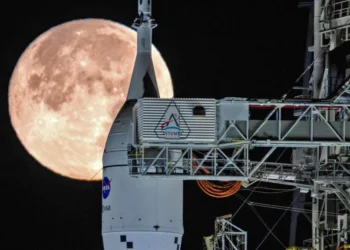 NASA Targets Early March for Human Mission Around Moon
 UK Anti-Slavery Watchdog Urges Adult Sites Overhaul
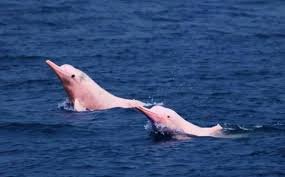 Toxic e-waste found in dolphins raises urgent health concerns
 How Ancient Scottish Rocks Challenge ‘Snowball Earth’ Theory
 Ayahuasca Psychedelic DMT Shows Potential as Depression Therapy
 Stewart Brand on Musk, Bezos and a Life of Long Thinking
 Facial Recognition Error Leads to Wrongful Arrest in Milton Keynes
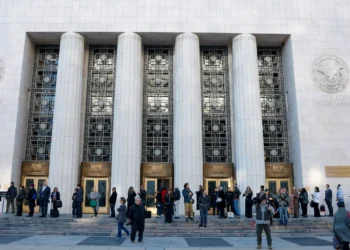 Social Media Trial: Woman Says Addiction Began at Six
Instagram Investigating AI Profiles ‘Fetishising’ Disabled People
Social Media Trial: Woman Says Addiction Began at Six
Instagram Investigating AI Profiles ‘Fetishising’ Disabled People
 UK Social Media Ban for Under-16s Gains Momentum
 Instagram Investigating AI Profiles ‘Fetishising’ Disabled People
 UK Teen Social Media Ban Trials Begin
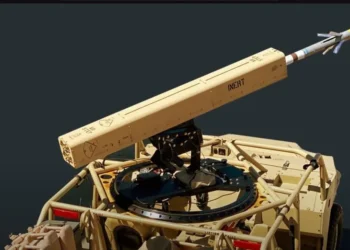 The US Now Has the Medicine for Cheap Swarming Drone Attacks
 Zorevunersen Breakthrough for Dravet Syndrome
 Revealed: UK AI Push Faces Phantom Investment Claims
 Taking Multivitamins Daily Could Slightly Slow Ageing, Study Finds
 Ministers Urged to Act Faster on Deepfakes Threat
 MPs Reject Ban on Social Media for Under-16s
 Tesla Enters British Energy Market Following Ofgem Approval
 Social Media Giant Trial Reaches Final Jury Decision