Published: 16 March 2026. The English Chronicle Desk. The English Chronicle Online.
The Trump Iran war narrative intensified this weekend after the former US president signalled no urgency for peace. Donald Trump said Washington was not yet prepared to negotiate a settlement with Tehran. His comments arrived as new missiles and drones struck several Middle Eastern targets overnight.
The escalating Trump Iran war rhetoric reflects a broader regional crisis already reshaping diplomacy, trade, and security. Oil routes face disruption while global airlines reroute flights away from increasingly dangerous skies. Markets have reacted nervously as traders monitor the potential closure of crucial shipping lanes.
Trump suggested the United States would continue military pressure until better negotiating terms emerged. He argued that Iran may want talks but had not yet offered acceptable conditions. Speaking during an interview with NBC News, Trump expressed confidence that American forces held strategic advantages.
He even suggested further strikes on Kharg Island could occur without hesitation if military planners approved. That island contains Iran’s principal oil export terminal and remains strategically vital for regional energy flows. Any prolonged disruption there could severely reduce Iran’s ability to ship crude internationally.
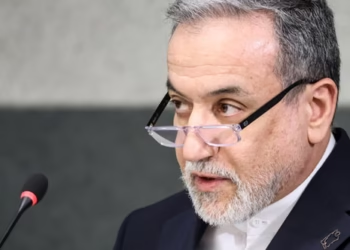
Iranian leaders strongly rejected Trump’s interpretation of their diplomatic position and intentions. Foreign Minister Abbas Araghchi insisted Tehran never asked for ceasefire negotiations with Washington. He said Iran remained committed to defending its territory for as long as necessary.

The foreign minister made those remarks during an interview with the American broadcaster CBS. Araghchi insisted Iran would consider proposals only if they demanded a complete halt to hostilities. Otherwise, he argued, diplomacy would simply provide cover for continued foreign military pressure.
Meanwhile, Iranian missiles and drones reportedly struck several targets across the Gulf region and Israel. Air defence systems in Bahrain and Saudi Arabia intercepted many projectiles before reaching populated areas. However, the attacks underscored the expanding geographical footprint of the conflict.
Israel and the United States launched fresh air strikes against Iranian military installations during the same period. Israeli officials claimed hundreds of additional targets remain under surveillance for possible future operations. Military spokespersons insisted the campaign aimed to neutralise threats before they expanded further.
These developments continue shaping the evolving Trump Iran war narrative dominating international headlines this month. Analysts warn the conflict already threatens the stability of the wider Middle East region. Any prolonged confrontation could draw additional countries into direct or indirect military involvement.
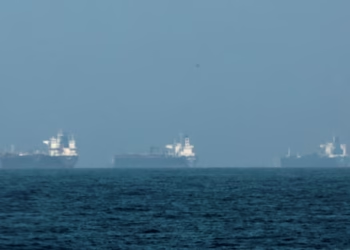
One major concern involves the Strait of Hormuz, a narrow but crucial maritime corridor. Around one fifth of global oil shipments normally pass through those waters each day. Even temporary disruptions can influence fuel prices worldwide and trigger economic ripple effects.
Shipping companies report growing anxiety among crews navigating the strait under current conditions. Several tanker operators have delayed departures while assessing security guarantees from naval forces. Insurance premiums for vessels travelling through the region have also increased sharply.
Trump urged allied nations to send warships to help protect tankers moving through the corridor. Such international patrols could escort commercial vessels and deter further missile attacks or harassment. However, coordinating multinational maritime operations during an active conflict remains highly complicated.
Iran’s leadership responded with warnings that foreign military deployments could escalate tensions further. Officials insisted any attempt to force open the strait might provoke stronger defensive measures. That prospect raises fears about accidental clashes between naval forces from several different countries.
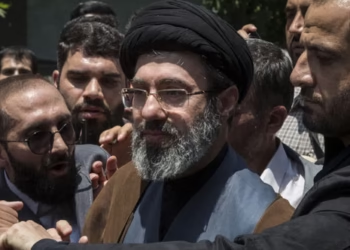
Iran’s new supreme leader, Mojtaba Khamenei, issued a written statement promising resistance against pressure. He declared that Iranian sovereignty would remain protected despite ongoing bombardment and diplomatic isolation. The statement also suggested the strait could remain closed while hostilities continued.
Trump responded dismissively when asked about Khamenei’s health and leadership position. He claimed uncertainty about whether the Iranian leader maintained full authority over military decisions. Iranian authorities previously acknowledged Khamenei suffered injuries during early strikes but described them as minor.
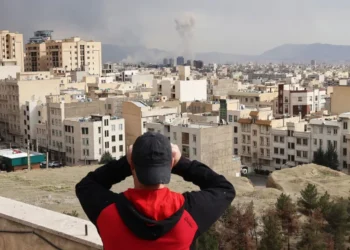
Beyond strategic statements, everyday life inside Tehran reflects a cautious attempt to regain normal rhythm. Witnesses reported heavier traffic on city roads compared with the tense days following initial bombardments. Some cafés reopened while shops resumed trading in several commercial districts.
The Tajrish bazaar in northern Tehran presented a mixed picture of resilience and uncertainty. Roughly one third of market stalls reopened despite lingering concerns about further air raids. Shoppers cautiously returned to purchase supplies ahead of the Persian New Year celebrations.
Queues formed outside automated teller machines as residents withdrew cash for precautionary purposes. Several banking systems experienced disruptions during the early stages of the conflict. Digital services at one of Iran’s largest financial institutions remained partially paralysed.
Bus stops across the capital slowly filled again after days of relative emptiness. Public transport had previously operated with minimal passengers due to security fears. Residents now appear cautiously adjusting to wartime routines while monitoring daily developments.
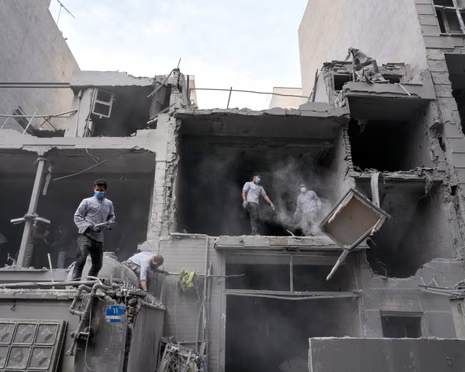
Humanitarian agencies warn that the conflict has already caused devastating consequences for civilians. The International Committee of the Red Cross reported more than 1,300 deaths from air strikes. Among those victims were hundreds of women and children, according to Iranian health authorities.
The United Nations refugee agency estimates millions have fled their homes across Iran. Many families travelled from major cities toward rural areas seeking safety from bombardment. Temporary shelters now struggle to accommodate the rapidly growing number of displaced residents.
Despite the destruction, diplomatic conversations continue quietly behind closed doors among regional governments. Araghchi suggested mediation discussions with neighbouring countries were still underway. He hinted that proposals for ending the war might emerge if certain conditions were met.
Turkish officials reportedly attempted to facilitate communication channels between Tehran and Western capitals. However, no public confirmation indicates significant progress toward a negotiated ceasefire yet. Analysts believe both sides currently prioritise military leverage before returning seriously to diplomacy.
Elsewhere in the region, violence linked to the conflict continues spreading beyond the main battlefield. Pro-Iranian militias in Iraq launched attacks on American diplomatic and military installations. Washington has advised US citizens in Iraq to leave immediately for safety.
Reports also describe renewed strikes against Kurdish factions in northern Iraq. Such developments highlight the complicated network of alliances surrounding the conflict. Many regional groups maintain relationships with larger powers involved in the fighting.
Israel experienced deadly missile strikes from Iran during the past week. Authorities confirmed at least twelve deaths resulting from incoming projectiles targeting populated areas. Emergency services treated additional casualties after interceptors destroyed missiles over several cities.
Explosions echoed across Jerusalem as air defence systems attempted to neutralise incoming threats. Residents reported windows rattling during the overnight barrage of interceptions and impacts. The psychological toll on civilians continues growing as sirens regularly interrupt daily routines.
Israeli officials accuse Iran of deploying cluster munitions when targeting civilian areas inside the country. Such allegations intensify concerns about potential violations of international humanitarian law. Independent verification of those claims remains difficult amid ongoing hostilities.
The conflict has also spilled into Lebanon through clashes involving Hezbollah fighters. That organisation launched missiles and drones toward Israel following earlier regional attacks. Israel responded with air strikes targeting Hezbollah infrastructure across southern Lebanon.
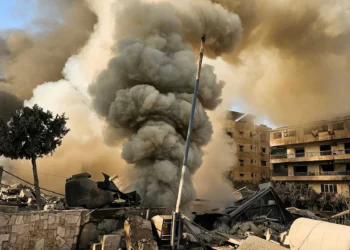
Lebanese authorities confirmed casualties after overnight bombardments struck residential areas near Sidon. One attack reportedly hit an apartment building, sparking a fire that killed a resident. Additional strikes in nearby villages caused further fatalities and injuries.
Israeli military officials insist their operations aim specifically to degrade Hezbollah’s combat capabilities. They argue preventing future missile launches remains essential for protecting Israeli civilians. Nevertheless, humanitarian groups warn continued bombardment risks worsening Lebanon’s fragile political and economic conditions.
Diplomatically, Israel’s foreign minister Gideon Sa’ar rejected rumours about possible direct talks with Lebanon. He emphasised strong alignment with Washington regarding the wider campaign against Iran. According to Sa’ar, both countries share the objective of eliminating long-term security threats.
This evolving confrontation continues shaping the global perception of the Trump Iran war strategy. Supporters argue strong pressure could force Tehran into meaningful negotiations eventually. Critics warn prolonged escalation might trigger broader regional warfare with unpredictable consequences.

Economic costs are already significant for governments involved in the conflict. American officials estimate military operations have consumed roughly twelve billion dollars so far. Defence planners expect further expenses if the campaign extends for many more weeks.
Thirteen American service members have reportedly died since the conflict began earlier this year. Six of those casualties occurred during a tragic aircraft crash over Iraq. Their deaths highlight the human price paid by soldiers deployed far from home.
Energy markets remain particularly sensitive to any escalation surrounding the Strait of Hormuz. Oil prices have climbed as traders anticipate possible supply disruptions. Governments worldwide monitor the situation carefully while considering emergency reserves if shortages worsen.
For now, the world watches closely as political leaders weigh military action against diplomatic compromise. The Trump Iran war debate continues dominating international conversations across governments, markets, and households. Whether the conflict ends through negotiation or escalation remains uncertain.
What appears clear is that regional stability faces one of its most serious tests in decades. Every new missile strike or diplomatic statement could shift the fragile balance dramatically. Until meaningful negotiations begin, millions will continue living under the shadow of war.
Related News:
 Middle East Flights Halted After Iran Strikes
 UK Prepares Aircraft Carrier for Middle East Crisis
 Mojtaba Khamenei Chosen as Iran’s New Supreme Leader
 Tehran Oil Depot Strikes Darken City With Toxic Smoke
 Mojtaba Khamenei Supporters Rally as Iranians Fear Repression
 Iran Defiance Grows Amid US-Israel War Pressure
 Hormuz Crisis Sparks Global Oil Market Fears
 Iranian Exile Factions Seek US Backing for Iran’s Future
 Injured Mojtaba Khamenei Elevated as Iran Leader
 British Woman in Iran ‘Losing Hope’ Amid Ongoing Detention
 BBC to Apologise Over Edited Trump Speech Amid Backlash
 Britain deploys RAF specialists to assist Belgium with drone threats
 US Justice Department Files Lawsuit Against California Over Partisan Voting Maps
 Greene Pushes Epstein Files Amid Trump Fallout
 Trump Deploys DHS to Charlotte in Major Arrest Operation
 December Run-Off in Chile as Election Produces No Winner
 Canada Passes Carney’s First Budget in Tight Parliamentary Vote
 Shadow Fleet at Sea: Europe’s Battle Against Illicit Oil Shipping
 Pentagon Officials in Ukraine to Discuss War End
 Venezuela Threatens Nobel Winner Machado with Fugitive Status
 Georgians Defy Government Crackdown After Year of Protests
 India’s Labour Law Overhaul Sparks Fierce Debate
 EU plans $105bn Ukraine aid using frozen Russian assets
 Global campaign launched to free Palestinian leader Barghouti
 Russia losses Ukraine war peace talks intensify amid rising deaths
 Zelenskyy Accuses Russia of Sabotaging Peace Talks
 Albanese Opens Door to Bondi Royal Commission Amid Rising Pressure
 Trump Escalates Minnesota Immigration Surge Amid Rising Tensions
 Iran Protesters Defy Crackdown as Violent Clashes Intensify
 Trump Threatens Strong Action If Iran Executes Protesters
 Machado Trump medal gesture reshapes Venezuela power struggle
 Trump Receives Machado’s Nobel Medal in White House Meeting
 EU weighs response amid Greenland tariff crisis with Trump
 US Considers Asylum for British Jews Amid Rising Antisemitism
 ICE street raids expose a chilling future for public freedoms
 EU Says US Ties Have Suffered ‘Big Blow’ After Greenland Crisis
 Andrew Hastie Emerges as Leadership Rival to Ley
 Starmer China visit raises human rights pressure on Beijing
 Israel Moves to Bar MSF From Gaza Operations
 Trump Praises ‘Terrific’ Petro After White House Talks
 Sydney Protest Escalates and Elderly Woman Suffers Severe Injury
 Tarique Rahman’s Rise Toward Bangladesh’s Top Job
 Glass Cliff Debate After Ley’s Ouster
 Australian Families Leave Syrian Camp for Home
 Trump Attacks UK-California Energy Pact
 Kim Jong-un Unveils Housing for War Families
 Trump and Chagos Deal Rift Over Iran Strikes
 Andrew Arrest Sparks Republic Debate in Australia
 Global corruption crisis: Who Washington shields
 Farage Chagos Islands Row Sparks Fury
 Trump Tariffs Threat Spark UK and EU Alarm
 Trump Speech Sparks Intense Debate Across Divided America
 Jacinda Ardern Moves To Australia Following Her US Fellowships
 Has Europe truly learned from the failures of 2022?
 Health Funding Row Rocks US‑Africa Relations
 Iran’s Regime Still Intact — Coming Days Will Test Its Survival
 Allies of US in the Gulf Bear Brunt of Iran Attacks
 Iran, the US, and a World Cup That Starts in Three Months
 Trump Faces Questions Over Iran Conflict Plan
 Nick Greiner Warns Over Election Review Fallout
 US Iran Operation: Sixth Service Member Killed
 Hezbollah Anger Erupts as War Returns to Beirut
 Why the US and Israel attacked Iran
 Israel Launches Ground Invasion of Lebanon Amid Widening Middle East War
 Herzog Asio meeting sparks security storm
 Middle East attacks intensify as Trump rejects Iran talks
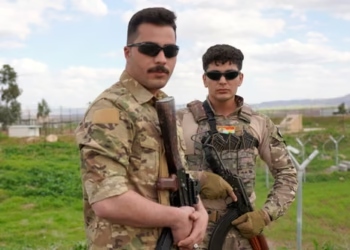 Iran-Iraq border airstrikes spark new tensions
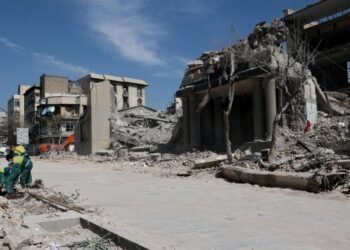 US Senate Backs Trump War Powers Amid Iran Missile Barrage
 Macron Finds ‘Freedom Fries’ Redemption in Iran Crisis
 Thousands Protest Iran Strikes Outside US Embassy London
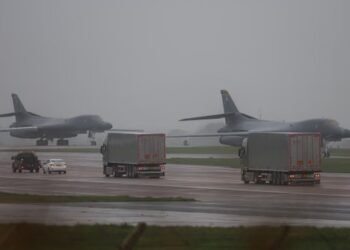 US Bombers Arrive at RAF Base Amid Rising Iran Tensions
 Pete Hegseth Iran War Remarks Spark Alarm
 Kasasa Island Dispute Fuels Japan-China Tensions
 Nine Days of Strikes Reshape the Middle East
 Trump Pressures Congress Over Save America Act
 Iran’s New Leader Faces Existential Test
 Iranian Football Squad Asylum Drama Shocks Australia
 Queensland Protest Laws Spark Free Speech Backlash
 Eswatini Deal Sparks Global Outcry Over US Deportations
 Yvette Cooper: UK Must Follow Principles, Not US Pressure