Published: 17 March 2026. The English Chronicle Desk. The English Chronicle Online.
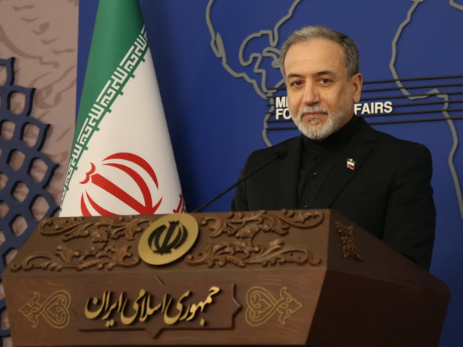
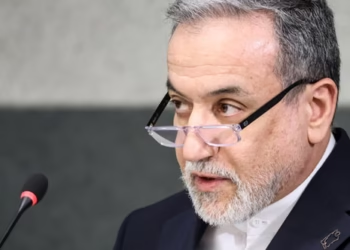
Rising Gulf tensions have intensified after Iran accused regional powers of secretly backing attacks. The latest claims from Abbas Araghchi have added urgency to an already volatile situation, raising concerns across diplomatic circles in both the Middle East and Europe. His remarks suggest a widening conflict that could reshape alliances and deepen mistrust among neighbouring states.
The Iranian foreign minister directly questioned the intentions of several Gulf nations hosting American forces. He implied that some governments may be quietly encouraging military actions against Iran while publicly calling for restraint. His comments appeared to focus particularly on Mohammed bin Salman, whose reported private discussions have sparked controversy. These allegations have not been independently confirmed but have circulated widely in international media.
Araghchi’s statement followed reports that the Saudi crown prince had engaged in ongoing private conversations with Donald Trump. According to these reports, the discussions allegedly involved urging continued pressure on Iran through sustained military strikes. While Saudi officials have publicly opposed escalation, the contrast between public messaging and alleged private communication has prompted calls for clarification.

In a message shared on social media, Araghchi stressed the need for transparency. He argued that regional stability depends on consistent positions rather than conflicting public and private stances. He also pointed to the mounting civilian toll in Iran, claiming that hundreds have died in recent strikes, including many children. These claims underline the human cost of the intensifying conflict and have drawn international concern.
The rhetoric has been reinforced by senior Iranian officials, including Ali Larijani. He appealed directly to populations across Gulf states, urging them to question their governments’ positions. His remarks framed the conflict as a broader struggle involving not only Iran but also regional identity and political allegiance. This messaging reflects a strategic attempt to influence public opinion beyond Iran’s borders.
Larijani also defended Iran’s military responses, arguing they were necessary given the presence of US bases in neighbouring countries. He suggested that Iran could not remain passive while such facilities were used to launch attacks. This justification highlights the central role of foreign military installations in escalating regional tensions. It also signals that Iran views these bases as legitimate targets within the current conflict framework.
The situation has become increasingly volatile following a wave of Iranian drone strikes. These attacks reportedly targeted locations in Bahrain, Saudi Arabia, Qatar, and the United Arab Emirates. Observers have described this as one of the most extensive coordinated assaults since hostilities began. The scale and reach of these operations suggest a significant escalation in Iran’s military strategy.
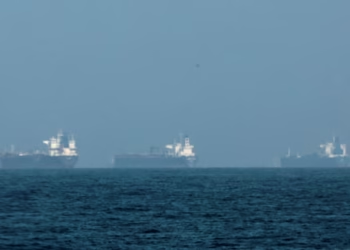
At the same time, Iran has reiterated its intention to maintain control over the Strait of Hormuz. This narrow passage is vital for global energy supplies, making any disruption a matter of international concern. Iranian officials have indicated that access will remain restricted for countries perceived as supporting hostile actions. This stance has heightened fears of broader economic consequences, particularly in energy markets.
Internally, Iran appears to be consolidating its military leadership. The appointment of Mohsen Rezaee as a senior adviser reflects a shift toward a more hardline approach. Rezaee, a former commander of the Islamic Revolutionary Guards Corps, has advocated for continued resistance until foreign military forces withdraw from the region. His influence signals a determination to pursue a prolonged strategy rather than immediate de-escalation.
This leadership shift coincides with increasing pressure on Iranian infrastructure and civilian areas. Reports from Tehran indicate widespread damage following intense bombardments. Critical facilities, including parts of the electricity grid, have been affected, leading to temporary outages. The scale of attacks has disrupted daily life and added to the growing humanitarian concerns within the country.
Local officials have described the situation as unprecedented in recent years. Tehran’s mayor has claimed that thousands of separate attacks have occurred, affecting large parts of the capital. Public transport systems, including segments of the metro network, have faced temporary closures. These disruptions illustrate the far-reaching impact of the conflict on urban infrastructure and civilian mobility.
Meanwhile, information flow داخل Iran has become increasingly restricted. Reports suggest that internet access has been significantly limited, with many news outlets and communication channels becoming inaccessible. This tightening control over information reflects concerns about internal stability and the spread of dissent. It also makes it more difficult for the international community to assess the full extent of the situation.
Despite the escalating tensions, limited diplomatic engagements continue to take place. Iranian authorities have allowed certain vessels from non-involved countries to pass through the Strait of Hormuz under strict coordination. This includes ships linked to India, following direct negotiations between the two governments. However, officials have emphasised that such arrangements are temporary and not part of a broader agreement.
These selective permissions highlight the complexity of Iran’s position. While maintaining a firm stance against perceived adversaries, the country is also seeking to manage essential economic relationships. The reported exchange involving humanitarian supplies and detained vessels suggests ongoing negotiations behind the scenes. Such interactions may provide limited opportunities for reducing tensions, even as broader hostilities continue.

International reactions to the crisis have been mixed. Efforts by Donald Trump to build a coalition aimed at securing the Strait of Hormuz have reportedly faced resistance. Several countries, including European powers and major global players, have been cautious about direct involvement. This hesitation reflects concerns about further escalation and the potential for a wider regional conflict.
Iranian officials have interpreted this reluctance as a sign of weakening support for unilateral military action. State media has highlighted divisions among Western allies, presenting them as evidence of shifting global dynamics. While such interpretations may serve domestic narratives, they also point to genuine uncertainties within the international response. The lack of consensus complicates efforts to stabilise the situation.
The unfolding events underscore the fragile nature of security in the Gulf region. Longstanding rivalries, combined with the presence of foreign military forces, create conditions for rapid escalation. Each new development carries the risk of triggering further retaliation, making de-escalation increasingly difficult. Diplomatic channels remain crucial, but their effectiveness depends on mutual trust that currently appears in short supply.
As the situation evolves, attention will remain focused on the actions of key regional and global actors. Statements from figures such as Abbas Araghchi will continue to shape perceptions and influence diplomatic responses. The interplay between public declarations and behind-the-scenes negotiations will be critical in determining the conflict’s trajectory. For now, Gulf tensions remain high, with no clear resolution in sight.
Related News:
 Middle East Flights Halted After Iran Strikes
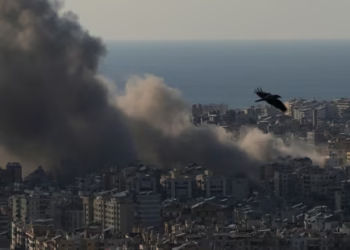 US Iran Operation: Sixth Service Member Killed
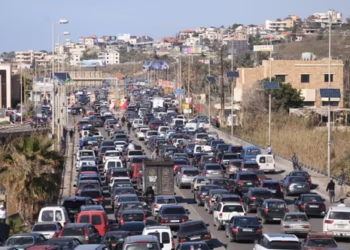 Hezbollah Anger Erupts as War Returns to Beirut
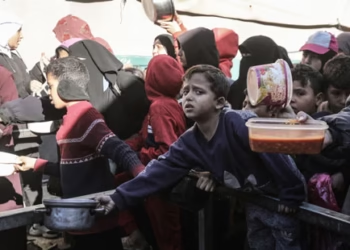 Gaza Siege Deepens as Iran War Escalates
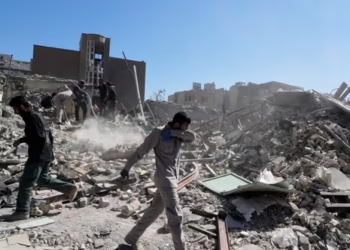 Riyadh Drone Attack Escalates Regional War
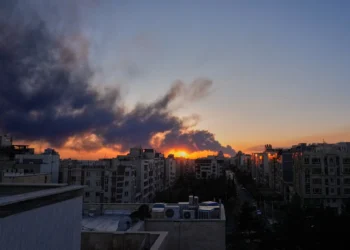 Middle East attacks intensify as Trump rejects Iran talks
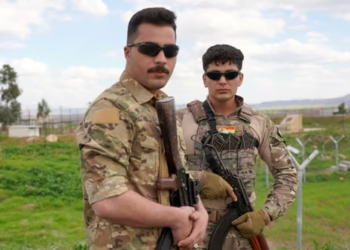 Iran-Iraq border airstrikes spark new tensions
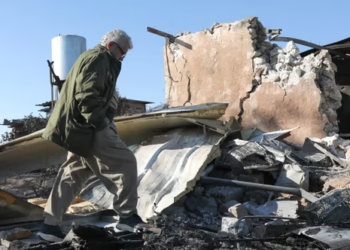 Iran-Iraq Border Strikes Spark New Front Fears
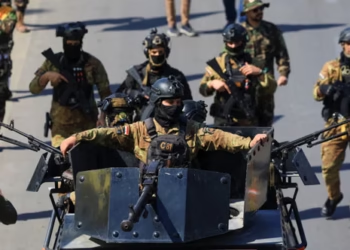 Iran-Backed Militias Escalate Attacks Across Middle East
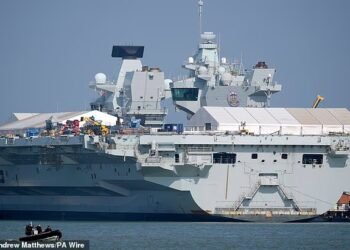 UK Prepares Aircraft Carrier for Middle East Crisis
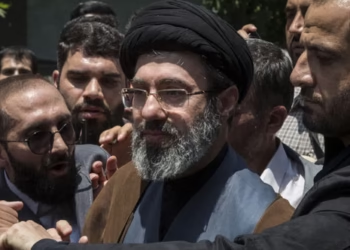 Mojtaba Khamenei Chosen as Iran’s New Supreme Leader
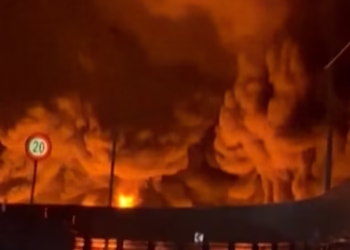 Tehran Oil Depot Strikes Darken City With Toxic Smoke
 Seventh US Service Member Killed in Iran Conflict Identified
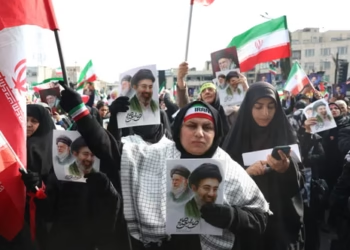 Mojtaba Khamenei Supporters Rally as Iranians Fear Repression
 Tehran Strikes Mark War’s Most Devastating Night
 Iran Defiance Grows Amid US-Israel War Pressure
 Hormuz Crisis Sparks Global Oil Market Fears
 Iranian Exile Factions Seek US Backing for Iran’s Future
 US-Israeli Strategy Shifts to Plan B in Iran War
 Injured Mojtaba Khamenei Elevated as Iran Leader
 US Missile Strike on Iran School Sparks Global Shock
 Iran Gulf attacks escalate as ships and airports targeted
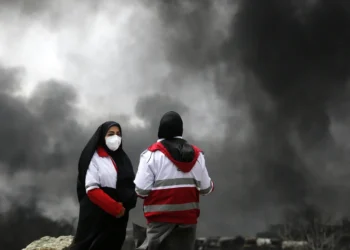 Iran Conflict: Trump’s Uncertain Path and Diplomatic Off-Ramp
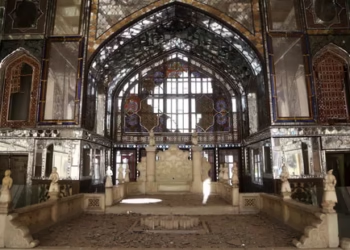 Ancient Heritage Sites Damaged in Recent Airstrikes
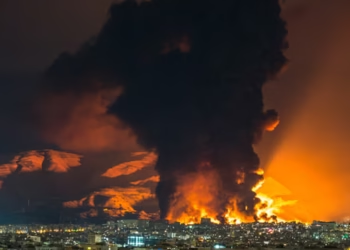 Tehran Diary: Dark Days Under Relentless Bombardment
 British Tourist Charged Over Dubai Missile Strike Video
 Gaza Detainee Abuse: Israel Drops Charges Against Soldiers
 Trump Iran War Stance Hardens as Conflict Widens
 Lebanon Ground Campaign Raises Occupation Fears
 BBC to Apologise Over Edited Trump Speech Amid Backlash
 Britain deploys RAF specialists to assist Belgium with drone threats
 Greene Pushes Epstein Files Amid Trump Fallout
 December Run-Off in Chile as Election Produces No Winner
 Zelenskyy Signs Fighter Jet Deal Amid Russian Drone Attacks
 Canada Passes Carney’s First Budget in Tight Parliamentary Vote
 Shadow Fleet at Sea: Europe’s Battle Against Illicit Oil Shipping
 Tiny Curacao Makes History as Smallest Nation to Reach World Cup
 Deadly Russian Strikes Hit Western Ukraine, 20 Killed in Ternopil
 Ukraine Peace Plan: Zelensky Ready for Dialogue
 Royal Navy Shadows Russian Warships Entering the Channel
 US Suspends Afghan Immigration After White House Shooting
 Georgians Defy Government Crackdown After Year of Protests
 Tokyo court rules Japan’s same-sex marriage ban constitutional
 ‘Extinct’ Antelope Returns to Sahara, Bringing Hope
 American Mother Extradited From UK to U.S. on Murder Charges
 Facebook Slow to Remove Bondi Attack Praise, Anti-Hate Group Claims
 Albanese Opens Door to Bondi Royal Commission Amid Rising Pressure
 US Clears Nvidia AI Chip Sales to China in Policy Shift
 Gulf states warn Trump Iran strikes risk wider Middle East war
 EU weighs response amid Greenland tariff crisis with Trump
 Sydney Shark Attack Surge Shocks Australia Beaches
 EU Says US Ties Have Suffered ‘Big Blow’ After Greenland Crisis
 Videos reveal earlier clash before Alex Pretti shooting
 UK New Car Discounts Near £6,000 as Prices Are Slashed
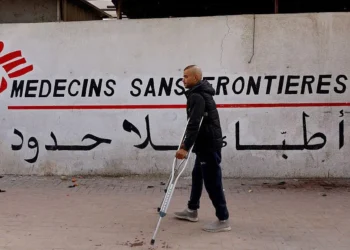 Israel Moves to Bar MSF From Gaza Operations
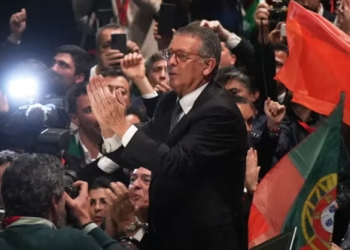 Portugal Election Delivers Socialist Win as Far Right Surges
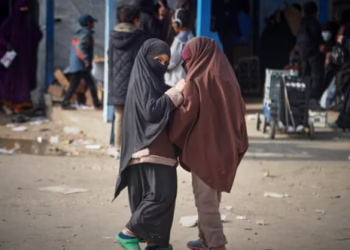 Australian Families Leave Syrian Camp for Home
 ‘I Would Scream in My Sleep’: Alawite Women from Syria Tell of Kidnap and Rape
 Andrew Arrest Sparks Republic Debate in Australia
 Farage Chagos Islands Row Sparks Fury
 Hilary Knight speaks out on Trump’s recent hockey remarks
 Has Europe truly learned from the failures of 2022?
 Iran’s Regime Still Intact — Coming Days Will Test Its Survival
 Trump Faces Questions Over Iran Conflict Plan
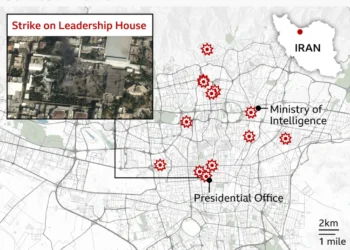 In Maps: Strikes Across Iran and the Middle East
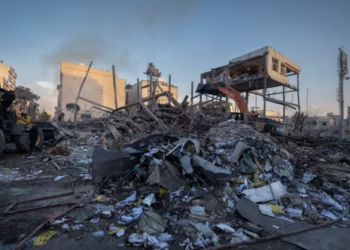 Iran Civilian Deaths Surge Past 200 Amid Fear
 The Third Day of the US‑Israeli War With Iran
 Herzog Asio meeting sparks security storm
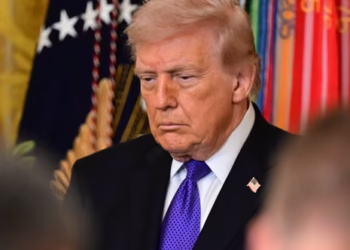 Trump rebukes Starmer over Iran strikes
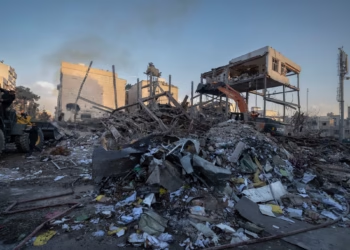 Civilian Deaths in Iran Pass 700 Amid Fear of Bombs and Regime Clampdown
 Petrol Prices Soar as Retailers Accused of Gouging Amid Global Tension
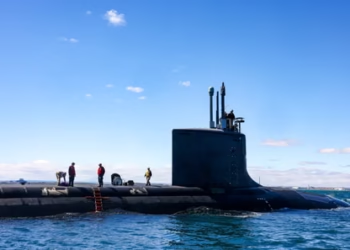 Penny Wong silent on Australian crew in sub strike
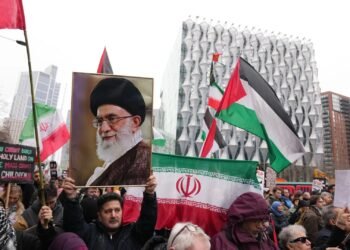 Thousands Protest Iran Strikes Outside US Embassy London
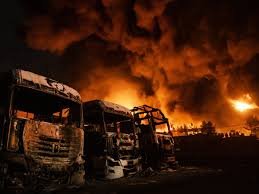 Oil Prices Surge Above $100 Amid Iran War
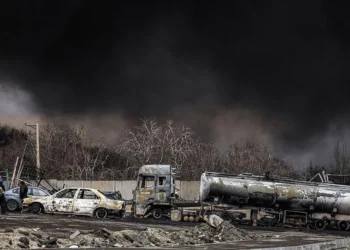 Nine Days of Strikes Reshape the Middle East
 Trump Pressures Congress Over Save America Act
 Goma Drone Attack Kills Three as Conflict Escalates
 Queensland Protest Laws Spark Free Speech Backlash
 Yvette Cooper: UK Must Follow Principles, Not US Pressure
 Iranian Captain Departs Australia Amid Asylum Tension